

 Pregledaj u prostoru
 Pošalji
 Podeli
 Detalji o delu

 Преузми
 Slični predmeti
 Rendgenski snimak
 Slajdovi
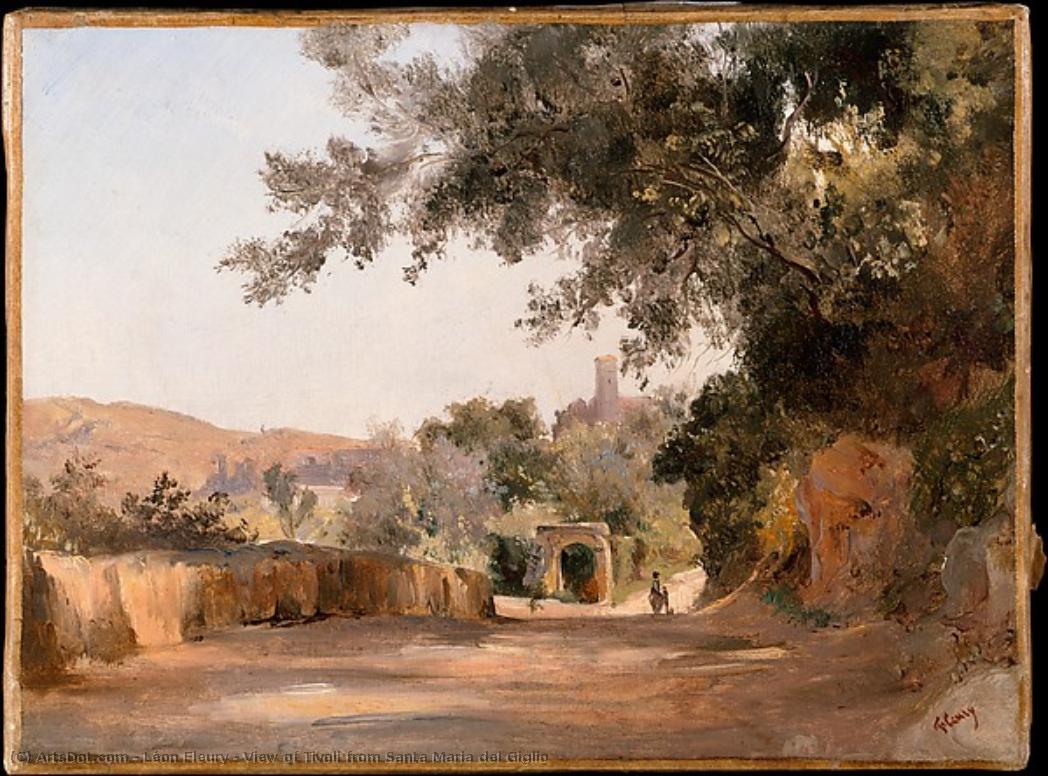
View of Tivoli from Santa Maria del Giglio
 Acrylic On Canvas
- WallArt
- Baroque
 1827
1827 20.0 x 26.0 cm
 Metropolitan Museum of Art
 Pročitaj više
Kupite digitalnu sliku visoke rezolucije i poboljšanog kvaliteta, koja je znatno superiornija od onoga što vidite u online prikazu.
Svaka datoteka je pedantno pripremljena od strane naših stručnjaka koristeći napredne alate i profesionalnu ručnu retušu. Osiguravamo da svaka slika ima izuzetnu oštrinu, preciznu reprodukciju boja i fine detalje.
Konačna datoteka se dostavlja putem e-pošte u roku od 72 sata, optimizovana za neposrednu upotrebu u profesionalnim, izdavačkim i štamparskim okruženjima. To je isti kvalitet kojem veruju vrhunski studiji dizajna, izdavači i galerije.
Digitalna slika
Preuzmite datoteku visoke rezolucije za ličnu upotrebu, štampanje i kreativne projekte. ( Kupi print Kupi ručno naslikanu sliku)
Uključeno uz svaku porudžbinu digitalne slike
Profesionalna digitalna isporuka, zagarantovana
Kada odaberete ArtsDot.com, ne dobijate samo sliku – vi primate profesionalno unapređeno digitalno umetničko delo, izrađeno sa najvećom preciznošću i uz garanciju zadovoljstva. Evo svega što automatski dolazi uz vašu porudžbinu:

Brza dostava putem e-pošte
Vaša digitalna slika visoke rezolucije biće vam poslata putem e-pošte u roku od 72 sata od poručivanja – spremna za trenutnu upotrebu.

Digitalna datoteka unapređena veštačkom inteligencijom
Vaše umetničko delo je profesionalno optimizovano korišćenjem naprednih AI alata i ručne obrade, čime se osiguravaju maksimalni detalji, oštrina i preciznost boja.

Besplatna ponovna isporuka doživotno
Slučajno ste obrisali ili izgubili svoju datoteku? Ne brinite – poslaćemo vam je ponovo u bilo kom trenutku, potpuno besplatno.

Bez troškova uvoza – zauvek
Uživajte u svojim umetničkim delima trenutno, bez carine, dažbina ili troškova dostave – digitalni download je uvek bez poreza.

Garancija vernosti boja
Uz pomoć profesionalnih alata i upravljanja bojama, osiguravamo da vaša digitalna slika što vernije odražava originalne boje.

Garancija zadovoljstva u roku od 60 dana
Ako niste zadovoljni svojom digitalnom slikom, revidirat ćemo je ili vratiti 100% novca u roku od 60 dana – bez ikakvih pitanja.

100% garancija povrata novca
Niste zadovoljni? Obezbedite pun povrat novca u roku od 60 dana od trenutka kada ste primili svoju digitalnu datoteku – bez suvišnih pitanja.

Popusti na velike porudžbine
Kupite 3 slike, uštedite 10% - Kupite 5 slika, uštedite 15% - Kupite 10+ slika, uštedite 20%. Odlično za kreativne projekte, galerije i agencije.
Opis kolekcionarskog dela
A Window Into Venetian Baroque Splendor: Fleury's "View of Tivoli from Santa Maria del Giglio"
Fleury’s “View of Tivoli from Santa Maria del Giglio” isn’t merely a landscape painting; it’s a carefully crafted distillation of artistic ideals and humanist observation, reflecting the burgeoning spirit of Enlightenment Italy. Completed in 1827, shortly after Fleury joined Corot's influential Venetian expedition, this serene vista embodies the stylistic convergence of two titans – Corot’s monumental grandeur tempered by Fleury’s meticulous attention to detail. The painting captures a moment of quiet contemplation amidst the vibrant tapestry of Tivoli, a hilltop town nestled in Lazio, Italy—a location chosen deliberately by Corot and Fleury as a symbol of harmonious beauty and intellectual curiosity.- Style & Technique: Fleury’s approach distinguishes itself from Corot's expansive canvases with a remarkable level of finish achieved through studio painting rather than plein air sketching. This technique prioritizes tonal subtlety and nuanced color gradations—a hallmark of Venetian Baroque, where artists sought to emulate the luminous effects of candlelight within churches like Santa Maria del Giglio. The artist skillfully employs glazing techniques, layering thin washes of pigment over underpaintings to create depth and luminosity, mirroring the architectural grandeur of Tivoli’s basilica.
- Composition & Symbolism: The roadway dominates the scene, drawing the eye upwards towards the distant hills—a compositional device reminiscent of classical landscape traditions that emphasized perspective and subliminal beauty. The positioning of the trees flanking the road serves as a visual anchor, grounding the composition while simultaneously conveying a sense of tranquility and order. More subtly, Fleury’s depiction of Tivoli reflects the humanist fascination with observation and understanding the natural world—a core principle championed by thinkers like Voltaire and Rousseau during the era.
- Historical Context: Painted against the backdrop of the First Italian War of Independence, “View of Tivoli” speaks to a period marked by political upheaval and artistic renewal. The war itself fueled national sentiment and galvanized artists like Fleury to explore themes of liberty and heroism—albeit filtered through the lens of aesthetic contemplation rather than direct engagement in military action. Corot’s presence alongside Fleury underscores the broader cultural dialogue occurring at the time, as artists wrestled with reconciling tradition and innovation.
- The Basilica's Influence: The painting’s title references Santa Maria del Giglio, Venice’s magnificent basilica—a building renowned for its soaring interior space and masterful frescoes by Tintoretto and Rubens. Fleury’s depiction of Tivoli subtly echoes the basilica’s architectural grandeur, suggesting a desire to capture not just visual beauty but also spiritual resonance. The basilica itself served as a focal point for artistic inspiration during the Baroque period, embodying ideals of faith and majesty.
- Emotional Impact: Ultimately, “View of Tivoli from Santa Maria del Giglio” transcends mere representation; it evokes a profound sense of peace and serenity—a testament to Fleury’s ability to translate intellectual contemplation into visual splendor. The muted palette and harmonious composition invite viewers to immerse themselves in the beauty of the landscape, fostering a feeling of contemplative wonder akin to that experienced within the sacred spaces of Venice.
Srodna umetnička dela




Biografija umetnika
Early Life and Artistic Foundations
François Antoine Léon Fleury, born in Paris around 1804, emerged from a lineage steeped in artistic tradition. His father, Antoine Claude Fleury, served as his initial mentor, laying the groundwork for a career that would blossom into serene depictions of the French countryside and beyond. This early familial influence proved pivotal, instilling within young Léon a foundational understanding of painting techniques and an appreciation for landscape as a subject worthy of dedicated study. However, his formal training extended beyond the paternal studio; he continued honing his skills under the tutelage of Jean-Victor Bertin at the prestigious École des Beaux-Arts in Paris. This academic grounding provided structure to his natural talent, preparing him for a life devoted to capturing the nuances of light and atmosphere.
A Wanderer’s Eye: Sketching Tours and Italian Inspiration
The period between 1827 and 1830 marked a crucial phase in Fleury's development—a time dedicated to immersive sketching tours across France and its neighboring countries. These journeys were not merely geographical explorations but rather artistic pilgrimages, undertaken with the express purpose of observing and documenting the diverse beauty of the European landscape. This period culminated in a transformative sojourn to Italy, where he encountered fellow artists like Théodore Caruelle d’Aligny and Camille Corot. The shared practice of *plein air* painting—sketching directly from nature—forged strong bonds and fostered a stylistic kinship among them. Indeed, the works produced during this Italian period often exhibit such similarities that discerning individual authorship can prove challenging, a testament to their collective pursuit of capturing fleeting moments of natural light and form.
Bridging Landscape with Religious Themes
While primarily recognized as a landscape painter, Fleury demonstrated versatility by occasionally venturing into figural compositions. Notably, he undertook commissions for religious works, including the painting of ‘The Baptism of Christ’ in the church of St. Marguerite and ‘St. Genevieve’ at St. Étienne-du-Mont in Paris. These projects reveal an ability to translate his sensitivity to atmosphere and composition—honed through landscape work—to narrative scenes imbued with spiritual significance. However, it was his landscapes that truly defined his artistic identity, capturing the essence of rural France with a quiet intimacy.
The Barbizon School & Artistic Legacy
Fleury’s style aligns closely with the principles of the Barbizon school, a group of French landscape painters who rejected the idealized classicism prevalent in academic art. Instead, they championed direct observation of nature and sought to depict scenes with honesty and realism. His paintings are characterized by muted colors, atmospheric perspective, and loose brushstrokes—techniques employed to convey the feeling and mood of a place rather than precise topographical detail. He regularly exhibited at the Salon between 1831 and 1855, earning recognition for his evocative depictions of the countryside, including bronze and silver medals in 1834 and 1837 respectively, culminating in a gold medal in 1845.
A Lasting Impression: Fleury’s Place in Art History
Although not as widely celebrated as some of his Barbizon contemporaries, Léon Fleury occupies an important position within the development of French Romantic landscape painting. His serene scenes offer a glimpse into the beauty of 19th-century France and reflect a growing appreciation for the natural world. His dedication to *plein air* painting paved the way for later Impressionist movements, influencing artists who sought to capture the ephemeral qualities of light and color. Fleury’s works continue to resonate with viewers today, offering a tranquil escape into the idyllic landscapes he so skillfully portrayed. His paintings can be found in museums such as the National Gallery of Art in Washington D.C., and are treasured for their quiet beauty and atmospheric depth.
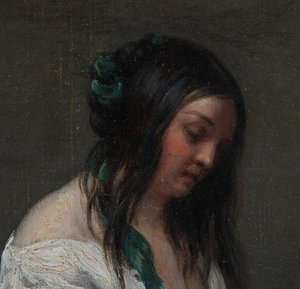
léon fleury
1804 - 1858 , France
Kratke činjenice
- Artistic Movement Or Style: Romantic Landscape Art
- Artists Who Influenced This Artist:
- Antoine Claude Fleury
- Jean-Victor Bertin
- Date Of Birth: 1804
- Date Of Death: 1858
- Full Name: François Antoine Léon Fleury
- Nationality: French
- Notable Artworks:
- Baptism of Christ
- A Village on Ischia
- View of Tivoli
- Place Of Birth: Paris, France

