

 Pregledaj u prostoru
 Pošalji
 Podeli
 Detalji o delu

 Преузми
 Slični predmeti
 Rendgenski snimak
 Slajdovi
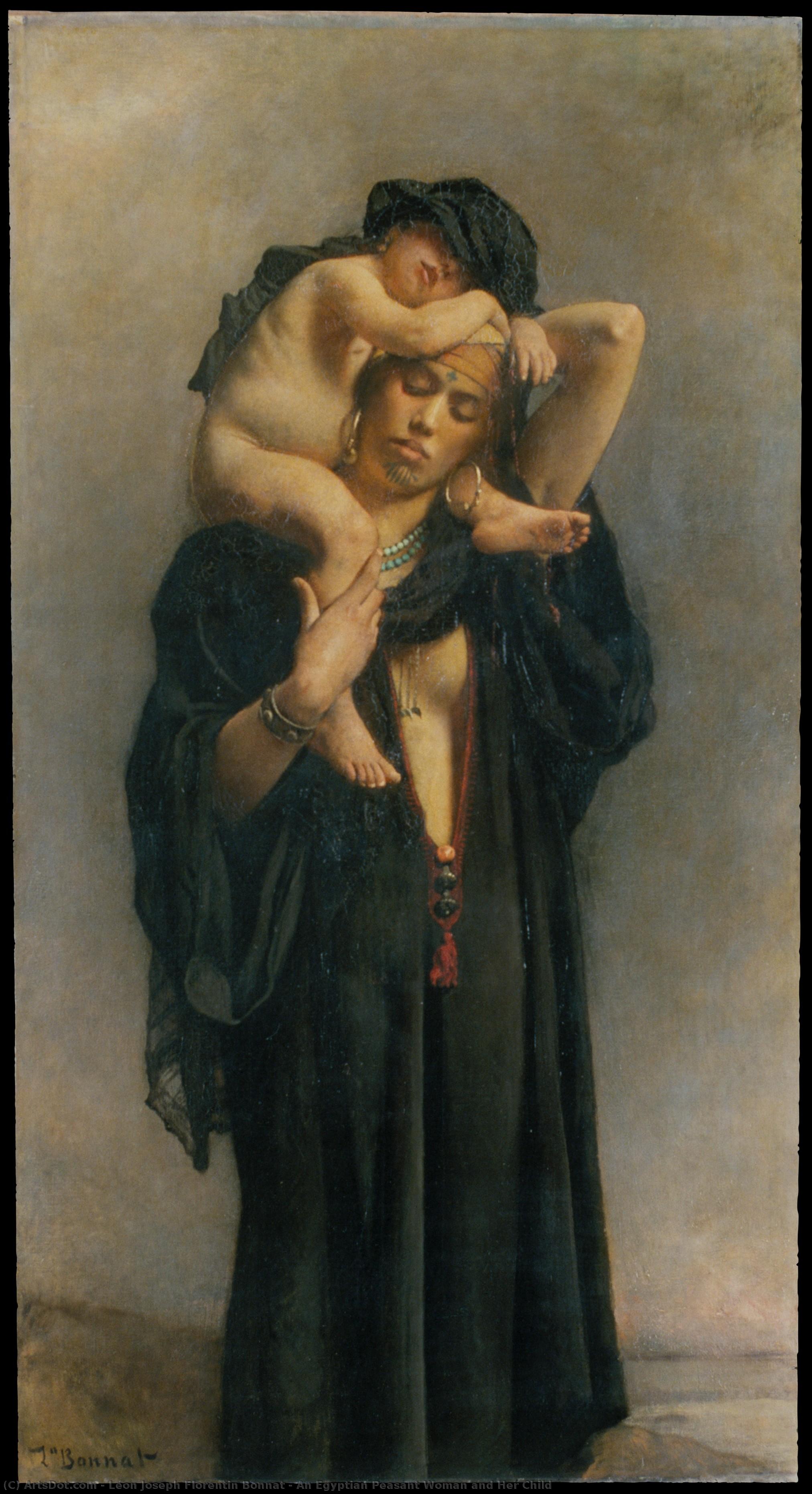
An Egyptian Peasant Woman and Her Child
 Oil On Canvas
- WallArt
- Impressionistic Realism
 1869
1869- 19th Century
 187.0 x 105.0 cm
 Metropolitan Museum of Art
 Pročitaj više
Ručno rađena uljana reprodukcija
Ručno oslikano uljanim bojama na platnu u dimenzijama i okviru po vašem izboru, izrađeno po porudžbini od strane naših umetnika. ( Kupi print Kupi digitalnu sliku)




P118B $10

P118H $10

P118W $10

P438Z $10

P508JH $12

P508YH $12

P805H $10

P805Z $10

P919BZ $10

P919G $10

P919XJ $10

P959ZH $10

P968JZ $12

W106C $8

W218G $10

W218JH $8

W218Y $10

W307PJ $10

W316G $10

W316PJ $8

W316Y $10

W398PJ $8

W4111J $10

W500HY $15

W500JH $15

W692G $12

W849H $8

W940BG $15

W953PJ $8




Izaberite jednu od naših unapred definisanih veličina koje odgovaraju originalnim proporcijama umetničkog dela.

Можете унети сопствене димензије како бисте прилагодили дело одређеном оквиру или простору. Ако одабрана величина не одговара пропорцијама оригинала, слика ће бити исечена или проширена додатним елементима који се ручно насликавају. Дигитални prikaz ће вам бити послат на одобрење пре почетка производње.
Имајте на уму да преглед на екрану не одражава стварно исецање или проширење. Само приказ (mockup) ће тачно приказати коначну композицију.
Иако су доступне прилагођене величине, препоручујемо да одаберете димензију из дефинисане листе како бисте сачували оригиналне пропорције.
Nakon narudžbine, tim ArtsDot.com će klijentu putem e-pošte poslati uputstva i dostaviti prikaz predloženog rešenja
Isporuka širom sveta () za 3/4 nedelje umesto uobičajenih 5 nedelja. (27 август). Bez kompromisa po pitanju kvaliteta.

Besplatna ekspresna dostava širom sveta

Visokokvalitetno laneno platno

Kompletno osiguranje transporta

Garancija povraćaja carine i uvoznih dažbina

Garancija vernosti boja

Politika povrata u roku od 60 dana (samo u slučaju nedostataka)

Garancija povrata novca od 100%

Popust pri grupnoj kupovini
 Opcija sa staklom dostupna je samo za dimenzije manje od 110 cm

An Egyptian Peasant Woman and Her Child
Tehnika reprodukcije
Dimenzije reprodukcije
-


Konačna cena
$ 263
A Glimpse into an Exotic Life: Bonnat's Study of Egyptian Dignity
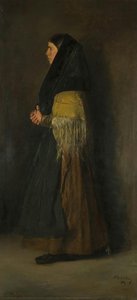
To stand before An Egyptian Peasant Woman and Her Child is to be transported across continents and decades, drawn into the quiet intimacy of a moment captured under the bright sun of Egypt. Léon Joseph Florentin Bonnat’s masterful study, dating from 1869, transcends mere portraiture; it is an anthropological meditation rendered with profound artistic sensitivity. The subject matter itself—a peasant woman cradling her child against a simple, textured wall—speaks volumes about resilience, maternal bond, and the enduring dignity of human life far removed from Parisian salons. Bonnat did not merely paint what he saw; he seemed to absorb the very spirit of his subjects during his time in Egypt for the opening ceremony of the Suez Canal, imbuing the canvas with an authenticity that continues to resonate today.
Mastery of Form and Figure
Technically, Bonnat demonstrates a remarkable command over figure painting. The composition is beautifully balanced, drawing the viewer's eye immediately to the connection between mother and child. Observe the subtle interplay of light and shadow across the woman’s traditional Egyptian garments; these folds are rendered with an almost sculptural quality, giving weight and grace to the fabric. The artist pays meticulous attention to the physicality of both figures—the gentle curve of the baby resting upon her shoulder, the steady gaze that anchors the mother to her surroundings. This is not a fleeting sketch, but a deeply considered study, evidenced by the full-length oil study known to exist in the Musée Bonnat, suggesting an exhaustive dedication to perfecting every gesture and contour.
Historical Resonance and Enduring Appeal
The painting’s reception speaks volumes about its power. Praised at the Paris Salon the following year and again upon its exhibition in New York in 1876, it proved itself a work of lasting merit. When bequeathed to the Metropolitan Museum, critics noted its "wonderful dignity, sobriety, strength, and beauty." This recognition underscores how Bonnat managed to elevate ethnographic study into high art. For the modern collector or designer, this piece offers more than decoration; it offers a narrative anchor—a window into a specific moment of human connection that has withstood the test of time.
Symbolism of Connection and Strength
The emotional core of An Egyptian Peasant Woman and Her Child lies in its palpable sense of love. The physical closeness between the figures acts as a powerful symbol of continuity and mutual reliance. The background wall, while simple, serves to ground this tender moment, suggesting that even against an austere backdrop, life flourishes with inherent beauty. Owning a reproduction of this work allows one to bring home not just the image of two people, but the very feeling of quiet strength—a timeless testament to familial bonds that echo through history and culture.
Srodna umetnička dela


Biografija umetnika
Léon Joseph Florentin Bonnat: Life and Legacy
Early Life and Artistic Beginnings
Léon Joseph Florentin Bonnat was born in Bayonne, France, in 1833 and passed away in 1922. His early life took an interesting turn when his family moved to Madrid in 1846, where his father established a bookshop. This relocation proved pivotal for the young Bonnat’s artistic development. While assisting in the shop, he diligently copied engravings of works by Old Masters, fostering a deep passion for drawing and laying the foundation for his future career. He received formal training under Madrazo in Madrid before returning to Paris.Training and Influences
In Paris, Bonnat sought further refinement of his skills, studying under prominent history painters Paul Delaroche and Léon Cogniet. Despite several attempts, he was not immediately accepted into the prestigious École des Beaux-Arts through the Prix de Rome competition. However, a scholarship from Bayonne enabled him to spend three years in Rome (1858–60), an experience that profoundly shaped his artistic vision. During this period, he forged friendships with fellow artists like Edgar Degas, Gustave Moreau, and sculptor Henri Chapu. Bonnat’s style was heavily influenced by the Spanish masters – particularly Velázquez and Jusepe de Ribera – as well as artists like Titian and Van Dyck, whose works he meticulously studied in the Prado Museum.Artistic Development and Style
Bonnat quickly established himself as a leading portraitist in Paris, consistently receiving commissions. His portraits reflect the influence of his admired Spanish predecessors, characterized by realism, dramatic lighting, and psychological depth. He also explored religious themes and genre paintings depicting Italian peasants, and occasionally ventured into Orientalist scenes. Bonnat’s work is marked by a stark naturalism and a lack of excessive surface finish, qualities praised by critics like Théophile Gautier, who contrasted him favorably with the more polished style of Bouguereau.Major Achievements and Recognition
Bonnat achieved significant recognition throughout his career. He received a Medal of Honor in Paris in 1869 and was appointed Grand Officer of the Légion d'honneur. In 1882, he became a professor at the École des Beaux-Arts, where he mentored numerous aspiring artists, including John Singer Sargent, Toulouse-Lautrec, and Gustave Caillebotte. He eventually succeeded Paul Dubois as director of the École in 1905. Bonnat’s teaching philosophy emphasized simplicity, overall effect, and rigorous drawing skills. His most important works include religious paintings such as *Christ on the Cross*, *Job*, and *St Vincent taking the place of two galley slaves*.Historical Significance and Legacy
Bonnat occupied a unique position within the art world of his time, bridging the gap between academic painting and the emerging Impressionist movement. He was a member of the Institute, holding administrative power over the Academy and École des Beaux-Arts. Despite this affiliation with traditional institutions, he supported independent artists like Edgar Degas, Auguste Rodin, and even defended Gustave Courbet’s submissions to the Salon. In a testament to his gratitude for early support, Bonnat founded the Musée Bonnat in his hometown of Bayonne, housing an exceptional collection of Old Master drawings alongside his own works. His legacy endures through his paintings, his influential teaching career, and the museum he established, preserving artistic heritage for future generations.Notable Works
- Jacob Wrestling with the Angel
- Job
- Christ on the Cross
- Portrait of Prince Viacheslav Tenishev
- Pasteur and his granddaughter Camille Vallery-Radot
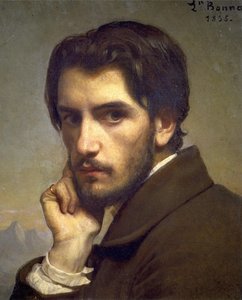
léon joseph florentin bonnat
1833 - 1922
Osnovne informacije
- Birth_Date: 1833
- Birth_Place: Bayonne, France
- Death_Date: 1922
- Influenced:
- John Singer Sargent
- Henri de Toulouse-Lautrec
- Influenced_By:
- Velázquez
- Jusepe de Ribera
- Titian
- Van Dyck
- Movement: Realism, Academic art
- Name: Léon Joseph Florentin Bonnat
- Nationality: French
- Notable_Works:
- Jacob Wrestling with the Angel
- Job
- Christ on the Cross
Povezani članci
Léon Bonnat: Realism, Academic Mastery & the Depths of Portraiture
Explore the life & work of Léon Bonnat, a leading French Realist painter renowned for his masterful portraits and Spanish Baroque influence. Discover his academic legacy & pursuit of psychological depth in 19th-century art.
Léon Augustin L'Hermitte: Capturing the Soul of French Rural Life
Discover the captivating realist paintings of Léon Augustin L'Hermitte, masterfully depicting French rural life. Explore his technique, influences & legacy – a cornerstone of 19th-century art.

Golden Hour on the Nile: Symbolism & Artistic Legacy of Egyptian Sunsets
Explore the rich symbolism of Egyptian sunset paintings & their artistic legacy. Discover how color, ritual, and landscape shaped ancient beliefs – a guide for discerning collectors.
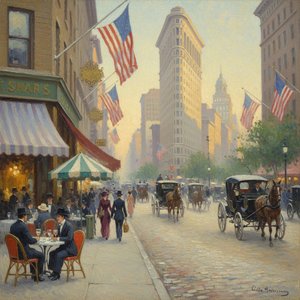
Frederick Childe Hassam: American Impressionism's Chronicler of Light & Modern Life
Explore the captivating world of Frederick Childe Hassam, a pioneer of American Impressionism. Discover his iconic paintings capturing light, urban life & coastal beauty. Learn about his legacy and influence on American art history.
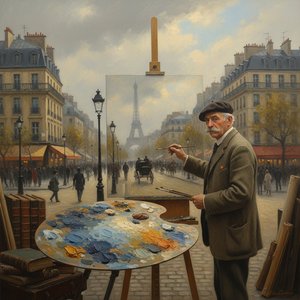
Édouard Cortès: Capturing Parisian Life – A Comprehensive Study of the 'Painter of Paris'
Explore the captivating world of Édouard Cortès, 'The Painter of Paris'. Discover his iconic street scenes, unique style & lasting legacy. Expert insights for collectors and art enthusiasts.

