

 Pošalji
 Podeli
 Detalji o delu

 Преузми
 Slični predmeti
 Slajdovi
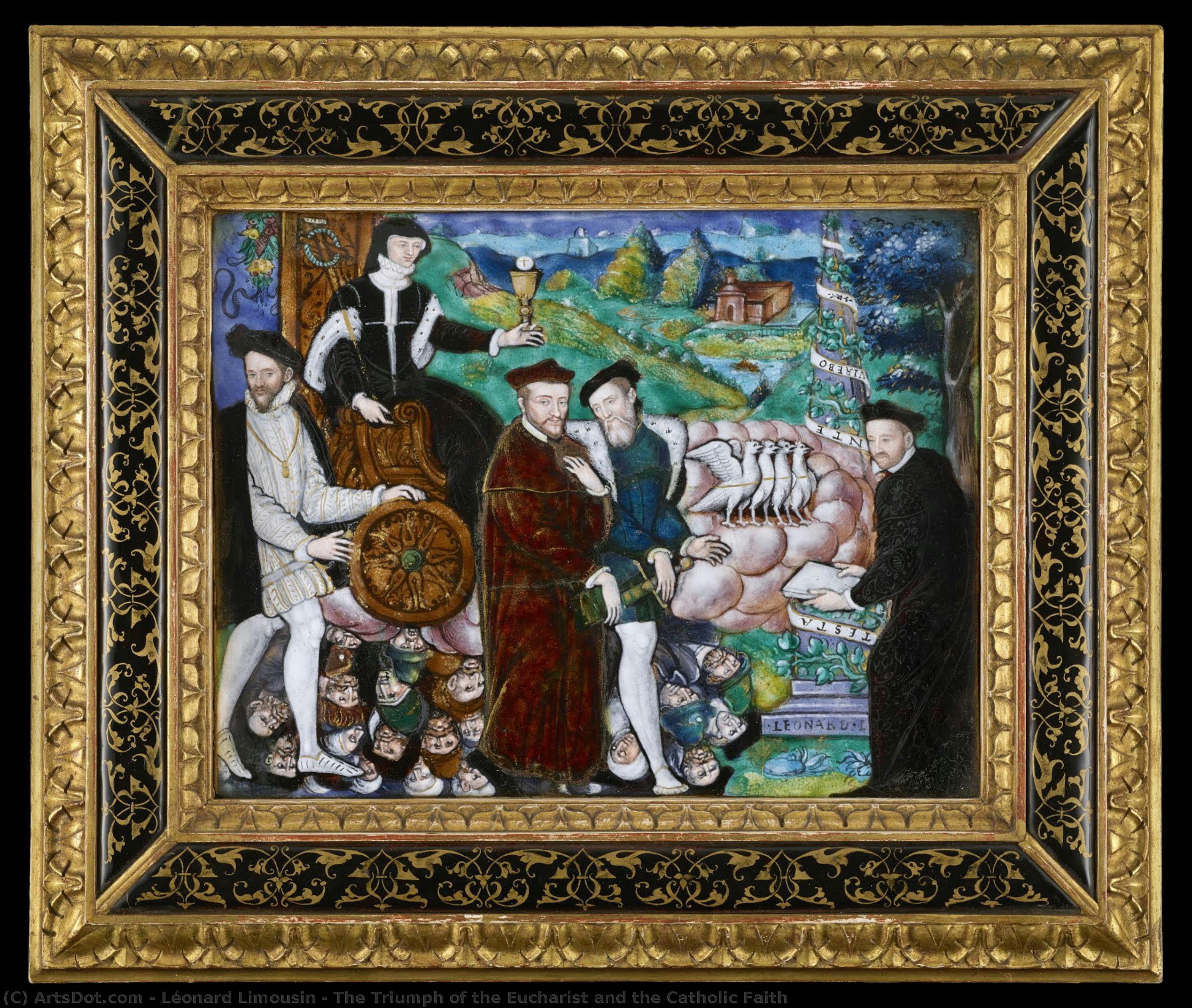
The Triumph of the Eucharist and the Catholic Faith
 Enamel
- Decor
- Renaissance
 1561
1561- Renaissance
 19.0 x 25.0 cm
 The Frick Collection
 Pročitaj više
Ručno rađena uljana reprodukcija
Ručno oslikano uljanim bojama na platnu u dimenzijama i okviru po vašem izboru, izrađeno po porudžbini od strane naših umetnika. ( Kupi print Kupi digitalnu sliku)




































Izaberite jednu od naših unapred definisanih veličina koje odgovaraju originalnim proporcijama umetničkog dela.

Можете унети сопствене димензије како бисте прилагодили дело одређеном оквиру или простору. Ако одабрана величина не одговара пропорцијама оригинала, слика ће бити исечена или проширена додатним елементима који се ручно насликавају. Дигитални prikaz ће вам бити послат на одобрење пре почетка производње.
Имајте на уму да преглед на екрану не одражава стварно исецање или проширење. Само приказ (mockup) ће тачно приказати коначну композицију.
Иако су доступне прилагођене величине, препоручујемо да одаберете димензију из дефинисане листе како бисте сачували оригиналне пропорције.
Nakon narudžbine, tim ArtsDot.com će klijentu putem e-pošte poslati uputstva i dostaviti prikaz predloženog rešenja
Isporuka širom sveta () za 3/4 nedelje umesto uobičajenih 5 nedelja. (31 август). Bez kompromisa po pitanju kvaliteta.

Besplatna ekspresna dostava širom sveta

Visokokvalitetno laneno platno

Kompletno osiguranje transporta

Garancija povraćaja carine i uvoznih dažbina

Garancija vernosti boja

Politika povrata u roku od 60 dana (samo u slučaju nedostataka)

Garancija povrata novca od 100%

Popust pri grupnoj kupovini
 Opcija sa staklom dostupna je samo za dimenzije manje od 110 cm

The Triumph of the Eucharist and the Catholic Faith
Tehnika reprodukcije
Dimenzije reprodukcije
-


Konačna cena
$ 263
A Masterpiece of Enamel and Devotion
To behold The Triumph of the Eucharist and the Catholic Faith is to witness a breathtaking moment where metallurgy meets theology. Created in 1561 by the master artisan Léonard Limousin, this exquisite plaque serves as more than just a decorative object; it is a vibrant, luminous window into the turbulent religious landscape of the French Renaissance. Through the delicate medium of Limoges enamel—a sophisticated marriage of powdered glass and heated metal—Limousin captures a complex narrative of power, piety, and political struggle. The piece radiates with an ethereal glow, a hallmark of the Limoges technique, which allows colors to appear as if they are lit from within, making it a captivating centerpiece for any collection dedicated to the grandeur of historical fine arts.
The composition is a masterful display of allegorical storytelling, centered around the influential Guise family. At the heart of this enamel drama, we find Jean de Guise, the Cardinal of Lorraine, draped in his cardinal red robes, walking alongside his brother, Claude, the first Duke of Guise. The scene is one of triumphant movement, yet it carries a heavy weight of historical tension. Behind them, a chariot bearing Antoinette de Bourbon surges forward, trampling symbols of Protestant dissent underfoot. As she holds aloft the chalice and host, the painting becomes a profound visual defense of the doctrine of transubstantiation. Every figure, from the advancing François to the scholarly Charles, contributes to a sense of inevitable momentum, illustrating the family's role in steering the course of the Counter-Reformation.
Symbolism and the Art of Persuasion
Every brushstroke of enamel in this work is imbued with deep symbolic meaning, designed to persuade and inspire. The artist utilizes a rich palette to distinguish between the sacred and the profane, using the brilliance of the gold and red tones to elevate the Catholic figures above the chaos of religious conflict. The presence of the ivy-covered obelisk at the edge of the frame, bearing the Latin motto TE STANTE VIREBO ("With you standing, I shall flourish"), serves as a poignant metaphor for the symbiotic relationship between the Guise lineage and the Church. This subtle inclusion transforms the plaque from a mere family portrait into a political manifesto, where personal legacy and religious truth are inextricably linked.
For the discerning collector or interior designer, this reproduction offers an unparalleled opportunity to introduce a sense of historical gravity and intellectual depth into a space. The intricate details—the texture of the cardinal's robes, the dramatic motion of the chariot, and the delicate interplay of light on the enamel surface—provide endless points of visual interest. Whether placed in a formal study, a curated gallery, or a sophisticated living area, this work evokes an era of profound transformation. It is not merely a decoration but a conversation piece that invites viewers to contemplate the enduring struggle between faith and upheaval, making it a timeless addition to any high-end art collection.
Srodna umetnička dela
Biografija umetnika
The Luminous Craft of Léonard Limousin
To encounter the work of Léonard Limousin is to step into a world where artistry and metallurgy achieved a breathtaking, luminous union. He was more than merely a painter; he was a master artisan whose touch transformed enamel—a delicate marriage of glass and metal—into narratives of profound beauty. As a prominent figure within a celebrated family of Limoges enamel painters, his skill placed him at the zenith of French decorative arts during the Renaissance. Though born in France, his artistic journey was one of rich absorption, drawing inspiration from disparate cultural wells to forge a style uniquely his own.
Echoes of Influence and Early Mastery
Limousin’s early development reveals a fascinating dialogue between geographical influences. While his foundational training may have been rooted in the traditions of the German school, evidenced by his early plaques depicting the Passion of the Lord after Albrecht Dürer, his vision was rapidly broadened. His exposure to the grand masters of Italy—artists such as Primaticcio, Rosso, Giulio Romano, and Andrea Solari—imprinted upon him a deep appreciation for arabesque ornamentation and the rich mythology that permeated Italian Renaissance art. Yet, what distinguishes Limousin is how he managed this influx of foreign styles; his inherent French tradition proved strong enough to anchor his genius, preventing him from becoming a mere echo of others.
Royal Patronage and Artistic Zenith
His career blossomed under the patronage of royalty, solidifying his reputation as an artist of immense consequence. Entering the service of Francis I, where he served not only as a painter but also as a varlet de chambre, Limousin maintained this esteemed position through the reign of Henry II. It was during these years that his technical prowess shone brightest across various commissions. He created exquisite portraits in enamel, notably those depicting figures like Diane de Poitiers in diverse guises. His output spanned an array of forms—from grand plaques and elegant vases to delicate ewers and cups—all destined for the most magnificent royal palaces.
Enduring Legacy on Sacred Art
Perhaps the most enduring testament to his genius lies within the sacred commissions. The two famous votive tablets housed at the Sainte Chapelle in the Louvre stand as monumental achievements, each comprising twenty-three plaques and bearing his signature, L.L., dated 1553. These works showcase his ability to merge intense religious devotion with unparalleled technical finesse. Beyond these masterpieces, representative examples of his breathtaking enamel work can be found in the collections at Cluny and the Limoges museums, while institutions such as the Victoria and Albert Museum and the British Museum further attest to the breadth and quality of his contribution to art history.

léonard limousin
France
Osnovne informacije
- Artistic Movement Or Style: World Goes Pop
- Artists Or Movements Influenced By This Artist: ['Influenced by pop art movement']
- Artists Who Influenced This Artist: ['Influenced by diverse artists in The World Goes Pop exhibition']
- Date Of Death: Living
- Notable Artworks: ['Various works featured in The World Goes Pop exhibition']
- Place Of Birth: WahooArt
Povezani članci
Evolving Portraits: Personalized Art as a Chronicle of Family Life Across Generations
Create a timeless family legacy with custom portraits! ArtsDot connects you with skilled artists for heirloom-quality paintings & prints. Explore styles, commission your unique artwork today.

The Enduring Legacy of Family Portraiture: A Historical & Artistic Exploration
Explore the rich history of family portraiture with ArtsDot. Discover artistic styles, symbolism & collecting insights. Commission a custom oil painting or appraise your existing artwork today!

Porodica u sliku: Vekovni portret generacija – inspirativni vodič za mame
Otkrijte kako da sa profesionalnim umetnikom stvorite generacijski porodični portret koji čuva ličnu baštinu. Naš tim stručnjaka garantuje autentičnost, kvalitet i pouzdanost – vašim najdražim trenucima u platnom obliku.

Depicting Kinship: Family Values Across Artistic Movements & Historical Contexts
Explore the rich history of depicting kinship in art! From Dutch Masters to contemporary artists, discover how family values have been represented across movements & time. Expert insights for collectors at ArtsDot.
Sacred Narratives Embodied: A Comprehensive Exploration of Religious Iconography in Art History
Explore the rich history of religious iconography in art! Discover symbolism, movements & masterpieces from Byzantine to Renaissance periods. Expert insights for collectors and enthusiasts at ArtsDot.

