

 Pregledaj u prostoru
 Pošalji
 Podeli
 Detalji o delu

 Преузми
 Slični predmeti
 Rendgenski snimak
 Slajdovi
 Stats
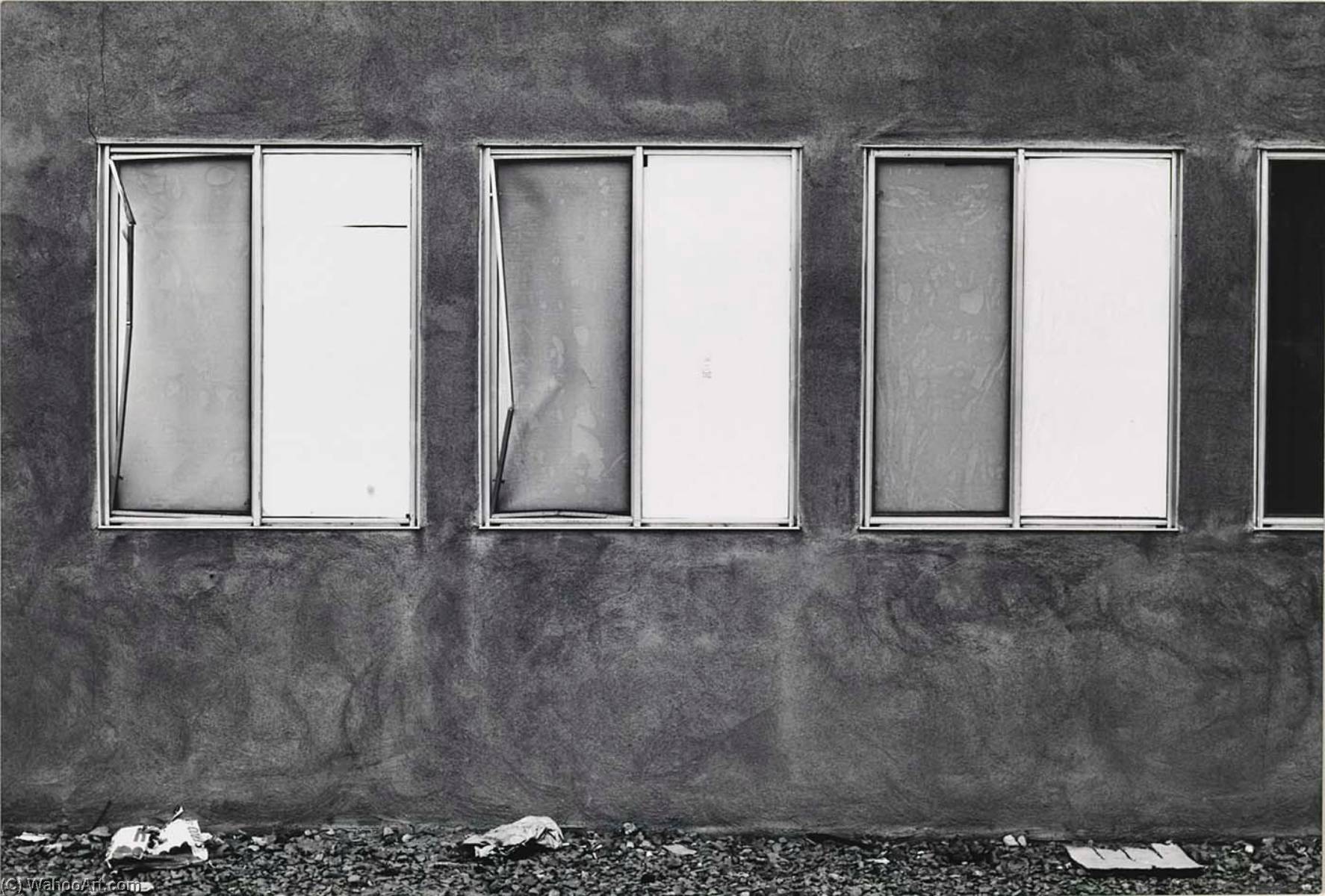
StatsPublic Places Berkeley, California ( 1A)
 1972
1972 15.0 x 23.0 cm
 Pročitaj više
Giclee štampa / Umetnički otisak
Giclée štampa ili print na platnu muzejskog kvaliteta uz brzu proizvodnju i fleksibilne opcije završne obrade. ( Kupi ručno naslikanu sliku Switch to Digital Image)




































Izaberite jednu od naših unapred definisanih veličina koje odgovaraju originalnim proporcijama umetničkog dela.

Možete uneti sopstvene dimenzije kako biste umetničko delo prilagodili specifičnom okviru ili prostoru. Ako odabrani format ne odgovara proporcijama originalne slike, mi ćemo ili iscrtati deo dela ili proširiti sliku pomoću ogledane ivice ili jednobojnog popunjavanja. Digitalni prikaz će vam biti poslat na odobrenje pre početka proizvodnje.
Imajte na umu da pregled na ekranu ne odražava stvarno iscrtavanje ili proširivanje. Samo će prikaz (mockup) precizno pokazati finalnu kompoziciju.
Iako su prilagođene dimenzije dostupne, preporučujemo da odaberete dimenziju sa unapred definisane liste kako biste očuvali originalne proporcije.
Dostava širom sveta () za 2 nedelje umesto uobičajenih 4/5 nedelja. (8 септембар)

Besplatna ekspresna dostava širom sveta

Visokokvalitetno laneno platno

Kompletno osiguranje transporta

Garancija povraćaja carine i uvoznih dažbina

Garancija vernosti boja

Politika povraćaja u roku od 100 dana (isključivo u slučaju nedostataka)

Garancija povrata novca od 100%

Popust pri grupnoj kupovini
 Opcija sa staklom dostupna je samo za dimenzije manje od 110 cm

Public Places Berkeley, California ( 1A)
Giclee štampa / Umetnički otisak
Dimenzije reprodukcije
-


Konačna cena
$ 62
Srodna umetnička dela









Biografija umetnika
The Quiet Power of Desolation
Lewis Baltz (1945-2014) stands as a cornerstone of the New Topographics movement, an artistic reaction to landscape painting’s romanticized depictions of nature in the wake of Abstract Expressionism. Rather than celebrating vistas and grandeur, Baltz confronted the pervasive emptiness of American industrial spaces—office buildings, parking lots, factories—transform im into subjects of profound contemplation. His photographs are not merely documentation; they are meditations on control, power dynamics, and the subtle psychological impact of these environments on human experience.
Born in Newport Beach, California, Baltz pursued formal artistic training diligently, earning a BFA from San Francisco Art Institute in 1969 followed by an MFA from Claremont Graduate School. Recognizing his talent early, he benefited from prestigious scholarships including those awarded by the National Endowment for the Arts and the Guggenheim Memorial Fellowship, fueling his ambition to explore uncharted territories within visual art. These grants provided invaluable resources for honing his craft and furthering his artistic vision.
A New Vision of the Man-Altered Landscape
Baltz’s photographic journey began in earnest during the late 1970s when he embraced the New Topographics aesthetic—characterized by black-and-white prints executed with meticulous precision. This movement sought to present a less innocent view of the landscape, challenging the nineteenth-century tradition of Western landscape photography represented by figures like Ansel Adams. Where the old guard captured the sublimity of mountains and shorelines, Baltz revealed the banality of the Golden State’s dead shopping malls and parking lots with a profound, postmodern detachment.
His work often took the form of monographic series or published portfolios that focused on specific geographic areas. These collections served as a visual inventory of suburban sprawl and industrial expansion. Notable achievements in his career include:
- The New Industrial Parks Near Irvine, California (1974): A seminal filmic sequence where massive industrial buildings abruptly rise from open fields, capturing the encroachment of industry on nature.
- Nevada (1978): A stark exploration of the desert landscape, stripped of human presence and traditional romanticism.
- Park City (1980): An examination of the changing topography of mountain landscapes.
Technique, Evolution, and Legacy
The technical execution of Baltz's work was marked by a certain stylistic anonymity, a method that allowed the subject matter to speak through a lens of objective, almost clinical observation. His early black-and-white prints possessed an unsettling stillness, often employing a precision that captured both spatial accuracy and a sense of psychological weight. As his career progressed into the 1980s, Baltz began to experiment with color, expanding his visual vocabulary to include more complex urban landscapes in Europe.
Beyond his solo photographic series, Baltz’s influence extended through teaching at prestigious institutions such as Yale and the California Institute of the Arts, as well as through collaborative projects. His later work often delved into themes of desire, power, and even the aesthetics of true crime, demonstrating a restless intellectual curiosity that refused to remain static. Having lived his final years between Venice, Italy, and Paris, France, he left behind a legacy that continues to challenge how we perceive the boundaries between the natural world and the man-made structures that increasingly define our existence.
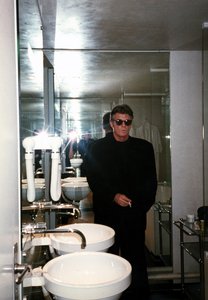
Lewis Baltz
1945 - 2014 , United States of America
Osnovne informacije
- Artistic Movement Or Style: New Topographics
- Artists Or Movements Influenced By This Artist: ['Minimalism']
- Artists Who Influenced This Artist:
- Robert Adams
- Eli Lautenbach
- Date Of Birth: September 12, 1945
- Date Of Death: November 22, 2014
- Full Name: Lewis Baltz
- Nationality: American
- Notable Artworks:
- Nevada 2. Hidden Valley
- Park City 18. Prospector Village
- Public Places Houston
- Place Of Birth: Newport Beach, United States