

 Pregledaj u prostoru
 Pošalji
 Podeli
 Detalji o delu

 Преузми
 Slični predmeti
 Rendgenski snimak
 Slajdovi
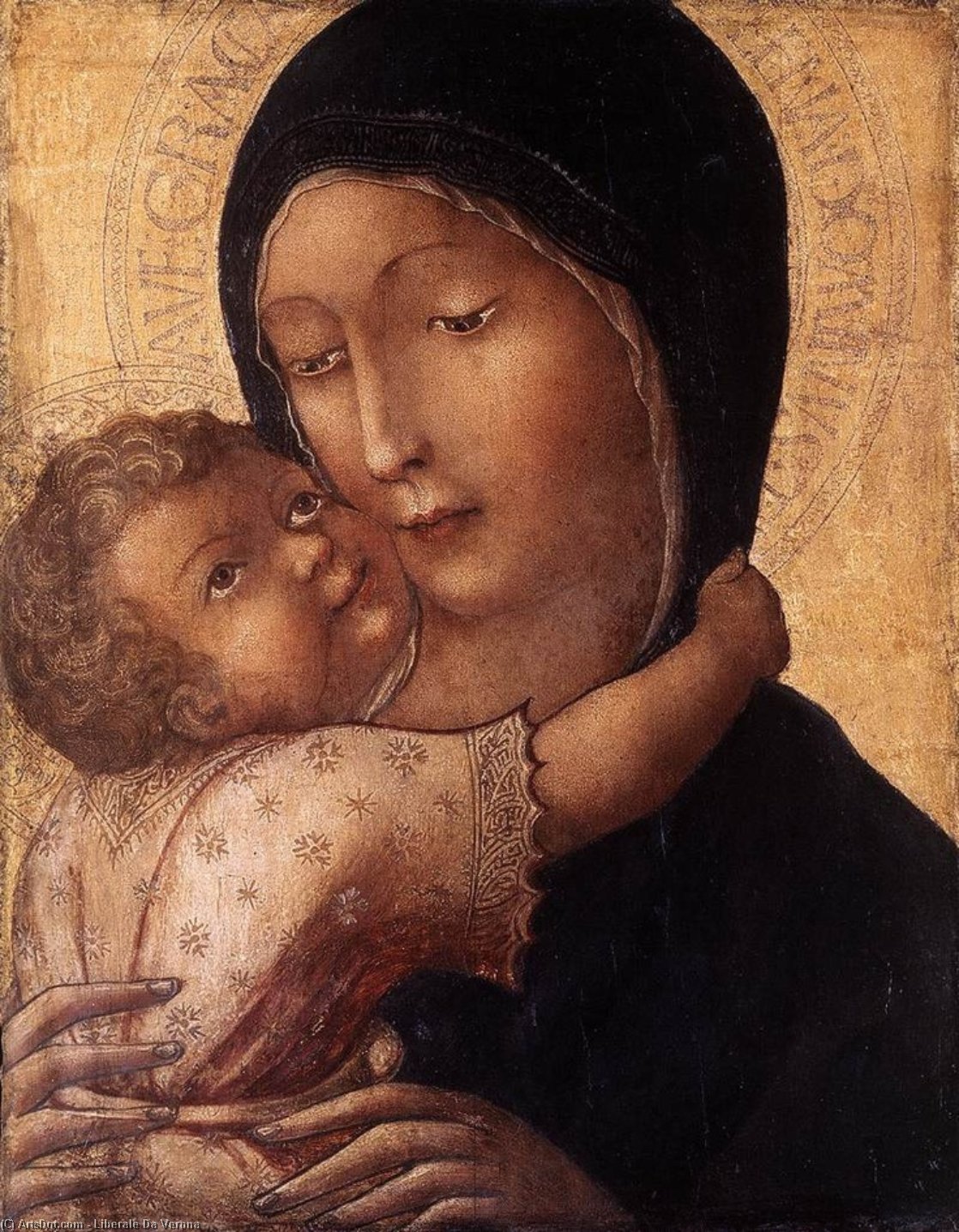
Virgin and Child
 Tempera On Panel
- Early Renaissance
 1470
1470- Renaissance
 47.0 x 38.0 cm
 Lindenau-Museum
 Pročitaj više
Ručno rađena uljana reprodukcija
Ručno oslikano uljanim bojama na platnu u dimenzijama i okviru po vašem izboru, izrađeno po porudžbini od strane naših umetnika. ( Kupi print Kupi digitalnu sliku)




P118B $10

P118H $10

P118W $10

P438Z $10

P508JH $12

P508YH $12

P805H $10

P805Z $10

P919BZ $10

P919G $10

P919XJ $10

P959ZH $10

P968JZ $12

W106C $8

W218G $10

W218JH $8

W218Y $10

W307PJ $10

W316G $10

W316PJ $8

W316Y $10

W398PJ $8

W4111J $10

W500HY $15

W500JH $15

W692G $12

W849H $8

W940BG $15

W953PJ $8




Izaberite jednu od naših unapred definisanih veličina koje odgovaraju originalnim proporcijama umetničkog dela.

Можете унети сопствене димензије како бисте прилагодили дело одређеном оквиру или простору. Ако одабрана величина не одговара пропорцијама оригинала, слика ће бити исечена или проширена додатним елементима који се ручно насликавају. Дигитални prikaz ће вам бити послат на одобрење пре почетка производње.
Имајте на уму да преглед на екрану не одражава стварно исецање или проширење. Само приказ (mockup) ће тачно приказати коначну композицију.
Иако су доступне прилагођене величине, препоручујемо да одаберете димензију из дефинисане листе како бисте сачували оригиналне пропорције.
Nakon narudžbine, tim ArtsDot.com će klijentu putem e-pošte poslati uputstva i dostaviti prikaz predloženog rešenja
Isporuka širom sveta () za 3/4 nedelje umesto uobičajenih 5 nedelja. (7 септембар). Bez kompromisa po pitanju kvaliteta.

Besplatna ekspresna dostava širom sveta

Visokokvalitetno laneno platno

Kompletno osiguranje transporta

Garancija povraćaja carine i uvoznih dažbina

Garancija vernosti boja

Politika povraćaja u roku od 100 dana (isključivo u slučaju nedostataka)

Garancija povrata novca od 100%

Popust pri grupnoj kupovini
 Opcija sa staklom dostupna je samo za dimenzije manje od 110 cm

Virgin and Child
Tehnika reprodukcije
Dimenzije reprodukcije
-


Konačna cena
$ 288
A Divine Encounter in Tempera
In the quiet intimacy of this Renaissance masterpiece, titled Virgin and Child, we are invited into a sacred moment that transcends the centuries. Painted around 1470 by the Veronese master Liberale da Verona, the work captures a profound emotional connection between the Madonna and the infant Christ. The composition is centered with a gentle, vertical focus, drawing the viewer’s eye immediately to the tender interaction between mother and son. There is an unmistakable sense of serenity that permeates the frame, as if time itself has paused to honor this maternal bond. The soft, diffused lighting bathes the figures in a celestial glow, smoothing the transitions between color and form, and creating a luminous atmosphere that feels both ethereal and deeply human.
The technique employed by Liberale da Verona showcases the exquisite skill of the Early Renaissance period. Utilizing tempera on wood panel, the artist achieved a rich, layered texture that is particularly striking in the heavy drapery of the Virgin’s robes and the delicate skin tones of the Christ child. The use of gold leaf accents provides a shimmering, divine quality, catching the light to suggest a heavenly presence. While the background remains dark and textured, it serves as a dramatic stage, allowing the organic, rounded forms of the figures to emerge with striking clarity. This meticulous application of pigment and precious metal creates a surface that is not merely a painting, but a tactile experience of devotion.
Symbolism and the Renaissance Spirit
Beyond its aesthetic beauty, the painting is steeped in the symbolic language of the 15th century. The halos encircling the heads of Mary and Jesus are unmistakable signifiers of their holiness, marking them as figures of divine importance. Every gesture carries weight; the way the infant Jesus reaches toward his mother is a poignant representation of love, vulnerability, and the human element of the divine incarnation. Liberale da Verona, heavily influenced by the rigorous draftsmanship of Andrea Mantegna and the refined palettes of Jacopo Bellini, masterfully weaves these symbolic elements into a cohesive narrative of protection and grace.
For the discerning collector or interior designer, this piece offers more than just historical significance; it provides an emotional anchor for any space. The subtle use of earth tones and the richness of the gold leaf allow the artwork to integrate seamlessly into sophisticated environments, whether in a classical gallery setting or a contemporary, curated home. It evokes a sense of peace and timelessness, making it an ideal centerpiece for those seeking to infuse their surroundings with a feeling of tranquility and spiritual depth. Owning a reproduction of such a significant work allows one to bring the quiet majesty of the Italian Renaissance into the modern era.
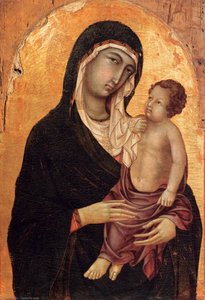
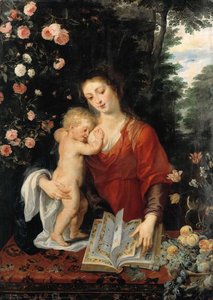
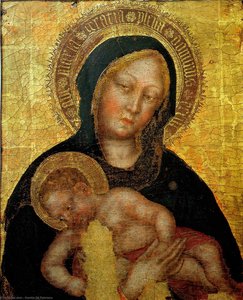
Srodna umetnička dela
Biografija umetnika
Liberale da Verona: A Renaissance Master
Life and Origins
- Born in Verona, Italy, around 1441, Liberale da Verona was a prominent painter of the Italian Renaissance.
- He passed away in 1529, leaving behind a legacy of exquisite frescoes, panel paintings, and illuminated manuscripts.
- Early Training: Liberale began his artistic journey as a pupil of Vincenzo di Stefano, laying the foundation for his future style.
Influences and Artistic Development
- While trained by di Stefano, Liberale was profoundly influenced by the works of Andrea Mantegna and Jacopo Bellini. This influence is evident in his attention to detail, perspective, and dramatic compositions.
- Giorgio Vasari’s Account: He is notably mentioned in Giorgio Vasari's *Lives of the Most Excellent Painters, Sculptors, and Architects*, solidifying his place within the canon of Renaissance artists.
- His style evolved to incorporate elements of both Mantegna’s rigorous draftsmanship and Bellini’s refined color palettes.
Major Works and Achievements
- Veronese Commissions: In Verona, Liberale completed significant commissions such as the *Adoration of the Magi* in the Duomo (Cathedral) and another version for a chapel within the Bishopric.
- He also decorated the chapel of the Company of the Maddalena in the church of San Bernardino with paintings depicting the *Birth and Assumption of the Virgin*.
- Brera Gallery: A notable work, *St. Stephen*, is housed in the Brera Gallery, showcasing his skill in portraying religious figures.
- Illuminated Manuscripts: Liberale’s talent extended to illuminated books, with examples found in the Cathedral of Chiusi.
- *St. Sebastian* (attributed) at Princeton University Art Museum demonstrates his mastery of anatomical detail and emotional expression.
- Monte Oliveto Abbey: He traveled to Siena to work at the Abbey of Monte Oliveto, where he illuminated numerous manuscripts.
Pupils and Legacy
- Liberale da Verona played a crucial role in training the next generation of Veronese painters.
- Notable Students: Among his pupils were Giovanni and Giovanni Francesco Caroto, Francesco Torbido (also known as Il Moro), and Paolo Cavazzola. These artists continued to develop and disseminate his artistic principles.
Historical Significance
- Renaissance Contribution: Liberale da Verona contributed significantly to the flourishing of Renaissance art in Verona, bridging the gap between earlier styles and the emerging Mannerism.
- Cultural Impact: His works continue to be studied and admired for their technical skill, expressive power, and historical importance. He even appeared as a subject of forgery within popular culture – specifically, in an episode of the British TV series *Inspector Morse* titled “The Death of the Self.”
- His art provides valuable insights into the religious, cultural, and artistic climate of 15th and 16th-century Italy.
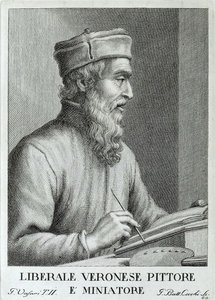
Liberale da Verona
1441 - 1529 , Italy
Osnovne informacije
- Birth Date: 1441
- Birth Place: Verona, Italy
- Death Date: 1529
- Influenced:
- Giovanni Caroto
- Giovanni Francesco Caroto
- Francesco Torbido
- Paolo Cavazzola
- Influenced By:
- Andrea Mantegna
- Jacopo Bellini
- Vincenzo di Stefano
- Movement: Renaissance
- Name: Liberale da Verona
- Nationality: Italian
- Notable Works:
- Adoration of the Magi
- St. Sebastian
- The Miniscalchi Altarpiece
Povezani članci
Leonardo da Vinci: 25 Remek-dela Genija za Vaš Dom | ArtsDot
Istražite 25 remek-dela Leonarda da Vince, od Mona Lize do Poslednje večere. Otkrijte priče iza slika renesanse i inspiraciju za dekoraciju enterijera. Kvalitetne reprodukcije na ArtsDot.com!
Leonardo da Vinci: A Renaissance Master’s Synthesis of Art, Science & Human Observation – Reinterpreted for the Collector
Explore Leonardo da Vinci’s timeless masterpieces with ArtsDot. Discover insights into his art, science, and legacy – trusted expertise for discerning collectors seeking authentic reproductions & investment opportunities.
Illuminating Surfaces: A Comprehensive Exploration of Tempera on Panel Painting Techniques & Historical Significance
Explore the rich history & techniques of tempera painting! Discover Renaissance masters like Botticelli & Fra Angelico, conservation insights, and the enduring legacy of this captivating art form. Learn more now!
Illuminating History: A Comprehensive Exploration of Tempera Painting Techniques & Artistic Legacy
Explore the rich history & techniques of tempera painting! Discover Renaissance masters like Botticelli & Fra Angelico, conservation insights, and the enduring legacy of this captivating art form.
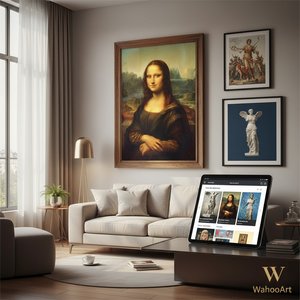
25 Remek-dela Luvra: Putovanje kroz vekove umetnosti i lepote | ArtsDot.com
Otkrijte 25 remek-dela Luvra! Istražite priče iza Mona Lize, Venere Miloske i drugih ikona umetnosti. Reprodukcije slika vrhunskog kvaliteta za vaš enterijer. Leonardo da Vinci, renesansa & više na ArtsDot.com