

 Pregledaj u prostoru
 Pošalji
 Podeli
 Detalji o delu

 Преузми
 Slični predmeti
 Rendgenski snimak
 Slajdovi
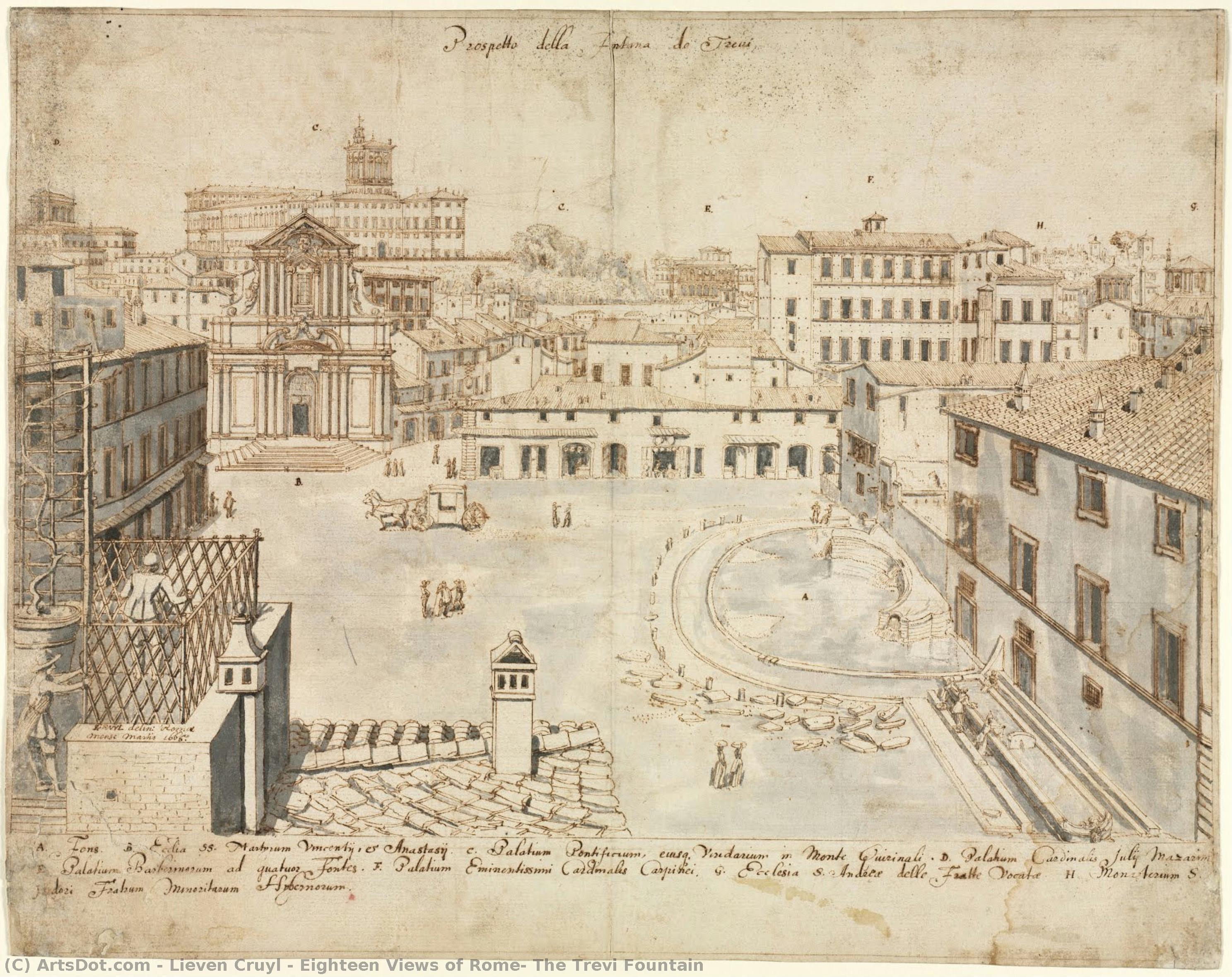
Osamdeset i osam pogleda na Rim: Fontana di Trevi
 Akril na platnu
- Umetnost za zidove
- Baroque Style
 1665
1665 38.0 x 48.0 cm
 Cleveland Museum of Art
 Pročitaj više
Kupite digitalnu sliku visoke rezolucije i poboljšanog kvaliteta, koja je znatno superiornija od onoga što vidite u online prikazu.
Svaka datoteka je pedantno pripremljena od strane naših stručnjaka koristeći napredne alate i profesionalnu ručnu retušu. Osiguravamo da svaka slika ima izuzetnu oštrinu, preciznu reprodukciju boja i fine detalje.
Konačna datoteka se dostavlja putem e-pošte u roku od 72 sata, optimizovana za neposrednu upotrebu u profesionalnim, izdavačkim i štamparskim okruženjima. To je isti kvalitet kojem veruju vrhunski studiji dizajna, izdavači i galerije.
Digitalna slika
Preuzmite datoteku visoke rezolucije za ličnu upotrebu, štampanje i kreativne projekte. ( Kupi print Kupi ručno naslikanu sliku)
Uključeno uz svaku porudžbinu digitalne slike
Profesionalna digitalna isporuka, zagarantovana
Kada odaberete ArtsDot.com, ne dobijate samo sliku – vi primate profesionalno unapređeno digitalno umetničko delo, izrađeno sa najvećom preciznošću i uz garanciju zadovoljstva. Evo svega što automatski dolazi uz vašu porudžbinu:

Brza dostava putem e-pošte
Vaša digitalna slika visoke rezolucije biće vam poslata putem e-pošte u roku od 72 sata od poručivanja – spremna za trenutnu upotrebu.

Digitalna datoteka unapređena veštačkom inteligencijom
Vaše umetničko delo je profesionalno optimizovano korišćenjem naprednih AI alata i ručne obrade, čime se osiguravaju maksimalni detalji, oštrina i preciznost boja.

Besplatna ponovna isporuka doživotno
Slučajno ste obrisali ili izgubili svoju datoteku? Ne brinite – poslaćemo vam je ponovo u bilo kom trenutku, potpuno besplatno.

Bez troškova uvoza – zauvek
Uživajte u svojim umetničkim delima trenutno, bez carine, dažbina ili troškova dostave – digitalni download je uvek bez poreza.

Garancija vernosti boja
Uz pomoć profesionalnih alata i upravljanja bojama, osiguravamo da vaša digitalna slika što vernije odražava originalne boje.

Garancija zadovoljstva u roku od 60 dana
Ako niste zadovoljni svojom digitalnom slikom, revidirat ćemo je ili vratiti 100% novca u roku od 60 dana – bez ikakvih pitanja.

100% garancija povrata novca
Niste zadovoljni? Obezbedite pun povrat novca u roku od 60 dana od trenutka kada ste primili svoju digitalnu datoteku – bez suvišnih pitanja.

Popusti na velike porudžbine
Kupite 3 slike, uštedite 10% - Kupite 5 slika, uštedite 15% - Kupite 10+ slika, uštedite 20%. Odlično za kreativne projekte, galerije i agencije.
Luca Giordano: The Maestro of Light and Movement – A Pioneer of Baroque Rome
Luca Giordano stands as an unparalleled figure in the artistic landscape of 17th-century Italy, celebrated for his extraordinary ability to capture fleeting moments of brilliance—a skill that earned him the moniker “fa presto,” signifying his remarkable speed. Born on October 18, 1634, in Naples, Giordano’s career unfolded with breathtaking rapidity, traversing continents and immersing himself in diverse commissions while simultaneously establishing a distinctive stylistic voice that bridged the gap between the dramatic grandeur of Baroque fervor and the burgeoning elegance of Rococo sensibilities. His work transcends mere representation; it pulsates with an energy born from meticulous observation and masterful execution—a testament to his singular approach to painting. ### Early Influences and Artistic Formation: Ribera’s Legacy Giordano's formative years were profoundly shaped by Giuseppe de Ribera, a Spanish Baroque master who had relocated to Naples following his exile from Rome. Ribera’s influence instilled in Giordano a deep appreciation for chiaroscuro—the dramatic interplay of light and shadow—a technique that would become synonymous with Giordano’s oeuvre. Ribera's emphasis on realism combined with expressive emotion provided Giordano with invaluable lessons in conveying psychological depth within visual compositions, laying the groundwork for his future artistic explorations. ### Eighteen Views of Rome: A Topographical Triumph “Eighteen Views of Rome: The Trevi Fountain,” created in 1665, exemplifies Giordano’s unparalleled talent for topographical illustration and his masterful command of Baroque painting techniques. This monumental drawing showcases a panoramic depiction of Rome's cityscape, meticulously rendered with graphite, pen and ink, and subtle washes of gray pigment. Giordano skillfully captures the bustling energy of Piazza di Trevi—the iconic fountain at its center—presenting a vibrant tableau populated by figures engaged in everyday activities. The artist’s attention to detail extends beyond mere architectural representation; he imbues each scene with atmospheric perspective and nuanced shading, creating an immersive experience for the viewer. ### Symbolism and Artistic Innovation: Bridging Baroque and Rococo Giordano's stylistic evolution reflects the broader artistic currents of his time—a movement that sought to temper the Baroque’s theatrical excesses with a newfound grace and delicacy. While retaining the Baroque’s dramatic intensity, Giordano subtly incorporates elements characteristic of Rococo, notably softer brushstrokes and pastel hues, demonstrating an astute understanding of evolving aesthetic preferences. The Trevi Fountain itself carries symbolic significance: its waters represent purification and renewal, mirroring the aspirations of Catholic piety during the Counter-Reformation era. Giordano's masterful rendering elevates this symbol into a captivating visual experience—a celebration of Roman grandeur and artistic innovation. ### Legacy and Enduring Appeal: A Masterpiece Rediscovered “Eighteen Views of Rome: The Trevi Fountain” remains an enduring testament to Luca Giordano’s genius, securing its place among the most celebrated topographical drawings of the Baroque period. Its meticulous detail, luminous palette, and evocative atmosphere continue to inspire admiration and fascination—a reflection of Giordano's unwavering commitment to capturing the essence of his subject matter with breathtaking precision and artistic vision. Reproductions of this masterpiece offer collectors and interior designers alike a chance to experience the sublime beauty of Baroque Rome firsthand.Srodna umetnička dela

Biografija umetnika
Luca Giordano: The Lightning Painter of Naples
Luca Giordano, a name synonymous with vibrant color and astonishing speed, stands as one of the most remarkable figures in 17th-century Italian art. Born on October 18, 1634, in the bustling port city of Naples, he burst onto the artistic scene with an unprecedented ability to capture light and movement – earning him the affectionate nickname “fa presto” (he does it quickly). His life was a whirlwind of commissions, travels, and stylistic evolution, ultimately shaping his legacy as a pivotal bridge between the Baroque’s dramatic intensity and the nascent Rococo style. Giordano's work isn’t merely about depicting scenes; it’s about imbuing them with an almost palpable energy, a testament to his unique approach to painting.
Early Influences and Training
Giordano’s artistic journey began under the tutelage of Giuseppe de Ribera, a Spanish Baroque master who had established himself in Naples following his exile from Rome. Ribera's influence is immediately apparent in Giordano’s early works – particularly his depictions of philosophers, which mirrored Ribera’s own penchant for portraying these figures with dramatic intensity and psychological depth. These weren’t simply portraits; they were explorations of intellect and contemplation, rendered with a stark realism that contrasted sharply with the prevailing decorative tendencies of the time. However, Giordano quickly transcended mere imitation, absorbing elements from other sources – the Venetian masters known for their luminous color palettes and dynamic compositions, and the principles of 16th-century Italian art which emphasized naturalism and emotional expression.
- Key Influences: Giuseppe de Ribera (Baroque drama), Venetian painters (color & dynamism), 16th-century Italian masters (naturalism & emotion).
A Career of Rapid Innovation
Giordano’s career was characterized by a remarkable adaptability and willingness to embrace new techniques. He swiftly moved beyond the somber, tenebrous style favored by Ribera, introducing a brighter, more optimistic palette and a greater emphasis on movement and theatricality. This shift is vividly illustrated in his monumental fresco cycle for the Palazzo Medici-Riccardi in Florence (circa 1682-1683), where he masterfully blended classical mythology with dynamic figures and dazzling color effects. His time in Spain, serving as court painter to King Charles II, further broadened his artistic horizons, exposing him to diverse influences and solidifying his reputation as a versatile and sought-after artist. He skillfully adapted his style to suit the tastes of various patrons, from royal courts to private collectors, demonstrating an impressive command of technique and a keen understanding of visual impact.
- Key Locations: Naples, Florence, Venice, Madrid
- Notable Commissions: Palazzo Medici-Riccardi fresco cycle (Florence), numerous works for Spanish royalty.
Technique and Style – The “Lightning” Painter
What truly set Giordano apart was his astonishing speed—the source of his nickname, "fa presto." He could complete a large-scale commission in remarkably short time, often working directly on the wall with a technique known as *buon fresco*. This rapid execution wasn’t achieved through sacrificing quality; rather, it stemmed from an intuitive understanding of composition and color, coupled with a remarkable ability to visualize and execute his ideas with breathtaking efficiency. His paintings are characterized by loose, expressive brushwork, vibrant colors applied in thick layers, and a masterful manipulation of light and shadow. He employed a technique called *sfumato*, creating soft transitions between tones and blurring outlines, contributing to the sense of movement and atmosphere that defines his work. The dynamism he captured was not simply visual; it felt almost palpable, as if the scenes were unfolding before the viewer’s eyes.
- Key Techniques: *Buon fresco* painting (direct wall application), *sfumato*, loose expressive brushwork, vibrant color layering.
Legacy and Historical Significance
Luca Giordano’s influence extended far beyond his own lifetime. His innovative approach to color and composition paved the way for the Rococo style, foreshadowing its emphasis on elegance, ornamentation, and playful movement. While he remained firmly rooted in the Baroque tradition, his work demonstrated a willingness to experiment and evolve, anticipating the stylistic shifts of the 18th century. Giordano’s legacy is secured by his prolific output – over three hundred paintings, numerous etchings, and countless drawings—each offering a glimpse into the mind of a truly exceptional artist. His paintings continue to captivate viewers with their vibrant energy, dramatic flair, and undeniable beauty, solidifying his place as one of the most important figures in Italian art history.
lieven cruyl
1634 -

