

 Pregledaj u prostoru
 Pošalji
 Podeli
 Detalji o delu

 Преузми
 Slični predmeti
 Rendgenski snimak
 Slajdovi
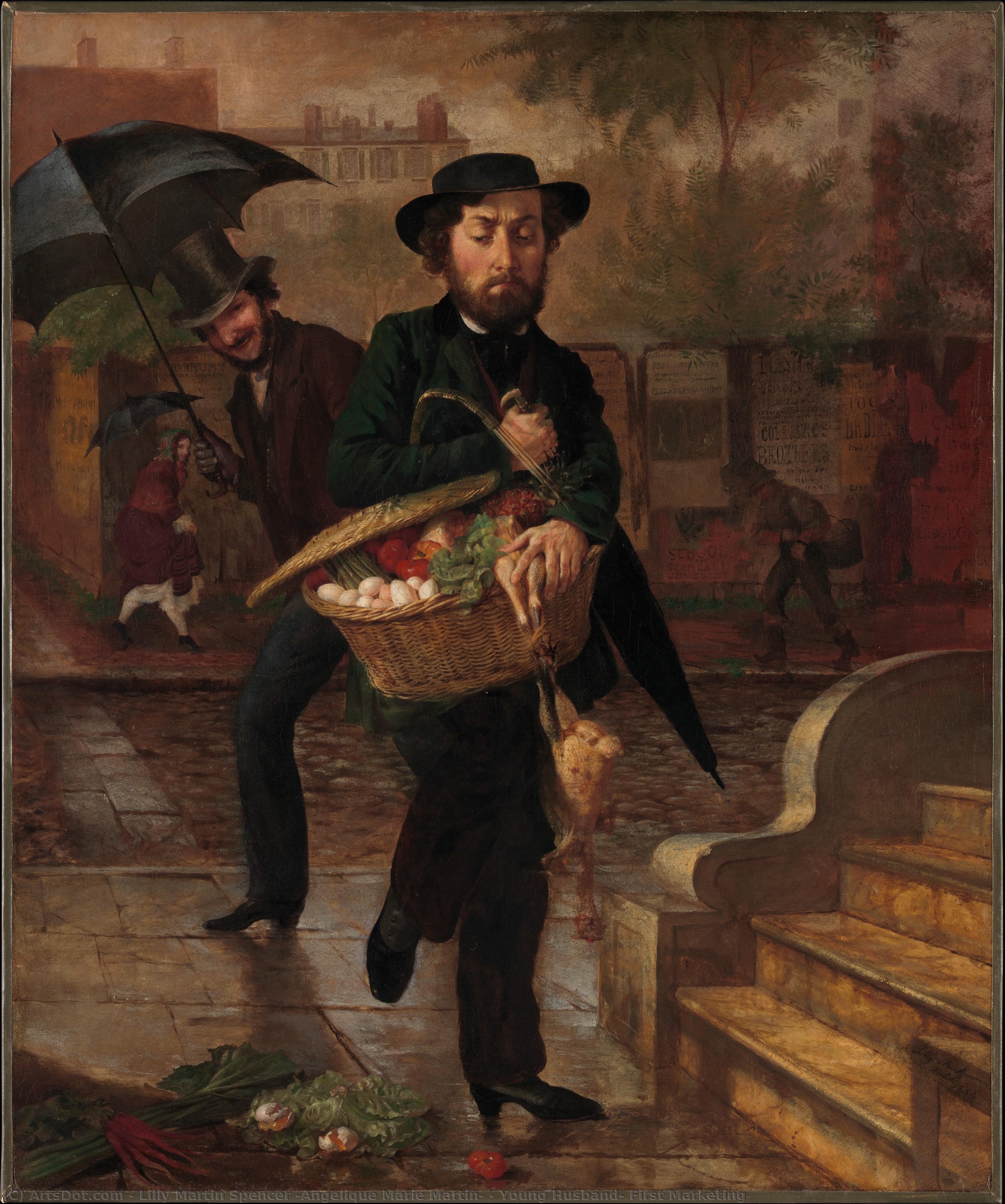
Young Husband: First Marketing
 Oil On Canvas
- WallArt
- Contemporary Realism
 1854
1854 75.0 x 63.0 cm
 Metropolitan Museum of Art
 Pročitaj više
Ručno rađena uljana reprodukcija
Ručno oslikano uljanim bojama na platnu u dimenzijama i okviru po vašem izboru, izrađeno po porudžbini od strane naših umetnika. ( Kupi print Kupi digitalnu sliku)




P118B $10

P118H $10

P118W $10

P438Z $10

P508JH $12

P508YH $12

P805H $10

P805Z $10

P919BZ $10

P919G $10

P919XJ $10

P959ZH $10

P968JZ $12

W106C $8

W218G $10

W218JH $8

W218Y $10

W307PJ $10

W316G $10

W316PJ $8

W316Y $10

W398PJ $8

W4111J $10

W500HY $15

W500JH $15

W692G $12

W849H $8

W940BG $15

W953PJ $8




Izaberite jednu od naših unapred definisanih veličina koje odgovaraju originalnim proporcijama umetničkog dela.

Можете унети сопствене димензије како бисте прилагодили дело одређеном оквиру или простору. Ако одабрана величина не одговара пропорцијама оригинала, слика ће бити исечена или проширена додатним елементима који се ручно насликавају. Дигитални prikaz ће вам бити послат на одобрење пре почетка производње.
Имајте на уму да преглед на екрану не одражава стварно исецање или проширење. Само приказ (mockup) ће тачно приказати коначну композицију.
Иако су доступне прилагођене величине, препоручујемо да одаберете димензију из дефинисане листе како бисте сачували оригиналне пропорције.
Nakon narudžbine, tim ArtsDot.com će klijentu putem e-pošte poslati uputstva i dostaviti prikaz predloženog rešenja
Isporuka širom sveta () za 3/4 nedelje umesto uobičajenih 5 nedelja. (26 август). Bez kompromisa po pitanju kvaliteta.

Besplatna ekspresna dostava širom sveta

Visokokvalitetno laneno platno

Kompletno osiguranje transporta

Garancija povraćaja carine i uvoznih dažbina

Garancija vernosti boja

Politika povrata u roku od 60 dana (samo u slučaju nedostataka)

Garancija povrata novca od 100%

Popust pri grupnoj kupovini
 Opcija sa staklom dostupna je samo za dimenzije manje od 110 cm

Young Husband: First Marketing
Tehnika reprodukcije
Dimenzije reprodukcije
-


Konačna cena
$ 288
Opis umetničkog dela
The Scene Unfolds: A Moment of Urban Anxiety
Lilly Martin Spencer’s “Young Husband: First Marketing,” painted in 1854, isn't merely a depiction of a street scene; it’s a poignant distillation of Victorian anxieties surrounding domesticity and the burgeoning pressures of urban life. The painting captures a fleeting moment on a rainy London street – a young man, clearly overwhelmed, struggling to manage a basket overflowing with groceries. He’s not a heroic figure battling a storm, but rather a relatable embodiment of the everyday struggles faced by men attempting to fulfill their roles within a rapidly changing household. Spencer masterfully uses light and shadow to create a sense of immediacy, drawing the viewer into this small, contained drama.
- Composition: The central figure dominates the canvas, his posture conveying both exhaustion and a touch of embarrassment. The surrounding figures – a woman observing from an open doorway, a gentleman pausing to watch – add layers of social commentary without overtly judging the young husband’s plight.
- Setting: The backdrop is a typical Victorian streetscape, rendered with careful attention to detail—the cobblestones, the modest buildings, and the pervasive rain all contribute to the painting's authentic atmosphere.
A Realist’s Approach: Technique and Style
Spencer’s style is firmly rooted in academic realism, a hallmark of her era. She meticulously renders textures – the wet cobblestones glistening under the rain, the rough fabric of the man's clothing, the overflowing produce – demonstrating a keen eye for detail and a commitment to portraying reality with accuracy. The brushwork itself is visible, adding a tactile quality to the scene. Notice how she builds up layers of paint to create depth and volume, particularly in the basket’s contents, giving them a tangible weight.
Technique: Oil on canvas, impasto technique used to build texture and dimension. Color Palette: Dominated by muted greens, browns, and grays, punctuated by flashes of red and yellow from the fruits and vegetables – colors that subtly highlight the scene’s vibrancy amidst the gloom.The Weight of Domesticity: Symbolism and Context
“Young Husband: First Marketing” transcends a simple street scene; it speaks to the evolving roles of men and women in Victorian society. The unseen wife, responsible for managing the household and procuring supplies, is implicitly present, highlighting the increasing burden placed upon her. The young husband’s struggle isn't just about carrying groceries; it represents the challenges of transitioning into adulthood and assuming responsibility within a domestic sphere. Spencer cleverly uses humor to convey this social anxiety – the man’s awkwardness and the onlookers’ amusement create a subtle critique of societal expectations.
- Rain: Symbolizes adversity, hardship, and the difficulties of daily life.
- The Basket: Represents the weight of domestic responsibilities and the demands placed upon the husband.
A Legacy of Realism: Spencer’s Place in Art History
Lilly Martin Spencer was a remarkably successful artist during her time, achieving widespread recognition for her realistic depictions of everyday life. Despite facing challenges as a female artist in a male-dominated field, she persevered and created a body of work that continues to resonate with viewers today. Her ability to capture the nuances of human emotion and social dynamics is evident in “Young Husband: First Marketing,” solidifying her position as a significant figure in 19th-century American art. Reproductions of this piece offer a valuable glimpse into a bygone era, inviting us to contemplate the complexities of family life and the evolving roles of men and women within it.
Srodna umetnička dela


Biografija umetnika
Rosa Bonheur: A Pioneer of Animal Painting
Rosa Bonheur, born Marie-Rosalie Bonheur in Bordeaux in 1822, stands as a monumental figure in the history of art – a woman who not only achieved remarkable success as an artist but also challenged societal expectations and redefined what was considered acceptable for female creatives during her time. Her life story is one of relentless dedication, profound observation, and a deep connection to the natural world, particularly its animal inhabitants. From humble beginnings assisting her father, a minor landscape painter, Bonheur’s artistic journey led her to become arguably the most celebrated animal painter of the 19th century, leaving behind a legacy of powerful, emotionally resonant works that continue to captivate audiences today.Early Life and Artistic Training
Bonheur's early years were marked by an unusual upbringing for a young girl aspiring to be an artist. Her father, Oscar-Raymond Bonheur, was a landscape painter who encouraged her artistic inclinations, recognizing her talent at a remarkably young age. Despite the prevailing societal norms that limited women’s access to formal art education, Rosa received instruction from her father and later from other artists in Bordeaux. Crucially, she benefited from a family environment steeped in artistic tradition; her grandfather was a stonecutter, and her uncle was also an artist, providing a unique insight into the craft of sculpture. This familial connection fostered a deep appreciation for materials and techniques that would inform her distinctive style. Notably, Bonheur’s family adhered to Saint-Simonianism, a Christian socialist movement emphasizing education for women alongside men – a progressive stance that undoubtedly contributed to her artistic freedom and ambition.The Rise of an Animalière
Bonheur's career truly blossomed in Paris, where she moved with her family in 1829. She initially worked as a model for several prominent artists, honing her observational skills and developing a keen understanding of anatomy – particularly crucial when depicting animals with such realism. This period was invaluable, allowing her to study the nuances of form, movement, and expression firsthand. Her breakthrough came with *Ploughing in the Nivernais* (1848-1850), an enormous painting exhibited at the Salon of 1848. The work, depicting a rural scene of farmers working their fields, immediately garnered attention for its dynamic composition, meticulous detail, and palpable sense of life. It established Bonheur’s reputation as a master of animal painting and marked the beginning of her international acclaim. Subsequent successes followed, including *The Horse Fair* (1853-1855), a monumental canvas capturing the bustling atmosphere of a horse market – a work that Queen Victoria herself admired so greatly that she commissioned a miniature replica for her own collection.Technique and Style
Bonheur’s artistic approach was characterized by intense observation, tireless sketching, and an unwavering commitment to realism. She spent countless hours studying animals in their natural habitats, meticulously documenting their movements, postures, and expressions. Her preparatory sketches are a testament to this dedication, revealing the depth of her understanding of animal anatomy and behavior. Unlike many artists who relied on idealized representations, Bonheur depicted animals with unflinching honesty – capturing both their beauty and their inherent wildness. She employed a technique of layering paint in thin glazes, building up color gradually to achieve remarkable luminosity and texture. Her brushwork was often loose and expressive, conveying the energy and vitality of her subjects. Her sculptures, too, reflected this commitment to realism, showcasing an extraordinary ability to capture the essence of animal form.Legacy and Historical Significance
Rosa Bonheur’s impact on art history extends far beyond her individual achievements. She shattered gender barriers in a male-dominated field, becoming one of the most successful female artists of her era. Her success challenged prevailing societal assumptions about women's roles and capabilities, paving the way for future generations of female artists. Furthermore, Bonheur’s focus on animal subjects – often overlooked by mainstream art—brought attention to the beauty and complexity of the natural world. Her paintings and sculptures continue to be admired for their technical skill, emotional resonance, and profound connection to the animal kingdom. She remains a powerful symbol of artistic determination, innovation, and the enduring power of observation. Despite persistent rumors surrounding her personal life – fueled by speculation about her relationships with women – Bonheur remained steadfast in her dedication to her art, leaving behind a body of work that stands as a testament to her extraordinary talent and unwavering spirit.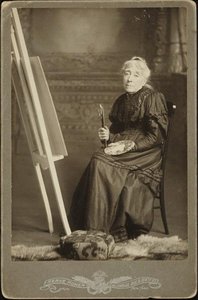
lilly martin spencer (angelique marie martin)
1822 - 1902 , United Kingdom
Osnovne informacije
- Artistic Movement Or Style: Animalière painting & sculpture
- Artists Or Movements Influenced By This Artist: ['Neoclassical']
- Artists Who Influenced This Artist: ['Oscar-Raymond Bonheur']
- Date Of Birth: 16 March 1822
- Date Of Death: 25 May 1899
- Full Name: Rosa Bonheur
- Nationality: French
- Notable Artworks:
- Ploughing in the Nivernais
- The Horse Fair
- Place Of Birth: Bordeaux, France
Povezani članci
Robert Lillie: A Study in Victorian Genre Painting and Domestic Narrative
Explore the captivating Victorian genre paintings of Robert Lillie (1867-1949). Discover his serene Scottish landscapes and intimate domestic scenes, reflecting a unique artistic vision. Learn about his life, style & legacy.

The Enduring Legacy of Oil on Canvas: Technique, History & Aesthetic Impact
Explore the rich history & techniques of oil painting – from Renaissance masters to Impressionism. Discover pigments, layering methods, and why this timeless medium endures. Expert insights for artists & art enthusiasts.
George Goodwin Kilburne: Capturing Victorian Sentimentality Through Genre Painting
Explore the evocative Victorian paintings of George Goodwin Kilburne. Discover his detailed scenes of domestic life, masterful use of light, and lasting impact on British genre painting. Learn more at ArtsDot.
James Sant: Capturing Victorian Childhood & the Evolving Landscape of British Genre Painting
Explore the life & art of James Sant (1820-1916), renowned Victorian portraitist to Queen Victoria. Discover his captivating depictions of childhood, landscapes, and aristocratic society. Learn about his legacy & find fine art reproductions.

The Enduring Power of Painting: A Historical & Contemporary Exploration of Form and Emotion
Explore the rich history & enduring techniques of oil painting with ArtsDot. Discover masterpieces, learn about art collecting, and find authentic handmade reproductions crafted by skilled artists.

