

 Pregledaj u prostoru
 Pošalji
 Podeli
 Detalji o delu

 Преузми
 Slični predmeti
 Rendgenski snimak
 Slajdovi
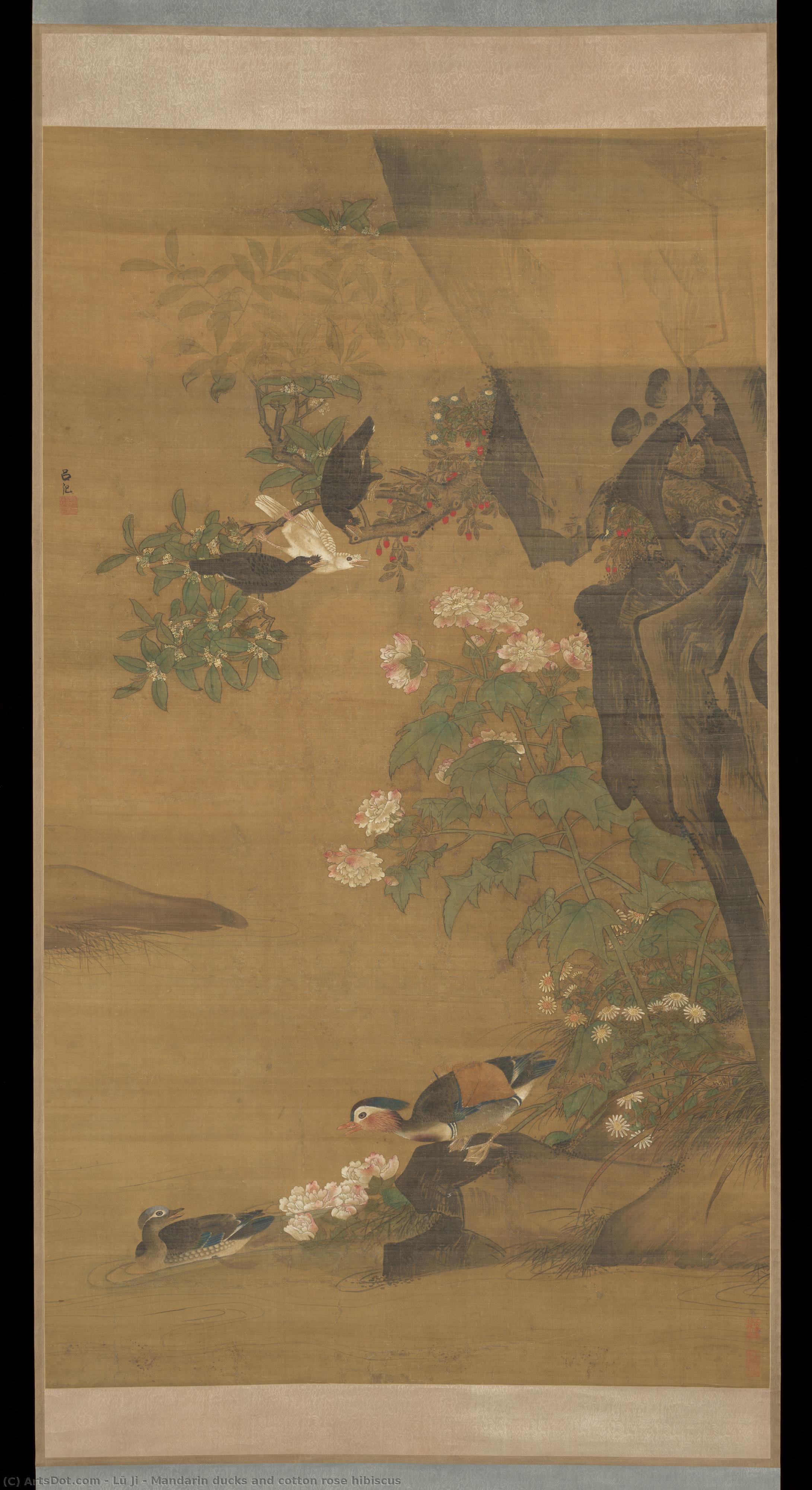
Mandarin ducks and cotton rose hibiscus
 401
401 173.0cm x 99.0cm
 Pročitaj više
Ručno rađena uljana reprodukcija
Ručno oslikano uljanim bojama na platnu u dimenzijama i okviru po vašem izboru, izrađeno po porudžbini od strane naših umetnika. ( Kupi print Kupi digitalnu sliku)




































Izaberite jednu od naših unapred definisanih veličina koje odgovaraju originalnim proporcijama umetničkog dela.

Можете унети сопствене димензије како бисте прилагодили дело одређеном оквиру или простору. Ако одабрана величина не одговара пропорцијама оригинала, слика ће бити исечена или проширена додатним елементима који се ручно насликавају. Дигитални prikaz ће вам бити послат на одобрење пре почетка производње.
Имајте на уму да преглед на екрану не одражава стварно исецање или проширење. Само приказ (mockup) ће тачно приказати коначну композицију.
Иако су доступне прилагођене величине, препоручујемо да одаберете димензију из дефинисане листе како бисте сачували оригиналне пропорције.
Nakon narudžbine, tim ArtsDot.com će klijentu putem e-pošte poslati uputstva i dostaviti prikaz predloženog rešenja
Isporuka širom sveta () za 3/4 nedelje umesto uobičajenih 5 nedelja. (31 август). Bez kompromisa po pitanju kvaliteta.

Besplatna ekspresna dostava širom sveta

Visokokvalitetno laneno platno

Kompletno osiguranje transporta

Garancija povraćaja carine i uvoznih dažbina

Garancija vernosti boja

Politika povrata u roku od 60 dana (samo u slučaju nedostataka)

Garancija povrata novca od 100%

Popust pri grupnoj kupovini
 Opcija sa staklom dostupna je samo za dimenzije manje od 110 cm

Mandarin ducks and cotton rose hibiscus
Tehnika reprodukcije
Dimenzije reprodukcije
-


Konačna cena
$ 263
Paper has been a fundamental medium in the world of art for centuries, with its versatility and accessibility making it a popular choice for artists. From traditional Chinese calligraphy to contemporary street art, paper has played a crucial role in shaping the way we express ourselves creatively.
History of Paper as an Art Medium
Paper was first invented in China around 105 AD by Cai Lun, a court official during the Han Dynasty. It quickly became a popular medium for writing and calligraphy, and its use spread throughout Asia over the following centuries. In Japan, paper was used to create intricate ukiyo-e prints and delicate origami sculptures.
In Europe, paper did not become widely available until the 14th century. However, once it did, it quickly became a popular medium for artists. The invention of the printing press in the 15th century allowed for mass production of printed images, which further increased the popularity of paper as an art medium.
Lü Ji's 'Mandarin Ducks and Cotton Rose Hibiscus'
Lü Ji: Mandarin ducks and cotton rose hibiscus (172.7cm x 99.1cm, Silk,)This painting by Lü Ji is a stunning example of paper as an art medium. The vibrant colors and intricate details showcase the beauty and versatility of this medium. The mandarin ducks in the foreground connote a happy marriage, while the surrounding flowers form rebuses (visual puzzles) that add a symbolic dimension to the work.
The use of paper as a medium for this painting is particularly significant when considering its historical context. During the Ming Dynasty, paper was widely used for art and literature, reflecting its importance in Chinese culture. The fact that Lü Ji chose to use paper for this painting demonstrates his mastery of the medium and his appreciation for its unique qualities.
Significance of Paper as an Art Medium
Paper is a versatile and accessible medium that allows artists to create a wide range of works. It can be used for drawing, painting, printmaking, collage, and more. The texture and weight of paper can greatly affect the final product, allowing artists to create unique effects and moods in their work.
In addition to its versatility, paper is also an environmentally friendly art medium. Unlike oil paints or other traditional art materials, paper does not release harmful chemicals into the air. It can be recycled and reused, making it a sustainable choice for artists.
Conclusion
Paper has played a crucial role in shaping the way we express ourselves creatively throughout history. From traditional Chinese calligraphy to contemporary street art, paper has been a fundamental medium in the world of art for centuries. Lü Ji's 'Mandarin Ducks and Cotton Rose Hibiscus' is a stunning example of the beauty and versatility of this medium.
Learn more about the history and significance of paper as an art medium
Srodna umetnička dela










Biografija umetnika
The Radiant Master of Ming Dynasty Bird-and-Flower Painting
Lü Ji, a name synonymous with the luminous splendor of the Ming Dynasty, stands as one of the most revered figures in the long tapestry of Chinese art history. Born in the culturally rich region of Ningbo, Zhejiang Province, his life unfolded during a period of significant artistic revival. Whether viewed through the lens of his early years around 1429 or the later era of the mid-Ming, Lü Ji’s presence was felt as a master who could bridge the gap between meticulous technical skill and profound emotional resonance. As a professional painter, he achieved a level of distinction that saw him summoned to serve as a court painter during the Hongzhi period, eventually earning an honorary title as an officer in the imperial guard—a rare feat for an artist of his era.
The foundation of Lü Ji’s brilliance was laid through rigorous study and exposure to the evolving aesthetics of his time. He drew deep inspiration from the pioneering bird-and-flower style championed by Bian Wenjin, a movement dedicated to recapturing the grandeur and vitality of the Tang Dynasty. This training instilled in him an unwavering devotion to the precise observation of nature. His technique became a sophisticated marriage of "fine-brushwork" and "sketching-idea," allowing him to capture both the physical texture of a petal and the spiritual essence of a living creature. While some contemporary scholar-painters, such as the legendary Shen Zhou, occasionally critiqued his descriptive style as being merely "of the hand" rather than "of the heart," it was precisely this masterful command of the brush that allowed Lü Ji to achieve a level of naturalness and splendor that few could replicate.
A Symphony of Color and Symbolism
To gaze upon a work by Lü Ji is to enter a world of vibrant, breathing landscapes. His canvases often exploded with a luminous palette—crimson reds, emerald greens, and sapphire blues—that transformed silk and paper into breathtaking panoramas of the natural world. He was a master of the Southern Song ink-wash tradition, yet he infused it with a uniquely Ming vibrancy that made his compositions feel both timeless and immediate. His ability to utilize bright coloring to create depth and movement allowed him to dominate the bird-and-flower genre, creating works that were as much about emotional impact as they were about botanical accuracy.
Beyond the sheer visual delight of his work lies a profound layer of cultural meaning. Lü Ji utilized the natural world as a vocabulary for human virtues and cosmic harmony. In his masterpieces, every element serves a symbolic purpose:
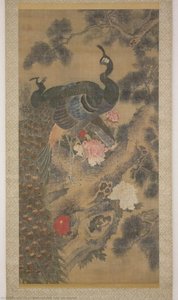
- Peacocks: Representing beauty, dignity, and the concept of immortality.
- Pine Trees: Standing as enduring symbols of longevity and steadfastness amidst the changing seasons.
- Peonies: Embodying wealth, honor, and the flourishing of prosperity.
- Mandarin Ducks: Often depicted in pairs to evoke themes of marital fidelity and harmonious companionship.
Through these motifs, Lü Ji’s paintings became more than mere decorations for the imperial court; they were visual meditations on Confucian ideals of balance and the eternal beauty of the natural order.
Legacy of the Imperial Brush
The historical significance of Lü Ji lies in his ability to elevate professional painting to a level of unparalleled prestige. By mastering the delicate balance between centered brushwork and rounded, upright strokes, he created a standard of excellence that influenced generations of subsequent painters. His work represents a pinnacle of the middle Ming Dynasty’s artistic output, where the technical precision of the "professional" met the grand scale of imperial patronage. Even today, his ability to capture the fleeting essence of a blossom or the dynamic energy of a bird remains a testament to his genius, ensuring that his name continues to resonate within the halls of art history as a true master of light, color, and life.
Osnovne informacije
- Artistic Movement Or Style: Bird-and-flower painting; Southern Song ink wash style
- Artists Or Movements Influenced By This Artist: ['']
- Artists Who Influenced This Artist: ['Bian Wenjin']
- Date Of Birth: Ningbo, China ()
- Date Of Death: Living
- Full Name: Liu Chi or Lü Ji or Lü Ki
- Nationality: Chinese
- Notable Artworks:
- Mandarin ducks and cotton rose hibiscus
- Peacocks, Pine Tree, and Peonies
- Autumn landscape with egrets and ducks
- Place Of Birth: Ningbo, Zhejiang

