

 Pregledaj u prostoru
 Pošalji
 Podeli
 Detalji o delu

 Преузми
 Slični predmeti
 Rendgenski snimak
 Slajdovi
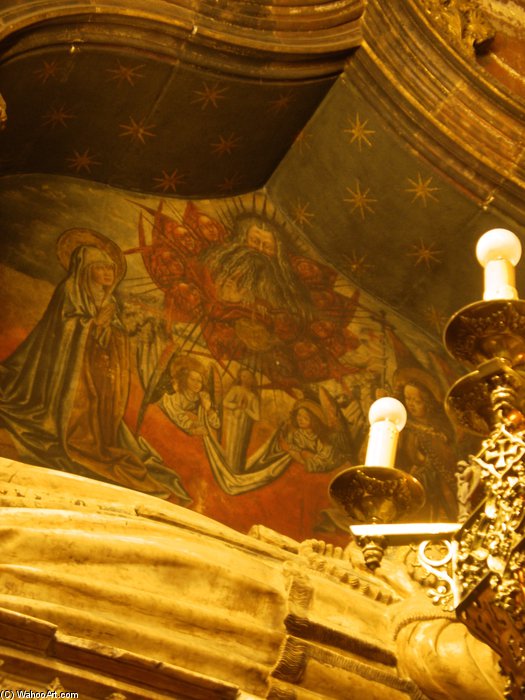
Sepulcre De Sança Ximenis De Cabrera, A La Catedral De Barcelona; Escultura De Pere Oller, Pintura De Lluís Dalmau
 Pročitaj više
Ručno rađena uljana reprodukcija
Ručno oslikano uljanim bojama na platnu u dimenzijama i okviru po vašem izboru, izrađeno po porudžbini od strane naših umetnika. ( Kupi print Kupi digitalnu sliku)




































Izaberite jednu od naših unapred definisanih veličina koje odgovaraju originalnim proporcijama umetničkog dela.

Можете унети сопствене димензије како бисте прилагодили дело одређеном оквиру или простору. Ако одабрана величина не одговара пропорцијама оригинала, слика ће бити исечена или проширена додатним елементима који се ручно насликавају. Дигитални prikaz ће вам бити послат на одобрење пре почетка производње.
Имајте на уму да преглед на екрану не одражава стварно исецање или проширење. Само приказ (mockup) ће тачно приказати коначну композицију.
Иако су доступне прилагођене величине, препоручујемо да одаберете димензију из дефинисане листе како бисте сачували оригиналне пропорције.
Nakon narudžbine, tim ArtsDot.com će klijentu putem e-pošte poslati uputstva i dostaviti prikaz predloženog rešenja
Isporuka širom sveta () za 3/4 nedelje umesto uobičajenih 5 nedelja. (30 август). Bez kompromisa po pitanju kvaliteta.

Besplatna ekspresna dostava širom sveta

Visokokvalitetno laneno platno

Kompletno osiguranje transporta

Garancija povraćaja carine i uvoznih dažbina

Garancija vernosti boja

Politika povrata u roku od 60 dana (samo u slučaju nedostataka)

Garancija povrata novca od 100%

Popust pri grupnoj kupovini
 Opcija sa staklom dostupna je samo za dimenzije manje od 110 cm

Sepulcre De Sança Ximenis De Cabrera, A La Catedral De Barcelona; Escultura De Pere Oller, Pintura De Lluís Dalmau
Tehnika reprodukcije
Dimenzije reprodukcije
-


Konačna cena
$ 263
Srodna umetnička dela





Biografija umetnika
Lluís Dalmau: A Bridge Between Flanders and Catalonia
Lluís Dalmau, a name perhaps less familiar than those of his contemporaries in the vibrant 15th-century Catalan art scene, nevertheless stands as a pivotal figure bridging the gap between the burgeoning realism of Northern Europe – particularly the influence of Jan van Eyck – and the developing artistic traditions of Spain. Born in Valencia around 1400 and flourishing primarily between 1431 and 1460, Dalmau’s career was marked by a fascinating journey of learning, adaptation, and ultimately, the establishment of a distinctly Catalan style rooted in both Flemish innovation and local sensibilities. His legacy is most powerfully embodied in works like “The Virgin of the Consellers,” a masterpiece currently housed at the Museu Nacional d'Art de Catalunya in Barcelona, offering a rare glimpse into his artistic evolution.Early Influences and the Journey to Flanders
Dalmau’s early life remains somewhat shrouded in mystery, though it is known he was born in Valencia, Spain. Crucially, around 1431, King Alfonso V of Aragon, recognizing the need for a skilled painter within his court, dispatched Dalmau on an extraordinary journey to Bruges, Belgium – a center of artistic innovation at the time. This wasn’t merely a vacation; it was a deliberate immersion in the revolutionary techniques pioneered by Jan van Eyck and his workshop. Van Eyck's meticulous attention to detail, his mastery of oil paint, and his ability to capture light and texture with astonishing realism profoundly impacted Dalmau. The artist spent nearly two years studying these methods, absorbing not just the technical aspects but also the philosophical underpinnings of this new approach to painting – a shift away from the stylized conventions of the Gothic era towards a more naturalistic representation of the world. This experience is considered groundbreaking; it marked one of the first documented instances of a Spanish artist seeking direct instruction and training in the workshops of Northern European masters, laying the foundation for a significant stylistic convergence.A Catalan Style Emerges: Religious Scenes and Altarpieces
Upon his return to Spain, Dalmau brought with him the lessons learned in Flanders, but he didn’t simply replicate Van Eyck's style wholesale. Instead, he skillfully integrated these new techniques into a distinctly Catalan framework. His primary focus remained on religious subjects – particularly depictions of the Virgin Mary and Christ – rendered with a remarkable degree of realism and emotional depth. His altarpieces, in particular, demonstrate his ability to create complex, multi-layered compositions that effectively communicated theological narratives. The “Virgin of the Consellers,” painted in 1443-1445, is perhaps his most celebrated work. This piece showcases Dalmau’s mastery of oil paint and his innovative use of perspective, creating a believable illusion of space within which five prominent city councillors are depicted alongside the Virgin and Saints. The painting's significance lies not only in its technical brilliance but also in its representation of a new artistic paradigm – a fusion of Flemish realism with Catalan iconography and patronage.Technique and Artistic Development
Dalmau’s artistic development is characterized by a gradual refinement of his technique, moving from the more schematic representations of earlier works to the nuanced details and atmospheric effects evident in pieces like “The Virgin of the Consellers.” He skillfully employed oil paint – a relatively new medium at the time – to achieve unprecedented levels of luminosity and depth. His use of light and shadow created a sense of three-dimensionality, while his attention to detail—the textures of fabrics, the expressions on faces, the folds of drapery—brought his figures to life with remarkable immediacy. While often described as influenced by Van Eyck, Dalmau developed his own unique approach, incorporating elements of Catalan artistic tradition and imbuing his works with a subtle emotionality that distinguished him from purely objective representations.Legacy and Historical Significance
Lluís Dalmau’s contribution to the history of Spanish art is considerable. He was instrumental in introducing Flemish realism to Spain, influencing a generation of artists who followed in his footsteps. His work helped to pave the way for the development of a distinctly Catalan style – one characterized by its meticulous detail, emotional depth, and innovative use of oil paint. Furthermore, Dalmau’s patronage by King Alfonso V demonstrated the importance of royal support in fostering artistic innovation during this period. Although relatively few of his works survive, “The Virgin of the Consellers” remains a testament to his genius and a vital link between the artistic traditions of Northern Europe and Spain. His legacy endures as a reminder that artistic exchange and cross-cultural influence can profoundly shape the course of art history.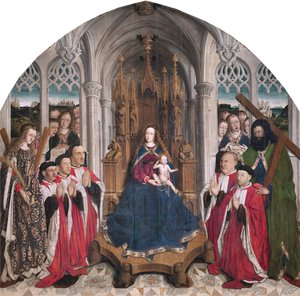
Lluís Dalmau
1400 - 1460 , Spain
Osnovne informacije
- Artistic Movement Or Style: Van Eyck style, Religious scenes
- Artists Or Movements Influenced By This Artist: ['Medieval Spain art']
- Artists Who Influenced This Artist: ['Jan van Eyck']
- Date Of Birth: 1400 (Valencia)
- Date Of Death: 1460
- Full Name: Lluís Dalmau
- Nationality: Spanish
- Notable Artworks:
- Virgin and Child (1445)
- Sepulcre de Sança Ximenis
- Place Of Birth: Valencia, Spain

