

 Pregledaj u prostoru
 Pošalji
 Podeli
 Detalji o delu

 Преузми
 Slični predmeti
 Rendgenski snimak
 Slajdovi
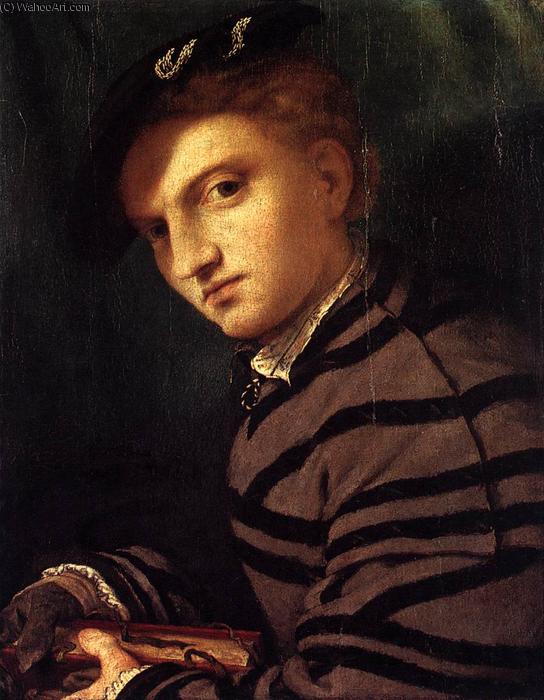
Young Man in a Striped Coat
 High Renaissance
 1525
1525 47.0 x 38.0 cm
 Castello Sforzesco
 Pročitaj više
Ručno rađena uljana reprodukcija
Ručno oslikano uljanim bojama na platnu u dimenzijama i okviru po vašem izboru, izrađeno po porudžbini od strane naših umetnika. ( Kupi print Kupi digitalnu sliku)




P118B $10

P118H $10

P118W $10

P438Z $10

P508JH $12

P508YH $12

P805H $10

P805Z $10

P919BZ $10

P919G $10

P919XJ $10

P959ZH $10

P968JZ $12

W106C $8

W218G $10

W218JH $8

W218Y $10

W307PJ $10

W316G $10

W316PJ $8

W316Y $10

W398PJ $8

W4111J $10

W500HY $15

W500JH $15

W692G $12

W849H $8

W940BG $15

W953PJ $8




Izaberite jednu od naših unapred definisanih veličina koje odgovaraju originalnim proporcijama umetničkog dela.

Можете унети сопствене димензије како бисте прилагодили дело одређеном оквиру или простору. Ако одабрана величина не одговара пропорцијама оригинала, слика ће бити исечена или проширена додатним елементима који се ручно насликавају. Дигитални prikaz ће вам бити послат на одобрење пре почетка производње.
Имајте на уму да преглед на екрану не одражава стварно исецање или проширење. Само приказ (mockup) ће тачно приказати коначну композицију.
Иако су доступне прилагођене величине, препоручујемо да одаберете димензију из дефинисане листе како бисте сачували оригиналне пропорције.
Nakon narudžbine, tim ArtsDot.com će klijentu putem e-pošte poslati uputstva i dostaviti prikaz predloženog rešenja
Isporuka širom sveta () za 3/4 nedelje umesto uobičajenih 5 nedelja. (31 август). Bez kompromisa po pitanju kvaliteta.

Besplatna ekspresna dostava širom sveta

Visokokvalitetno laneno platno

Kompletno osiguranje transporta

Garancija povraćaja carine i uvoznih dažbina

Garancija vernosti boja

Politika povrata u roku od 60 dana (samo u slučaju nedostataka)

Garancija povrata novca od 100%

Popust pri grupnoj kupovini
 Opcija sa staklom dostupna je samo za dimenzije manje od 110 cm

Young Man in a Striped Coat
Tehnika reprodukcije
Dimenzije reprodukcije
-


Konačna cena
$ 263
A Portrait of Quiet Contemplation: Unveiling the Mystery of Lotto’s Young Man
Lorenzo Lotto's “Young Man in a Striped Coat” isn’t merely a portrait; it’s a carefully constructed tableau of understated emotion and subtle symbolism. Painted in 1525, during a pivotal period of artistic transition between the High Renaissance and the burgeoning Mannerism, this small yet profoundly resonant work resides within the Castello Sforzesco in Milan, a testament to Lotto's enduring influence on Venetian art. The painting immediately draws the viewer in with its intimate scale – just 47 x 38 cm – creating an immediate sense of closeness, as if we’ve stumbled upon a private moment. The subject, a young man clad in a rich, dark striped coat and topped with a feathered hat, is presented in a three-quarter pose, his gaze directed directly at the viewer with an almost unnerving intensity. This directness, coupled with the slight tilt of his head, suggests a thoughtful introspection, a quiet contemplation that belies the formality of the attire.
Lotto’s masterful technique is evident in every brushstroke. The oil paint application is remarkably smooth and controlled, creating an illusion of depth and texture – particularly noticeable in the folds of the coat and the delicate rendering of the hat's feathers. He employs a muted color palette dominated by browns, greys, and deep blues, lending the scene a somber yet dignified atmosphere. The lighting, subtly diffused, avoids harsh contrasts, further enhancing the sense of intimacy and drawing attention to the subject’s face – a face etched with an almost melancholic expression. It's a deliberate choice that elevates the portrait beyond a simple likeness, transforming it into a study of human psychology.
The Context of a Venetian Wanderer: Lotto’s Artistic Journey
Understanding Lorenzo Lotto requires acknowledging his unique and somewhat itinerant career path. Born in Venice around 1480, he never quite settled within the established artistic circles of the city, instead embarking on a peripatetic journey through Treviso, Rome, Bergamo, and Ancona before finding a measure of stability as a lay brother in Loreto. This constant movement profoundly shaped his artistic vision, exposing him to diverse influences while fostering an independent spirit that set him apart from many of his contemporaries. While he undoubtedly learned from the influence of Giovanni Bellini, Lotto quickly developed a distinctive style – a harmonious blend of High Renaissance grace and nascent Mannerist sensibilities. His portraits, in particular, are characterized by their psychological depth and often unsettling intensity, qualities that distinguish him from the more idealized depictions favored by other Venetian masters.
The painting’s creation coincided with a period of significant artistic experimentation in Italy. The High Renaissance ideals championed by Leonardo da Vinci and Raphael were being challenged by artists like Giorgione and Titian, who embraced a looser, more naturalistic style. Lotto navigated this evolving landscape with remarkable skill, retaining the elegance of the Renaissance while injecting his own unique brand of emotional complexity. His work reflects a growing interest in capturing not just outward appearances but also the inner lives of his subjects – a trend that would become increasingly prominent in subsequent generations of artists.
Symbolic Layers: Unpacking the Portrait’s Hidden Meanings
Beyond its technical brilliance, “Young Man in a Striped Coat” is rich with symbolic layers. The young man's attire—the dark coat and feathered hat—suggests a noble or upper-class background, hinting at a life of privilege and responsibility. However, the open book he holds introduces an element of intellectualism and perhaps even melancholy. The choice of a book, rather than a weapon or a musical instrument, suggests a focus on contemplation and learning – a potential contrast to the expectations placed upon young men of his social standing. The subtle inclusion of objects like a rose petal, a ring, and a letter adds further layers of meaning, potentially alluding to themes of love, loss, and the complexities of human relationships.
The lizard in the background is particularly intriguing. In ancient symbolism, lizards represented death and rebirth, suggesting a contemplation on mortality or perhaps a recognition of the transient nature of life. Even the muted color palette contributes to this sense of introspection – browns and greys evoke feelings of seriousness, restraint, and perhaps even sadness. The painting isn’t simply a portrait; it's an invitation to decipher a complex web of symbolic clues, inviting viewers to engage with the subject on a deeper emotional level.
A Timeless Masterpiece: Reproduction and Artistic Legacy
Lorenzo Lotto’s “Young Man in a Striped Coat” remains a captivating work of art, offering a rare glimpse into the psychological depths of Renaissance portraiture. Reproductions capture the painting's intimate scale and subtle nuances remarkably well, allowing viewers to appreciate its beauty and complexity from afar. Whether displayed as a statement piece in a sophisticated interior or cherished as a personal treasure, this painting continues to resonate with audiences today, reminding us of the enduring power of art to evoke emotion, stimulate thought, and transcend time.
Srodna umetnička dela
Biografija umetnika
Венецијански путник: Живот и уметност Лоренца Лотта
Рођен у срцу Венеције око 1480. године, Лоренцо Лото се појавио као изразити глас у оквиру Италијанске ренесансе, иако је његов уметнички пут водио далеко ван познатих радионица лагуне. За разлику од многих својих савременика који су се чврсто усталили у специфичним школама или дворовима, Лото је кренуо на путничку каријеру, пролазећи кроз градове као што су Тревизо, Рим, Бергамо и Анкона, пре него што је коначно нашао уточиште као лаички брат у Лорету. Ова номадска егзистенција је дубоко обликовала његову уметничку визију, изложивши га различитим утицајима и негујући независан дух који га је издвојио. Иако рана обука остаје донекле мистерија, верује се да је усвојио лекције Ђованија Белинија, водеће фигуре венецијанске школе, али је Лото брзо надрастао просто понављање, ковајући стил који је јединствен – мешавину грације Високе ренесансе и зачетка манеризма.Склапање традиција: Стил и утицаји
Уметнички потпис Лота лежи у његовој изузетној способности да синтетише различите утицаје у кохерантну и дубоко личну естетику. Његови рани радови откривају утицај поетичног натурализма Ђорђонеа, посебно видљив у суптилним атмосферским ефектима и лиричним композицијама. Међутим, боравак у Риму га је довео у контакт са уметношћу Рафаела, уградивши његов рад новом јасноћом форме и композицијском равнотежом. Касније, током дужег боравка у Бергаму, апсорбовао је елементе ломбардског реализма, додајући утемељену физикалност својим фигурама. Ова еклектична приступа није само адитивна; Лото мајсторски интегрише ове утицаје, стварајући слике које су и технички префињене и емотивно резонантно. Није се плашио да експериментише са перспективом, често користећи необичне тачке гледишта како би појачао осећај драме или интимности. Његова палета, укорењена у венецијанском колоризму, еволуирала је током времена, постајући све живописнија и изражајнија. *Сузана и старешине*, насликана током бергамског периода, пример је ове зрелости – задивљујућа нарација рендервана луминозним бојама и оштрим психолошким увидом у емоције ликова.Портрети душе: Лоттова ремек-дела
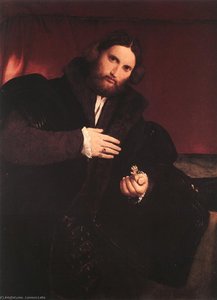
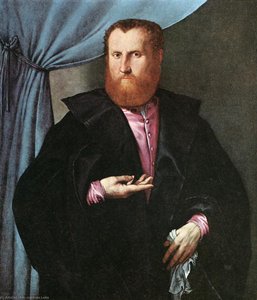
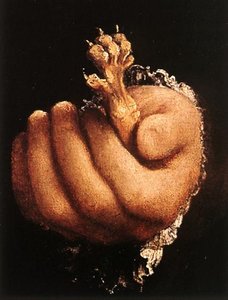
Иако је Лото одликовао у религиозном сликарству, можда се кроз своје портрете заиста истакао. Имао је изузетан дар да зароби не само физички лик, већ и унутрашњи живот својих модела. Његови портрети су ретко идеализовани; уместо тога, представљају појединце са свим њиховом комплексношћу и рањивошћу. **Човек са златном шапом**, насликан 1527. године, је врхунски пример – задивљујућа студија господина који држи малу златну статуу, чији је симболизам отворен за тумачење, али несумњиво интригантан. Поглед модела је директан и ангажован, преносећи осећај интелигенције и тихе контемплације. Слично томе, **Портрет тридесетседмогодишњег човека** показује Лоттову способност да пренесе личност кроз суптилне детаље – одећу човека, његово држање, израз у очима, све доприносе убедљивом психолошком портрету. Ово нису само репрезентације појединаца; они су прозори у њихове душе.Поновљено наслеђе: Историјски значај
Иако је постигао прилично признање током свог живота, Лоттова репутација је опала након његове смрти 1556. или 1557. године. Његови радови, често разбацани по провинцијским црквама и приватним колекцијама, били су углавном пренебренути вековима. Тек крајем 19. века, са пионирском науком Бернарда Беренсона, Лото је доживео значајан препород интересовања. Данас је признат као један од најиновативнијих и убедљивијих уметника Италијанске ренесансе. Његова јединствена мешавина стилских утицаја, његова психолошка дубина и његово техничко мајсторство и даље очаравају публику и инспиришу историчаре уметности. Он стоји као сведочење моћи уметничке независности – путник који је прокрчио свој пут и оставио неизбрисив траг у свету уметности. Поновно откривање Лоттовог опуса обогатило је наше разумевање ренесансе, откривајући сложеног и многостраног уметника чији рад заслужује континуирано истраживање и цењење.
Лоренцо Лото
1480 - 1556 , Italija
Osnovne informacije
- Artistic Movement Or Style: Renesansa, Manirizam
- Artists Who Influenced This Artist:
- Đovani Belini
- Džordžone
- Koređo
- Palma Stariji
- Date Of Birth: oko 1480.
- Date Of Death: 1556/57
- Full Name: Lorenzo Lotto
- Nationality: Italijan
- Notable Artworks:
- Devica i dete sa Sv. Jeromom
- Alegorija Vrlina i Poroka
- Sv. Jerom u pustinji
- Čovek sa zlatnim šapom
- Place Of Birth (City And Country): Venecija, Italija
Povezani članci
Lorenzo Lotto: Unveiling the Enigma of a Venetian Master's Portraits
Explore the captivating world of Lorenzo Lotto, a Venetian Renaissance master renowned for his psychologically insightful portraits & enigmatic symbolism. Discover his life, style, and rediscovered legacy with ArtsDot.
Gian Lorenzo Bernini: Sculpting Baroque Emotion & the Roman Imagination
Explore the life & revolutionary art of Gian Lorenzo Bernini, the master sculptor of the Baroque era. Discover his iconic works like David and Ecstasy of Saint Teresa – a journey into Roman artistic genius.
Giovanni Antonio Canal (Canaletto): A Venetian Master of Light, Space & Societal Observation
Explore the life & art of Giovanni Antonio Canal (Canaletto), a Venetian master renowned for his breathtaking cityscapes. Discover his techniques, legacy, and captivating depictions of 18th-century Venice & London.

Etching Masters: 10 Legendary Prints That Revolutionized Art | ArtsDot
Journey through 10 legendary etching masterpieces by Rembrandt, Dürer & Goya. Explore the history of printmaking and discover timeless art for your home. Find museum-quality reproductions at ArtsDot.com.
25 Remek-dela Nacionalne Galerije Londona: Umetnička Inspiracija za Vaš Dom
Otkrijte 25 remek-dela Nacionalne galerije Londona! Istražite priče Van Goga, Moneta i drugih velikana. Inspiracija za dekoraciju enterijera & luksuzne reprodukcije slika dostupne na ArtsDot.com.

