

 Pregledaj u prostoru
 Pošalji
 Podeli
 Detalji o delu

 Преузми
 Slični predmeti
 Rendgenski snimak
 Slajdovi
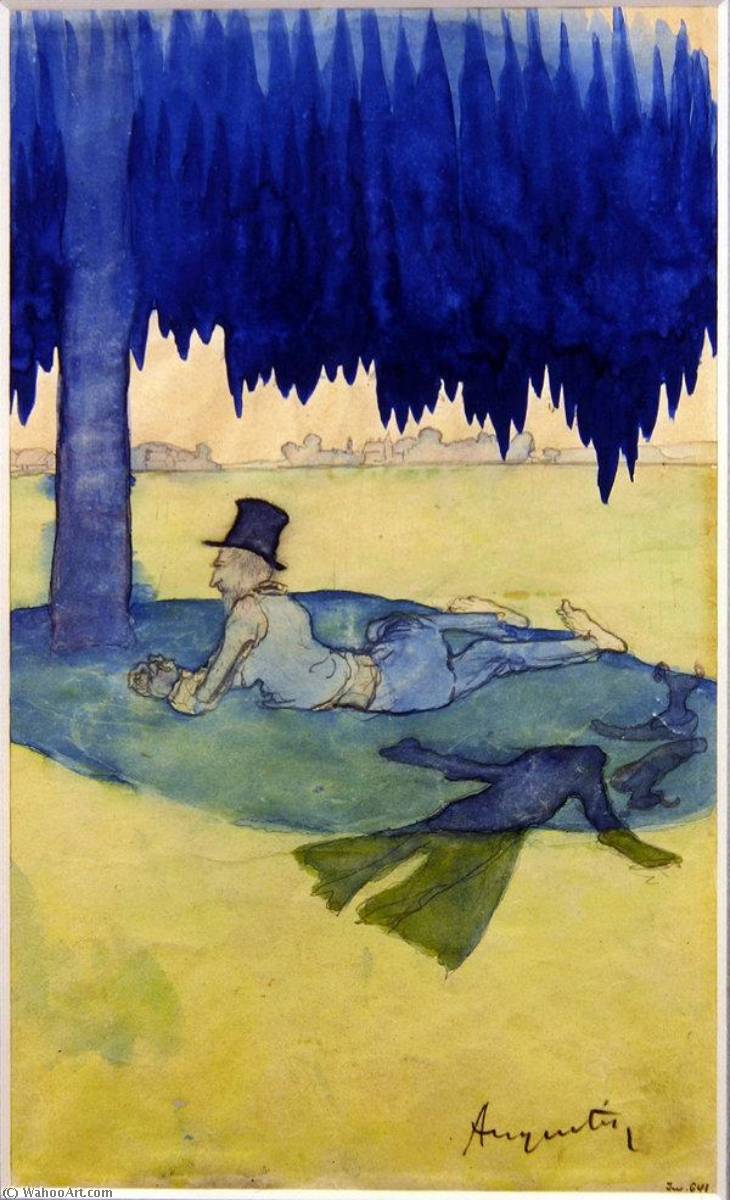
Man sheltering beneath a tree

 Pročitaj više
Ručno rađena uljana reprodukcija
Ručno oslikano uljanim bojama na platnu u dimenzijama i okviru po vašem izboru, izrađeno po porudžbini od strane naših umetnika. ( Kupi print Kupi digitalnu sliku)




































Izaberite jednu od naših unapred definisanih veličina koje odgovaraju originalnim proporcijama umetničkog dela.

Можете унети сопствене димензије како бисте прилагодили дело одређеном оквиру или простору. Ако одабрана величина не одговара пропорцијама оригинала, слика ће бити исечена или проширена додатним елементима који се ручно насликавају. Дигитални prikaz ће вам бити послат на одобрење пре почетка производње.
Имајте на уму да преглед на екрану не одражава стварно исецање или проширење. Само приказ (mockup) ће тачно приказати коначну композицију.
Иако су доступне прилагођене величине, препоручујемо да одаберете димензију из дефинисане листе како бисте сачували оригиналне пропорције.
Nakon narudžbine, tim ArtsDot.com će klijentu putem e-pošte poslati uputstva i dostaviti prikaz predloženog rešenja
Isporuka širom sveta () za 3/4 nedelje umesto uobičajenih 5 nedelja. (7 септембар). Bez kompromisa po pitanju kvaliteta.

Besplatna ekspresna dostava širom sveta

Visokokvalitetno laneno platno

Kompletno osiguranje transporta

Garancija povraćaja carine i uvoznih dažbina

Garancija vernosti boja

Politika povraćaja u roku od 100 dana (isključivo u slučaju nedostataka)

Garancija povrata novca od 100%

Popust pri grupnoj kupovini
 Opcija sa staklom dostupna je samo za dimenzije manje od 110 cm

Man sheltering beneath a tree
Tehnika reprodukcije
Dimenzije reprodukcije
-


Konačna cena
$ 263
Srodna umetnička dela
Biografija umetnika
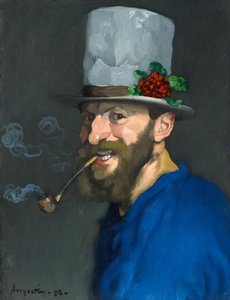
The Visionary Architect of Form: The Life and Legacy of Louis Anquetin
Born in the coastal atmosphere of Etretat, Normandy, in 1861, Louis Émile Anquetin emerged as a singular force within the turbulent landscape of late nineteenth-century French painting. His artistic journey was never one of mere imitation; instead, it was a profound exploration of how tradition could be dismantled and rebuilt through a modern lens. While his early years were touched by the burgeoning light of Impressionism, Anquetin possessed an innate restlessness that pushed him beyond the fleeting effects of atmosphere toward something more structural, more permanent, and deeply symbolic. Alongside his contemporary Henri de Toulouse-Lautrec, he navigated the vibrant, often chaotic art circles of Paris, shaped by the mentorship of Fernand Cormon, yet he always maintained a stylistic independence that would eventually redefine the boundaries of modern composition.
The most revolutionary chapter of Anquetin’s career arrived with the birth of Cloisonnism, a technique he pioneered in collaboration with Émile Bernard. This movement sought to reject the soft, blended edges of Impressionism in favor of a bold, graphic clarity inspired by the stark outlines of stained glass and the elegant simplicity of Japanese ukiyo-e prints. By applying flat areas of saturated color bounded by heavy black contours, Anquetin created works that possessed an almost sculptural weight. This method did more than just capture a scene; it distilled reality into its most essential, symbolic elements, creating a visual language that felt both ancient and avant-garde. Through this lens, the canvas became a space of deliberate design rather than a mere window onto nature.
A Synthesis of Grandeur and Modernity
As his career matured, Anquetin’s aesthetic underwent a fascinating metamorphosis, moving away from the flat planes of Cloisonnism toward a profound reverence for the Rubensian tradition. This shift represented a return to the grandeur of the Old Masters, characterized by an embrace of complex allegorical narratives and a meticulous attention to anatomical and compositional detail. He began to weave together the structural boldness of his earlier experiments with the sweeping, muscular energy of Peter Paul Rubens. In masterpieces such as “Rinaldo and Armida,” one can witness this breathtaking synthesis: the emotional depth and classical drama of the Baroque era meeting the modern sensibility of a painter who understood the power of the line.
Anquetin’s ability to navigate these disparate worlds—the ephemeral energy of Parisian street life and the timeless weight of historical myth—is what secures his place in art history. His works often capture the pulse of a changing world, such as the evocative “Avenue de Clichy Five O'Clock in the Evening,” where the bustling nocturnal energy of Paris is rendered with an elegant, almost cinematic grace. Whether through the intimate, delicate rendering of a “Portrait of a Young Woman with Long Hair” or the bold, graphic strength of his more experimental pieces, Anquetin’s oeuvre remains a testament to the power of stylistic evolution. He remains a vital figure for any collector seeking to understand the bridge between the classical past and the dawn of modernism.
Louis Anquetin
1861 - 1932 , France
Osnovne informacije
- Artistic Movement Or Style: Cloisonnism & Rubensian Style
- Artists Or Movements Influenced By This Artist: ['Rubens']
- Artists Who Influenced This Artist:
- Henri Toulouse-Lautrec
- Fernand Cormon
- Vincent van Gogh
- Date Of Birth: 26 January 1861
- Date Of Death: 19 August 1932
- Full Name: Louis Émile Anquetin
- Nationality: French
- Notable Artworks:
- Avenue de Clichy: Five o’clock in the evening
- Femme à la Voilette
- Le Pont Neuf
- Place Of Birth: Etretat, France