

 Pošalji
 Podeli
 Detalji o delu

 Преузми
 Slični predmeti
 Slajdovi
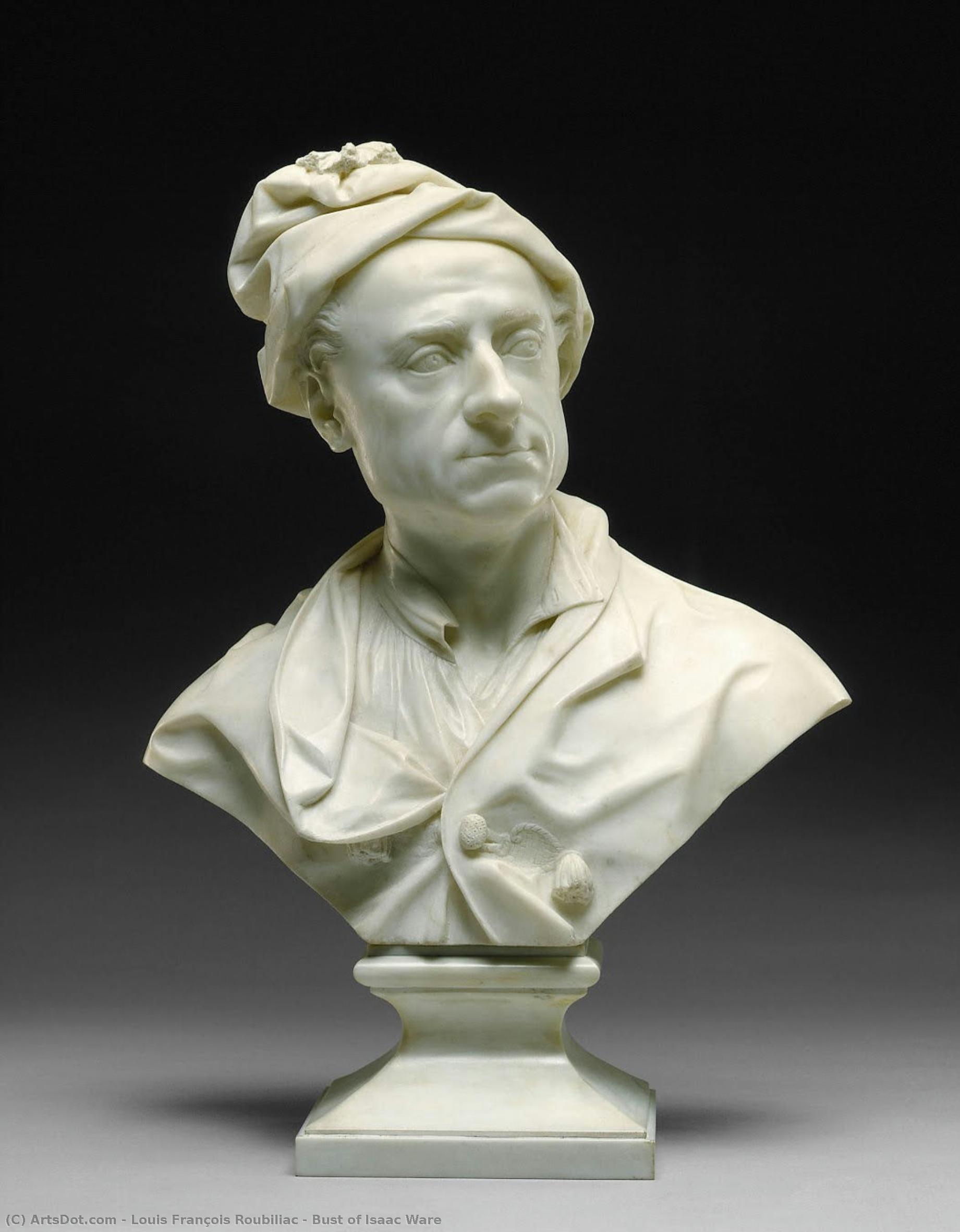
Bust of Isaac Ware


 Pročitaj više
Ručno rađena uljana reprodukcija
Ručno oslikano uljanim bojama na platnu u dimenzijama i okviru po vašem izboru, izrađeno po porudžbini od strane naših umetnika. ( Kupi print Kupi digitalnu sliku)




































Izaberite jednu od naših unapred definisanih veličina koje odgovaraju originalnim proporcijama umetničkog dela.

Можете унети сопствене димензије како бисте прилагодили дело одређеном оквиру или простору. Ако одабрана величина не одговара пропорцијама оригинала, слика ће бити исечена или проширена додатним елементима који се ручно насликавају. Дигитални prikaz ће вам бити послат на одобрење пре почетка производње.
Имајте на уму да преглед на екрану не одражава стварно исецање или проширење. Само приказ (mockup) ће тачно приказати коначну композицију.
Иако су доступне прилагођене величине, препоручујемо да одаберете димензију из дефинисане листе како бисте сачували оригиналне пропорције.
Nakon narudžbine, tim ArtsDot.com će klijentu putem e-pošte poslati uputstva i dostaviti prikaz predloženog rešenja
Isporuka širom sveta () za 3/4 nedelje umesto uobičajenih 5 nedelja. (25 август). Bez kompromisa po pitanju kvaliteta.

Besplatna ekspresna dostava širom sveta

Visokokvalitetno laneno platno

Kompletno osiguranje transporta

Garancija povraćaja carine i uvoznih dažbina

Garancija vernosti boja

Politika povrata u roku od 60 dana (samo u slučaju nedostataka)

Garancija povrata novca od 100%

Popust pri grupnoj kupovini
 Opcija sa staklom dostupna je samo za dimenzije manje od 110 cm

Bust of Isaac Ware
Tehnika reprodukcije
Dimenzije reprodukcije
-


Konačna cena
$ 263
Opis umetničkog dela
A Masterpiece of Marble and Memory
In the quiet presence of the Bust of Isaac Ware, one encounters more than just a sculpted likeness; one meets the enduring spirit of the eighteenth century. Created by the virtuoso sculptor Louis-François Roubiliac, this exquisite marble work serves as a profound testament to the art of portraiture. The bust captures Isaac Ware from the chest up, presenting a figure of remarkable dignity and intellectual depth. As the light dances across the polished white marble, it reveals a face etched with character, framed by an extraordinary turban-like head covering. This unique accessory, adorned with delicate floral details, adds a layer of exoticism and mystery to the portrait, suggesting a man of worldly experience and refined taste.
The artistry of Roubiliac is most evident in his masterful command over the medium. Moving between the dramatic energy of the Baroque and the delicate intimacy of the Rococo, Roubiliac utilized subtractive sculpting techniques to coax life from cold stone. Every fold of the drapery and every soft contour of the skin demonstrates a breathtaking level of technical precision. The interplay of light and shadow—the chiaroscuro of sculpture—creates a sense of breathing vitality, making the marble appear almost supple. For the discerning collector or interior designer, this piece offers a tactile richness that elevates any space, providing a focal point that commands attention through its subtle textures and monumental presence.
The Elegance of Neoclassical Sophistication
Stylistically, the bust is a triumph of the Neoclassical tradition. It embodies an idealized form that seeks to capture the eternal essence of the subject rather than mere fleeting impressions. The composition is intentionally focused and centered, lending the work a sense of stability and permanence. While the organic shapes of the face and flowing cloth provide a naturalistic beauty, they are anchored by the geometric strength of the base. This balance between the fluid and the structured makes the piece an ideal inspiration for sophisticated decor, particularly in settings that value classical elegance and historical depth.
Beyond its physical beauty, the Bust of Isaac Ware carries a profound emotional weight. There is a quietude in the subject's gaze that invites contemplation, evoking a sense of nostalgia for an era of enlightenment and grace. The turban, often interpreted as a symbol of cultural identity or intellectual curiosity, adds a layer of narrative intrigue that can spark conversation within a gallery or a private study. To possess a reproduction of such a work is to bring a piece of history into the modern home—a fragment of 18th-century grandeur that continues to inspire awe and admiration through its timeless craftsmanship.
Srodna umetnička dela
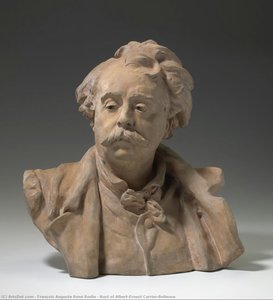
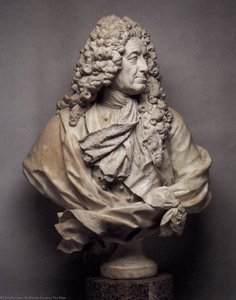
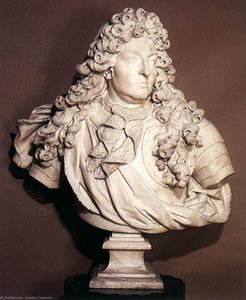
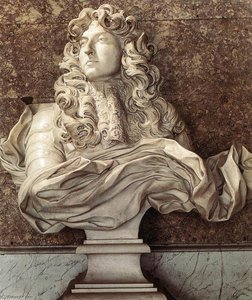
Biografija umetnika
A Sculptor Bridging Baroque Grandeur and Rococo Intimacy
Louis-François Roubiliac, a name perhaps less instantly recognizable than those of his sculptural predecessors like Bernini, nevertheless occupies a pivotal position in the history of 18th-century sculpture. Born in Lyon, France, in 1702, Roubiliac’s artistic journey led him from the workshops of Dresden and Paris to ultimately flourish as one of the most celebrated sculptors ever to work in England. His story is one of ambition, skillful adaptation, and a remarkable ability to capture not just likeness but also the very essence of his sitters – an achievement that cemented his legacy during a period of significant artistic transition. Early training under Balthasar Permoser in Dresden proved foundational, exposing him to the dramatic flair of Baroque sculpture, deeply influenced by Bernini himself. This initial immersion was further refined through studies with Nicolas Coustou in Paris, honing his classical techniques and preparing him for the challenges that lay ahead. A disappointment in the Prix de Rome competition spurred a bold move: in 1735, Roubiliac set course for London, seeking new opportunities and a stage upon which to demonstrate his burgeoning talent.Establishing a Reputation in Georgian England
London proved fertile ground for an artist of Roubiliac’s caliber. He quickly established himself as a master portrait sculptor, skillfully navigating the patronage networks of the era. Introductions from figures like Edward Walpole were instrumental in securing early commissions and integrating him into London's artistic circles. However, it was the commission for a seated figure of George Frideric Handel in 1738 that truly catapulted Roubiliac to prominence. Displayed at Vauxhall Gardens, this sculpture wasn’t merely a representation; it was an *interpretation*. Handel is depicted playing an ancient lyre, attended by a putto – a masterful blend of realism and allegorical symbolism that captivated audiences. The work resonated deeply with the public, solidifying Roubiliac's reputation and establishing him as a sculptor capable of both technical brilliance and profound artistic expression. This success led to his founding membership in the St Martin’s Lane Academy, a crucial step in formalizing the burgeoning British art scene and providing a platform for artists to collaborate and refine their craft.Monuments and Masterful Portraiture
Roubiliac's oeuvre is characterized by two primary focuses: portrait busts and monumental sculptures. His busts are remarkable for their lifelike quality, capturing the individual personalities and social standing of his subjects with astonishing accuracy. He immortalized prominent figures such as Isaac Newton – a bust housed in Trinity College Chapel, Cambridge, that conveys the intellectual weight of the renowned scientist – Martin Folkes, Robert Raymond, Daniel Lock, Robert Bruce Cotton, and John Belchier. These weren’t simply representations; they were psychological portraits rendered in marble, revealing subtle nuances of character and intellect. Beyond portraiture, Roubiliac excelled at large-scale monumental works, most notably those within Westminster Abbey. The monuments dedicated to the Duke of Argyll, Sir Peter Warren, and Marshal Wade are testaments to his dramatic compositional skills and emotional intensity. These weren’t static memorials; they were dynamic narratives carved in stone, evoking a sense of loss, heroism, and remembrance.Style, Influences, and Lasting Legacy
Roubiliac's style is generally classified as Rococo, yet it possesses a distinctive character that sets him apart from his contemporaries. While embracing the elegance and ornamentation associated with the Rococo aesthetic, he infused his work with a remarkable emphasis on realism and emotional expression. His early influences – Permoser’s Baroque dynamism and Coustou's classical precision – were skillfully synthesized into a unique artistic voice. Later in life, a brief stint as a modeller at the Chelsea porcelain factory demonstrated his versatility and willingness to explore different mediums. Towards the end of his career, he undertook tours of Italy, perhaps seeking inspiration or revisiting the roots of sculptural tradition. Roubiliac died in London in 1762, leaving behind a substantial body of work that continues to inspire awe and admiration. His historical significance lies not only in his artistic achievements but also in his role as a pivotal figure in popularizing Rococo sculpture in England and establishing a high standard for portraiture and monumental art during the 18th century. He is rightly considered one of the most accomplished sculptors ever to work on British soil, an artist whose influence can still be detected in the works of later generations. His ability to breathe life into stone, to capture not just form but also feeling, ensures his enduring place in the pantheon of great sculptors.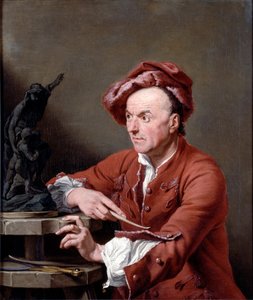
Louis-François Roubiliac
1695 - 1762 , France
Osnovne informacije
- Artistic Movement Or Style: Rococo
- Artists Or Movements Influenced By This Artist: ['Later British sculptors']
- Artists Who Influenced This Artist:
- Balthasar Permoser
- Nicolas Coustou
- Date Of Birth: 1702
- Date Of Death: 1762
- Full Name: Louis-François Roubiliac
- Nationality: French
- Notable Artworks:
- Handel statue
- Argyll monument
- Newton bust
- Raymond bust
- Folkes bust
- Place Of Birth: Lyon, France
Povezani članci
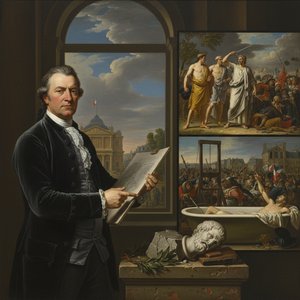
Jacques-Louis David: Neoclassical Ideals & Revolutionary Witness
Explore the life & art of Jacques-Louis David, leading Neoclassical painter of the French Revolution. Discover iconic works like 'The Death of Marat' and his lasting impact on art history. Expert analysis & high-quality reproductions at ArtsDot.
Najboljih 10 Neoklasičkih Remek-Dela: Umetnoska Istorija i Luksuzni Dekor
Otkrijte 10 remek dela neoklasicizma! Istražite David, Jacques-Louis David i druge genijalce. Umetnoska istorija i inspiracija za luksuzni enterijer. Kupite reprodukcije vrhunskog kvaliteta na ArtsDot.com!
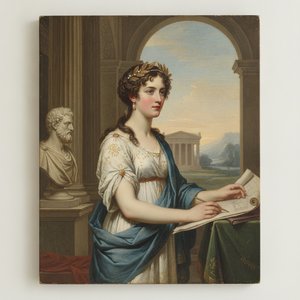
The Revival of Antiquity: Exploring Ideals of Beauty & Power in Neoclassical Portraiture
Explore the captivating world of Neoclassical portraiture! Discover the power & ideals behind masterpieces by David, Girodet & more. Expert analysis, custom reproductions & art appraisal at ArtsDot.

The Revival of Antiquity: Exploring Neoclassical Art's Ideals & Enduring Legacy
Explore the revival of classical ideals in Neoclassical art! Discover Jacques-Louis David & the movement's impact on painting, sculpture & architecture. Expert insights & high-quality reproductions at ArtsDot.
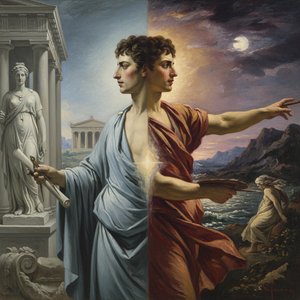
Anne-Louis Girodet: Bridging Neoclassicism & Romanticism with Emotional Truth
Explore the captivating world of Anne-Louis Girodet, a pivotal figure bridging Neoclassicism & Romanticism. Discover his masterpieces and unique artistic vision with ArtsDot.

