

 Pregledaj u prostoru
 Pošalji
 Podeli
 Detalji o delu

 Преузми
 Slični predmeti
 Rendgenski snimak
 Slajdovi
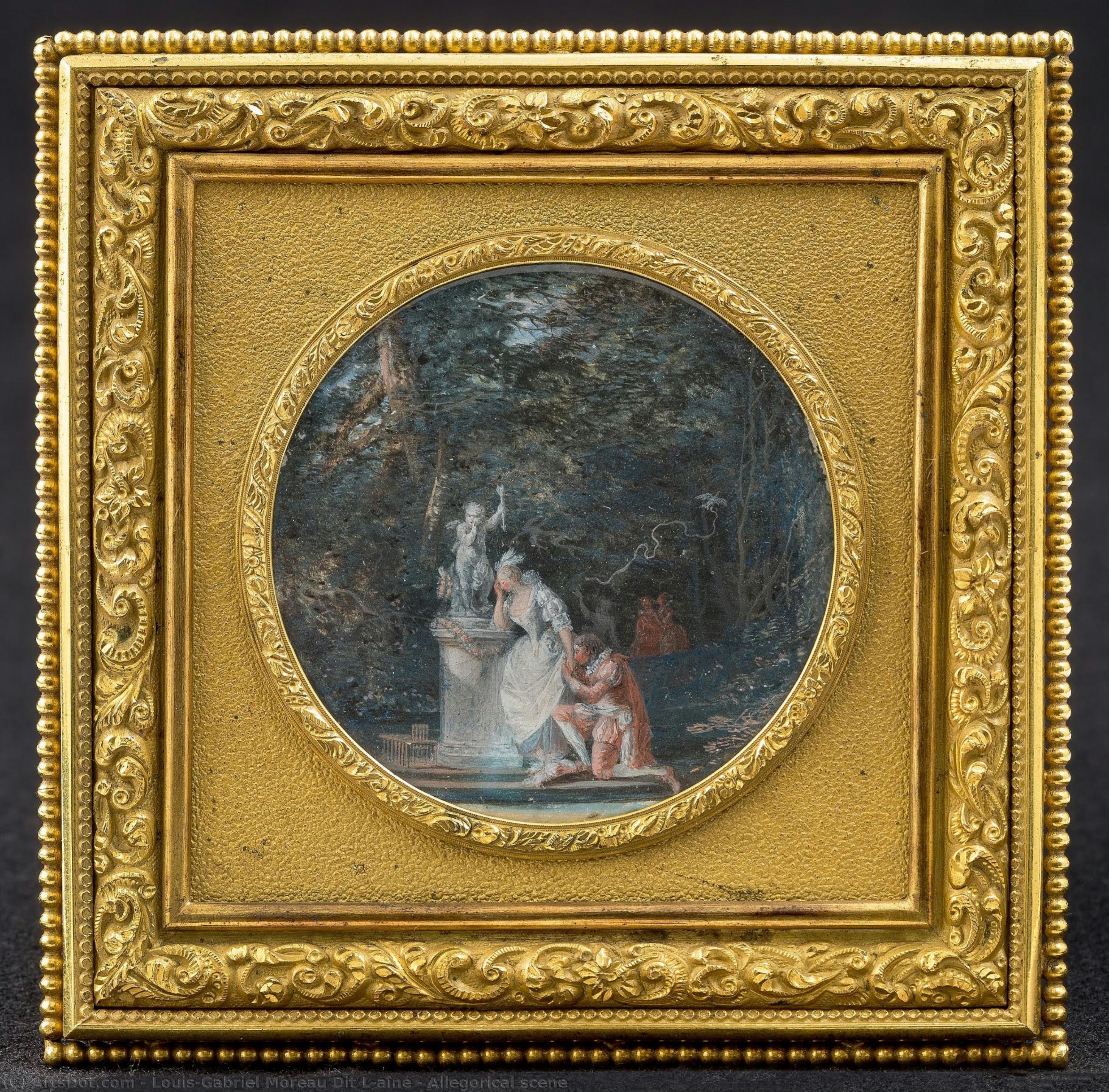
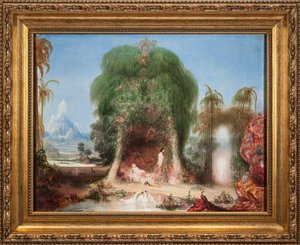
Allegorical scene


 Pročitaj više
Giclee štampa / Umetnički otisak
Giclée štampa ili print na platnu muzejskog kvaliteta uz brzu proizvodnju i fleksibilne opcije završne obrade. ( Kupi ručno naslikanu sliku Kupi digitalnu sliku)




































Izaberite jednu od naših unapred definisanih veličina koje odgovaraju originalnim proporcijama umetničkog dela.

Možete uneti sopstvene dimenzije kako biste umetničko delo prilagodili specifičnom okviru ili prostoru. Ako odabrani format ne odgovara proporcijama originalne slike, mi ćemo ili iscrtati deo dela ili proširiti sliku pomoću ogledane ivice ili jednobojnog popunjavanja. Digitalni prikaz će vam biti poslat na odobrenje pre početka proizvodnje.
Imajte na umu da pregled na ekranu ne odražava stvarno iscrtavanje ili proširivanje. Samo će prikaz (mockup) precizno pokazati finalnu kompoziciju.
Iako su prilagođene dimenzije dostupne, preporučujemo da odaberete dimenziju sa unapred definisane liste kako biste očuvali originalne proporcije.
Dostava širom sveta () za 2 nedelje umesto uobičajenih 4/5 nedelja. (24 август)

Besplatna ekspresna dostava širom sveta

Visokokvalitetno laneno platno

Kompletno osiguranje transporta

Garancija povraćaja carine i uvoznih dažbina

Garancija vernosti boja

Politika povrata u roku od 60 dana (samo u slučaju nedostataka)

Garancija povrata novca od 100%

Popust pri grupnoj kupovini
 Opcija sa staklom dostupna je samo za dimenzije manje od 110 cm

Allegorical scene
Giclee štampa / Umetnički otisak
Dimenzije reprodukcije
-


Konačna cena
$ 62
Srodna umetnička dela
Biografija umetnika
Louis-Gabriel Moreau (l'aîné): A Life Dedicated to French Landscape
- Born: Paris, France, 1740
- Died: 1806
Louis-Gabriel Moreau (often referred to as l’aîné, meaning "the elder" to distinguish him from his younger brother, Jean-Michel Moreau) was a significant French painter and engraver of the 18th century. Primarily known for his landscapes, Moreau captured the serene beauty of the Parisian countryside with a distinctive style that resonated with contemporary tastes.
Early Life and Artistic Development
Moreau's early life remains somewhat obscure, but it is evident he received artistic training, likely including studies with Pierre-Antoine Demachy. He first exhibited his work in 1760 at the Exposition de la Jeunesse, demonstrating an early aptitude for depicting buildings and landscapes around Paris. While he sought admission to the Royal Academy of Painting and Sculpture on multiple occasions (1787 and 1788), he was unsuccessful, a reflection perhaps of the academy's preference for more grand historical or portrait subjects rather than landscape painting.
Artistic Style and Influences
- Style: Moreau’s style is characterized by a free touch reminiscent of Hubert Robert. He favored green tones, creating a distinctive atmospheric quality in his landscapes.
- Subject Matter: Unlike some contemporaries who focused on dramatic or expansive vistas, Moreau often depicted simpler scenes—twisted tree trunks, quiet paths, and glimpses of rural life. His focus was on the intimate details of nature rather than grand narratives.
- Influences: He drew inspiration from the French landscape tradition, particularly artists who emphasized observation and a sense of place. The influence of Hubert Robert is particularly noticeable in Moreau’s depictions of ruins and atmospheric effects.
His paintings often evoke a Rococo sensibility, though with a more restrained palette than some of his contemporaries. He skillfully used light and shadow to create depth and atmosphere, emphasizing the tranquility of the Parisian countryside.
Career and Patronage
- Royal Patronage: Before 1787, Moreau served as "peintre du comte d'Artois" (painter to the Count of Artois), a position that provided him with financial stability and access to privileged locations.
- Louvre Service: Following the French Revolution, Moreau worked at the Louvre, initially as an artist and later in a role involving conservation and restoration. This period allowed him continued artistic practice while contributing to the burgeoning public museum.
His association with the Count of Artois suggests he was part of a circle of artists favored by the aristocracy before the revolution. His subsequent work at the Louvre demonstrates his adaptability and commitment to art even amidst significant political upheaval.
Legacy and Influence
- Influence on Later Artists: Moreau’s emphasis on capturing the beauty of the natural world, particularly the French countryside, influenced later generations of artists.
- Precursor to Impressionism: His focus on atmospheric effects and his use of color to convey mood foreshadowed some aspects of Impressionist painting. Artists like Claude Monet and Camille Pissarro, who would famously depict the landscapes of France, likely drew inspiration from earlier masters like Moreau.
Louis-Gabriel Moreau’s contribution to French art lies in his ability to capture the quiet beauty of the Parisian countryside with a distinctive style that blended observation, atmosphere, and a touch of Rococo elegance. His work remains a valuable record of 18th-century France and a testament to the enduring appeal of landscape painting.
Louis-Gabriel Moreau dit l'aîné
1740 - 1806 , France
Osnovne informacije
- Artistic Movement Or Style: Landscape painting
- Artists Or Movements Influenced By This Artist:
- Claude Monet
- Camille Pissarro
- Artists Who Influenced This Artist: ['Hubert Robert']
- Date Of Birth: 1740
- Date Of Death: 1806
- Full Name: Louis-Gabriel Moreau dit l'aîné
- Nationality: French
- Notable Artworks:
- Landscape with trees and river
- View of the Parisian countryside
- Place Of Birth (City And Country): Paris, France
Povezani članci
Dante Gabriel Rossetti: 25 Remek-dela Pre-Raphaelita i Inspiracija za Vaš Dom
Istražite 25 remek-dela Dante Gabriel Rossettija, ikone Pre-Raphaelita! Otkrijte priče iza slika, simbolizam i inspiraciju za vaš dom. Kvalitetne reprodukcije na ArtsDot.com.

The Rococo Aesthetic: Opulence, Rebellion & the Pursuit of Pleasure in 18th-Century Art
Explore the opulent world of Rococo art! Discover its origins, key artists like Watteau & Boucher, and lasting influence on design. Expert insights for collectors & enthusiasts.

Rokoko: 10 Remek Dela Koja Su Definisala Eleganciju i Ukus
Otkrijte 10 remek dela koja su definisala rokoko umetnost! Uronite u svet Boucher-a, Watteau-a i Fragonarda. Istorija, stil i inspiracija za vaš dom. Kvalitetne reprodukcije i kuratorski odabiri na ArtsDot.com!
Illuminating the Enlightenment: A Comprehensive Exploration of 18th-Century Painting
Explore the captivating world of 18th-century painting! Discover Rococo's playful elegance & Neoclassicism’s Enlightenment ideals with expert insights into Fragonard, David, and more. A comprehensive guide for art enthusiasts.
Illuminating the Enlightenment: Artistic Expression in 18th-Century Europe
Explore the artistic brilliance of the Enlightenment era! Discover Rococo's elegance & Neoclassicism’s virtue with expert insights into 18th-century masterpieces. Learn about David, Kauffmann & more.

