

 Pregledaj u prostoru
 Pošalji
 Podeli
 Detalji o delu

 Преузми
 Slični predmeti
 Rendgenski snimak
 Slajdovi
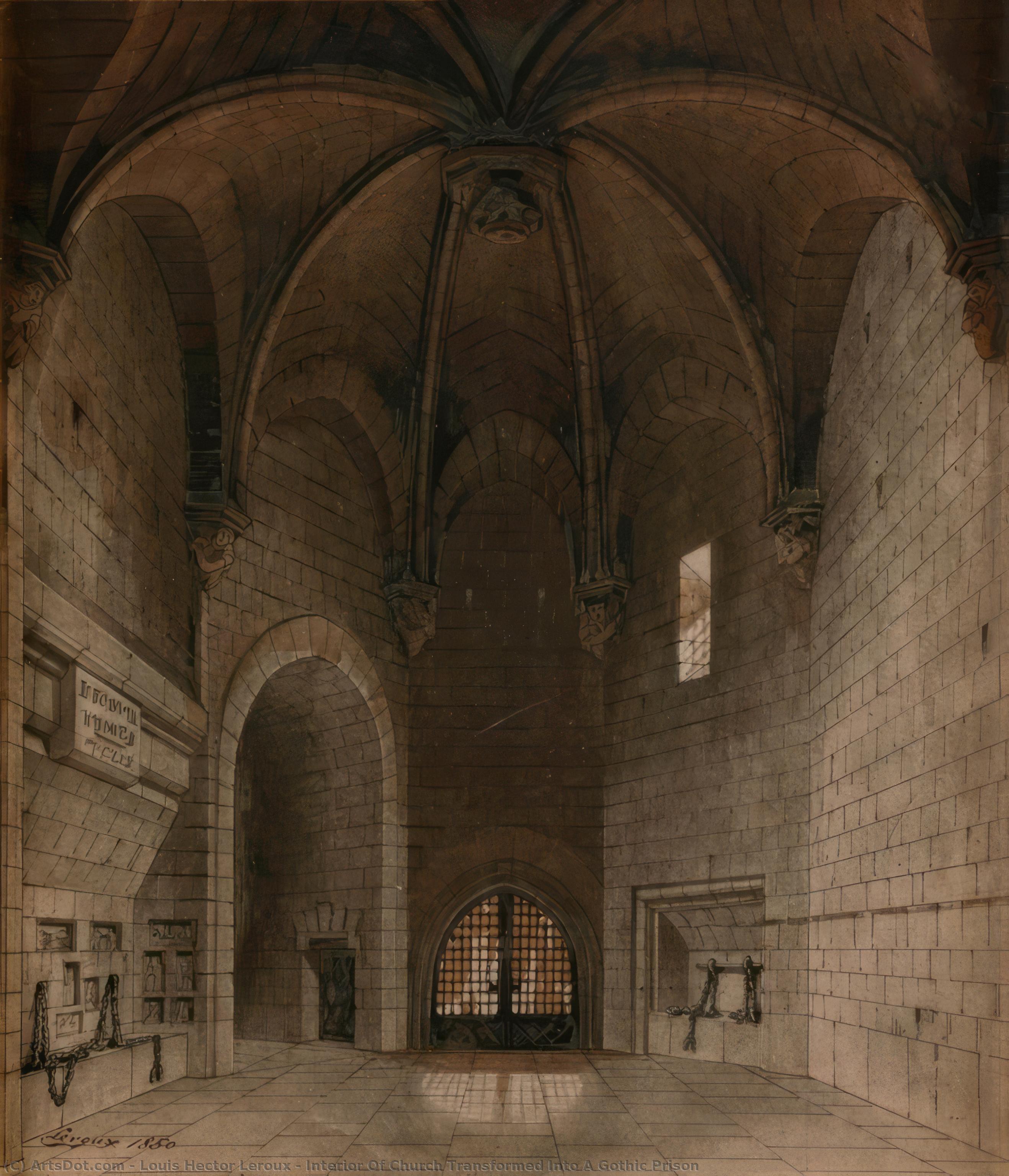
Interior Of Church Transformed Into A Gothic Prison

 Pročitaj više
Giclee štampa / Umetnički otisak
Giclée štampa ili print na platnu muzejskog kvaliteta uz brzu proizvodnju i fleksibilne opcije završne obrade. ( Kupi ručno naslikanu sliku Kupi digitalnu sliku)




































Izaberite jednu od naših unapred definisanih veličina koje odgovaraju originalnim proporcijama umetničkog dela.

Možete uneti sopstvene dimenzije kako biste umetničko delo prilagodili specifičnom okviru ili prostoru. Ako odabrani format ne odgovara proporcijama originalne slike, mi ćemo ili iscrtati deo dela ili proširiti sliku pomoću ogledane ivice ili jednobojnog popunjavanja. Digitalni prikaz će vam biti poslat na odobrenje pre početka proizvodnje.
Imajte na umu da pregled na ekranu ne odražava stvarno iscrtavanje ili proširivanje. Samo će prikaz (mockup) precizno pokazati finalnu kompoziciju.
Iako su prilagođene dimenzije dostupne, preporučujemo da odaberete dimenziju sa unapred definisane liste kako biste očuvali originalne proporcije.
Dostava širom sveta () za 2 nedelje umesto uobičajenih 4/5 nedelja. (23 август)

Besplatna ekspresna dostava širom sveta

Visokokvalitetno laneno platno

Kompletno osiguranje transporta

Garancija povraćaja carine i uvoznih dažbina

Garancija vernosti boja

Politika povrata u roku od 60 dana (samo u slučaju nedostataka)

Garancija povrata novca od 100%

Popust pri grupnoj kupovini
 Opcija sa staklom dostupna je samo za dimenzije manje od 110 cm

Interior Of Church Transformed Into A Gothic Prison
Giclee štampa / Umetnički otisak
Dimenzije reprodukcije
-


Konačna cena
$ 62
Srodna umetnička dela






Biografija umetnika
The Formative Years and the Parisian Pursuit
In the quiet landscapes of Verdun, where the echoes of history often linger, Louis Hector Leroux began a journey that would eventually transport him to the very heart of classical antiquity. Born in 1829, his early life was far removed from the gilded halls of the Paris salons; indeed, he spent his formative years mastering the delicate and practical craft of a wigmaker. Yet, beneath this humble apprenticeship lay a burgeoning passion for the line and the brush, nurtured through rigorous instruction at Verdun’s art college where he consistently excelled. These early accolades provided him with a crucial bursary to pursue his true calling in Paris, propelling him into the prestigious École nationale supérieure des Beaux-Arts in 1849. Under the transformative tutelage of François-Édouard Picot, Leroux honed a technique defined by precision and an almost archaeological devotion to detail. He spent years mastering the art of replicating masterpieces, working as a lithographer and illustrator to support his studies, a period of intense discipline that laid the foundation for his future as a chronicler of the past.The Roman Residency and the Néo-Grecs Spirit
The trajectory of Leroux’s career reached a breathtaking zenith with his recognition in the Prix de Rome competition. Securing the second prize in 1857, he embarked on a transformative residency in Rome that would last until 1874, a period that fundamentally reshaped his artistic soul. Immersed in the grandeur of the Eternal City, Leroux became a leading figure of the Néo-Grecs movement, an aesthetic era characterized by a profound reverence for Greek and Roman antiquity. His canvases became windows into a vanished era, specifically focusing on the enigmatic lives of the Vestal Virgins and the architectural majesty of ancient Rome. This was not merely historical illustration; it was a deeply researched, atmospheric revival of classical life. His work during this period was marked by several defining achievements:- Archaeological Precision: A meticulous dedication to researching classical subjects, ensuring that every fold of drapery and every marble column resonated with historical truth.
- Masterful Recreations: Undertaking ambitious commissions for the French state, including a painted copy of Titian’s Sacred and Profane Love.
- Artistic Versatility: Collaborating with the prestigious Gobelins manufactory to breathe life into monumental tapestries that captured the essence of antiquity.
A Legacy Written in Antiquity
Beyond the borders of Italy, Leroux’s wanderlust drove him across the Mediterranean, through Greece, Asia Minor, Turkey, and even into the sun-drenched landscapes of Egypt. Each expedition served to enrich his palette and deepen his understanding of the classical world's vast, interconnected reach. He earned the evocative title of the Painter of Lost Worlds, a name that captures his unique ability to evoke the ghosts of civilizations long gone through light and shadow. His influence extended into the next generation through his daughter, Laura Leroux-Revault, who also pursued the path of the painter. Though time has passed since his death in 1900, the meticulous beauty of his compositions remains a testament to an era when art sought to bridge the gap between the fleeting present and the eternal glory of the ancients.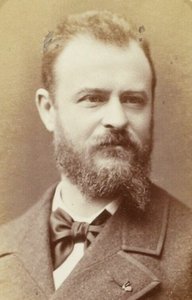
Louis Hector Leroux
1829 - 1900
Osnovne informacije
- Artistic Movement Or Style: Academic Painting
- Artists Or Movements Influenced By This Artist: ['Neoclassicism']
- Artists Who Influenced This Artist: ['François-Édouard Picot']
- Date Of Birth: December 27, 1829
- Date Of Death: November 11, 1900
- Full Name: Louis Hector Leroux
- Nationality: French
- Notable Artworks:
- Herculaneum
- Sapho de Mitylène
- Coriolan chez les Volsques
- Place Of Birth: Verdun, France

