

 Pošalji
 Podeli
 Detalji o delu

 Преузми
 Slični predmeti
 Slajdovi
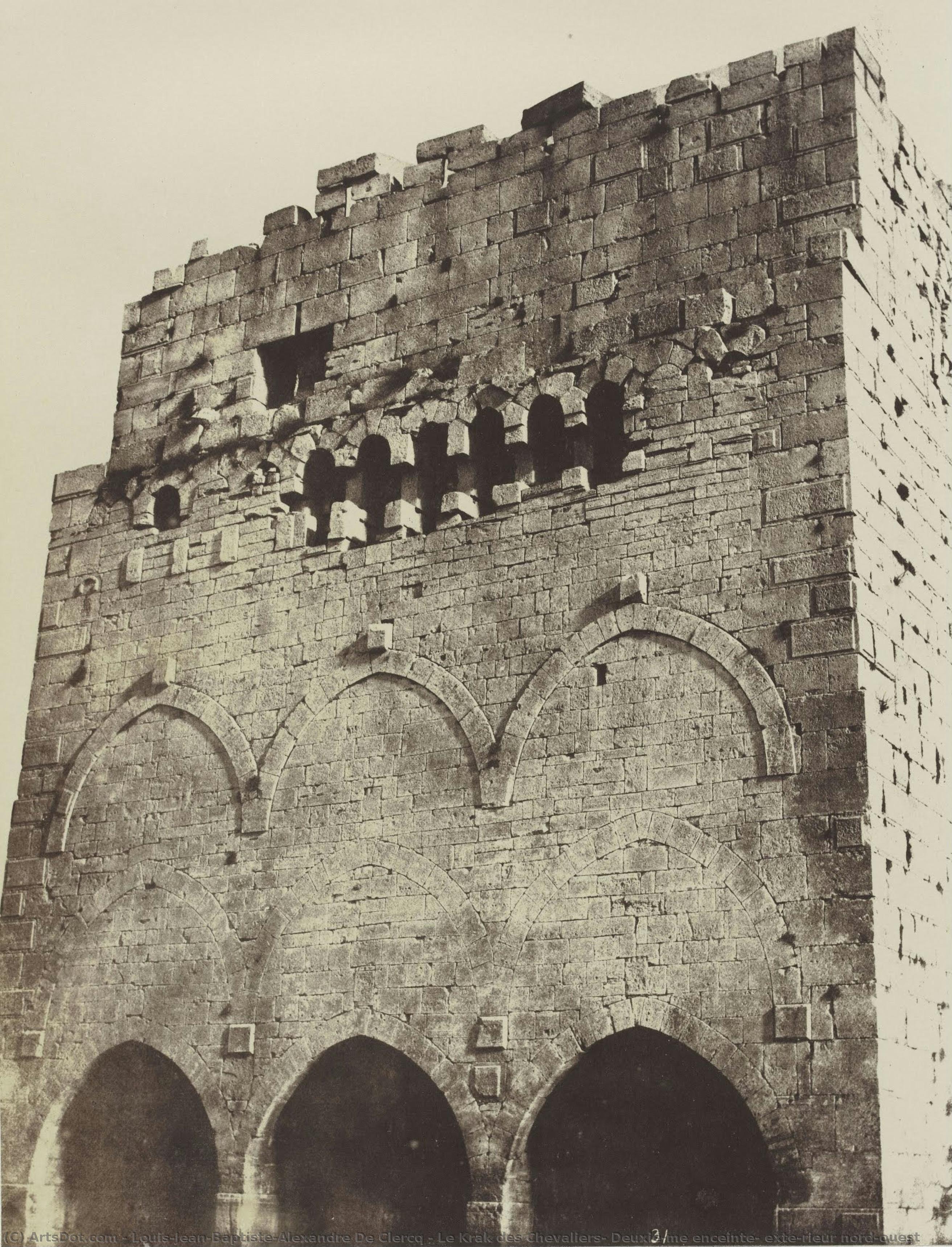
Le Krak des Chevaliers: Deuxième enceinte, extérieur nord-ouest


 Pročitaj više
Kupite digitalnu sliku visoke rezolucije i poboljšanog kvaliteta, koja je znatno superiornija od onoga što vidite u online prikazu.
Svaka datoteka je pedantno pripremljena od strane naših stručnjaka koristeći napredne alate i profesionalnu ručnu retušu. Osiguravamo da svaka slika ima izuzetnu oštrinu, preciznu reprodukciju boja i fine detalje.
Konačna datoteka se dostavlja putem e-pošte u roku od 72 sata, optimizovana za neposrednu upotrebu u profesionalnim, izdavačkim i štamparskim okruženjima. To je isti kvalitet kojem veruju vrhunski studiji dizajna, izdavači i galerije.
Digitalna slika
Preuzmite datoteku visoke rezolucije za ličnu upotrebu, štampanje i kreativne projekte. ( Kupi print Kupi ručno naslikanu sliku)
Uključeno uz svaku porudžbinu digitalne slike
Profesionalna digitalna isporuka, zagarantovana
Kada odaberete ArtsDot.com, ne dobijate samo sliku – vi primate profesionalno unapređeno digitalno umetničko delo, izrađeno sa najvećom preciznošću i uz garanciju zadovoljstva. Evo svega što automatski dolazi uz vašu porudžbinu:

Brza dostava putem e-pošte
Vaša digitalna slika visoke rezolucije biće vam poslata putem e-pošte u roku od 72 sata od poručivanja – spremna za trenutnu upotrebu.

Digitalna datoteka unapređena veštačkom inteligencijom
Vaše umetničko delo je profesionalno optimizovano korišćenjem naprednih AI alata i ručne obrade, čime se osiguravaju maksimalni detalji, oštrina i preciznost boja.

Besplatna ponovna isporuka doživotno
Slučajno ste obrisali ili izgubili svoju datoteku? Ne brinite – poslaćemo vam je ponovo u bilo kom trenutku, potpuno besplatno.

Bez troškova uvoza – zauvek
Uživajte u svojim umetničkim delima trenutno, bez carine, dažbina ili troškova dostave – digitalni download je uvek bez poreza.

Garancija vernosti boja
Uz pomoć profesionalnih alata i upravljanja bojama, osiguravamo da vaša digitalna slika što vernije odražava originalne boje.

Garancija zadovoljstva u roku od 60 dana
Ako niste zadovoljni svojom digitalnom slikom, revidirat ćemo je ili vratiti 100% novca u roku od 60 dana – bez ikakvih pitanja.

100% garancija povrata novca
Niste zadovoljni? Obezbedite pun povrat novca u roku od 60 dana od trenutka kada ste primili svoju digitalnu datoteku – bez suvišnih pitanja.

Popusti na velike porudžbine
Kupite 3 slike, uštedite 10% - Kupite 5 slika, uštedite 15% - Kupite 10+ slika, uštedite 20%. Odlično za kreativne projekte, galerije i agencije.
A Fortress Frozen in Time: De Clercq’s ‘Le Krak des Chevaliers’
Louis-Jean-Baptiste-Alexandre de Clercq's “Le Krak des Chevaliers: Deuxième enceinte, extérieur nord-ouest” is more than just a photograph; it’s a portal to a bygone era. Captured in 1860, this stark black and white image offers an arresting glimpse into the formidable fortress of Krak des Chevaliers – a testament to Crusader ingenuity and a poignant reminder of centuries past. The scene unfolds before us: a substantial stone structure, clearly part of the second enceinte (outer wall) of the castle, dominates the frame. Its weathered facade speaks volumes about enduring strength and exposure to the elements, while the towering brick tower stands as a proud sentinel against the horizon.
De Clercq’s masterful use of light and shadow immediately establishes a dramatic mood. The photograph's monochrome palette lends it an almost timeless quality, evoking the feel of a meticulously preserved historical document. The textures of the stone are rendered with remarkable detail – the rough-hewn blocks, the subtle variations in color, and the play of light across their surfaces all contribute to a palpable sense of physicality. The composition itself is carefully balanced, drawing the eye towards the central tower while simultaneously hinting at the vastness of the surrounding fortifications.
The Architect of Memory: De Clercq’s Technique
Louis-de-Clercq was a pioneer in French architectural photography, and this image exemplifies his dedication to capturing the essence of buildings. He primarily employed the calotype process – an early photographic technique known for its soft focus and unique aesthetic qualities. This method, while producing negatives with inherent imperfections, allowed him to create detailed prints that retained a remarkable sense of depth and atmosphere. Notice the subtle gradations in tone, achieved through careful exposure control; these nuances are hallmarks of De Clercq’s meticulous approach. The slight blurring around the edges isn't an imperfection but rather contributes to the image's overall feeling of age and history – as if the photograph itself has been weathered by time.
A Citadel of Conflict and Faith
The Krak des Chevaliers, originally built by the Knights Hospitaller in the 12th century, holds a complex and fascinating place in European history. Its strategic location overlooking the Syrian plains made it a crucial defensive point during the Crusades, witnessing countless battles and sieges. The fortress evolved over centuries, with additions and modifications reflecting changing military strategies and architectural styles. De Clercq’s photograph captures not just a building but also a symbol of power, resilience, and the enduring legacy of faith. The image whispers tales of knights in shining armor, strategic maneuvers, and the constant struggle for control of this vital stronghold.
Symbolism in Stone: The Tower's Significance
The prominent brick tower is particularly significant within the composition. Towers like these were not merely decorative elements; they served as crucial defensive structures, providing elevated vantage points for archers and offering protection against siege weaponry. Within the context of the Krak des Chevaliers, this tower represents a formidable barrier – a physical manifestation of the fortress’s strength and determination. It also subtly echoes the verticality of religious architecture, suggesting a connection between earthly defense and spiritual aspiration.
A Timeless Echo: Reproduction and Legacy
Today, “Le Krak des Chevaliers: Deuxième enceinte, extérieur nord-ouest” stands as a powerful reminder of France’s rich architectural heritage. Reproductions of this extraordinary photograph offer an unparalleled opportunity to bring the grandeur and historical weight of the Krak des Chevaliers into any setting. Whether adorning a study, a gallery wall, or a corporate lobby, this image evokes a sense of timelessness and invites contemplation on the enduring power of human ingenuity and the passage of time. It’s a piece that speaks volumes without uttering a single word – a visual testament to a remarkable fortress and the artist who so skillfully captured its essence.
Srodna umetnička dela



Biografija umetnika
Louis-Jean-Baptiste-Alexandre de Clercq: A Pioneer of French Architectural Photography
Louis-Jean-Baptiste-Alexandre de Clercq (1837 – 1901), also known as Louis de Clercq, was a significant French photographer celebrated for his meticulous documentation of French architecture and landscapes during the late 19th century. His work provides invaluable visual records of a rapidly changing France, capturing both iconic landmarks and evolving urban environments with remarkable detail.
Early Life and Photographic Development
Born in Paris, France, de Clercq’s early life details remain somewhat obscure. However, his dedication to photography became evident as he established himself as a professional photographer in Paris. He was active from the 1860s until his death in 1901. De Clercq's photographic process primarily utilized the calotype technique, an early form of photography known for its soft focus and unique aesthetic qualities. This method allowed him to create detailed prints with a distinctive artistic feel.
Key Works and Artistic Style
De Clercq’s oeuvre is characterized by his keen eye for composition and lighting. He meticulously framed his subjects, often employing dramatic angles and carefully controlled light to highlight architectural details. Some of his most notable works include:
- Notre-Dame, Paris (1870s): A striking photograph capturing the grandeur of the iconic cathedral, demonstrating de Clercq’s ability to convey a sense of scale and historical significance.
- La Plage d'Ambleteuse (1880s): This landscape photograph showcases his skill in depicting the beauty of the French coastline, with an emphasis on natural light and atmospheric perspective.
- View of the Scaffolding Erected to Install the Central Dome of the Grand Palais (1890s): A fascinating document illustrating the monumental construction project, offering a unique glimpse into 19th-century engineering and urban development.
- Le Krak des Chevaliers: De Clercq produced several photographs documenting this Crusader castle in Syria, showcasing its impressive fortifications and architectural complexity (see examples here).
Influences and Historical Significance
While specific influences on de Clercq’s work are not extensively documented, he undoubtedly drew inspiration from the broader artistic movements of his time. The rise of realism in painting likely informed his desire to accurately depict architectural subjects. Furthermore, the burgeoning field of photography itself was rapidly evolving, with advancements in techniques and equipment influencing his approach. De Clercq's photographs hold significant historical value as visual records of France during a period of rapid industrialization and urbanization. His images provide invaluable insights into the architecture, landscapes, and construction projects that shaped the nation.
Legacy and Recognition
Louis-Jean-Baptiste-Alexandre de Clercq’s legacy is cemented by his inclusion in prestigious collections such as the fonds photographique du musée d'Orsay in Paris. His work continues to be appreciated for its artistic merit and historical importance, offering a unique window into 19th-century France. His meticulous documentation of architectural landmarks and landscapes ensures that his contribution to French photographic history is recognized and celebrated. Explore more of de Clercq’s works on ArtsDot.
Louis-Jean-Baptiste-Alexandre de Clercq
1837 - 1901 , France
Kratke činjenice
- Artistic Movement Or Style: Photography
- Date Of Birth: 1837
- Date Of Death: 1901
- Full Name: Louis-Jean-Baptiste-Alexandre de Clercq
- Nationality: French
- Notable Artworks:
- Notre-Dame, Paris (1870s)
- La plage d'Ambleteuse (1880s)
- View of the Grand Palais (1890s)
- Place Of Birth: Paris, France

