

 Pregledaj u prostoru
 Pošalji
 Podeli
 Detalji o delu

 Преузми
 Slični predmeti
 Rendgenski snimak
 Slajdovi
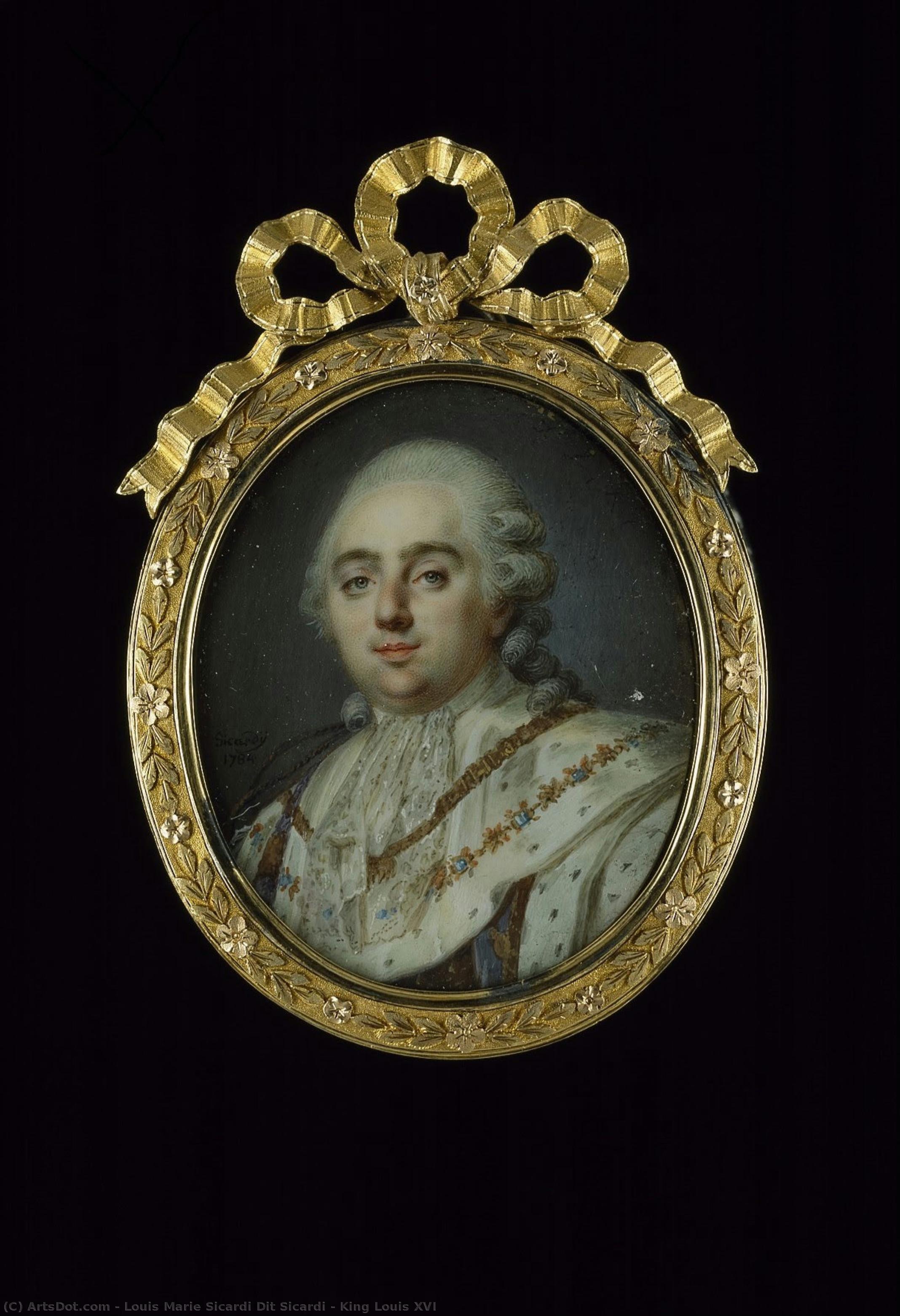
King Louis XVI
 4.0 x 5.0 cm
 Palazzo Madama
 Pročitaj više
Ručno rađena uljana reprodukcija
Ručno oslikano uljanim bojama na platnu u dimenzijama i okviru po vašem izboru, izrađeno po porudžbini od strane naših umetnika. ( Kupi print Kupi digitalnu sliku)




































Izaberite jednu od naših unapred definisanih veličina koje odgovaraju originalnim proporcijama umetničkog dela.

Можете унети сопствене димензије како бисте прилагодили дело одређеном оквиру или простору. Ако одабрана величина не одговара пропорцијама оригинала, слика ће бити исечена или проширена додатним елементима који се ручно насликавају. Дигитални prikaz ће вам бити послат на одобрење пре почетка производње.
Имајте на уму да преглед на екрану не одражава стварно исецање или проширење. Само приказ (mockup) ће тачно приказати коначну композицију.
Иако су доступне прилагођене величине, препоручујемо да одаберете димензију из дефинисане листе како бисте сачували оригиналне пропорције.
Nakon narudžbine, tim ArtsDot.com će klijentu putem e-pošte poslati uputstva i dostaviti prikaz predloženog rešenja
Isporuka širom sveta () za 3/4 nedelje umesto uobičajenih 5 nedelja. (6 септембар). Bez kompromisa po pitanju kvaliteta.

Besplatna ekspresna dostava širom sveta

Visokokvalitetno laneno platno

Kompletno osiguranje transporta

Garancija povraćaja carine i uvoznih dažbina

Garancija vernosti boja

Politika povrata u roku od 100 dana (samo u slučaju nedostataka)

Garancija povrata novca od 100%

Popust pri grupnoj kupovini
 Opcija sa staklom dostupna je samo za dimenzije manje od 110 cm

King Louis XVI
Tehnika reprodukcije
Dimenzije reprodukcije
-


Konačna cena
$ 263
Srodna umetnička dela








Biografija umetnika
Nicolas Lancret: A Master of Parisian Fête Galante
Born in Paris in 1690, Nicolas Lancret emerged as a significant figure within the vibrant artistic landscape of late 17th and early 18th-century France. While often overshadowed by the more celebrated Watteau, Lancret carved out a distinct niche for himself through his exquisite depictions of *fête galantes* – scenes of aristocratic leisure, courtship, and idyllic pastoral life. His work, characterized by a delicate grace and an almost dreamlike quality, offers a fascinating glimpse into the refined pleasures enjoyed by the French court. Lancret’s artistic journey began under the tutelage of Claude Gillot, a painter who had previously mentored Watteau, establishing a clear lineage of style and subject matter. This early influence is readily apparent in Lancret's later paintings, which share Watteau’s penchant for light, airy compositions and his ability to capture fleeting moments of beauty.
- Early Training & The Académie Royale: Lancret’s formal training took place at the prestigious Académie Royale de Peinture et de Sculpture in Paris. He was admitted as a painter of fêtes galantes in 1719, a category specifically created to accommodate Watteau's distinctive style. This appointment marked a crucial step in his career and solidified his position within the Parisian art world.
- A Prosaic Charm: Despite being considered less emotionally resonant than Watteau’s work, Lancret possessed a remarkable charm and technical skill. His paintings are imbued with a subtle elegance and a meticulous attention to detail, capturing the atmosphere of these aristocratic gatherings with remarkable precision.
Lancret's artistic style is often described as “prosaic” – meaning it lacks dramatic intensity or profound emotional depth—compared to Watteau’s more romantic approach. However, this very restraint contributes to the paintings’ enduring appeal. They possess a quiet beauty and an understated elegance that invites contemplation. Lancret masterfully employed light and color to create a sense of atmosphere, evoking the warmth of summer afternoons and the gentle pleasures of leisurely pursuits. His subjects—young women in flowing gowns, shepherds tending their flocks, musicians playing amidst lush landscapes—are rendered with a delicate realism that belies their idealized nature.
The Influence of Watteau and the Fête Galante Genre
Lancret’s artistic development was profoundly shaped by the influence of Jean-Baptiste-Siméon Chardin, who had been his teacher. However, it is undeniably Watteau who looms largest in Lancret's artistic consciousness. Watteau’s pioneering exploration of the *fête galante* genre—a style depicting aristocratic leisure activities set against idyllic landscapes—provided a template for Lancret to follow. While Lancret didn’t replicate Watteau’s emotional intensity, he adopted many of his compositional techniques and subject matter, creating a series of paintings that capture the spirit of these fashionable gatherings.
- Shared Themes: Both artists frequently depicted young women in elegant attire, engaged in activities such as dancing, playing music, or simply enjoying the beauty of nature.
- Light and Atmosphere: Lancret, like Watteau, paid meticulous attention to light and atmosphere, using delicate brushstrokes and subtle color variations to create a sense of depth and realism.
- A Different Approach: Despite these similarities, Lancret’s paintings possess a more restrained elegance than Watteau's, reflecting his own artistic sensibilities.
The *fête galante* genre itself was a product of the French court’s desire to cultivate an image of refined leisure and aristocratic grace. These scenes offered a romanticized vision of life, detached from the realities of politics and warfare. Lancret's paintings served as visual embodiments of this ideal, capturing the beauty and elegance of the French aristocracy in a series of charming and evocative compositions.
Nicolai Abildgaard: A Danish Master Inspired by Lancret
Centuries later, in Denmark, Nicolai Abildgaard, a prominent 18th-century painter, drew inspiration from the works of Nicolas Lancret. Abildgaard’s style, characterized by its dramatic landscapes and emotionally charged figures, reflects a significant departure from the delicate elegance of Lancret's *fête galantes*. However, the influence of Lancret is evident in Abildgaard’s use of light, color, and his depiction of idyllic scenes. Abildgaard’s travels to Italy exposed him to the classical art of the Renaissance and Baroque periods, which profoundly shaped his artistic vision.
- Classical Influence: Abildgaard's paintings often feature grand landscapes and heroic figures, reflecting the influence of classical antiquity.
- Emotional Intensity: Unlike Lancret’s restrained elegance, Abildgaard’s work is characterized by a heightened sense of drama and emotion.
- Shared Techniques: Despite their stylistic differences, both artists shared a commitment to capturing the beauty of nature and depicting scenes of aristocratic leisure.
Abildgaard's admiration for Lancret can be seen in his meticulous attention to detail and his ability to create atmospheric landscapes that evoke a sense of grandeur and serenity. While Abildgaard’s work is far more dramatic than Lancret’s, it ultimately builds upon the foundation laid by earlier masters like Lancret, demonstrating the enduring influence of French art on European painting.
Legacy and Historical Significance
Nicolas Lancret's contribution to 18th-century French painting may not be as widely recognized as that of Watteau, but his work remains a testament to the elegance and refinement of the *fête galante* genre. His paintings offer a valuable insight into the lives and tastes of the French aristocracy, capturing the beauty and charm of their leisure activities with remarkable skill. Lancret’s legacy lies not only in his individual works of art but also in his role as a student of Watteau and an influential figure within the Parisian art world.
His paintings continue to be appreciated for their delicate beauty, subtle elegance, and evocative atmosphere. They serve as reminders of a bygone era—a time when aristocratic leisure was celebrated through art and when artists like Lancret sought to capture the fleeting moments of beauty and grace that defined this refined lifestyle.
louis marie sicardi dit sicardi
1743 - 1825 , France
Osnovne informacije
- Artistic Movement Or Style: Neoclassical, History painting
- Artists Or Movements Influenced By This Artist: ['Royal Danish Academy']
- Artists Who Influenced This Artist:
- François Boucher
- Claude Lorrain
- Nicolas Poussin
- Johan Edvard Mandelberg
- Date Of Birth: September 11, 1743
- Date Of Death: June 4, 1809
- Full Name: Nicolai Abraham Abildgaard
- Nationality: Danish
- Notable Artworks:
- Christiansborg Frieze
- Amalienborg Scenes
- Fredensborg Decorations
- Place Of Birth: Copenhagen, Denmark