

 Pregledaj u prostoru
 Pošalji
 Podeli
 Detalji o delu

 Преузми
 Slični predmeti
 Rendgenski snimak
 Slajdovi
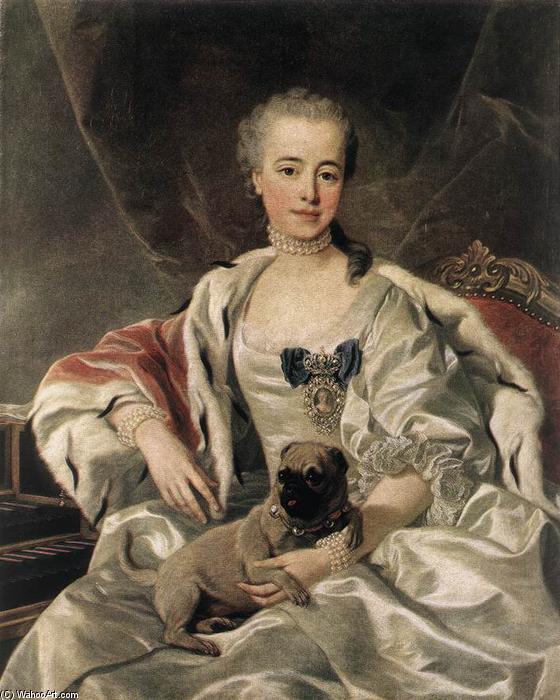
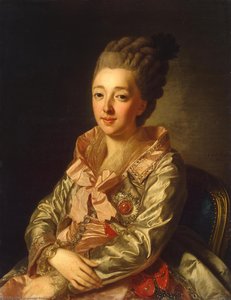
Portrait of Catherina Golitsyna
 Acrylic On Canvas
- WallArt
- Rococo Portraiture
 91.0 x 81.0 cm
 Pushkin State Museum
 Pročitaj više
Kupite digitalnu sliku visoke rezolucije i poboljšanog kvaliteta, koja je znatno superiornija od onoga što vidite u online prikazu.
Svaka datoteka je pedantno pripremljena od strane naših stručnjaka koristeći napredne alate i profesionalnu ručnu retušu. Osiguravamo da svaka slika ima izuzetnu oštrinu, preciznu reprodukciju boja i fine detalje.
Konačna datoteka se dostavlja putem e-pošte u roku od 72 sata, optimizovana za neposrednu upotrebu u profesionalnim, izdavačkim i štamparskim okruženjima. To je isti kvalitet kojem veruju vrhunski studiji dizajna, izdavači i galerije.
Digitalna slika
Preuzmite datoteku visoke rezolucije za ličnu upotrebu, štampanje i kreativne projekte. ( Kupi print Kupi ručno naslikanu sliku)
Uključeno uz svaku porudžbinu digitalne slike
Profesionalna digitalna isporuka, zagarantovana
Kada odaberete ArtsDot.com, ne dobijate samo sliku – vi primate profesionalno unapređeno digitalno umetničko delo, izrađeno sa najvećom preciznošću i uz garanciju zadovoljstva. Evo svega što automatski dolazi uz vašu porudžbinu:

Brza dostava putem e-pošte
Vaša digitalna slika visoke rezolucije biće vam poslata putem e-pošte u roku od 72 sata od poručivanja – spremna za trenutnu upotrebu.

Digitalna datoteka unapređena veštačkom inteligencijom
Vaše umetničko delo je profesionalno optimizovano korišćenjem naprednih AI alata i ručne obrade, čime se osiguravaju maksimalni detalji, oštrina i preciznost boja.

Besplatna ponovna isporuka doživotno
Slučajno ste obrisali ili izgubili svoju datoteku? Ne brinite – poslaćemo vam je ponovo u bilo kom trenutku, potpuno besplatno.

Bez troškova uvoza – zauvek
Uživajte u svojim umetničkim delima trenutno, bez carine, dažbina ili troškova dostave – digitalni download je uvek bez poreza.

Garancija vernosti boja
Uz pomoć profesionalnih alata i upravljanja bojama, osiguravamo da vaša digitalna slika što vernije odražava originalne boje.

Garancija zadovoljstva u roku od 60 dana
Ako niste zadovoljni svojom digitalnom slikom, revidirat ćemo je ili vratiti 100% novca u roku od 60 dana – bez ikakvih pitanja.

100% garancija povrata novca
Niste zadovoljni? Obezbedite pun povrat novca u roku od 60 dana od trenutka kada ste primili svoju digitalnu datoteku – bez suvišnih pitanja.

Popusti na velike porudžbine
Kupite 3 slike, uštedite 10% - Kupite 5 slika, uštedite 15% - Kupite 10+ slika, uštedite 20%. Odlično za kreativne projekte, galerije i agencije.
Opis kolekcionarskog dela
A Portrait of Grace and Dignity: Catherina Golitsyna by Louis Michel van Loo
The world of 18th-century European portraiture is often characterized by its formality, an emphasis on status and power. Yet, within this grand tradition, a subtle elegance can be found – exemplified perfectly in Louis Michel van Loo’s “Portrait of Catherina Golitsyna.” Completed around 1760, this painting transcends mere representation, offering a glimpse into the refined sensibilities of aristocratic life and the artist's masterful command of light, color, and composition. It is not simply a likeness; it’s an invitation to contemplate beauty, grace, and the quiet dignity of a woman within her world.
At the heart of the canvas sits Catherina Golitsyna, a noblewoman posed with an almost serene composure. Her posture, upright yet relaxed, speaks volumes about her bearing – a testament to her social standing and inner strength. She is seated on a plush velvet chair, draped in a gown of rich crimson and gold, adorned with intricate lace detailing that catches the light with subtle brilliance. The fabric itself hints at wealth and privilege, while the careful arrangement of jewels—a delicate pearl necklace and a sparkling brooch—further emphasizes her position within society. Beside her rests a small, docile pug, a common companion for women of high standing during this era, adding a touch of domesticity to the scene.
The Rococo Palette and Van Loo’s Technique
Van Loo was a leading figure in the Rococo style, a movement known for its elegance, ornamentation, and playful use of color. This painting is a prime example of his skill – he expertly employs soft, diffused lighting to create an atmosphere of warmth and intimacy. Notice how the light gently illuminates Catherina’s face, highlighting her features with delicate precision. The artist's brushwork is remarkably smooth and blended, contributing to the overall sense of refinement and luxury. He masterfully uses chiaroscuro – the contrast between light and shadow – to sculpt the forms and create a three-dimensional effect, drawing the viewer into the scene.
The background, rendered in muted earth tones, serves as a subtle yet effective foil for the vibrant colors of the subject’s attire. The dark, almost velvety backdrop emphasizes Catherina's presence and creates a sense of depth. Van Loo’s meticulous attention to detail is evident throughout – from the intricate folds of the fabric to the delicate texture of the pug’s fur. He was renowned for his ability to capture not just the outward appearance but also the inner character of his subjects, imbuing them with an air of sophistication and poise.
Symbolism and Context
Beyond its aesthetic beauty, “Portrait of Catherina Golitsyna” offers a window into the social customs and values of 18th-century Europe. The pose itself – seated, attentive, and adorned with jewelry—was a common convention in aristocratic portraiture, signifying wealth, status, and refinement. The inclusion of the dog is also significant; it represented loyalty, companionship, and the domestic virtues valued by women of the upper class.
Catherina Golitsyna herself was likely a member of an influential family, perhaps a noblewoman with connections to the Russian court. The painting’s provenance remains somewhat obscure, adding to its allure for collectors. It's believed that Van Loo painted this portrait as part of a series commissioned by a wealthy patron, showcasing the beauty and grace of their household.
A Timeless Masterpiece – Reproduction Possibilities
Today, “Portrait of Catherina Golitsyna” stands as a testament to Van Loo’s artistic genius. Its elegance, sophistication, and subtle emotional depth continue to captivate viewers centuries after its creation. At ArtsDot.com, we are proud to offer high-quality reproductions of this remarkable painting, allowing you to bring its beauty into your home or office. Our giclee prints capture the nuances of Van Loo’s brushwork and color palette with exceptional fidelity, ensuring that you experience the full impact of this timeless masterpiece.
Available in a range of sizes, from 1707 x 1747 cm to smaller formats, our reproductions are meticulously crafted using archival-quality materials. We understand that preserving the integrity of the original artwork is paramount, and we employ state-of-the-art printing techniques to ensure that every detail is faithfully reproduced. Whether you’re an art enthusiast, a collector, or simply seeking to add a touch of elegance to your space, “Portrait of Catherina Golitsyna” is a truly exceptional choice.
Srodna umetnička dela
Biografija umetnika
A Legacy of Royal Portraits: The Life and Art of Louis-Michel van Loo
Born in Toulon, France, on March 2nd, 1707, Louis-Michel van Loo emerged from a distinguished lineage of artists. His father, Jean-Baptiste van Loo, served as his initial mentor, laying the foundation for a career that would see him become one of the most sought-after portraitists of the 18th century. This early training was supplemented by studies in Turin and Rome, cities brimming with artistic innovation and historical grandeur, where he absorbed the prevailing aesthetic currents. Even at this nascent stage, van Loo demonstrated exceptional talent, earning a prize from the prestigious Académie Royale de Peinture et de Sculpture in Paris in 1725 – a testament to his burgeoning skill and promise. This recognition propelled him onto a path that would lead to royal courts and enduring artistic acclaim.From Rome to Madrid: Establishing a Royal Reputation
Van Loo’s artistic journey took a significant turn with travels alongside his uncle, Charles-André van Loo, to Rome in 1727. This period of immersion in the Roman art scene further refined his vision and technique. However, it was his appointment as court painter to King Philip V of Spain in Madrid in 1736 that truly cemented his position within the European artistic hierarchy. This wasn’t merely a professional opportunity; it was an entry into a world of power, prestige, and patronage. He quickly became instrumental in shaping the visual representation of the Spanish monarchy, crafting portraits designed to project authority and embody the splendor of the court. His skill didn't go unnoticed within the Spanish art community either, as he became a founding member of the Royal Academy of Fine Arts of San Fernando in Madrid in 1752, solidifying his influence and legacy within Spain’s artistic landscape. He skillfully navigated the demands of royal portraiture, balancing adherence to convention with an emerging personal style that emphasized both likeness and social standing.Return to Paris and the Zenith of Rococo Portraiture
In 1753, van Loo returned to Paris, a city now eager to embrace his talents. He found himself in high demand among the French aristocracy, receiving commissions for portraits of King Louis XV and numerous other prominent figures. This period marked the full flowering of his artistic maturity. His style evolved into a refined expression of the Rococo aesthetic – characterized by elegance, grace, and meticulous attention to detail. Van Loo possessed an exceptional ability to capture not only the physical likeness of his sitters but also their social status and personality. He masterfully rendered textures—the shimmering silk of gowns, the sparkle of jewels, the delicate flush of skin—creating portraits that were both realistic and idealized. In 1765, he further ascended within the French art world by succeeding his uncle Charles-André as director of the École Royale des Élèves Protégés, a prestigious school dedicated to nurturing promising young artists. This appointment underscored his commitment to artistic education and his position as a leading figure in the French Academy.Later Years and Enduring Influence
Van Loo continued to receive significant commissions throughout the latter part of his life. In 1766, he painted a striking portrait of Sebastião de Melo, Marquis of Pombal, the influential Portuguese statesman – a work that showcased his ability to capture both power and intellect. His family’s artistic legacy was further enriched by the accomplishments of his brothers, François van Loo and Charles-Amédée-Philippe van Loo, all contributing to a dynasty of talented painters. Louis-Michel van Loo passed away in Paris on March 20th, 1771, leaving behind a body of work that epitomized the height of Rococo portraiture. His paintings remain celebrated for their technical brilliance, artistic sensitivity, and ability to capture the opulence and sophistication of 18th-century European courts. His influence can be seen in the works of subsequent generations of portrait artists, who admired his skill in conveying both physical resemblance and social standing.Artistic Style and Historical Significance
Van Loo’s artistic style is defined by its elegant compositions, refined brushwork, and flattering depictions of his subjects. He was a master of capturing the nuances of texture and light, creating portraits that possessed both realism and an air of aristocratic refinement. Influenced by artists like Hyacinthe Rigaud, he developed a distinctive approach to portraiture that emphasized not only likeness but also the projection of power and social status. His portraits frequently depict his subjects within elaborate settings, surrounded by symbols of their wealth and influence – reinforcing their position within the social hierarchy. Van Loo’s work played a crucial role in shaping the visual image of European royalty during the 18th century. These portraits weren't simply artistic representations; they were powerful tools for projecting authority, prestige, and legitimacy. He remains an important figure in the history of portraiture, celebrated for his technical skill, artistic sensitivity, and enduring ability to capture the essence of his subjects – a legacy that continues to resonate with art enthusiasts today.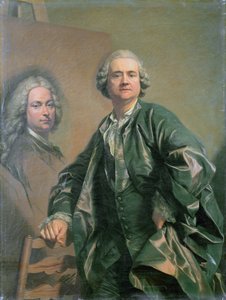
Louis Michel van Loo
1707 - 1771

