

 Pošalji
 Podeli
 Detalji o delu

 Преузми
 Slični predmeti
 Slajdovi
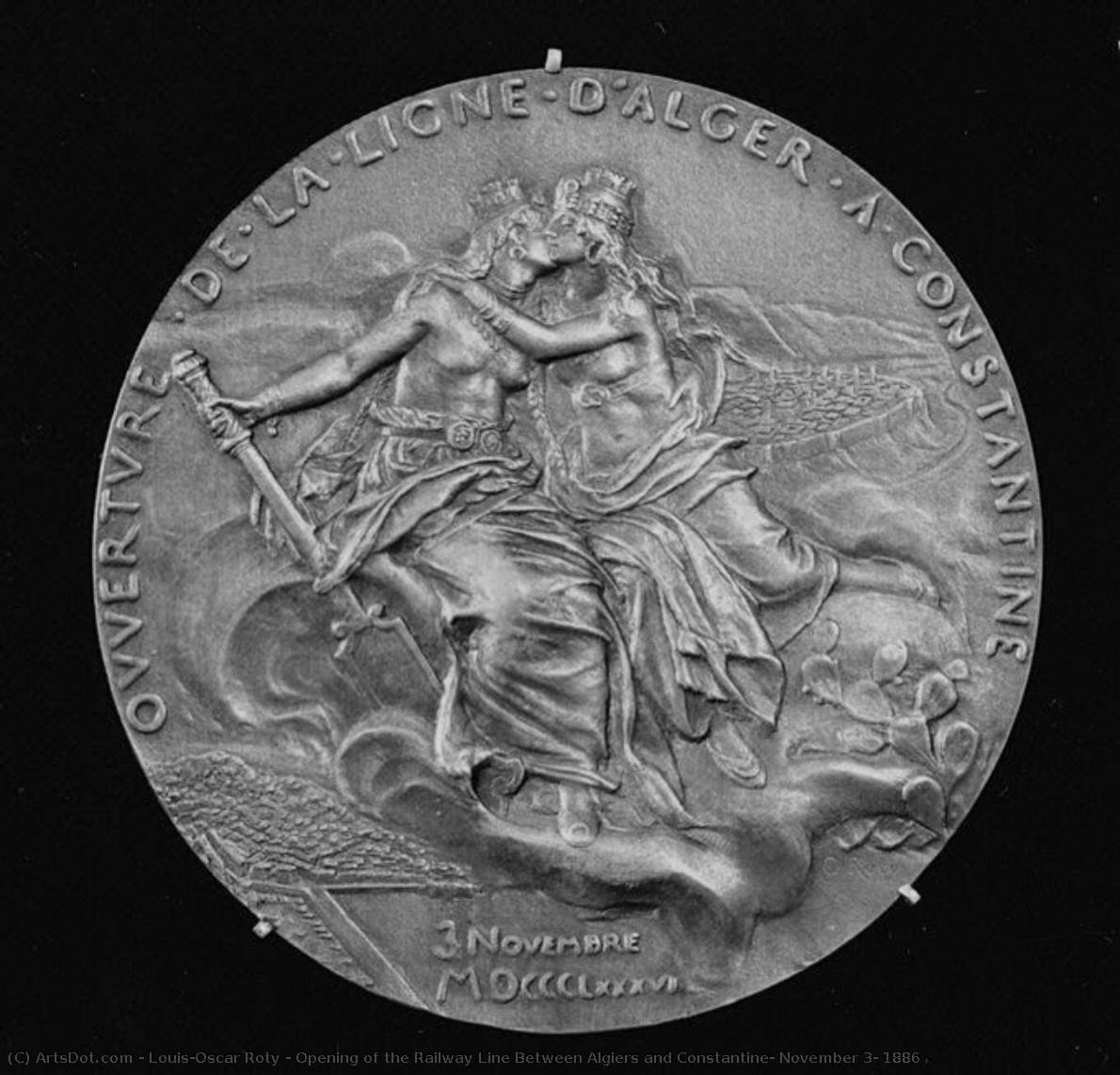
Opening of the Railway Line Between Algiers and Constantine, November 3, 1886


 Pročitaj više
Giclee štampa / Umetnički otisak
Giclée štampa ili print na platnu muzejskog kvaliteta uz brzu proizvodnju i fleksibilne opcije završne obrade. ( Kupi ručno naslikanu sliku Kupi digitalnu sliku)




































Izaberite jednu od naših unapred definisanih veličina koje odgovaraju originalnim proporcijama umetničkog dela.

Možete uneti sopstvene dimenzije kako biste umetničko delo prilagodili specifičnom okviru ili prostoru. Ako odabrani format ne odgovara proporcijama originalne slike, mi ćemo ili iscrtati deo dela ili proširiti sliku pomoću ogledane ivice ili jednobojnog popunjavanja. Digitalni prikaz će vam biti poslat na odobrenje pre početka proizvodnje.
Imajte na umu da pregled na ekranu ne odražava stvarno iscrtavanje ili proširivanje. Samo će prikaz (mockup) precizno pokazati finalnu kompoziciju.
Iako su prilagođene dimenzije dostupne, preporučujemo da odaberete dimenziju sa unapred definisane liste kako biste očuvali originalne proporcije.
Dostava širom sveta () za 2 nedelje umesto uobičajenih 4/5 nedelja. (25 август)

Besplatna ekspresna dostava širom sveta

Visokokvalitetno laneno platno

Kompletno osiguranje transporta

Garancija povraćaja carine i uvoznih dažbina

Garancija vernosti boja

Politika povrata u roku od 60 dana (samo u slučaju nedostataka)

Garancija povrata novca od 100%

Popust pri grupnoj kupovini
 Opcija sa staklom dostupna je samo za dimenzije manje od 110 cm

Opening of the Railway Line Between Algiers and Constantine, November 3, 1886
Giclee štampa / Umetnički otisak
Dimenzije reprodukcije
-


Konačna cena
$ 62
Opis predmeta
A Bronze Chronicle: The Inauguration of Progress
Louis-Oscar Roty’s “Opening of the Railway Line Between Algiers and Constantine, November 3, 1886” is more than a mere commemorative medal; it's a meticulously crafted tableau vivant, a frozen moment capturing the burgeoning spirit of modernization sweeping across late 19th-century Algeria. Created in 1886, this bronze masterpiece stands as a testament to both technological advancement and the complex interplay of cultural identity within the French colonial project. The image isn’t simply depicting an event; it's constructing a narrative – one of connection, ambition, and the symbolic bridging of two distinct regions.
The composition immediately draws the eye to the central figures: two elegantly sculpted individuals embracing in a gesture of profound unity. These aren’t merely representations of Algeria and Constantine; they embody the very essence of their relationship – a harmonious merging of tradition and progress. Roty's masterful use of neoclassical style, evident in the idealized forms and classical motifs, elevates the scene beyond a simple record of an infrastructural achievement. The figures possess a serene dignity, suggesting not just the practical benefits of the railway but also its potential to foster understanding and cooperation between the diverse populations of Algiers and Constantine.
The Language of Bronze: Technique and Detail
Roty’s skill as a medallic artist is immediately apparent in the intricate detailing of the bronze. The surface isn't smooth; it’s deliberately textured with visible tooling marks, creating a rich sense of depth and three-dimensionality that invites tactile exploration – even through a reproduction. These marks aren’t accidental; they are integral to the artwork’s design, defining the contours of clothing, the musculature of the figures, and the imposing structure of the emerging train. The use of silvering further enhances the metallic sheen, reflecting light in a way that emphasizes the sculpture's form and adds a subtle luminosity.
The monochromatic palette – dominated by shades of gray and silver – is carefully considered. It reflects the inherent nature of bronze, lending an air of solemnity and permanence to the scene. The limited color scheme focuses attention on the forms themselves, allowing the viewer to appreciate Roty’s command of line and shape. Notice how he uses linear perspective to create a sense of depth, guiding the eye from the foreground figures towards the receding train and tunnel entrance – a visual representation of progress extending into the future.
Symbolism and Historical Context
Beyond its aesthetic qualities, the medal is laden with symbolic meaning. The train itself represents not just transportation but also modernity, industrialization, and the expansion of French influence in North Africa. The tunnel through which it emerges signifies a break from the past, a gateway to new possibilities. The inscription on the reverse – “Compagnie des Chemins de l’Est Algérien” – proudly proclaims the involvement of this railway company, highlighting its role in shaping the region's future. It’s crucial to remember that this project occurred within the context of French colonial rule, and while celebrating progress, it also reflects a complex power dynamic.
The choice of bronze as the medium is significant. Bronze possesses an inherent sense of durability and permanence – qualities perfectly suited for commemorating a lasting achievement. It’s a material that speaks to both the ambition of the project and the desire to leave a tangible legacy for future generations. Considering this piece within its historical context—the late 19th century, a period of rapid industrialization and colonial expansion—offers a deeper appreciation for Roty's artistic vision and the complex social and political forces at play.
Srodna umetnička dela
Biografija umetnika
Louis-Oscar Roty: A Master of Art Nouveau Medallic Art
Louis-Oscar Roty (1846-1911), often known simply as Oscar Roty, was a highly celebrated French artist and one of the most influential medallists of the Art Nouveau period. Born in Paris on June 11, 1846, he passed away in 1911, leaving behind a legacy of graceful designs and innovative medallic artistry that significantly impacted European art at the close of the 19th century.
Early Life & Artistic Development
Roty’s artistic journey began with studies in painting and sculpture. He received instruction from prominent artists such as Lecoq de Boisbaudran, Augustin-Alexandre Dumont, and Hubert Ponscarme, who served as a crucial mentor. Early in his career, he demonstrated a willingness to break from tradition, notably abandoning the conventional medal rim in 1867 with his design for a medal of Naudet. This marked a shift towards integrating the background and graphics directly into the sculptural form, foreshadowing his later innovations.
The Art Nouveau Medallist & Key Achievements
Roty’s career flourished within the burgeoning Art Nouveau movement. He was instrumental in revitalizing medallic art, alongside figures like Champlain and Alexandre Charpentier. His introduction of the Renaissance plaquette form further elevated the medal's status as a significant work of art, moving beyond mere commemorative objects. Roty designed hundreds of art medals, each celebrated for its elegant designs and technical mastery. Key achievements include:
- Prix de Rome: Awarded in 1882, marking a turning point in his career.
- Grand Prix at the Exposition Universelle (1889): A testament to his growing recognition on an international stage.
- Officer of the Legion of Honor (1889) & Commander (1900): Demonstrating official state acknowledgement of his artistic contributions.
- Professor at the Académie des Beaux-Arts (1888): Solidifying his position as a leading figure in French art education.
- The "Semeuse" Design: Perhaps his most enduring legacy, Roty’s depiction of “the sower” became iconic, gracing French silver coins and stamps, instantly recognizable across the nation and beyond.
Influences & Historical Significance
Roty's work was influenced by the Art Nouveau aesthetic, characterized by its flowing lines, organic forms, and emphasis on decorative beauty. He drew inspiration from Renaissance medal design, particularly in his adoption of the plaquette form. His historical significance lies in his role as a pioneer in modern medallic art. He moved away from purely commemorative designs towards creating miniature sculptures that were aesthetically pleasing and artistically significant in their own right. Roty’s influence extended throughout Europe; his works are housed in nearly all major European museums, attesting to the widespread recognition of his talent. His ability to blend artistic innovation with technical skill cemented his place as a leading figure in 19th-century art.
Later Life & Legacy
Roty married Marie Boulanger, daughter of wrought iron craftsman Pierre Boulanger, in 1878. He continued to receive accolades throughout his career, including the Medal of Honor at the Salon in 1905. His legacy continues through the Musée Oscar Roty in Jargeau, France, which houses a significant collection of his medals and plaquettes. The Kunsthalle Hamburg also holds a large number of his works. Dr. George F. Kunz recognized his contributions to the Medallic Arts. Louis-Oscar Roty remains celebrated as a master craftsman who elevated medallic art to new heights of artistic expression.
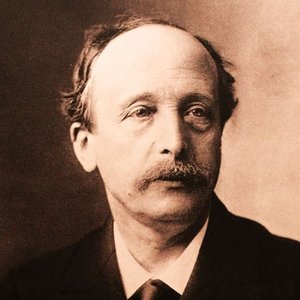
Louis-Oscar Roty
1846 - 1911 , France
Osnovne informacije
- Artistic Movement Or Style: Art Nouveau
- Artists Or Movements Influenced By This Artist:
- Champlain
- Alexandre Charpentier
- Artists Who Influenced This Artist:
- Lecoq de Boisbaudran
- Augustin-Alexandre Dumont
- Hubert Ponscarme
- Date Of Birth: June 11, 1846
- Date Of Death: March 23, 1911
- Full Name: Louis-Oscar Roty
- Nationality: French
- Notable Artworks:
- Martyrdom of Joan of Arc
- Opening of the Railway Line...
- Semeuse design on coins/stamps
- Place Of Birth: Paris, France
Povezani članci

The Enduring Legacy of Bronze: A Historical & Artistic Exploration for the Collector
Explore the rich history & enduring appeal of bronze sculpture with expert insights for collectors at ArtsDot. Learn about casting techniques, iconic artists, collecting tips & contemporary interpretations.

Bronze Age to Modern Masters: 10 Sculptures That Redefined Art | ArtsDot
Journey through art history with 10 legendary bronze sculptures – from Michelangelo's David to Rodin’s Thinker. Explore the stories, techniques & timeless beauty of these masterpieces. Find museum-quality reproductions & elevate your home decor on ArtsDot.com.
The Enduring Legacy of Bronze: History, Technique & Artistic Expression for the Collector
Explore the rich history & enduring appeal of bronze sculpture with expert insights for collectors at ArtsDot. Learn about casting techniques, iconic artists, and collecting tips.

The Enduring Legacy of Bronze Sculpture: Technique, Symbolism & Cultural Impact
Explore the rich history & enduring appeal of bronze sculpture with expert insights for collectors. Learn about casting techniques, iconic artists, collecting tips & contemporary interpretations at ArtsDot.
The Enduring Legacy of Bronze Sculpture: A Collector's Guide to Form & Cultural Significance
Explore the rich history & enduring appeal of bronze sculpture with expert insights for collectors at ArtsDot. Learn about casting techniques, iconic artists, and collecting tips to build a discerning art collection.

