

 Pregledaj u prostoru
 Pošalji
 Podeli
 Detalji o delu

 Преузми
 Slični predmeti
 Rendgenski snimak
 Slajdovi
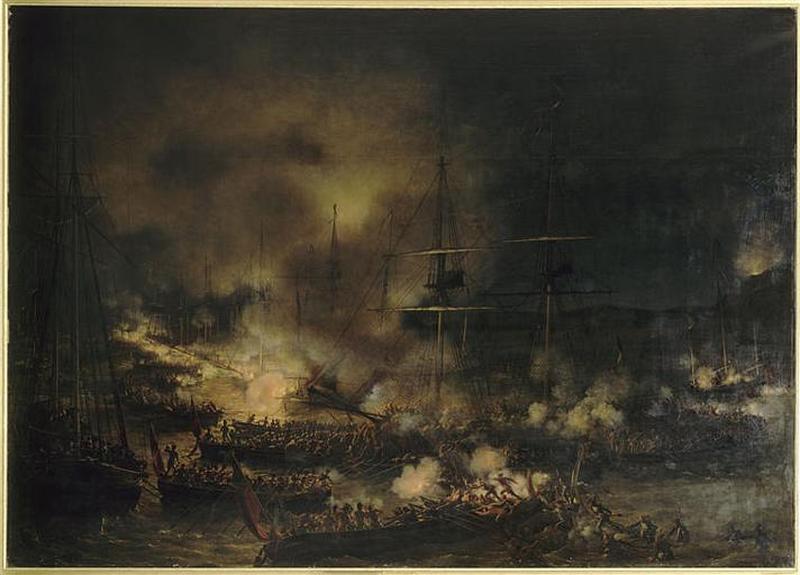
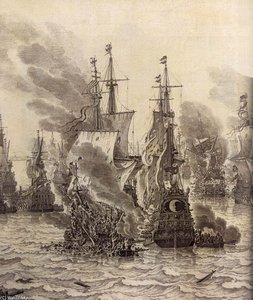
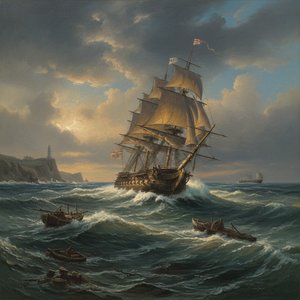
COMBAT NAVAL DEVANT BOULOGNE.NUIT DU 15 AU 16 AOUT 1801

 Pročitaj više
Ručno rađena uljana reprodukcija
Ručno oslikano uljanim bojama na platnu u dimenzijama i okviru po vašem izboru, izrađeno po porudžbini od strane naših umetnika. ( Kupi print Kupi digitalnu sliku)




































Izaberite jednu od naših unapred definisanih veličina koje odgovaraju originalnim proporcijama umetničkog dela.

Можете унети сопствене димензије како бисте прилагодили дело одређеном оквиру или простору. Ако одабрана величина не одговара пропорцијама оригинала, слика ће бити исечена или проширена додатним елементима који се ручно насликавају. Дигитални prikaz ће вам бити послат на одобрење пре почетка производње.
Имајте на уму да преглед на екрану не одражава стварно исецање или проширење. Само приказ (mockup) ће тачно приказати коначну композицију.
Иако су доступне прилагођене величине, препоручујемо да одаберете димензију из дефинисане листе како бисте сачували оригиналне пропорције.
Nakon narudžbine, tim ArtsDot.com će klijentu putem e-pošte poslati uputstva i dostaviti prikaz predloženog rešenja
Isporuka širom sveta () za 3/4 nedelje umesto uobičajenih 5 nedelja. (29 август). Bez kompromisa po pitanju kvaliteta.

Besplatna ekspresna dostava širom sveta

Visokokvalitetno laneno platno

Kompletno osiguranje transporta

Garancija povraćaja carine i uvoznih dažbina

Garancija vernosti boja

Politika povrata u roku od 60 dana (samo u slučaju nedostataka)

Garancija povrata novca od 100%

Popust pri grupnoj kupovini
 Opcija sa staklom dostupna je samo za dimenzije manje od 110 cm

COMBAT NAVAL DEVANT BOULOGNE.NUIT DU 15 AU 16 AOUT 1801
Tehnika reprodukcije
Dimenzije reprodukcije
-


Konačna cena
$ 263
Srodna umetnička dela
Biografija umetnika
Louis-Philippe Crépin: A Master of the Turbulent Sea
Louis-Philippe Crépin (1772 – 1851) stands as a pivotal figure in French marine painting, a period marked by both romantic fervor and burgeoning scientific observation. More than simply depicting ships at sea, Crépin’s canvases capture the raw power of nature, the drama of naval battles, and the psychological intensity of human experience confronting the elements. His legacy rests not only on his technical skill – meticulously rendered details combined with dynamic compositions – but also on his role as one of the first officially recognized “Peintres de la Marine,” a distinction that cemented his place within the French artistic establishment.
Born in Paris, Crépin’s early life was far removed from the world of maritime art. He began his career as a sailor, gaining invaluable experience as a helmsman and gabier – a crucial role responsible for managing the ship's sails. This practical knowledge, combined with a nascent artistic talent nurtured under the tutelage of renowned landscape painter Hubert Robert and marine artist Joseph Vernet, provided him with a unique perspective. Robert’s influence is particularly evident in Crépin’s early works, characterized by a meticulous attention to detail and a fascination with light and shadow; Vernet instilled within him an understanding of capturing the essence of the sea – its moods, textures, and relentless energy.
The Rise as a Peintre de la Marine
The appointment of Crépin as one of France’s first “Peintres de la Marine” in 1830 marked a significant turning point. This official recognition, bestowed by the Minister of the Navy and Colonies, Laurent de Gouvion Saint-Cyr, provided him with unprecedented access to naval subjects and commissions. However, this position was not without its complexities. The role of “painter to the Admiral” had already been awarded to Louis Garneray, leading to a somewhat diminished status for Crépin within the official hierarchy. Despite this setback, he persevered, securing numerous contracts to depict significant naval engagements and historical events related to France’s maritime past.
Crucially, Crépin's work during this period was deeply intertwined with the political climate of Restoration France. His paintings served as powerful propaganda tools, glorifying the Bourbon monarchy and celebrating French naval victories. The most famous example is undoubtedly “Combat de la frégate française La Bayonnaise contre la frégate anglaise l’Embuscade 14 décembre 1798,” commissioned by Napoleon himself for display at the Tuileries Palace. This dramatic depiction of a fierce naval battle, replete with billowing sails and cannon fire, became an enduring symbol of French military prowess. Later, after the restoration of Louis XVIII, the painting was moved to Versailles, further solidifying its association with the restored monarchy.
A Palette of Storms: Style and Technique
Crépin’s artistic style is characterized by a dramatic Romanticism, infused with a keen sense of realism. He eschewed idealized depictions of naval life in favor of portraying the brutal realities of combat – the splintering wood, the chaos of battle, and the vulnerability of sailors facing the unforgiving sea. His compositions are often dynamic and asymmetrical, creating a powerful sense of movement and tension. He masterfully employed chiaroscuro—the dramatic contrast between light and dark—to heighten the emotional impact of his scenes, emphasizing the drama of the moment.
His technique was equally impressive. Crépin meticulously rendered every detail – from the intricate rigging of a ship to the expressions on the faces of the sailors – demonstrating an extraordinary level of observation and skill. He frequently worked en plein air (outdoors), allowing him to directly capture the changing light and atmosphere of the sea. This commitment to realism, combined with his expressive brushwork, resulted in paintings that are both visually stunning and emotionally resonant.
Notable Works and Legacy
Beyond “Combat de la frégate française La Bayonnaise contre la frégate anglaise l’Embuscade 14 décembre 1798,” Crépin produced a substantial body of work, including "Le Havre vu de la mer," a captivating depiction of the port city bathed in atmospheric light; “Le Chien du naufrage” – a haunting image of a shipwrecked sailor clinging to a piece of driftwood; and numerous other scenes depicting naval battles, coastal landscapes, and maritime life. His paintings are now housed in prestigious collections such as the Musée National de la Marine in Paris and the Palace of Versailles.
Louis-Philippe Crépin’s contribution to French art is significant not only for his technical skill but also for his role in establishing marine painting as a legitimate genre within the official artistic establishment. He remains an important figure in the history of 19th-century French art, a testament to the power of observation, dramatic composition, and the enduring allure of the sea.
louis philippe crepin
1772 - 1851
Osnovne informacije
- Artistic Movement Or Style: Marine painting
- Artists Who Influenced This Artist: ['Joseph Vernet, Hubert Robert],\n "Artists or movements influenced by this artist": ["Romanticism"]\n}']
- Date Of Birth: 1772
- Date Of Death: 1851
- Full Name: Louis-Philippe Crépin
- Nationality: French
- Notable Artworks:
- Combat Naval Devant Boulogne
- Le Havre vu de la mer
- Le Chien du naufrage
- Place Of Birth: Paris, France
Povezani članci
Navigating the Depths of Representation: A Historical Exploration of Marine Painting
Explore the rich history of marine painting with ArtsDot. Discover Dutch Masters, Romantic seascapes & renowned artists like Wyllie and Harris. Expert guidance for collectors & custom reproductions.
Charles Le Brun: Master of French Baroque Classicism & His Enduring Legacy
Explore the life & art of Charles Le Brun, master of French Baroque Classicism. Discover his royal commissions, influence on Versailles, and enduring legacy through detailed analysis & stunning artworks.
Anne-Louis Girodet: Bridging Neoclassicism & Romanticism with Emotional Truth
Explore the captivating world of Anne-Louis Girodet, a pivotal figure bridging Neoclassicism & Romanticism. Discover his masterpieces and unique artistic vision with ArtsDot.
John Wilson Carmichael: Evoking Scottish Identity Through Dramatic Marine Painting
Explore the dramatic marine paintings of John Wilson Carmichael (1800-1868), a Victorian master renowned for his realistic seascapes and historical naval scenes. Discover his life, style & available hand-painted reproductions at ArtsDot.
Thomas Luny (1759–1837): Maritime Mastery & the Evolution of British Marine Painting
Explore the captivating world of Thomas Luny (1759–1837), a celebrated British marine artist. Discover his dramatic naval scenes, detailed ship portraits & lasting legacy. Learn about his life, influences & artworks.

