

 Pošalji
 Podeli
 Detalji o delu

 Преузми
 Slični predmeti
 Slajdovi
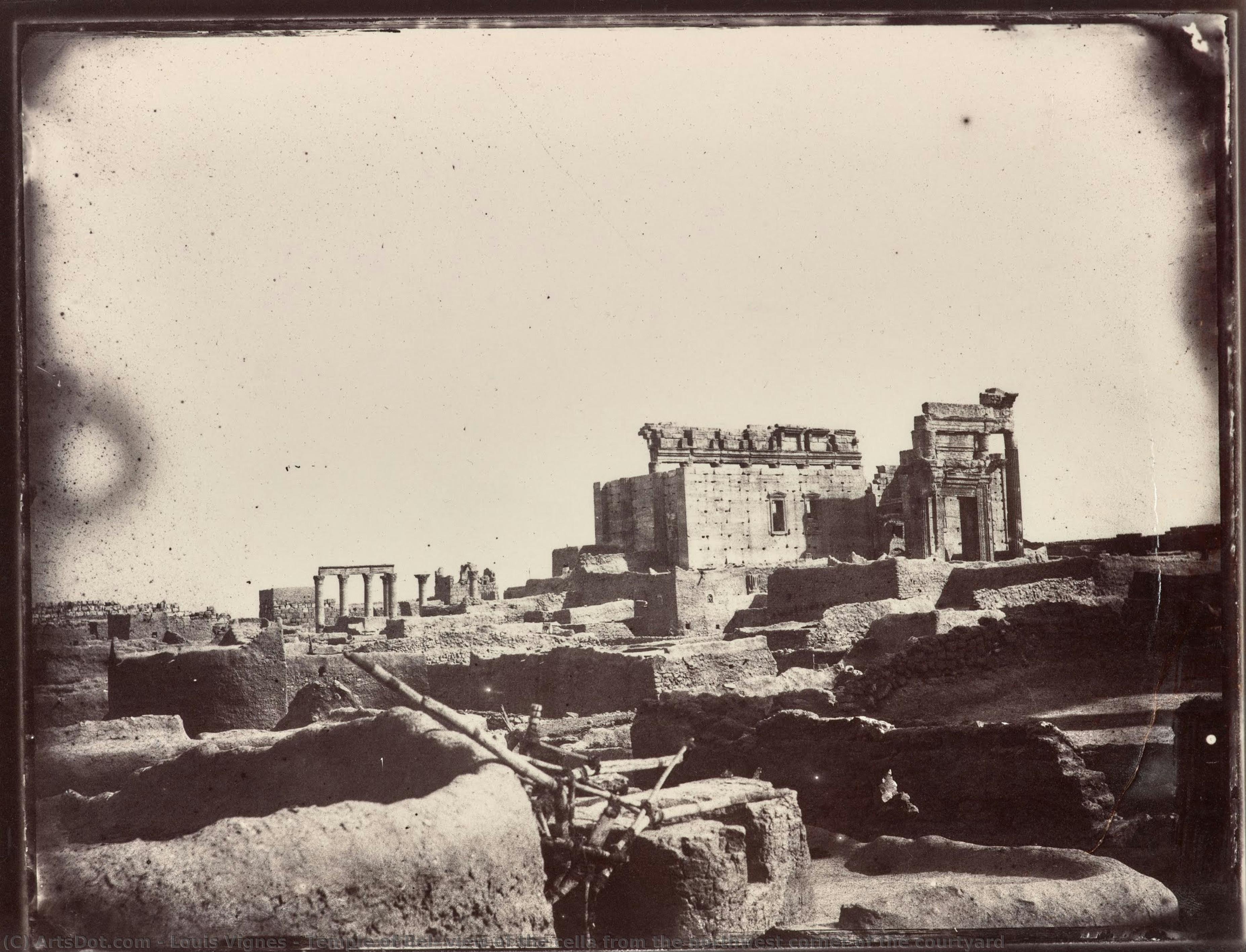
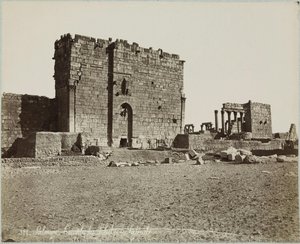
Temple of Bel, view of the cella from the northwest corner of the courtyard


 Pročitaj više
Giclee štampa / Umetnički otisak
Giclée štampa ili print na platnu muzejskog kvaliteta uz brzu proizvodnju i fleksibilne opcije završne obrade. ( Kupi ručno naslikanu sliku Kupi digitalnu sliku)




































Izaberite jednu od naših unapred definisanih veličina koje odgovaraju originalnim proporcijama umetničkog dela.

Možete uneti sopstvene dimenzije kako biste umetničko delo prilagodili specifičnom okviru ili prostoru. Ako odabrani format ne odgovara proporcijama originalne slike, mi ćemo ili iscrtati deo dela ili proširiti sliku pomoću ogledane ivice ili jednobojnog popunjavanja. Digitalni prikaz će vam biti poslat na odobrenje pre početka proizvodnje.
Imajte na umu da pregled na ekranu ne odražava stvarno iscrtavanje ili proširivanje. Samo će prikaz (mockup) precizno pokazati finalnu kompoziciju.
Iako su prilagođene dimenzije dostupne, preporučujemo da odaberete dimenziju sa unapred definisane liste kako biste očuvali originalne proporcije.
Dostava širom sveta () za 2 nedelje umesto uobičajenih 4/5 nedelja. (2 септембар)

Besplatna ekspresna dostava širom sveta

Visokokvalitetno laneno platno

Kompletno osiguranje transporta

Garancija povraćaja carine i uvoznih dažbina

Garancija vernosti boja

Politika povrata u roku od 60 dana (samo u slučaju nedostataka)

Garancija povrata novca od 100%

Popust pri grupnoj kupovini
 Opcija sa staklom dostupna je samo za dimenzije manje od 110 cm

Temple of Bel, view of the cella from the northwest corner of the courtyard
Giclee štampa / Umetnički otisak
Dimenzije reprodukcije
-


Konačna cena
$ 62
A Glimpse into Sacred Space: Eugène Vignes' "Temple of Bel"
Eugène Vignes’ 1864 photograph, “Temple of Bel, view of the cella from the northwest corner of the courtyard,” offers a poignant and remarkably detailed glimpse into a world rapidly fading – that of ancient Roman religious architecture. The image, captured during a period of intense archaeological investigation and burgeoning interest in classical antiquity, transcends a simple snapshot; it’s a carefully constructed tableau imbued with the weight of history and the evocative spirit of Romanticism. Vignes, a French photographer working within the context of the late 19th century, skillfully employs photographic techniques to document a site that was already steeped in legend and belief.
- Subject Matter: The photograph focuses on the cella – the innermost sanctuary – of the Temple of Bel, located in Hierapolis, Phrygia (modern Pamukkale, Turkey). This temple, dedicated to the Mesopotamian god Bel, represents a fascinating intersection of Roman and Eastern religious practices.
- Composition: Vignes’ composition is deliberately layered, utilizing figures within the scene to create depth and scale. The placement of individuals – some in sharp focus near the foreground, others receding into the distance – draws the viewer's eye through the architectural space, emphasizing the temple’s grandeur and its connection to human experience.
- Technical Considerations: The black-and-white palette enhances the photograph’s timeless quality, stripping away distracting color and highlighting the textures of the stone construction. The slightly soft focus characteristic of early photographic processes adds a layer of romantic haze, further contributing to the image's evocative atmosphere.
The Romantic Lens: Vignes and the Spirit of the Age
Vignes’ work aligns perfectly with the tenets of Romanticism, an artistic movement that prioritized emotion, imagination, and the sublime over strict adherence to classical rules. The photograph isn’t merely a technical exercise in documenting architecture; it's infused with a sense of awe and reverence for the past. Delacroix, whose influence is evident in Vignes’ approach, championed dramatic lighting, emotional intensity, and a focus on subjective experience – qualities that are powerfully present in this image.
- Historical Context: The mid-19th century witnessed a renewed interest in classical antiquity fueled by archaeological discoveries across Europe. This “Grand Tour” mentality, where wealthy Europeans traveled to study ancient sites, resulted in an increased demand for accurate depictions of these ruins.
- Symbolism of the Temple: The Temple of Bel itself held significant religious and cultural importance. As a testament to Roman imperial power and its assimilation of Eastern deities, it represents a complex interplay between cultures and beliefs.
Craftsmanship and Reproduction – A Legacy Reimagined
ArtsDot.com is proud to offer a meticulously hand-painted reproduction of Eugène Vignes’ “Temple of Bel.” Our skilled artisans employ traditional techniques, painstakingly recreating the nuances of Vignes' original photograph—the texture of the stone, the play of light and shadow, and the subtle details of the figures within the scene. This isn’t simply a print; it’s a faithful artistic interpretation that captures the essence of this remarkable image.
- Technique: Each reproduction is created using archival-quality materials and techniques to ensure longevity and color fidelity.
- Size Options: Available in a range of sizes to suit your space and budget.
- Investment in Art History: Owning a ArtsDot.com reproduction allows you to bring a piece of art history into your home, connecting with the spirit of Romanticism and appreciating the legacy of Eugène Vignes’ vision.
Emotional Impact & Aesthetic Appeal
“Temple of Bel” evokes a profound sense of mystery and contemplation. The photograph's composition invites viewers to consider the passage of time, the enduring power of ancient beliefs, and the human fascination with the unknown. This image is more than just a depiction of a temple; it’s an invitation to step back into a world where faith and architecture converged, creating a space of profound spiritual significance.
Srodna umetnička dela

Biografija umetnika
Eugène Delacroix: A Revolutionary Soul of Romanticism
Born in Charenton-Saint-Maurice near Paris in 1798, Eugène Delacroix’s life was a tapestry woven with threads of privilege, tragedy, and an unyielding passion for art. His early years were marked by the instability of his family – his father, a prominent minister, died when he was just six, followed by the loss of his mother. This personal upheaval shaped a sensitive and introspective character, one deeply attuned to both beauty and sorrow. Despite a comfortable upbringing, Delacroix’s childhood wasn't idyllic; marked by illness and loneliness, it fostered within him a profound desire for connection and expression – desires that would ultimately define his artistic legacy.
His formal artistic training began under the tutelage of Pierre-Narcisse Guérin, a respected history painter. While Guérin recognized Delacroix’s potential, he failed to fully nurture it, instead focusing on more conventional techniques. It was through the influence of Théodore Géricault, a fellow student and a figure who embodied the burgeoning Romantic spirit, that Delacroix truly began to develop his own distinctive voice. Géricault's groundbreaking *Raft of the Medusa* (1819), with its raw emotion and unflinching depiction of human suffering, served as a crucial catalyst for Delacroix’s artistic evolution. He spent time posing for this monumental work, absorbing not just the technical aspects but also the emotional intensity that fueled Géricault's vision.
The Rise of a Romantic Vision
Delacroix’s debut at the Salon of 1822 with *Dante and Virgil in Hell* immediately announced his arrival as a significant artistic force. The painting, inspired by Dante’s Inferno, showcased a dramatic composition, vibrant colors, and a palpable sense of movement – qualities that resonated deeply with the Romantic aesthetic. Unlike the polished neoclassicism favored at the time, Delacroix embraced a more visceral and emotional approach, drawing inspiration from the Old Masters but forging his own unique style. This marked a decisive break from academic tradition and established him as a leading figure in the burgeoning Romantic movement.
His subsequent works – *The Massacre at Scio* (1827) and *Death of Sardanapalus* (1827) – further solidified his reputation. *The Massacre at Scio*, depicting the brutal events of the Greek War of Independence, was a powerful indictment of political injustice, rendered with dramatic intensity and a sense of immediacy. *Death of Sardanapalus*, inspired by Lord Byron’s tragic poem, presented a scene of opulent destruction, capturing both the grandeur and the horror of a decaying empire. These paintings were met with mixed reactions; while lauded by literary figures like Victor Hugo and Alexandre Dumas for their emotional depth and innovative techniques, they also provoked criticism from those who found them too violent and unconventional.
Liberty Leading the People: An Icon of Revolution
Perhaps Delacroix’s most enduring masterpiece is *Liberty Leading the People* (1830), a monumental painting commemorating the July Revolution that overthrew King Charles X. This iconic work, now housed in the Louvre, transcends mere historical documentation; it embodies the spirit of revolution itself. The central figure of Liberty, brandishing the French flag and leading a diverse group of revolutionaries – workers, students, and soldiers – is a potent symbol of freedom and national pride. Delacroix masterfully blended realistic detail with idealized forms, creating an image that has become synonymous with revolutionary ideals.
The painting’s dynamic composition, rich colors, and dramatic lighting contribute to its overwhelming emotional impact. The use of *chiaroscuro* – the contrast between light and dark – heightens the sense of drama and emphasizes the heroic struggle for liberty. It's a testament to Delacroix’s ability to capture not just a historical event but also the collective passion and determination of a people fighting for their rights.
Legacy and Influence
Eugène Delacroix died in 1863, leaving behind a vast body of work that profoundly influenced generations of artists. His embrace of color, emotion, and dramatic composition paved the way for Impressionism and other modern artistic movements. He demonstrated the power of art to engage with contemporary events and to express profound human experiences. His influence extends beyond painting; his bold approach to subject matter and technique inspired writers, musicians, and poets, shaping the cultural landscape of 19th-century Europe.
Delacroix’s legacy endures not only through his paintings but also through their continued relevance as symbols of freedom, revolution, and the enduring power of human spirit. His work remains a vibrant testament to the transformative potential of art – a reminder that beauty can be found even in the midst of chaos and suffering.
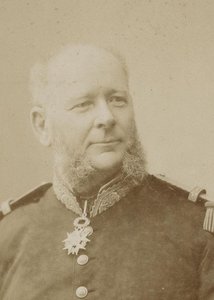
louis vignes
1831 - 1896 , France
Osnovne informacije
- Artistic Movement Or Style: Romanticism
- Artists Or Movements Influenced By This Artist: ['Romanticism']
- Artists Who Influenced This Artist:
- David
- Théodore Géricault
- Date Of Birth: April 26, 1798
- Date Of Death: July 13, 1863
- Full Name: Eugène Delacroix
- Nationality: French
- Notable Artworks:
- Dante and Virgil in Hell
- Massacre at Scio
- Death of Sardanapalus
- Liberty Leading the People
- Place Of Birth: Charenton-Saint-Maurice, France
Povezani članci

Dark Masterpieces: 10 Iconic Paintings Dominated by Black Tones |
Explore 10 iconic paintings dominated by black tones, from Rembrandt’s chiaroscuro to Goya's dark expressions. Discover the stories behind these masterpieces & find museum-quality art reproductions for your home at .
Mars Black Masterpieces: 10 Iconic Paintings & Timeless Art Decor Ideas
Delve into the power of 'Mars Black' with 10 iconic paintings by masters like Rembrandt & Caravaggio. Explore dramatic chiaroscuro, gothic art, and timeless beauty. Find museum-quality reproductions & elevate your home decor on .
Lamp Black & Masterpieces: 10 Paintings That Define Shadow & Light |
Delve into the captivating world of 'Lamp Black' tones with 10 iconic paintings by masters like Rembrandt & Caravaggio. Explore Baroque chiaroscuro, dramatic lighting & shadow in art history. Find museum-quality reproductions at

Ivory Black Masters: 10 Paintings That Define Dramatic Art |
Delve into the power of 'Ivory Black' with 10 iconic paintings by masters like Rembrandt & Caravaggio. Explore dramatic chiaroscuro, gothic moods & timeless art history. Find museum-quality reproductions and elevate your home decor at
Ferdinand Delacroix: Romanticism's Revolutionary Brush – A Study of Passion, Politics, and Painterly Innovation
Explore the revolutionary art of Eugène Delacroix, leader of French Romanticism. Discover his masterful use of color, political engagement, and lasting influence on modern painting. Learn about key works & history.

