

 Pregledaj u prostoru
 Pošalji
 Podeli
 Detalji o delu

 Преузми
 Slični predmeti
 Rendgenski snimak
 Slajdovi
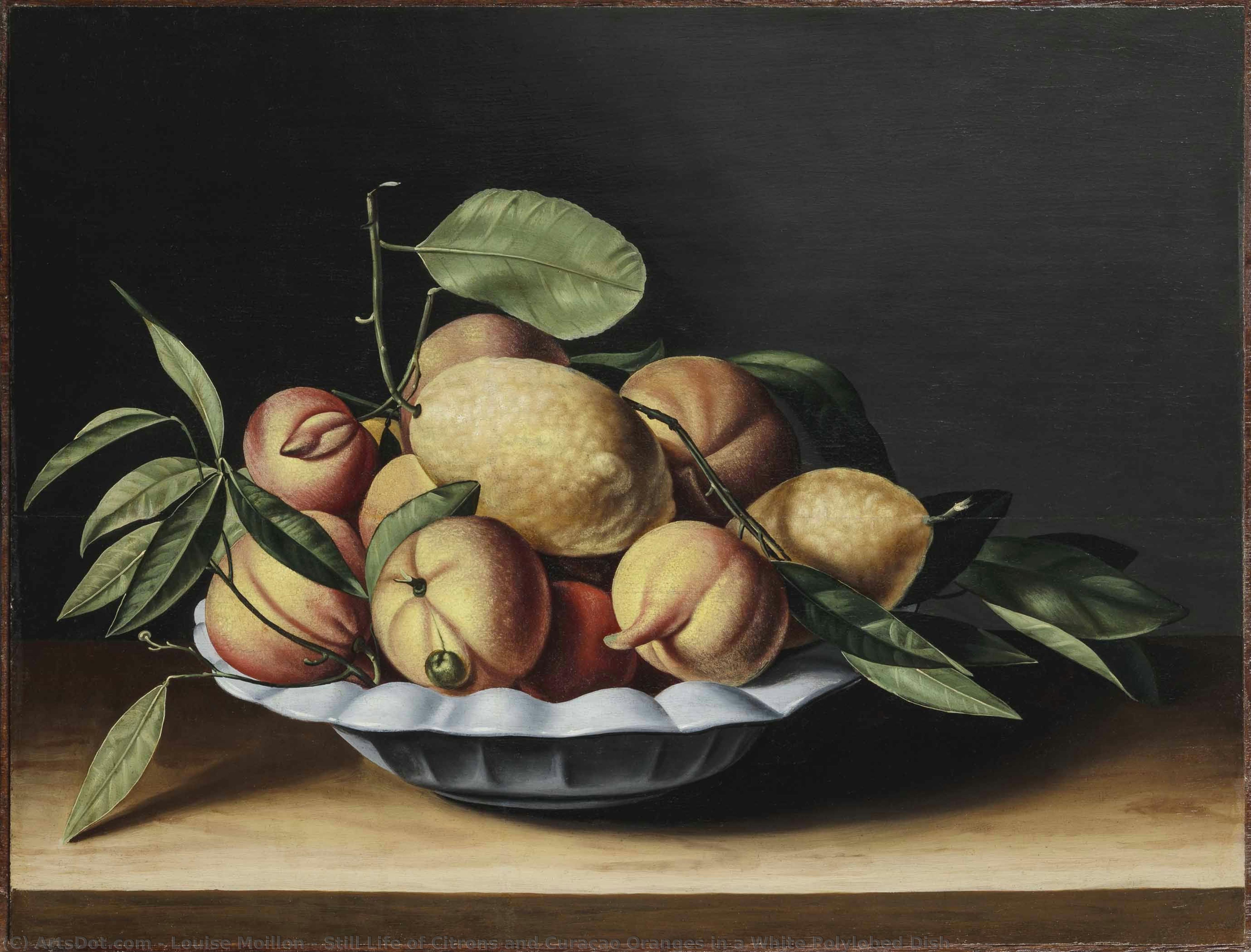
Still Life of Citrons and Curaçao Oranges in a White Polylobed Dish
 Oil On Canvas
- WallArt
- Baroque Still Life
 1634
1634 49.0 x 64.0 cm
 Toledo Museum of Art
 Pročitaj više
Kupite digitalnu sliku visoke rezolucije i poboljšanog kvaliteta, koja je znatno superiornija od onoga što vidite u online prikazu.
Svaka datoteka je pedantno pripremljena od strane naših stručnjaka koristeći napredne alate i profesionalnu ručnu retušu. Osiguravamo da svaka slika ima izuzetnu oštrinu, preciznu reprodukciju boja i fine detalje.
Konačna datoteka se dostavlja putem e-pošte u roku od 72 sata, optimizovana za neposrednu upotrebu u profesionalnim, izdavačkim i štamparskim okruženjima. To je isti kvalitet kojem veruju vrhunski studiji dizajna, izdavači i galerije.
Digitalna slika
Preuzmite datoteku visoke rezolucije za ličnu upotrebu, štampanje i kreativne projekte. ( Kupi print Kupi ručno naslikanu sliku)
Uključeno uz svaku porudžbinu digitalne slike
Profesionalna digitalna isporuka, zagarantovana
Kada odaberete ArtsDot.com, ne dobijate samo sliku – vi primate profesionalno unapređeno digitalno umetničko delo, izrađeno sa najvećom preciznošću i uz garanciju zadovoljstva. Evo svega što automatski dolazi uz vašu porudžbinu:

Brza dostava putem e-pošte
Vaša digitalna slika visoke rezolucije biće vam poslata putem e-pošte u roku od 72 sata od poručivanja – spremna za trenutnu upotrebu.

Digitalna datoteka unapređena veštačkom inteligencijom
Vaše umetničko delo je profesionalno optimizovano korišćenjem naprednih AI alata i ručne obrade, čime se osiguravaju maksimalni detalji, oštrina i preciznost boja.

Besplatna ponovna isporuka doživotno
Slučajno ste obrisali ili izgubili svoju datoteku? Ne brinite – poslaćemo vam je ponovo u bilo kom trenutku, potpuno besplatno.

Bez troškova uvoza – zauvek
Uživajte u svojim umetničkim delima trenutno, bez carine, dažbina ili troškova dostave – digitalni download je uvek bez poreza.

Garancija vernosti boja
Uz pomoć profesionalnih alata i upravljanja bojama, osiguravamo da vaša digitalna slika što vernije odražava originalne boje.

Garancija zadovoljstva u roku od 60 dana
Ako niste zadovoljni svojom digitalnom slikom, revidirat ćemo je ili vratiti 100% novca u roku od 60 dana – bez ikakvih pitanja.

100% garancija povrata novca
Niste zadovoljni? Obezbedite pun povrat novca u roku od 60 dana od trenutka kada ste primili svoju digitalnu datoteku – bez suvišnih pitanja.

Popusti na velike porudžbine
Kupite 3 slike, uštedite 10% - Kupite 5 slika, uštedite 15% - Kupite 10+ slika, uštedite 20%. Odlično za kreativne projekte, galerije i agencije.
Opis kolekcionarskog dela
A Moment Preserved: Still Life of Citrons and Curaçao Oranges in a White Polylobed Dish by Louise Moillon (1634)
This exquisite still life, measuring 49 x 64 cm, offers a captivating glimpse into the world of Baroque art through the discerning eye of Louise Moillon. Painted in 1634, it’s a testament to her skill and the prevailing artistic trends of the era – a period defined by an intense focus on naturalism, meticulous detail, and a subtle yet profound exploration of symbolism.
- Subject Matter: The composition centers around a bowl brimming with vibrant citrus fruits – plump citrons and Curaçao oranges – arranged with remarkable attention to form and texture. The inclusion of lemons adds further complexity, their contrasting shapes and colors creating a dynamic visual interplay.
- Technique: Moillon’s mastery is evident in her delicate handling of light and shadow, characteristic of the Dutch Baroque style. She employs a layering technique, building up translucent glazes to achieve a luminous quality that brings the fruits to life. The smooth surfaces and subtle variations in tone suggest a deep understanding of oil paint's capabilities.
The Huguenot Legacy and Artistic Roots
Louise Moillon’s artistic journey is inextricably linked to her family history. Born in Paris in 1610, she descended from Huguenot refugees who had fled persecution in Holland. This lineage instilled within her a deep appreciation for naturalism and symbolic representation – hallmarks of the Protestant artistic tradition that flourished during this period. The influence of her father, Nicolas Moillon, a skilled artist himself, further shaped her approach, emphasizing detailed depictions of fruit, flowers, and occasionally human figures.
Her upbringing within the vibrant Protestant community of Saint-Germain-des-Prés provided an unparalleled environment for artistic development. This exposure to artists who championed a distinctive style – one rooted in meticulous observation and symbolic meaning – profoundly impacted Moillon’s own oeuvre, contributing to her reputation as a quiet but brilliant practitioner of Baroque still life.
Symbolism and the Language of Still Life
Still lifes during the 17th century were far more than mere depictions of objects; they were imbued with symbolic meaning. The arrangement of fruits, their colors, and even their placement within the composition carried significant weight. Citrus fruits, particularly oranges and lemons, represented wealth, prosperity, and good fortune – desirable attributes in a society grappling with economic uncertainty and religious upheaval. The white polylobed dish itself could symbolize purity or innocence, while the overall balance and harmony of the arrangement reflected an aspiration for order and tranquility.
Emotional Impact and Timeless Appeal
“Still Life of Citrons and Curaçao Oranges in a White Polylobed Dish” transcends its historical context to offer a timeless appeal. The painting’s luminous quality, combined with Moillon's masterful rendering of texture and form, evokes a sense of quiet contemplation and appreciation for the beauty of the natural world. This piece is not just a representation of fruit; it’s an invitation to pause, observe, and find solace in the simple elegance of a perfectly arranged still life – a sentiment that continues to resonate with art lovers and collectors today.
Srodna umetnička dela
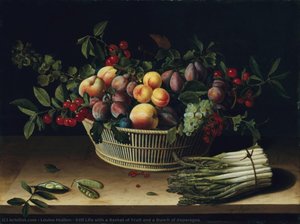
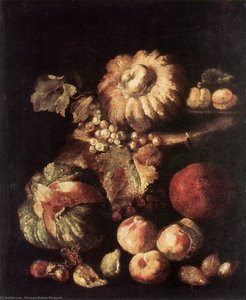
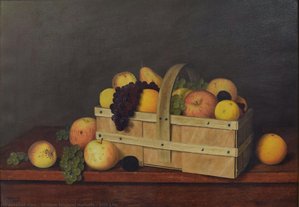
Biografija umetnika
The Quiet Brilliance of Louise Moillon
In the grand, sweeping narratives of the Baroque era, where drama and movement often dominate the canvas, the work of Louise Moillon offers a profound and meditative alternative. Born in Paris in 1610, Moillon emerged from a world shaped by the intense religious and cultural shifts of 17th-century France. Her very lineage tells a story of resilience and artistic heritage; as a descendant of Huguenot refugees from Holland, she was immersed in a tradition that valued the meticulous observation of the natural world. This background provided more than just a family history—it offered a stylistic vocabulary rooted in the Dutch mastery of light, texture, and symbolic realism.
Moillon’s early life was marked by both loss and profound artistic mentorship. The death of her father, the landscape painter and dealer Nicolas Moillon, when she was only ten, could have altered her path, yet her upbringing remained deeply embedded in the arts. Under the guidance of her stepfather, François Garnier, a skilled artist and dealer, she refined a technique that would become her hallmark. Her education was not merely about the application of pigment to canvas, but an immersion into the humanist values of her time, learning to see the divine within the minute details of a ripening fruit or the delicate curve of a petal.
A Mastery of Texture and Light
The true genius of Moillon lies in her ability to transform the mundane into the extraordinary. Her compositions are characterized by a serene stillness, a quietude that invites the viewer to linger and observe. She possessed an almost supernatural ability to capture the tactile qualities of her subjects—the waxy skin of a citron, the soft fuzz of a peach, or the translucent juice of a crushed berry. In works such as Still Life of Citrons and Curaçao Oranges in a White Polylobed Dish, one can sense the cool moisture of the fruit against the hard, glazed surface of the porcelain, creating a sensory experience that transcends the two-dimensional plane.
Her technique was deeply influenced by the naturalistic traditions of the Protestant circles in which she moved. This approach favored clarity and precision over the theatrical shadows of the more flamboyant Baroque masters. Instead, Moillon utilized light to sculpt her subjects, using subtle gradations of tone to create volume and depth. Her palette, while often focused on the vibrant hues of nature, was used with such restraint that each color felt luminous, as if lit from within. This mastery allowed her to bridge the gap between mere botanical illustration and high art, imbuing every piece with a sense of life and vitality.
Legacy and Historical Significance
Throughout her long life, which spanned nearly nine decades, Moillon achieved a level of renown that was rare for female artists of her era. Her ability to secure commissions from prestigious patrons, including members of the royal court, speaks to the undeniable quality and sophistication of her oeuvre. While her work often focused on the intimate scale of still life, its impact was expansive, contributing significantly to the development of the French still-life tradition.
The historical significance of Louise Moillon extends beyond her technical skill; she represents a vital link between the Dutch naturalistic tradition and the burgeoning French aesthetic of the 17th century. Her paintings serve as windows into a lost world of Parisian markets and private gardens, capturing a sense of abundance and ephemeral beauty. Today, her works remain cherished treasures in institutions such as the Louvre, standing as enduring testaments to a life dedicated to finding the extraordinary within the ordinary. Her legacy is found in every brushstroke that celebrates the quiet, breathtaking splendor of the natural world.
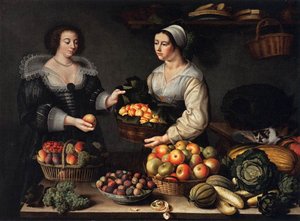
Louise Moillon
1610 - 1696

