

 Pregledaj u prostoru
 Pošalji
 Podeli
 Detalji o delu

 Преузми
 Slični predmeti
 Rendgenski snimak
 Slajdovi
 Stats
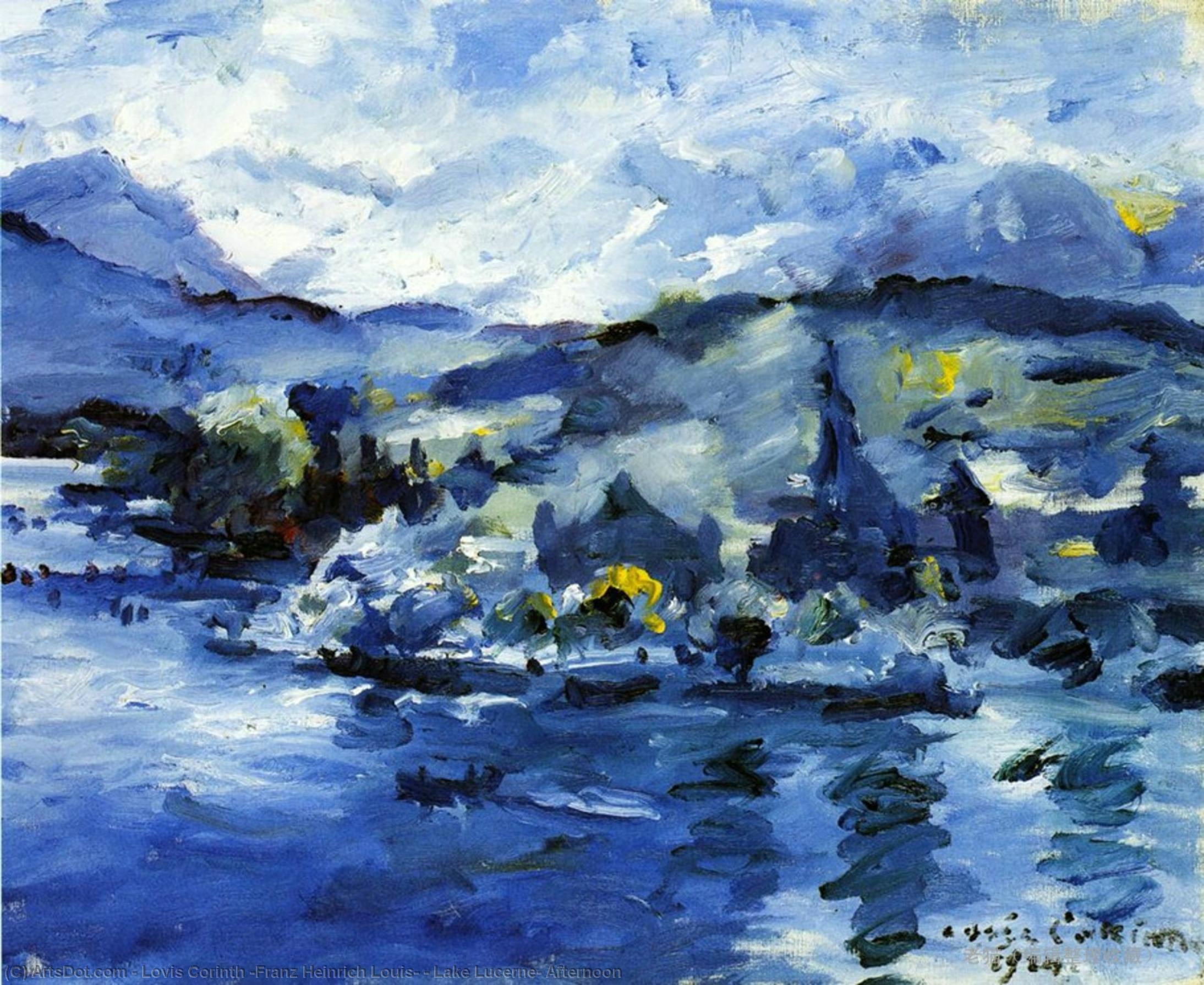
StatsLake Lucerne, Afternoon
 Acrylic On Canvas
- WallArt
- Post-Impressionism
 1924
1924 57.0 x 75.0 cm
 Hamburger Kunsthalle
 Pročitaj više
Kupite digitalnu sliku visoke rezolucije i poboljšanog kvaliteta, koja je znatno superiornija od onoga što vidite u online prikazu.
Svaka datoteka je pedantno pripremljena od strane naših stručnjaka koristeći napredne alate i profesionalnu ručnu retušu. Osiguravamo da svaka slika ima izuzetnu oštrinu, preciznu reprodukciju boja i fine detalje.
Konačna datoteka se dostavlja putem e-pošte u roku od 72 sata, optimizovana za neposrednu upotrebu u profesionalnim, izdavačkim i štamparskim okruženjima. To je isti kvalitet kojem veruju vrhunski studiji dizajna, izdavači i galerije.
Digitalna slika
Preuzmite datoteku visoke rezolucije za ličnu upotrebu, štampanje i kreativne projekte. ( Switch to Print Kupi ručno naslikanu sliku)
Uključeno uz svaku porudžbinu digitalne slike
Profesionalna digitalna isporuka, zagarantovana
Kada odaberete ArtsDot.com, ne dobijate samo sliku – vi primate profesionalno unapređeno digitalno umetničko delo, izrađeno sa najvećom preciznošću i uz garanciju zadovoljstva. Evo svega što automatski dolazi uz vašu porudžbinu:

Brza dostava putem e-pošte
Vaša digitalna slika visoke rezolucije biće vam poslata putem e-pošte u roku od 72 sata od poručivanja – spremna za trenutnu upotrebu.

Digitalna datoteka unapređena veštačkom inteligencijom
Vaše umetničko delo je profesionalno optimizovano korišćenjem naprednih AI alata i ručne obrade, čime se osiguravaju maksimalni detalji, oštrina i preciznost boja.

Besplatna ponovna isporuka doživotno
Slučajno ste obrisali ili izgubili svoju datoteku? Ne brinite – poslaćemo vam je ponovo u bilo kom trenutku, potpuno besplatno.

Bez troškova uvoza – zauvek
Uživajte u svojim umetničkim delima trenutno, bez carine, dažbina ili troškova dostave – digitalni download je uvek bez poreza.

Garancija vernosti boja
Uz pomoć profesionalnih alata i upravljanja bojama, osiguravamo da vaša digitalna slika što vernije odražava originalne boje.

Garancija zadovoljstva od 100 dana
Ako niste zadovoljni svojom digitalnom slikom, izvršićemo reviziju ili ćemo vam vratiti 100% novca u roku od 100 dana – bez ikakvih pitanja.

100% garancija povrata novca
Niste zadovoljni? Dobijte puni povraćaj novca u roku od 100 dana od prijema digitalne datoteke – bez suvišnih pitanja.

Popusti na velike porudžbine
Kupite 3 slike, uštedite 10% - Kupite 5 slika, uštedite 15% - Kupite 10+ slika, uštedite 20%. Odlično za kreativne projekte, galerije i agencije.
A Symphony of Light and Emotion: Unveiling Lovis Corinth’s “Lake Lucerne, Afternoon”
Lovis Corinth's "Lake Lucerne, Afternoon" isn’t merely a landscape painting; it’s an immersion into the heart of a fleeting moment. Completed in 1924 during a period of profound personal and artistic transformation for the artist, this canvas captures more than just the picturesque beauty of Lake Lucerne—it embodies Corinth's evolving synthesis of Impressionism and Expressionism, a dialogue between observation and deeply felt emotion. The painting’s immediate impact is one of warmth and tranquility, yet beneath that surface lies a subtle tension, a hint of melancholy that speaks to the artist’s own internal struggles.
The scene unfolds with remarkable immediacy. Corinth masterfully employs loose, gestural brushstrokes—a hallmark of his mature style—to render the mountains rising majestically from the water's edge. These aren’t precise geological forms but rather suggestions of rock and shadow, imbued with a vibrant energy. The lake itself is a shimmering expanse of blues and greens, reflecting the warm hues of the setting sun. Corinth deliberately avoids meticulous detail, prioritizing instead the conveyance of atmosphere and feeling. Notice how he uses color not to replicate reality, but to evoke it—the fiery oranges and reds of the sunset bleed into the water, creating an almost hallucinatory effect.
The Artist’s Journey: Corinth's Bridging of Styles
To understand “Lake Lucerne, Afternoon,” one must appreciate Lovis Corinth’s unique artistic trajectory. Born Franz Heinrich Louis in 1858, he initially trained as a history painter, but quickly found himself drawn to the burgeoning avant-garde movements of Paris and Munich. His early work was characterized by a naturalistic approach, influenced by artists like Courbet and the Barbizon school. However, after a debilitating stroke in 1911, Corinth’s style underwent a dramatic shift. The physical limitations forced him to rely on his right hand, loosening his brushwork and intensifying his use of color—a move that ultimately led to a more expressive and emotionally charged style. “Lake Lucerne, Afternoon” perfectly exemplifies this evolution; it's a testament to the artist’s ability to transform adversity into artistic brilliance.
Corinth was a key figure in the Berlin Secession, a group of artists who challenged the conservative norms of the German art establishment. He later succeeded Max Liebermann as its president, demonstrating his leadership and influence within the movement. His work often explored themes of human experience—love, loss, aging—with a raw honesty that resonated deeply with audiences. The painting’s composition subtly reflects this preoccupation with the passage of time and the ephemeral nature of beauty.
Symbolism and Emotional Resonance
Beyond its purely visual appeal, “Lake Lucerne, Afternoon” is rich in symbolic meaning. The lake itself—a recurring motif in Corinth's work—represents both serenity and isolation. The mountains, towering above the scene, evoke a sense of grandeur and permanence, while the figures scattered across the shore suggest human connection and fleeting moments of joy. The warm colors of the sunset symbolize hope and renewal, but also hint at the inevitable decline of day into night.
Consider the two boats on the lake—they represent not just a leisurely activity, but perhaps a longing for escape or a yearning for something beyond the present moment. Corinth’s use of light and shadow creates a palpable sense of atmosphere, inviting the viewer to lose themselves in the scene and contemplate its deeper meaning. The painting isn't simply depicting a landscape; it’s offering a glimpse into the artist’s soul.
A Legacy Preserved: Reproductions and Artistic Inspiration
Today, Lovis Corinth’s “Lake Lucerne, Afternoon” is held at the Hamburger Kunsthalle in Hamburg, Germany. Reproductions of this iconic work are available through ArtsDot, offering art enthusiasts a chance to bring a piece of this artistic treasure into their own homes. The meticulous detail and vibrant colors of these reproductions faithfully capture the essence of Corinth’s original vision, allowing viewers to appreciate his unique style and emotional depth. Whether you're an avid collector or simply seeking a stunning addition to your décor, “Lake Lucerne, Afternoon” remains a timeless masterpiece—a testament to the power of art to transport us beyond the ordinary.
Srodna umetnička dela
Biografija umetnika
A Life Forged in Paint: The World of Lovis Corinth
Lovis Corinth, born Franz Heinrich Louis on July 21, 1858, in the Prussian province of East Prussia, was a figure who embodied the tumultuous transition from the 19th to the early 20th-century art world. His journey wasn’t one of immediate acclaim but rather a gradual evolution fueled by relentless study, diverse influences, and ultimately, personal tragedy. Corinth's beginnings were rooted in the rural landscapes of his birthplace, Tapiau, where his father worked as a tanner. This early exposure to the physicality of labor and the raw beauty of nature would subtly permeate his later work, even amidst more sophisticated stylistic explorations. He initially pursued studies at the Academy of Königsberg in 1876, but quickly realized that academic tradition alone wouldn’t satisfy his artistic ambitions. A period of travel followed, taking him to Munich, Antwerp, and finally Paris – each city serving as a crucial stepping stone in his development. In Munich, he absorbed the meticulous realism championed by Ludwig von Löfftz, honing his observational skills and mastering technique. Antwerp introduced him to the dramatic Baroque intensity of Rubens, while Paris exposed him to the burgeoning Impressionist movement, though his initial response was one of cautious observation rather than immediate embrace. He wasn’t interested in idealized beauty; instead, he sought to capture the untamed power and inherent drama of the landscape. Corinth's formative years instilled in him a profound appreciation for both classical tradition and naturalistic representation—a duality that would shape his artistic vision throughout his life. His early paintings, like “In the Slaughterhouse” (1878), demonstrated an uncompromising commitment to depicting reality with unflinching honesty, confronting viewers with uncomfortable truths about mortality and decay. Yet even within this stark realism, a nascent emotional depth hinted at a willingness to explore psychological complexities—a characteristic that would become increasingly prominent in his later oeuvre. The influence of Courbet’s earthy palette and expressive brushwork was palpable in these early works, establishing Corinth as a disciple of the Barbizon School and signaling his initial engagement with avant-garde currents.From Naturalism to a Synthesis of Styles
Corinth's artistic development wasn't marked by swift revolutions but by a gradual assimilation and synthesis of diverse influences. His unwavering dedication to mastering technique—combined with an acute sensitivity to color and composition—allowed him to transcend stylistic boundaries and forge his own distinctive path. The Impressionist movement, initially viewed with skepticism, ultimately captivated Corinth’s imagination, prompting him to experiment with broken color and fleeting light effects. However, he didn't simply adopt these techniques wholesale; instead, he integrated them into his existing artistic framework, creating a style that blended impressionistic vibrancy with a distinctly German sensibility. This synthesis—evident in paintings like “Female Semi-Nude with Hat” (1906)—represented a pivotal moment in Corinth’s artistic evolution and foreshadowed the emergence of Expressionism as a dominant force in European art. He skillfully combined Rubensian dynamism with Impressionist luminosity, achieving unparalleled expressive power while maintaining compositional rigor.A Master of Portraiture and Landscape
Corinth's oeuvre encompassed a remarkable range of genres—from biblical scenes to mythological subjects—but he is perhaps best remembered for his portraits and landscapes. His approach to portraiture extended beyond mere likeness; it was an attempt to penetrate the psychological depths of his sitters, revealing their inner lives through subtle gestures, expressive eyes, and carefully considered poses. He possessed a remarkable ability to convey character and emotion with astonishing economy of means—a hallmark of Corinth’s artistic genius. Similarly, his landscapes weren't merely scenic representations; they were emotional responses to nature—infused with Corinth’s own passionate engagement with the natural world. The Walchensee region in Bavaria became a particular source of inspiration, providing him with a wealth of motifs that he explored repeatedly throughout his later years. These paintings—characterized by their bold colors, dynamic brushwork, and palpable energy—represent Corinth's mature style at its most powerful and expressive.Tragedy, Resilience, and Lasting Legacy
A transformative event in Corinth’s life occurred in December 1911 when he suffered a debilitating stroke that left him paralyzed on his left side. Despite facing immense physical challenges—and the looming threat of professional ruin—Corinth demonstrated unwavering determination and resilience, refusing to succumb to despair. With Charlotte Berend-Corinth by his side, he embarked upon a grueling regimen of rehabilitation exercises, relearning to paint with painstaking effort and adapting to his limitations—a testament to Corinth’s indomitable spirit. This period yielded some of his most poignant and emotionally resonant works—including “Self-Portrait” (various years)—reflecting the artist's profound introspection and confronting him with the realities of mortality. The experience profoundly deepened his artistic vision, prompting him to embrace a looser brushstroke and intensify color palette—anticipating many of the stylistic innovations that would define Expressionism. Corinth’s influence extended beyond his own painting; he served as president of the Berlin Secession from 1915 until his death in 1925, championing progressive artistic ideals and fostering a vibrant creative community. Lovis Corinth's legacy transcends mere aesthetic achievement—he remains a pivotal figure in German art history, embodying the spirit of artistic integrity and transforming personal adversity into profound expressive power. His enduring influence continues to inspire artists today, securing his place as one of the most significant painters of the early 20th century. ## Key Works & Their Significance- In the Slaughterhouse (1878): Demonstrates Corinth’s early mastery of technique and unflinching commitment to depicting reality with honesty—a bold confrontation with mortality and decay.
- Self-Portrait (various years): Offers a chronicle of Corinth's evolving self-perception and artistic style—revealing profound introspection and fearless exploration of identity.
- Female Semi-Nude with Hat (1906): Exemplifies Corinth’s blending of classical motifs with Impressionistic techniques—creating a sensuous portrait imbued with psychological complexity.
- Walchensee Series (various years): Represents Corinth's mature style at its most powerful and expressive—characterized by bold colors, dynamic brushwork, and palpable energy.
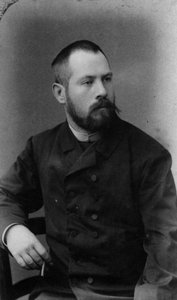
Ловис Корнит
1858 - 1925 , Немачка
Kratke činjenice
- Artistic Movement Or Style: Impressionism & Expressionism
- Artists Or Movements Influenced By This Artist: ['Expressionism']
- Artists Who Influenced This Artist:
- Courbet
- Rubens
- Date Of Birth: Jul 21, 1858
- Date Of Death: Jul 17, 1925
- Full Name: Franz Heinrich Louis Corinth
- Nationality: German
- Notable Artworks:
- In the Slaughter House
- Self-Portrait
- Female Semi-Nude
- Place Of Birth: Tauwade, Netherlands