 Pregledaj u prostoru
 Pošalji
 Podeli
 Detalji o delu

 Преузми
 Slični predmeti
 Rendgenski snimak
 Slajdovi
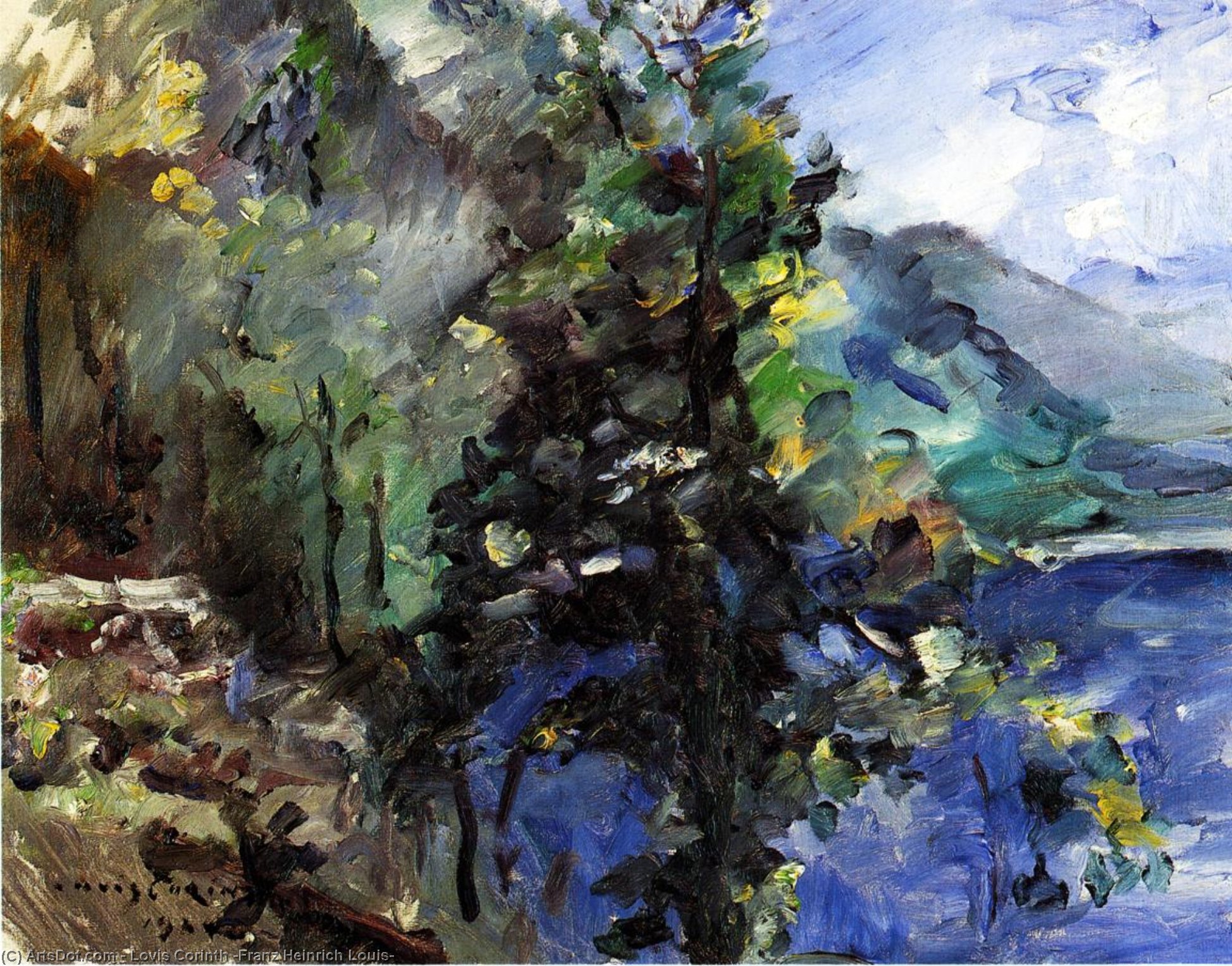
The Walchensee with the Slope of the Jochberg


 Pročitaj više
Giclee štampa / Umetnički otisak
Giclée štampa ili print na platnu muzejskog kvaliteta uz brzu proizvodnju i fleksibilne opcije završne obrade. ( Kupi ručno naslikanu sliku Kupi digitalnu sliku)




P118B $10

P118H $10

P118W $10

P438Z $10

P508JH $12

P508YH $12

P805H $10

P805Z $10

P919BZ $10

P919G $10

P919XJ $10

P959ZH $10

P968JZ $12

W106C $8

W218G $10

W218JH $8

W218Y $10

W307PJ $10

W316G $10

W316PJ $8

W316Y $10

W398PJ $8

W4111J $10

W500HY $15

W500JH $15

W692G $12

W849H $8

W940BG $15

W953PJ $8




Izaberite jednu od naših unapred definisanih veličina koje odgovaraju originalnim proporcijama umetničkog dela.

Možete uneti sopstvene dimenzije kako biste umetničko delo prilagodili specifičnom okviru ili prostoru. Ako odabrani format ne odgovara proporcijama originalne slike, mi ćemo ili iscrtati deo dela ili proširiti sliku pomoću ogledane ivice ili jednobojnog popunjavanja. Digitalni prikaz će vam biti poslat na odobrenje pre početka proizvodnje.
Imajte na umu da pregled na ekranu ne odražava stvarno iscrtavanje ili proširivanje. Samo će prikaz (mockup) precizno pokazati finalnu kompoziciju.
Iako su prilagođene dimenzije dostupne, preporučujemo da odaberete dimenziju sa unapred definisane liste kako biste očuvali originalne proporcije.
Dostava širom sveta () za 2 nedelje umesto uobičajenih 4/5 nedelja. (26 август)

Besplatna ekspresna dostava širom sveta

Visokokvalitetno laneno platno

Kompletno osiguranje transporta

Garancija povraćaja carine i uvoznih dažbina

Garancija vernosti boja

Politika povrata u roku od 60 dana (samo u slučaju nedostataka)

Garancija povrata novca od 100%

Popust pri grupnoj kupovini
 Opcija sa staklom dostupna je samo za dimenzije manje od 110 cm

The Walchensee with the Slope of the Jochberg
Giclee štampa / Umetnički otisak
Dimenzije reprodukcije
-


Konačna cena
$ 62
Opis predmeta
A Symphony of Light and Landscape: Lovis Corinth’s “The Walchensee with the Slope of the Jochberg”
Lovis Corinth's "The Walchensee with the Slope of the Jochberg," painted in 1924, isn’t merely a depiction of Alpine scenery; it’s an embodiment of German Expressionism’s core tenets—a visceral response to the world filtered through emotion and imbued with symbolic resonance. Situated at the Niedersächsisches Landesmuseum in Hannover, this oil on canvas offers more than just visual pleasure; it invites contemplation about beauty intertwined with melancholy and a profound connection to nature's enduring power. Corinth himself experienced considerable personal hardship during his lifetime – the loss of his son – which undoubtedly informed his artistic vision, channeling grief into an exploration of human vulnerability against the grandeur of the natural world.The Impressionistic Echoes Within Expressionism
Despite its categorization as Expressionist art, “The Walchensee” possesses subtle stylistic elements reminiscent of Impressionism. Corinth skillfully employs broken brushstrokes and dappled light to capture the shimmering surface of Lake Walchensee and the hazy contours of the Jochberg mountain range. This technique prioritizes capturing fleeting moments of atmosphere—the diffused sunlight filtering through the trees—rather than striving for photographic realism. It’s a deliberate choice that underscores Expressionism's rejection of academic conventions, favoring instead subjective experience as its primary driver. The artist doesn’t aim to represent the landscape objectively; he seeks to convey its emotional impact on the viewer.Color and Composition: A Balanced Dance
Corinth’s masterful use of color contributes significantly to the painting’s evocative quality. Warm hues—ochres, yellows, and reds—dominate the lower portion of the canvas, representing the sunlit slopes of the Jochberg and conveying a sense of warmth and vitality. Conversely, cooler tones—blues and greens—are prominent in the upper reaches of the lake, symbolizing tranquility and reflecting the serene expanse of the water. This juxtaposition creates visual tension while simultaneously establishing a harmonious balance. The composition itself is carefully considered; Corinth frames the lake with trees on either side, drawing the eye inward and emphasizing its central role as a focal point. Two birds soaring above the lake add dynamism to the scene, symbolizing freedom and aspiration—themes frequently explored by Corinth in his oeuvre.Symbolism Rooted in Observation
Beyond mere visual beauty, “The Walchensee” carries symbolic weight. The Jochberg mountain range represents permanence and resilience – enduring against time and weather—a counterpoint to the fleeting nature of human existence. The lake embodies stillness and contemplation, inviting viewers to pause and appreciate the sublime qualities of the natural world. Corinth’s inclusion of birds suggests a yearning for transcendence, hinting at an artist's desire to capture something beyond the tangible realm. These elements resonate deeply with Expressionist sensibilities, reflecting anxieties about modernity and emphasizing the importance of confronting existential questions.A Legacy of Emotional Landscape Painting
Lovis Corinth’s “The Walchensee with the Slope of the Jochberg” stands as a testament to his ability to transform observation into profound artistic expression. It exemplifies the expressive power of Impressionism blended with the emotive core of Expressionism, resulting in a landscape painting that transcends mere representation—it communicates emotion and invites viewers to engage in contemplation about life’s complexities. Reproductions of this masterpiece offer an opportunity to experience Corinth's vision firsthand, bringing the beauty and melancholy of Alpine Switzerland into any interior space. To explore more works by Lovis Corinth, visit ArtsDot.com.Srodna umetnička dela
Biografija umetnika
A Life Forged in Paint: The World of Lovis Corinth
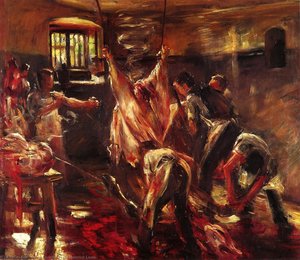
Lovis Corinth, born Franz Heinrich Louis on July 21, 1858, in the Prussian province of East Prussia, was a figure who embodied the tumultuous transition from the 19th to the early 20th-century art world. His journey wasn’t one of immediate acclaim but rather a gradual evolution fueled by relentless study, diverse influences, and ultimately, personal tragedy. Corinth's beginnings were rooted in the rural landscapes of his birthplace, Tapiau, where his father worked as a tanner. This early exposure to the physicality of labor and the raw beauty of nature would subtly permeate his later work, even amidst more sophisticated stylistic explorations. He initially pursued studies at the Academy of Königsberg in 1876, but quickly realized that academic tradition alone wouldn’t satisfy his artistic ambitions. A period of travel followed, taking him to Munich, Antwerp, and finally Paris – each city serving as a crucial stepping stone in his development. In Munich, he absorbed the meticulous realism championed by Ludwig von Löfftz, honing his observational skills and mastering technique. Antwerp introduced him to the dramatic Baroque intensity of Rubens, while Paris exposed him to the burgeoning Impressionist movement, though his initial response was one of cautious observation rather than immediate embrace. He wasn’t interested in idealized beauty; instead, he sought to capture the untamed power and inherent drama of the landscape. Corinth's formative years instilled in him a profound appreciation for both classical tradition and naturalistic representation—a duality that would shape his artistic vision throughout his life. His early paintings, like “In the Slaughterhouse” (1878), demonstrated an uncompromising commitment to depicting reality with unflinching honesty, confronting viewers with uncomfortable truths about mortality and decay. Yet even within this stark realism, a nascent emotional depth hinted at a willingness to explore psychological complexities—a characteristic that would become increasingly prominent in his later oeuvre. The influence of Courbet’s earthy palette and expressive brushwork was palpable in these early works, establishing Corinth as a disciple of the Barbizon School and signaling his initial engagement with avant-garde currents.From Naturalism to a Synthesis of Styles
Corinth's artistic development wasn't marked by swift revolutions but by a gradual assimilation and synthesis of diverse influences. His unwavering dedication to mastering technique—combined with an acute sensitivity to color and composition—allowed him to transcend stylistic boundaries and forge his own distinctive path. The Impressionist movement, initially viewed with skepticism, ultimately captivated Corinth’s imagination, prompting him to experiment with broken color and fleeting light effects. However, he didn't simply adopt these techniques wholesale; instead, he integrated them into his existing artistic framework, creating a style that blended impressionistic vibrancy with a distinctly German sensibility. This synthesis—evident in paintings like “Female Semi-Nude with Hat” (1906)—represented a pivotal moment in Corinth’s artistic evolution and foreshadowed the emergence of Expressionism as a dominant force in European art. He skillfully combined Rubensian dynamism with Impressionist luminosity, achieving unparalleled expressive power while maintaining compositional rigor.A Master of Portraiture and Landscape
Corinth's oeuvre encompassed a remarkable range of genres—from biblical scenes to mythological subjects—but he is perhaps best remembered for his portraits and landscapes. His approach to portraiture extended beyond mere likeness; it was an attempt to penetrate the psychological depths of his sitters, revealing their inner lives through subtle gestures, expressive eyes, and carefully considered poses. He possessed a remarkable ability to convey character and emotion with astonishing economy of means—a hallmark of Corinth’s artistic genius. Similarly, his landscapes weren't merely scenic representations; they were emotional responses to nature—infused with Corinth’s own passionate engagement with the natural world. The Walchensee region in Bavaria became a particular source of inspiration, providing him with a wealth of motifs that he explored repeatedly throughout his later years. These paintings—characterized by their bold colors, dynamic brushwork, and palpable energy—represent Corinth's mature style at its most powerful and expressive.Tragedy, Resilience, and Lasting Legacy
A transformative event in Corinth’s life occurred in December 1911 when he suffered a debilitating stroke that left him paralyzed on his left side. Despite facing immense physical challenges—and the looming threat of professional ruin—Corinth demonstrated unwavering determination and resilience, refusing to succumb to despair. With Charlotte Berend-Corinth by his side, he embarked upon a grueling regimen of rehabilitation exercises, relearning to paint with painstaking effort and adapting to his limitations—a testament to Corinth’s indomitable spirit. This period yielded some of his most poignant and emotionally resonant works—including “Self-Portrait” (various years)—reflecting the artist's profound introspection and confronting him with the realities of mortality. The experience profoundly deepened his artistic vision, prompting him to embrace a looser brushstroke and intensify color palette—anticipating many of the stylistic innovations that would define Expressionism. Corinth’s influence extended beyond his own painting; he served as president of the Berlin Secession from 1915 until his death in 1925, championing progressive artistic ideals and fostering a vibrant creative community. Lovis Corinth's legacy transcends mere aesthetic achievement—he remains a pivotal figure in German art history, embodying the spirit of artistic integrity and transforming personal adversity into profound expressive power. His enduring influence continues to inspire artists today, securing his place as one of the most significant painters of the early 20th century. ## Key Works & Their Significance- In the Slaughterhouse (1878): Demonstrates Corinth’s early mastery of technique and unflinching commitment to depicting reality with honesty—a bold confrontation with mortality and decay.
- Self-Portrait (various years): Offers a chronicle of Corinth's evolving self-perception and artistic style—revealing profound introspection and fearless exploration of identity.
- Female Semi-Nude with Hat (1906): Exemplifies Corinth’s blending of classical motifs with Impressionistic techniques—creating a sensuous portrait imbued with psychological complexity.
- Walchensee Series (various years): Represents Corinth's mature style at its most powerful and expressive—characterized by bold colors, dynamic brushwork, and palpable energy.
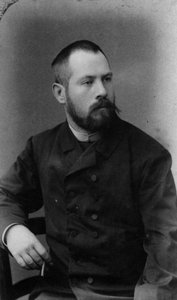
Ловис Корнит
1858 - 1925 , Немачка
Osnovne informacije
- Artistic Movement Or Style: Impressionism & Expressionism
- Artists Or Movements Influenced By This Artist: ['Expressionism']
- Artists Who Influenced This Artist:
- Courbet
- Rubens
- Date Of Birth: Jul 21, 1858
- Date Of Death: Jul 17, 1925
- Full Name: Franz Heinrich Louis Corinth
- Nationality: German
- Notable Artworks:
- In the Slaughter House
- Self-Portrait
- Female Semi-Nude
- Place Of Birth: Tauwade, Netherlands
Povezani članci

Katsushika Hokusai: 25 Remek-dela Japanskog Umetnika za Vaš Dom | ArtsDot
Uronite u svet Katsushike Hokusaija! Otkrijte 25 remek-dela japanskog umetnika, uključujući čuveni 'Veliki talas'. Ukiyo-e štampe, pejzaži i istorija iza svakog dela. Pronađite inspiraciju za dekor enterijera i kupite reprodukcije slika vrhunskog kvaliteta na ArtsDot.com.

Glavna dela koja su definisala Romantični pejzaž: 10 remek-dela za vaš dom
Otkrijte 10 remek-dela romantičnog pejzažnog slikarstva! Uronite u svet Claude Lorraina, Caspara David Friedricha i Turnera. Ispričane priče umetnosti, inspiracija za dekoraciju doma. Kvalitetne reprodukcije na ArtsDot.com – istražite celu kolekciju online!

25 Remek-dela Džona Konstebla: Lepota Engleske na Platnu | ArtsDot
Uronite u svet Džona Konstebla! Otkrijte 25 remek-dela engleskog pejzaža, romantizma i seoske idile. Kupite reprodukcije slika vrhunskog kvaliteta za dekoraciju enterijera na ArtsDot.com.

Impressionistic Landscapes: 10 Masterpieces That Changed Art & Decor
Journey into the heart of Impressionism! Explore 10 masterpieces by Monet, Renoir & Degas that revolutionized landscape art. Discover their stories, techniques & find museum-quality reproductions to elevate your home decor on ArtsDot.com.
Marianne North's Masterpieces: 25 Botanical Paintings That Bloom With Adventure | ArtsDot
Journey through the vibrant world of Marianne North’s botanical paintings! Explore 25 iconic artworks from this Victorian artist, celebrating exotic flora & travel. Find museum-quality reproductions and curated decor ideas at ArtsDot.com.