 Pregledaj u prostoru
 Pošalji
 Podeli
 Detalji o delu

 Преузми
 Slični predmeti
 Rendgenski snimak
 Slajdovi
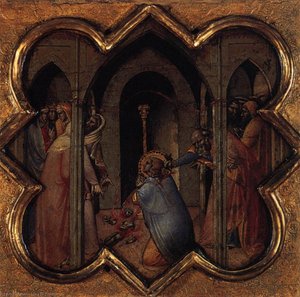
Scena iz života svetog Tome
 Akril na platnu
- Umetnost za zidove
- Late Medieval Style
 1362
1362 32.0 x 34.0 cm
 National Gallery of Scotland
 Pročitaj više
Ručno rađena uljana reprodukcija
Ručno oslikano uljanim bojama na platnu u dimenzijama i okviru po vašem izboru, izrađeno po porudžbini od strane naših umetnika. ( Kupi print Kupi digitalnu sliku)




P118B $10

P118H $10

P118W $10

P438Z $10

P508JH $12

P508YH $12

P805H $10

P805Z $10

P919BZ $10

P919G $10

P919XJ $10

P959ZH $10

P968JZ $12

W106C $8

W218G $10

W218JH $8

W218Y $10

W307PJ $10

W316G $10

W316PJ $8

W316Y $10

W398PJ $8

W4111J $10

W500HY $15

W500JH $15

W692G $12

W849H $8

W940BG $15

W953PJ $8




Izaberite jednu od naših unapred definisanih veličina koje odgovaraju originalnim proporcijama umetničkog dela.

Можете унети сопствене димензије како бисте прилагодили дело одређеном оквиру или простору. Ако одабрана величина не одговара пропорцијама оригинала, слика ће бити исечена или проширена додатним елементима који се ручно насликавају. Дигитални prikaz ће вам бити послат на одобрење пре почетка производње.
Имајте на уму да преглед на екрану не одражава стварно исецање или проширење. Само приказ (mockup) ће тачно приказати коначну композицију.
Иако су доступне прилагођене величине, препоручујемо да одаберете димензију из дефинисане листе како бисте сачували оригиналне пропорције.
Nakon narudžbine, tim ArtsDot.com će klijentu putem e-pošte poslati uputstva i dostaviti prikaz predloženog rešenja
Isporuka širom sveta () za 3/4 nedelje umesto uobičajenih 5 nedelja. (25 август). Bez kompromisa po pitanju kvaliteta.

Besplatna ekspresna dostava širom sveta

Visokokvalitetno laneno platno

Kompletno osiguranje transporta

Garancija povraćaja carine i uvoznih dažbina

Garancija vernosti boja

Politika povrata u roku od 60 dana (samo u slučaju nedostataka)

Garancija povrata novca od 100%

Popust pri grupnoj kupovini
 Opcija sa staklom dostupna je samo za dimenzije manje od 110 cm

Scena iz života svetog Tome
Tehnika reprodukcije
Dimenzije reprodukcije
-


Konačna cena
$ 263
Opis umetničkog dela
Luca di Tommè: A Maestro of Siena’s Luminosity – Exploring ‘Scenes from the Life of St Thomas’
Luca di Tommè stands as an emblem of Sienese artistic excellence during the late Medieval period, a painter whose legacy continues to resonate through centuries of art history. While overshadowed by some of his contemporaries like Duccio and Simone Martini, Tommè's prolific output – exceeding fifty confirmed works – ensured that Siena’s distinctive decorative style persisted into the Renaissance, cementing his place as a cornerstone of Sienese artistic tradition. His canvases are characterized by an unparalleled luminosity achieved through masterful tempera technique, reflecting the spiritual fervor of his time and embodying the ideals of elegance and refinement championed by the city's artistic elite.The Subject Matter: Biblical Narrative Illuminated
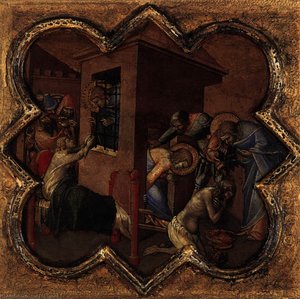
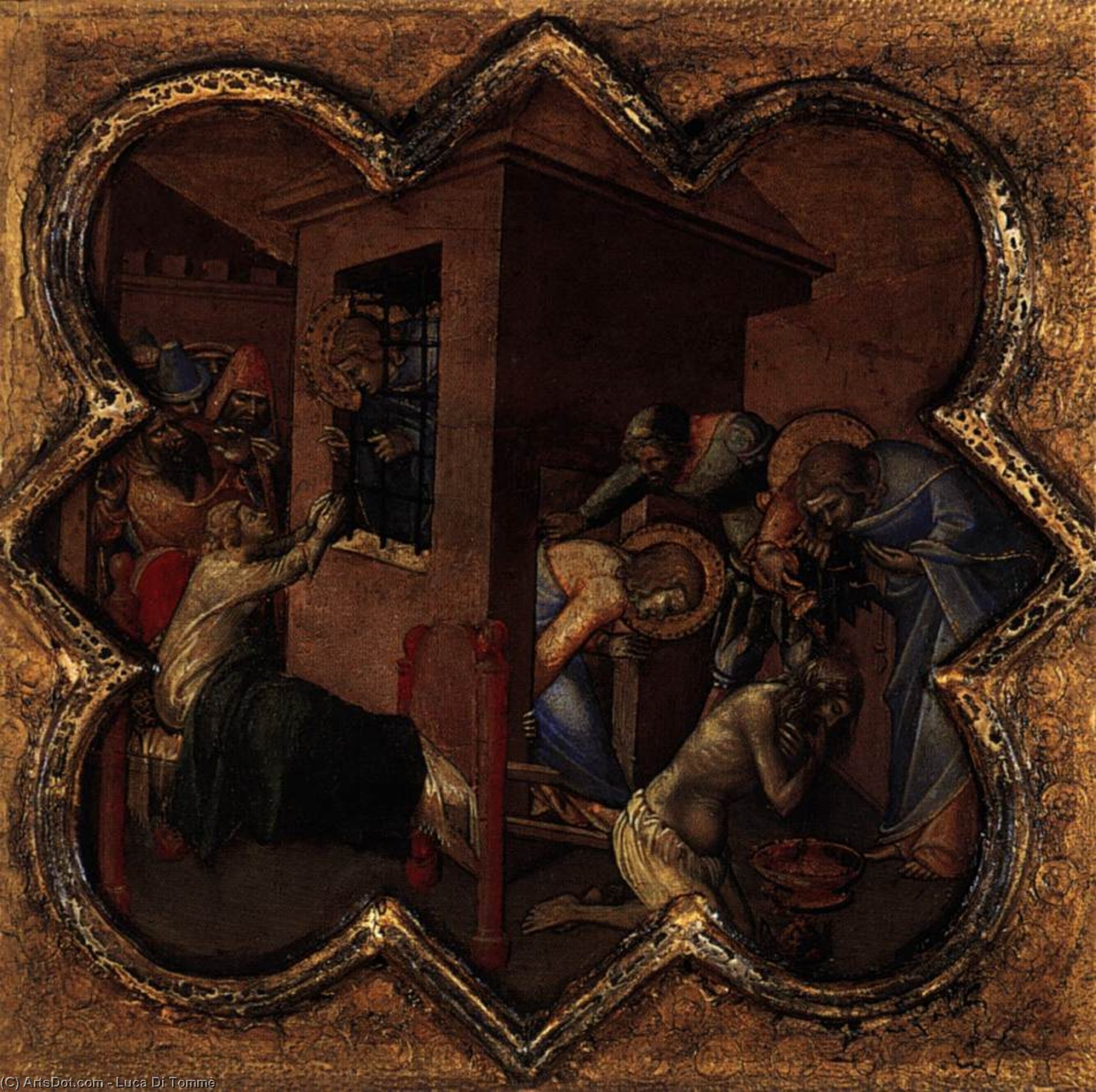
‘Scenes from the Life of St Thomas,’ housed in the Edinburgh Museum alongside three other panels and a fifth residing in Vatican City, depicts a pivotal moment within Christian iconography – Jesus Christ gifting St Thomas with his stigmata, the wounds mirroring those inflicted upon Christ during his crucifixion. This scene transcends mere visual representation; it embodies profound theological significance, illustrating faith’s unwavering conviction despite doubt and offering a poignant portrayal of divine compassion. The composition skillfully captures the solemnity of the occasion, positioning St Thomas centrally before Jesus, accompanied by figures representing witnesses to this sacred event.Stylistic Influences: Echoes of Duccio & Martini
Tommè's artistic style is undeniably indebted to the groundbreaking innovations pioneered by Duccio di Buoninsegna and Simone Martini – masters who revolutionized Sienese painting with their pioneering use of color and expressive drapery. Like his predecessors, Tommè employed a vibrant palette dominated by golds and blues, creating an ethereal atmosphere that elevates the narrative beyond the earthly realm. The meticulous attention to detail in rendering textures—particularly the folds of St Thomas’s robe and Jesus's garments—demonstrates Tommè’s mastery of tempera paint, a technique known for its brilliance and durability. This careful layering of pigment contributes significantly to the panel’s luminous quality and imbues it with an emotional depth that captivates viewers.Symbolism: Faith & Divine Revelation
The inclusion of a chair near the left side of the painting serves as a subtle yet powerful symbolic element, representing Jesus's throne – a visual affirmation of his authority and divine majesty. Similarly, the bowl placed on the ground to the right symbolizes humility and receptivity, reflecting St Thomas’s willingness to accept God’s grace despite initial skepticism. These carefully considered compositional choices underscore the painting’s overarching theme: the transformative power of faith and the profound beauty inherent in divine revelation.Emotional Impact & Legacy
Ultimately, ‘Scenes from the Life of St Thomas’ transcends its formal elements to evoke a palpable sense of reverence and contemplation. Tommè's ability to convey spiritual emotion through visual language speaks volumes about his artistic genius and secures his enduring place within Sienese art history. Reproductions of this masterpiece offer collectors and interior designers alike an opportunity to experience the sublime beauty and intellectual richness of Siena’s Late Medieval aesthetic—a testament to Luca di Tommè's unwavering dedication to capturing the essence of faith and divine grace on canvas.Srodna umetnička dela

Biografija umetnika
Luca di Tommè: A Sienese Master of the Late Medieval Period
Luca di Tommè, a name perhaps less familiar than those of his contemporaries Duccio or Simone Martini, nevertheless stands as a pivotal figure in the vibrant artistic landscape of Siena during the latter half of the 14th century. Active primarily between 1356 and 1389, he represents a crucial link in the chain of Sienese painting, inheriting the stylistic traditions of its most celebrated predecessors while simultaneously forging his own distinctive voice within the established decorative style. His prolific output – over fifty works have been confidently attributed to him – ensured that the elegant, luminous aesthetic of Siena’s artistic community continued to flourish well into the 15th century, a testament to his skill and the enduring appeal of his art.
Born around 1330 in Italy, Luca di Tommè's early life remains somewhat shrouded in mystery. He emerged as an artist during a period of considerable artistic dynamism in Siena, a city renowned for its independent spirit and thriving patronage system. The Sienese school, deeply influenced by the innovations of Duccio and Simone Martini at Florence, was characterized by a rich palette, delicate modeling, and a profound understanding of iconography – particularly within religious narratives. Luca’s work reflects this heritage, demonstrating a masterful command of tempera on wood panels, a technique common to the period and perfectly suited to capturing the subtle nuances of color and texture.
The Influence of Sienese Tradition
Luca di Tommè's artistic development is inextricably linked to the established traditions of Siena. He was undoubtedly influenced by the pioneering work of Duccio, Simone Martini, Pietro Lorenzetti, and Ambrogio Lorenzetti – artists who had revolutionized painting with their innovative use of color, perspective, and emotional expression. However, Luca didn’t simply imitate his predecessors; he skillfully absorbed their techniques and stylistic elements, integrating them into a distinctly personal approach.
Early in his career, Luca's paintings exhibit a clear debt to the Sienese masters, particularly in their meticulous attention to detail and their adherence to established iconographic conventions. His compositions are often balanced and harmonious, reflecting the prevailing aesthetic ideals of the time. However, as he matured as an artist, Luca began to introduce subtle shifts in his style, moving towards a more expressive use of line and a greater emphasis on decorative elements. This evolution is particularly evident in his later works, where he demonstrates a growing independence from purely imitative approaches.
Key Works and Artistic Style
Luca di Tommè’s oeuvre comprises a diverse range of subjects, primarily religious scenes depicting the Virgin Mary with the Christ Child, saints, and biblical figures. His most celebrated works include “Virgin and Child with Saints,” a poignant depiction of the Madonna surrounded by a haloed assembly of holy men, and “Virgin and Child with Sts. Louis of Toulouse and Michael,” which showcases his skill in rendering delicate drapery and conveying a sense of serene spirituality. The "Madonna and Child" is another notable example of his style.
A defining characteristic of Luca’s art is his masterful use of tempera on wood panels, a medium that allowed him to achieve remarkable luminosity and depth of color. His paintings are characterized by their rich palette, shimmering surfaces, and intricate detailing. He employed a technique known as *sfumato*, creating soft transitions between colors and tones, which contributes to the ethereal quality of his works. Furthermore, Luca’s compositions often feature a dynamic interplay of light and shadow, adding drama and visual interest.
Collaboration and Legacy
Luca di Tommè's career was marked by significant collaborations, most notably with Bartolo di Fredi and Andrea di Bartolo on a large altarpiece commissioned for the cathedral of Siena in 1389. These partnerships demonstrate his ability to work effectively within a team and contribute to complex artistic projects. His association with these prominent artists further solidified his position as a leading figure in the Sienese art world.
Despite his relatively short career – he died around 1389 – Luca di Tommè left an enduring legacy. His prolific output ensured that the decorative Sienese style continued to thrive well into the 15th century, influencing subsequent generations of artists. His work serves as a valuable bridge between the late medieval and early Renaissance periods, embodying the artistic spirit of Siena during a time of profound cultural change. The meticulous documentation by Sherwood A. Fehm Jr., in his book “Luca di Tommè: A Sienese Fourteenth-Century Painter,” provides invaluable insight into this artist’s life and work.
Further Exploration
For those seeking to delve deeper into the world of Luca di Tommè, several resources offer valuable information. The Web Gallery of Art (https://www.wga.hu/bio/l/luca/biograph.html) provides a comprehensive biography and images of his works, while the Wikipedia article (https://en.wikipedia.org/wiki/Luca_di_Tomm%C3%A8) offers a detailed historical overview of his life and artistic contributions. The Museo Thyssen-Bornemisza in Madrid also houses several examples of his work, offering visitors the opportunity to admire these masterpieces firsthand.
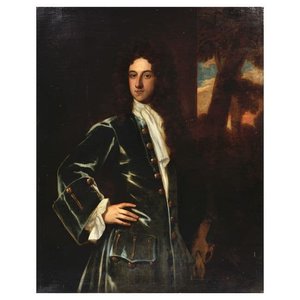
luca di tommè
1330 - 1389 , Italy
Osnovne informacije
- Artistic Movement Or Style: Sienese Proto Renaissance
- Artists Or Movements Influenced By This Artist:
- Bartolo di Fredi
- Andrea di Bartolo
- Artists Who Influenced This Artist:
- Duccio
- Simone Martini
- Pietro Lorenzetti
- Ambrogio Lorenzetti
- Date Of Birth: c. 1330
- Date Of Death: 1389
- Full Name: Luca di Tommè
- Nationality: Italian
- Notable Artworks:
- Virgin and Child with Saints
- Madonna and Child
- Virgin and Child with Sts. Louis & Michael
- Place Of Birth: Italy
Povezani članci

Giotto di Bondone: 25 Remek-dela koji definišu renesansu | ArtsDot
Istražite 25 remek-dela Giotta di Bondonea i otkrijte renesansnu umetnost u punom sjaju. Freske, oltarske slike & istorija italijanske umetnosti na ArtsDot.com! Reprodukcije vrhunskog kvaliteta za vaš dom.
Late Medieval Masterpieces: 10 Artworks That Defined an Era | ArtsDot
Journey through 10 defining Late Medieval masterpieces – from Giotto's frescoes to Jan van Eyck’s realism. Explore the stories, techniques & vibrant colors of Gothic art. Find museum-quality reproductions and elevate your home decor with ArtsDot.com! Discover all masterpieces on ArtsDot.com
High Medieval Art: 10 Masterpieces That Shaped an Era | ArtsDot
Journey through High Medieval Art! Explore 10 iconic masterpieces – from Giotto's frescoes to stunning Gothic cathedrals. Discover the stories behind these timeless paintings, sculptures & illuminated manuscripts. Find museum-quality art reproductions at ArtsDot.com.
Giotto di Bondone: Revolutionizing Late Medieval Painting through Narrative Innovation
Explore the revolutionary art of Giotto di Bondone! Discover his groundbreaking techniques, iconic frescoes like those in the Arena Chapel, and lasting impact on Renaissance painting. A deep dive for art enthusiasts.
Proto-Renaissance Masters: 10 Artworks That Changed History | ArtsDot
Journey back to the dawn of Renaissance art! Explore 10 iconic Proto-Renaissance masterpieces by Giotto, Cimabue & Duccio. Discover their stories, techniques & lasting impact. Find museum-quality reproductions for your home at ArtsDot.com