

 Pregledaj u prostoru
 Pošalji
 Podeli
 Detalji o delu

 Преузми
 Slični predmeti
 Rendgenski snimak
 Slajdovi
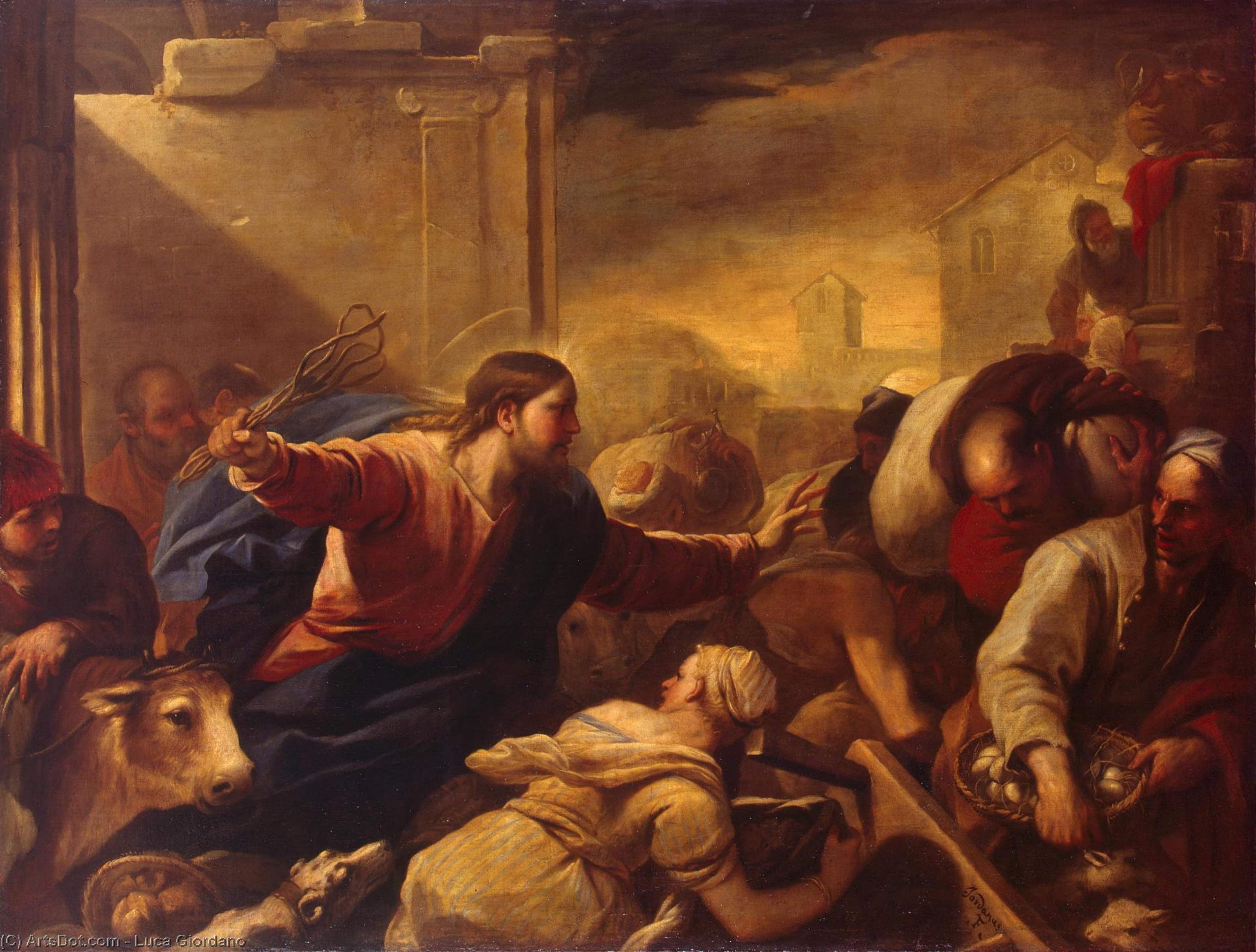
Expulsion of the Moneychangers from the Temple
 Oil On Canvas
- WallArt
- Baroque
 1675
1675- Early Modern
 198.0 x 261.0 cm
 Hermitage Museum
 Pročitaj više
Ručno rađena uljana reprodukcija
Ručno oslikano uljanim bojama na platnu u dimenzijama i okviru po vašem izboru, izrađeno po porudžbini od strane naših umetnika. ( Kupi print Kupi digitalnu sliku)




P118B $10

P118H $10

P118W $10

P438Z $10

P508JH $12

P508YH $12

P805H $10

P805Z $10

P919BZ $10

P919G $10

P919XJ $10

P959ZH $10

P968JZ $12

W106C $8

W218G $10

W218JH $8

W218Y $10

W307PJ $10

W316G $10

W316PJ $8

W316Y $10

W398PJ $8

W4111J $10

W500HY $15

W500JH $15

W692G $12

W849H $8

W940BG $15

W953PJ $8




Izaberite jednu od naših unapred definisanih veličina koje odgovaraju originalnim proporcijama umetničkog dela.

Можете унети сопствене димензије како бисте прилагодили дело одређеном оквиру или простору. Ако одабрана величина не одговара пропорцијама оригинала, слика ће бити исечена или проширена додатним елементима који се ручно насликавају. Дигитални prikaz ће вам бити послат на одобрење пре почетка производње.
Имајте на уму да преглед на екрану не одражава стварно исецање или проширење. Само приказ (mockup) ће тачно приказати коначну композицију.
Иако су доступне прилагођене величине, препоручујемо да одаберете димензију из дефинисане листе како бисте сачували оригиналне пропорције.
Nakon narudžbine, tim ArtsDot.com će klijentu putem e-pošte poslati uputstva i dostaviti prikaz predloženog rešenja
Isporuka širom sveta () za 3/4 nedelje umesto uobičajenih 5 nedelja. (1 септембар). Bez kompromisa po pitanju kvaliteta.

Besplatna ekspresna dostava širom sveta

Visokokvalitetno laneno platno

Kompletno osiguranje transporta

Garancija povraćaja carine i uvoznih dažbina

Garancija vernosti boja

Politika povrata u roku od 60 dana (samo u slučaju nedostataka)

Garancija povrata novca od 100%

Popust pri grupnoj kupovini
 Opcija sa staklom dostupna je samo za dimenzije manje od 110 cm

Expulsion of the Moneychangers from the Temple
Tehnika reprodukcije
Dimenzije reprodukcije
-


Konačna cena
$ 388
Luca Giordano’s Dramatic Depiction of Faith and Chaos
Luca Giordano's "Expulsion of the Moneychangers from the Temple," completed in 1675, is a visceral testament to the fervor and emotional intensity that defined the late Baroque period. This monumental canvas, measuring 198 x 261 cm, immediately commands attention with its dynamic composition and masterful execution – a hallmark of Giordano’s prolific career. The scene, likely inspired by Mark 5:21-43, depicts the miraculous raising of Jairus's daughter, rendered not as a serene miracle but as a chaotic eruption of faith, grief, and ultimately, hope. Giordano, known affectionately as “Luca fa presto,” expertly captures this whirlwind through his characteristic use of strong diagonals, expressive brushstrokes, and a dramatic chiaroscuro lighting scheme that plunges the viewer directly into the heart of the event.
A Baroque Masterpiece: Composition and Technique
- Dynamic Composition: Giordano’s genius lies in his ability to translate narrative complexity into a powerfully engaging visual experience. The crowded scene, teeming with figures – Jesus at the center, Jairus and his wife consumed by grief, disciples reacting with astonishment, and onlookers caught in the unfolding drama – creates a sense of overwhelming immediacy. Diagonal lines dominate, guiding the eye through the throng and emphasizing the movement inherent in this miraculous event.
- Oil Painting Technique: Executed entirely in oil paint on canvas or panel, the artwork showcases Giordano’s technical prowess. The visible brushwork, characteristic of Baroque painting, adds a remarkable sense of texture and realism to the figures and architectural elements. The artist skillfully employs impasto – thick application of paint – particularly around key areas like Jesus's robes and the faces of the grieving family, further amplifying the emotional impact.
- Chiaroscuro Lighting: The dramatic use of light and shadow, a defining feature of Baroque art, is central to Giordano’s success. A strong light source illuminates Jesus and the central figures, casting deep shadows that heighten the sense of drama and spiritual intensity. This technique not only directs the viewer's attention but also contributes significantly to the painting’s emotional power.
Symbolism and Emotional Resonance
Beyond its narrative content, “Expulsion of the Moneychangers from the Temple” is rich in symbolic meaning. The scene represents a profound moment of faith confronting earthly suffering – a powerful allegory for the triumph of spiritual truth over material greed. The figures’ gestures—the frantic movements of the money changers being driven out, the anguished expressions of Jairus and his wife, the hopeful faces of the onlookers—evoke a spectrum of human emotions: grief, fear, astonishment, and ultimately, faith. Giordano masterfully captures these emotional nuances, inviting viewers to connect with the scene on a deeply personal level.
Historical Context and Artistic Influences
Created in Naples during Giordano’s peak creative period, this work reflects the artistic currents of the late Baroque – a style characterized by its dramatic intensity, emotional expressiveness, and realistic portrayal of human figures. While influenced by the rigorous training he received from Jusepe de Ribera, Giordano developed his own distinctive voice, marked by a greater emphasis on luminosity and movement. This painting stands as a prime example of Giordano’s contribution to Neapolitan Baroque art, solidifying his reputation as “Luca fa presto” – a name that reflected not only his speed but also his remarkable artistic talent.
A Statement Piece for the Connoisseur
ArtsDot.com offers meticulously crafted hand-painted reproductions of Luca Giordano’s "Expulsion of the Moneychangers from the Temple," allowing you to bring this dramatic Baroque masterpiece into your home or office. Each reproduction is created using traditional oil painting techniques and archival materials, ensuring its longevity and beauty for generations to come. This artwork is more than just a decoration; it's an investment in art history, a testament to Giordano’s genius, and a powerful symbol of faith, hope, and the enduring human spirit.
Srodna umetnička dela
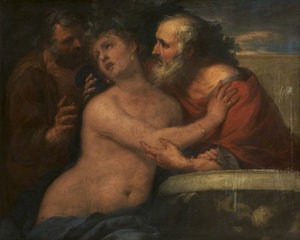
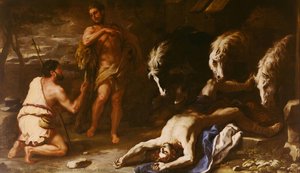
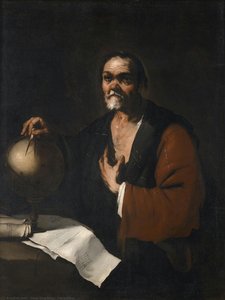
Biografija umetnika
Luca Giordano (18 October 1634 – 3 January 1705): Explore the Vibrant Baroque Masterpieces of ‘Luca Fa Presto,’ Naples’ Most Celebrated Painter, Known for His Speed & Dazzling Frescoes
Luca Giordano, born in Naples on October 18th, 1634, was a name that swiftly ascended to prominence within the artistic circles of late Baroque Italy – a moniker synonymous with audacious brilliance and unparalleled productivity. He wasn’t merely an artist; he embodied dynamism itself, a veritable torrent of creativity whose prolific output irrevocably reshaped both canvases and architectural spaces across the peninsula and beyond. His father, Antonio Giordano, instilled in him the initial bedrock of artistic training, yet it was under the watchful eye of Jusepe de Ribera that Luca truly honed his distinctive style – an early apprenticeship that imprinted upon him a profound sense of dramatic intensity and meticulous realism, characteristics evident even in his earliest endeavors. Unlike Ribera’s often subdued palette, Giordano possessed an innate proclivity for luminosity and movement—qualities that would ultimately define the singular aesthetic he championed throughout his illustrious career. Even then, he earned the affectionate nickname “Luca fa presto”—Luca the quick one—a testament to his astonishing speed and seemingly limitless energy; he wasn't simply skilled; he possessed a remarkable aptitude for capturing profound emotion and breathtaking spectacle with an ease that captivated contemporaries.From Naples’ Artistic Crucible: Early Training & Influences
Giordano’s formative years were steeped in the traditions of Neapolitan painting, where he absorbed the stylistic nuances of his predecessors while simultaneously forging his own path. His father's guidance ensured a solid grounding in artistic principles, yet it was Ribera who profoundly shaped his artistic sensibilities – an encounter that instilled within him a deep appreciation for dramatic chiaroscuro and meticulous observation. This early influence manifested itself in his initial works, characterized by a palpable tension between darkness and light—a stylistic hallmark that would persist throughout his oeuvre. Furthermore, Giordano’s artistic vision was nurtured by the broader cultural landscape of Naples, where humanist ideals mingled with religious fervor. He studied the masterpieces of Titian and Veronese, embracing their opulent color palettes and dynamic compositions – a deliberate contrast to Ribera's somber aesthetic—demonstrating an intellectual curiosity that extended beyond mere technical proficiency. The influence of Pietro da Cortona is also palpable in Giordano’s later frescoes, reflecting his fascination with illusionistic space and theatrical grandeur.A Career Marked by Motion & Innovation: Travels & Commissions
Giordano’s artistic trajectory wasn't confined to Naples; it unfolded across Italy and Spain – a testament to his ambition and adaptability. Following his formative apprenticeship, he sought opportunities in Rome, Florence, and Venice—cities that served as incubators for artistic experimentation and innovation. In Venice, he immersed himself in the vibrant traditions of Venetian painting, studying the works of Titian and Veronese with unwavering dedication. This exposure broadened his stylistic horizons and instilled within him a deeper understanding of visual storytelling. Florence witnessed Giordano undertake monumental fresco cycles – most notably in the dome of the Corsini Chapel at Chiesa del Carmine—a feat that showcased his burgeoning mastery of illusionistic space and narrative complexity. His ability to transform architectural interiors into immersive theatrical experiences cemented his reputation as one of Italy’s foremost artists. However, it was his decade-long engagement with Spanish artistic culture – commencing in 1682 – that propelled him to international acclaim. Appointed as court painter to Charles II, Giordano reinvigorated the Baroque tradition in Spain, injecting a much-needed dose of Italian exuberance into its more restrained aesthetic.A Synthesis of Styles: Giordano’s Distinctive Artistic Signature
Giordano's genius lay not in inventing entirely novel techniques but rather in harmoniously blending existing ones – resulting in a remarkably fluid and decorative style. He skillfully combined the dramatic realism inherited from Ribera, the luminous colorism inspired by Venetian painters, and the dynamic compositions reminiscent of Pietro da Cortona—a stylistic convergence that reflected his profound artistic intellect. His brushwork possessed an unparalleled freedom and spontaneity, conveying an impression of effortless grace; he wasn’t afraid to embrace ornamentation, filling his canvases with intricate details and swirling draperies – a characteristic feature of his mature style. This approach enabled him to tackle a diverse range of subjects—from religious scenes and mythological narratives to portraits and decorative schemes—with equal conviction. The Judgment of Paris, housed in the Berlin Museum, exemplifies this stylistic fusion; it’s a dazzling display of classical mythology rendered with a Baroque flair – demonstrating Giordano's mastery of color, composition, and dramatic storytelling.Legacy & Enduring Influence: Giordano’s Place Among Baroque Masters
Luca Giordano’s legacy extends far beyond his own lifetime—a testament to his enduring artistic significance. He trained numerous pupils who carried forward his stylistic innovations throughout Italy and beyond, ensuring that his distinctive aesthetic continued to inspire generations of artists. His prolific output – estimated at over six hundred paintings and countless fresco cycles – remains a beacon of Baroque artistry, captivating audiences today with its vibrancy and dynamism. The Palazzo Capodimonte in Naples houses an unparalleled collection of Giordano’s works—providing scholars with invaluable insight into the evolution of his artistic vision. Giordano's ability to seamlessly blend technical virtuosity with emotional depth secures his place as one of the most revered figures of the Italian Baroque – a painter whose influence resonates powerfully through the annals of art history. He died peacefully in Naples on January 3rd, 1705, leaving behind an indelible mark upon the artistic landscape of his era and cementing his enduring reputation as ‘Luca Fa Presto,’ the Quick One—a moniker that encapsulates the essence of his unparalleled creative energy.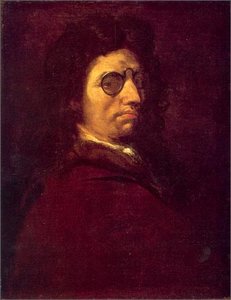
Лука Јођано
1634 - 1705 , Италија
Osnovne informacije
- Artistic Movement Or Style: Pozno Barok
- Artists Or Movements Influenced By This Artist: ['Paolo de Matteis']
- Artists Who Influenced This Artist:
- Jusepe de Ribera
- Titijan
- Veroneza
- Date Of Birth: 1634
- Date Of Death: 1705
- Full Name: Luca Giordano
- Nationality: Talijan
- Notable Artworks:
- Sudjenje Parisu
- Krist sa lekarima
- Freske u Napulji
- Place Of Birth: Naples, Italija
Povezani članci
Luca Giordano: Neapolitan Baroque Master & His European Influence
Explore the life & works of Luca Giordano, the celebrated Neapolitan Baroque master. Discover his prolific fresco cycles, Roman commissions, and lasting influence on European art history. Learn more at ArtsDot.

The Dramatic Flourish: Exploring the Baroque Movement's Enduring Legacy in Art History
Explore the dramatic world of Baroque art! Discover iconic artists like Caravaggio & Rubens, defining techniques, and its lasting impact on art history. Expert insights for collectors & enthusiasts at ArtsDot.

Barok Majstor dela: Top 10 Umjetničkih Remeka za Vaš Dom
Otkrijte 10 remek dela koja su definisala baroknu umetnost! Karavagio, Bernini i više – istražite priče iza ovih ikoničnih slika. Inspiracija za vaš dom? Pogledajte kolekciju na ArtsDot.com!

The Visceral Stage: Exploring Dramatic Narratives & Emotional Intensity in Baroque Art
Explore the dramatic world of Baroque art! Discover iconic masters like Caravaggio & Rembrandt, their techniques, and the movement's lasting impact. Expert insights for collectors & enthusiasts at ArtsDot.

Барокна драма: Уношење величине и емоција у савремене ентеријере
Откријте барокну драму и унесите величину у ваш ентеријер! ArtsDot нуди ручно насликане репродукције, персонализоване портрете и стручне консултације за љубитеље класичне уметности. Потражите савршено дело већ данас!

