

 Pregledaj u prostoru
 Pošalji
 Podeli
 Detalji o delu

 Преузми
 Slični predmeti
 Rendgenski snimak
 Slajdovi
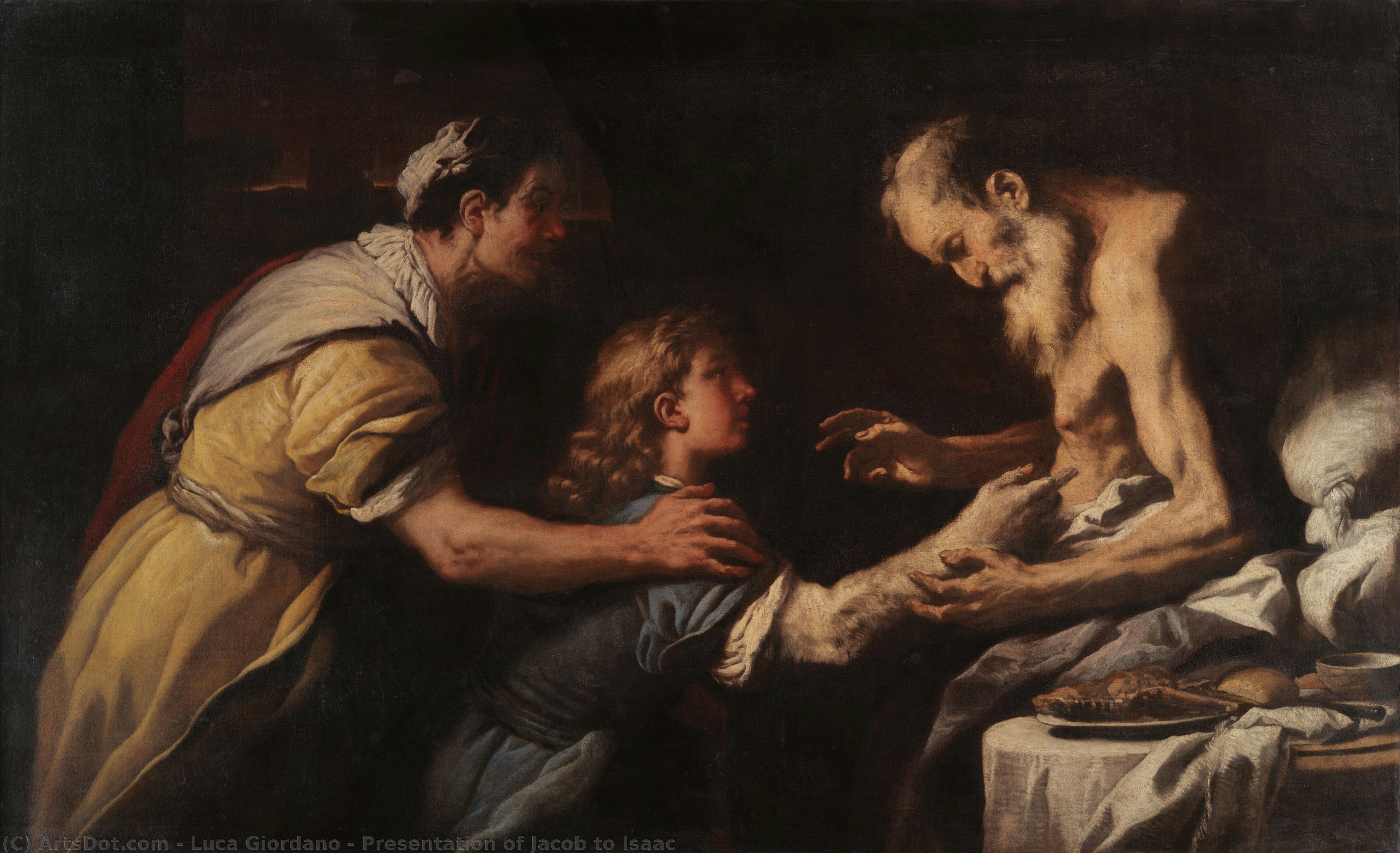
Presentation of Jacob to Isaac
 Oil On Canvas
- WallArt
- Late Baroque
 1680
1680- Early Modern
 191.0 x 117.0 cm
 Nacionalni muzej lepih umetnosti
 Pročitaj više
Kupite digitalnu sliku visoke rezolucije i poboljšanog kvaliteta, koja je znatno superiornija od onoga što vidite u online prikazu.
Svaka datoteka je pedantno pripremljena od strane naših stručnjaka koristeći napredne alate i profesionalnu ručnu retušu. Osiguravamo da svaka slika ima izuzetnu oštrinu, preciznu reprodukciju boja i fine detalje.
Konačna datoteka se dostavlja putem e-pošte u roku od 72 sata, optimizovana za neposrednu upotrebu u profesionalnim, izdavačkim i štamparskim okruženjima. To je isti kvalitet kojem veruju vrhunski studiji dizajna, izdavači i galerije.
Digitalna slika
Preuzmite datoteku visoke rezolucije za ličnu upotrebu, štampanje i kreativne projekte. ( Kupi print Kupi ručno naslikanu sliku)
Uključeno uz svaku porudžbinu digitalne slike
Profesionalna digitalna isporuka, zagarantovana
Kada odaberete ArtsDot.com, ne dobijate samo sliku – vi primate profesionalno unapređeno digitalno umetničko delo, izrađeno sa najvećom preciznošću i uz garanciju zadovoljstva. Evo svega što automatski dolazi uz vašu porudžbinu:

Brza dostava putem e-pošte
Vaša digitalna slika visoke rezolucije biće vam poslata putem e-pošte u roku od 72 sata od poručivanja – spremna za trenutnu upotrebu.

Digitalna datoteka unapređena veštačkom inteligencijom
Vaše umetničko delo je profesionalno optimizovano korišćenjem naprednih AI alata i ručne obrade, čime se osiguravaju maksimalni detalji, oštrina i preciznost boja.

Besplatna ponovna isporuka doživotno
Slučajno ste obrisali ili izgubili svoju datoteku? Ne brinite – poslaćemo vam je ponovo u bilo kom trenutku, potpuno besplatno.

Bez troškova uvoza – zauvek
Uživajte u svojim umetničkim delima trenutno, bez carine, dažbina ili troškova dostave – digitalni download je uvek bez poreza.

Garancija vernosti boja
Uz pomoć profesionalnih alata i upravljanja bojama, osiguravamo da vaša digitalna slika što vernije odražava originalne boje.

Garancija zadovoljstva u roku od 60 dana
Ako niste zadovoljni svojom digitalnom slikom, revidirat ćemo je ili vratiti 100% novca u roku od 60 dana – bez ikakvih pitanja.

100% garancija povrata novca
Niste zadovoljni? Obezbedite pun povrat novca u roku od 60 dana od trenutka kada ste primili svoju digitalnu datoteku – bez suvišnih pitanja.

Popusti na velike porudžbine
Kupite 3 slike, uštedite 10% - Kupite 5 slika, uštedite 15% - Kupite 10+ slika, uštedite 20%. Odlično za kreativne projekte, galerije i agencije.
Opis kolekcionarskog dela
A Divine Encounter in Neapolitan Baroque
In the grand tapestry of the late Baroque era, few works capture the intersection of human vulnerability and divine promise as poignantly as Luca Giordano’s Presentation of Jacob to Isaac. Completed in 1680, this masterpiece serves as a breathtaking window into a moment of profound biblical significance: the blessing of Jacob by his father, Isaac. As the viewer approaches the canvas, they are not merely observing a historical or religious event; they are drawn into an intimate, theatrical stage where the weight of destiny is palpable. Giordano, a master of the Neapolitan school, orchestrates a scene that transcends simple storytelling, inviting us to witness the fulfillment of God's covenant with Abraham and Sarah through a lens of intense emotional resonance.
The composition is a masterclass in Baroque dynamism. Eschewing the static rigidity of earlier Renaissance traditions, Giordano employs complex, interlocking poses that suggest a world in constant motion. The figures are positioned with a deliberate, staged energy, guiding the eye across the canvas to follow the spiritual gravity of the blessing. This sense of movement is complemented by the artist's legendary use of chiaroscuro—the dramatic interplay between deep, velvety shadows and sudden, luminous highlights. This technique does more than create volume; it sculpts the very atmosphere, casting a sacred glow upon the central figures while allowing the periphery to recede into a mysterious, contemplative gloom.
Technique, Light, and the Illusion of Reality
To behold this work is to experience the "trompe l'oeil" brilliance that made Giordano one of the most sought-after decorators in Europe. He possesses a singular ability to manipulate perspective, creating an illusionistic depth that seems to push the figures forward into our own space. The textures of the scene—the coarse fabric of the peasants' clothing, the glint of metal on the table, and the soft skin of the protagonists—are rendered with such tactile precision that the boundary between the painted world and reality begins to blur. This technical virtuosity is paired with a luminous palette, a departure from the somber tones of his predecessor Jusepe de Ribera, infusing the scene with a sense of hope and divine light.
The setting itself, featuring a humble dining arrangement with bowls, spoons, and a knife, grounds the celestial event in the earthly realm. This juxtaposition of the mundane and the miraculous is central to the painting's power. The presence of everyday objects serves as a symbolic anchor, reminding the viewer that the divine often manifests within the simplest of human gatherings. For the collector or interior designer, this duality makes the piece incredibly versatile; it possesses the grandeur required for a formal gallery setting, yet its intimate, domestic details allow it to harmonize beautifully within a sophisticated living space.
A Legacy of Devotion and Artistic Brilliance
Historically, Giordano’s work was deeply intertwined with the spirit of the Counter-Reformation. During this period, the Catholic Church sought art that could stir the soul, reinforce piety, and visually communicate the majesty of God's providence. Presentation of Jacob to Isaac functions as a piece of visual rhetoric, designed to evoke awe and inspire religious fervor. The painting is not just an aesthetic triumph; it is a spiritual instrument, crafted to remind the faithful of the enduring nature of divine promises.
For those seeking to adorn their collections with works of profound historical importance, this reproduction offers more than mere decoration. It provides a centerpiece of narrative depth and technical excellence. Whether placed in a sunlit study or a grand hall, the painting brings with it the "Fa Presto" energy of Giordano—a whirlwind of creativity that continues to captivate the modern eye, offering a timeless connection to the dramatic splendor of the 17th century.
Srodna umetnička dela
Biografija umetnika
Luca Giordano (18 October 1634 – 3 January 1705): Explore the Vibrant Baroque Masterpieces of ‘Luca Fa Presto,’ Naples’ Most Celebrated Painter, Known for His Speed & Dazzling Frescoes
Luca Giordano, born in Naples on October 18th, 1634, was a name that swiftly ascended to prominence within the artistic circles of late Baroque Italy – a moniker synonymous with audacious brilliance and unparalleled productivity. He wasn’t merely an artist; he embodied dynamism itself, a veritable torrent of creativity whose prolific output irrevocably reshaped both canvases and architectural spaces across the peninsula and beyond. His father, Antonio Giordano, instilled in him the initial bedrock of artistic training, yet it was under the watchful eye of Jusepe de Ribera that Luca truly honed his distinctive style – an early apprenticeship that imprinted upon him a profound sense of dramatic intensity and meticulous realism, characteristics evident even in his earliest endeavors. Unlike Ribera’s often subdued palette, Giordano possessed an innate proclivity for luminosity and movement—qualities that would ultimately define the singular aesthetic he championed throughout his illustrious career. Even then, he earned the affectionate nickname “Luca fa presto”—Luca the quick one—a testament to his astonishing speed and seemingly limitless energy; he wasn't simply skilled; he possessed a remarkable aptitude for capturing profound emotion and breathtaking spectacle with an ease that captivated contemporaries.From Naples’ Artistic Crucible: Early Training & Influences
Giordano’s formative years were steeped in the traditions of Neapolitan painting, where he absorbed the stylistic nuances of his predecessors while simultaneously forging his own path. His father's guidance ensured a solid grounding in artistic principles, yet it was Ribera who profoundly shaped his artistic sensibilities – an encounter that instilled within him a deep appreciation for dramatic chiaroscuro and meticulous observation. This early influence manifested itself in his initial works, characterized by a palpable tension between darkness and light—a stylistic hallmark that would persist throughout his oeuvre. Furthermore, Giordano’s artistic vision was nurtured by the broader cultural landscape of Naples, where humanist ideals mingled with religious fervor. He studied the masterpieces of Titian and Veronese, embracing their opulent color palettes and dynamic compositions – a deliberate contrast to Ribera's somber aesthetic—demonstrating an intellectual curiosity that extended beyond mere technical proficiency. The influence of Pietro da Cortona is also palpable in Giordano’s later frescoes, reflecting his fascination with illusionistic space and theatrical grandeur.A Career Marked by Motion & Innovation: Travels & Commissions
Giordano’s artistic trajectory wasn't confined to Naples; it unfolded across Italy and Spain – a testament to his ambition and adaptability. Following his formative apprenticeship, he sought opportunities in Rome, Florence, and Venice—cities that served as incubators for artistic experimentation and innovation. In Venice, he immersed himself in the vibrant traditions of Venetian painting, studying the works of Titian and Veronese with unwavering dedication. This exposure broadened his stylistic horizons and instilled within him a deeper understanding of visual storytelling. Florence witnessed Giordano undertake monumental fresco cycles – most notably in the dome of the Corsini Chapel at Chiesa del Carmine—a feat that showcased his burgeoning mastery of illusionistic space and narrative complexity. His ability to transform architectural interiors into immersive theatrical experiences cemented his reputation as one of Italy’s foremost artists. However, it was his decade-long engagement with Spanish artistic culture – commencing in 1682 – that propelled him to international acclaim. Appointed as court painter to Charles II, Giordano reinvigorated the Baroque tradition in Spain, injecting a much-needed dose of Italian exuberance into its more restrained aesthetic.A Synthesis of Styles: Giordano’s Distinctive Artistic Signature
Giordano's genius lay not in inventing entirely novel techniques but rather in harmoniously blending existing ones – resulting in a remarkably fluid and decorative style. He skillfully combined the dramatic realism inherited from Ribera, the luminous colorism inspired by Venetian painters, and the dynamic compositions reminiscent of Pietro da Cortona—a stylistic convergence that reflected his profound artistic intellect. His brushwork possessed an unparalleled freedom and spontaneity, conveying an impression of effortless grace; he wasn’t afraid to embrace ornamentation, filling his canvases with intricate details and swirling draperies – a characteristic feature of his mature style. This approach enabled him to tackle a diverse range of subjects—from religious scenes and mythological narratives to portraits and decorative schemes—with equal conviction. The Judgment of Paris, housed in the Berlin Museum, exemplifies this stylistic fusion; it’s a dazzling display of classical mythology rendered with a Baroque flair – demonstrating Giordano's mastery of color, composition, and dramatic storytelling.Legacy & Enduring Influence: Giordano’s Place Among Baroque Masters
Luca Giordano’s legacy extends far beyond his own lifetime—a testament to his enduring artistic significance. He trained numerous pupils who carried forward his stylistic innovations throughout Italy and beyond, ensuring that his distinctive aesthetic continued to inspire generations of artists. His prolific output – estimated at over six hundred paintings and countless fresco cycles – remains a beacon of Baroque artistry, captivating audiences today with its vibrancy and dynamism. The Palazzo Capodimonte in Naples houses an unparalleled collection of Giordano’s works—providing scholars with invaluable insight into the evolution of his artistic vision. Giordano's ability to seamlessly blend technical virtuosity with emotional depth secures his place as one of the most revered figures of the Italian Baroque – a painter whose influence resonates powerfully through the annals of art history. He died peacefully in Naples on January 3rd, 1705, leaving behind an indelible mark upon the artistic landscape of his era and cementing his enduring reputation as ‘Luca Fa Presto,’ the Quick One—a moniker that encapsulates the essence of his unparalleled creative energy.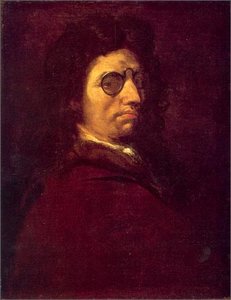
Лука Јођано
1634 - 1705 , Италија
Kratke činjenice
- Artistic Movement Or Style: Pozno Barok
- Artists Or Movements Influenced By This Artist: ['Paolo de Matteis']
- Artists Who Influenced This Artist:
- Jusepe de Ribera
- Titijan
- Veroneza
- Date Of Birth: 1634
- Date Of Death: 1705
- Full Name: Luca Giordano
- Nationality: Talijan
- Notable Artworks:
- Sudjenje Parisu
- Krist sa lekarima
- Freske u Napulji
- Place Of Birth: Naples, Italija

