 Pregledaj u prostoru
 Pošalji
 Podeli
 Detalji o delu

 Преузми
 Slični predmeti
 Rendgenski snimak
 Slajdovi
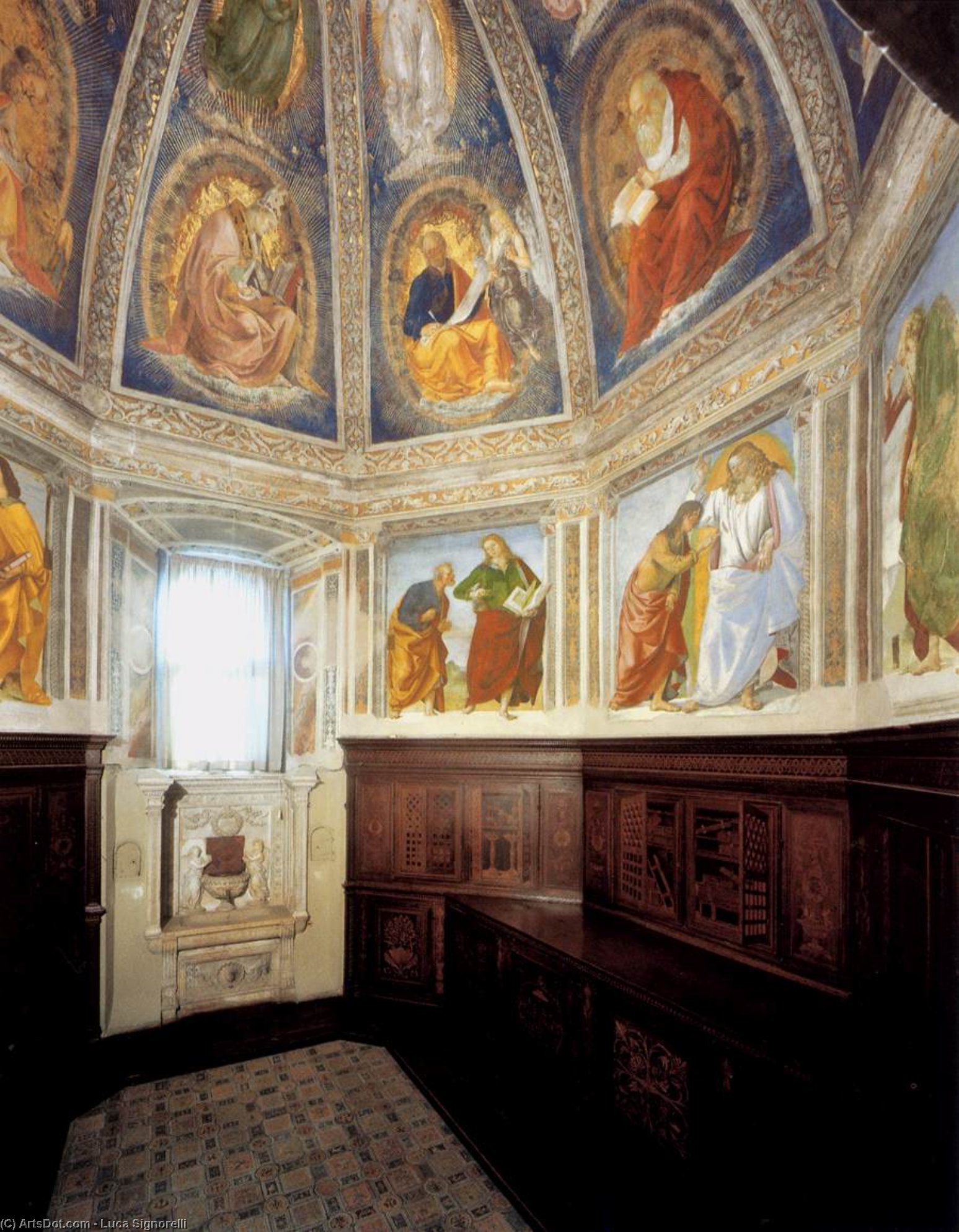
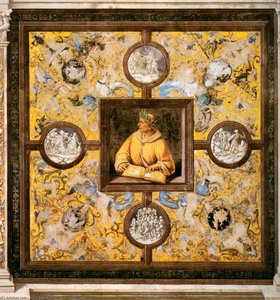
View of the Sacristy of St John


 Pročitaj više
Giclee štampa / Umetnički otisak
Giclée štampa ili print na platnu muzejskog kvaliteta uz brzu proizvodnju i fleksibilne opcije završne obrade. ( Kupi ručno naslikanu sliku Kupi digitalnu sliku)




P118B $10

P118H $10

P118W $10

P438Z $10

P508JH $12

P508YH $12

P805H $10

P805Z $10

P919BZ $10

P919G $10

P919XJ $10

P959ZH $10

P968JZ $12

W106C $8

W218G $10

W218JH $8

W218Y $10

W307PJ $10

W316G $10

W316PJ $8

W316Y $10

W398PJ $8

W4111J $10

W500HY $15

W500JH $15

W692G $12

W849H $8

W940BG $15

W953PJ $8




Izaberite jednu od naših unapred definisanih veličina koje odgovaraju originalnim proporcijama umetničkog dela.

Možete uneti sopstvene dimenzije kako biste umetničko delo prilagodili specifičnom okviru ili prostoru. Ako odabrani format ne odgovara proporcijama originalne slike, mi ćemo ili iscrtati deo dela ili proširiti sliku pomoću ogledane ivice ili jednobojnog popunjavanja. Digitalni prikaz će vam biti poslat na odobrenje pre početka proizvodnje.
Imajte na umu da pregled na ekranu ne odražava stvarno iscrtavanje ili proširivanje. Samo će prikaz (mockup) precizno pokazati finalnu kompoziciju.
Iako su prilagođene dimenzije dostupne, preporučujemo da odaberete dimenziju sa unapred definisane liste kako biste očuvali originalne proporcije.
Dostava širom sveta () za 2 nedelje umesto uobičajenih 4/5 nedelja. (31 август)

Besplatna ekspresna dostava širom sveta

Visokokvalitetno laneno platno

Kompletno osiguranje transporta

Garancija povraćaja carine i uvoznih dažbina

Garancija vernosti boja

Politika povrata u roku od 60 dana (samo u slučaju nedostataka)

Garancija povrata novca od 100%

Popust pri grupnoj kupovini
 Opcija sa staklom dostupna je samo za dimenzije manje od 110 cm

View of the Sacristy of St John
Giclee štampa / Umetnički otisak
Dimenzije reprodukcije
-


Konačna cena
$ 62
Luca Signorelli’s “View of the Sacristy of St John”: A Renaissance Vision of Divine Order
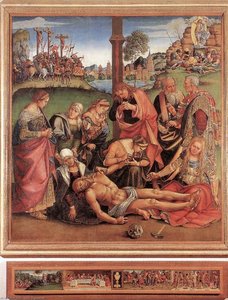
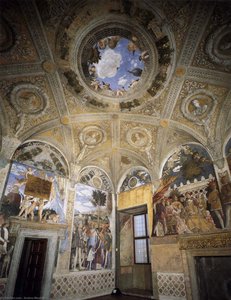
The fresco, “View of the Sacristy of St John,” painted in 1477 by Luca Signorelli for the dome of the Basilica della Santa Casa in Loreto, Italy, is more than just a decorative ceiling; it’s a meticulously crafted microcosm of faith, a testament to Renaissance artistic principles, and a profound exploration of biblical narrative. Signorelli, already establishing himself as a master draftsman and colorist, delivers here a complex composition brimming with symbolic weight and technical brilliance, inviting the viewer into a world where earthly beauty intertwines with celestial grace. The painting’s immediate impact is one of controlled dynamism – figures move within a carefully orchestrated space, guided by linear perspective and a deep understanding of human anatomy. It's a scene both intimate in its conversation and expansive in its theological scope.A Symphony of Figures and Narrative
The fresco unfolds as a series of interconnected vignettes, arranged around a central area dominated by three men engaged in animated discussion. These figures, likely representing teachers or guides, are positioned strategically to draw the eye into the heart of the composition. Above them, within circular frames adorning the dome itself, we encounter depictions of saints and angels – a gallery of holy figures rendered with classical elegance and imbued with an aura of serene authority. The narrative is deeply rooted in biblical stories: scenes from the lives of the saints, episodes from the Old Testament, and glimpses into the future judgment. Signorelli masterfully integrates these disparate elements, creating a cohesive whole that speaks to the enduring power of faith and divine providence. The careful placement of each figure – their gestures, expressions, and interactions – contributes to the overall sense of order and harmony.Technique and Materials: Fresco’s Enduring Legacy
Signorelli's mastery lies not only in his narrative vision but also in his technical execution. As a fresco painter, he worked directly onto wet plaster, applying pigments mixed with water – a technique demanding both speed and precision. The slightly textured surface of the paint is visible, lending the work an authentic sense of history and age. Signorelli’s use of color is particularly noteworthy; he employs a rich palette dominated by warm tones—golds, reds, yellows, and browns—to create a luminous effect that seems to emanate from within the fresco itself. The subtle gradations of light and shadow – achieved through careful layering of pigments – imbue the figures with volume and depth, while the linear perspective guides the viewer’s eye across the complex composition. The meticulous detail in the drapery, the realistic portrayal of facial features, and the precise rendering of architectural elements all testify to Signorelli's exceptional skill as a draftsman.Symbolism and Spiritual Resonance
Beyond its aesthetic qualities, “View of the Sacristy of St John” is rich in symbolic meaning. The circular arrangement of figures reflects the concept of eternity – a timeless realm where God’s will prevails. The saints depicted represent various virtues and ideals, serving as models for Christian emulation. The central conversation suggests the importance of guidance and instruction on the path to salvation. Furthermore, the fresco embodies the Renaissance fascination with classical antiquity, evident in the idealized forms of the figures and the harmonious proportions of the composition. It’s a visual meditation on humanity's place within the divine order, inviting contemplation and fostering a sense of spiritual connection.A Timeless Masterpiece: Reproduction and Inspiration
Today, “View of the Sacristy of St John” stands as a remarkable achievement of Renaissance art—a vibrant testament to Luca Signorelli’s genius. Reproductions offer an accessible way to experience this extraordinary work, bringing its beauty and symbolism into homes and spaces worldwide. The fresco's intricate details, balanced composition, and profound spiritual message continue to inspire artists, designers, and collectors alike. Whether admired for its technical brilliance or its evocative narrative, “View of the Sacristy of St John” remains a powerful reminder of the enduring legacy of Renaissance art.Srodna umetnička dela
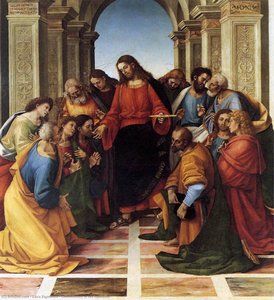
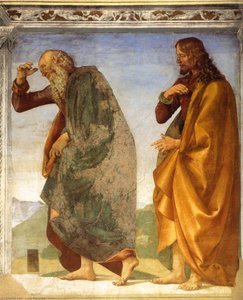
Biografija umetnika
Рани живот и формирање уметника
Лука Симонели, један од најзначајнијих представника Италијанске ренесансе, рођен је око 1450. године у Кортони, Тоскана. Иако тачан датум његовог рођења није познат, већина историчара га смешта између 1441. и 1445. године. Веома рано је показао изузетан дар за цртање и изванредну способност да дочара перспективу у својим радовима. Први утицаји на његов уметнички развој дошли су из Перуђе, где је био под снажним утицајем стилова Бенадета Бонфиглија и Пинтурикија. Према записима Ђорђа Вазарија, Симонели се школовао код Пијера дела Франческа преко свог стричевог брата Лазара Вазарија. Овај период школовања био је кључан за његов развој и усвајање техничких вештина које ће карактерисати његово дело.Уметничка каријера и главна дела
Симонелијева уметничка каријера се развијала кроз рад на различитим локацијама, укључујући Арецо (1472) и Читу ди Кастело (1474). Једно од његових раних значајнијих дела је слика "Школа Пана", која је била поклон Лоренцу де Медичију. Ово дело демонстрира Симонелијеву мајсторску способност да дочара реалистичан приказ људског тела, као и његову прецизну употребу светло-сенке (кијароскуро) и линеарне перспективе. Међутим, његово најзначајније дело, које га је увековечило у историји уметности, је монутална фреска "Страшни суд" у катедрали Орвието (1499-1503). Ова импресивна композиција представља апокалипсу и Страшни Суд са изузетном динамиком и драматичношћу. Друго важно дело је полиптих Светог Медарда (1507), који се налази у музеју Сан Медардо, Арчевија, Италија. Овај полиптих је пример његовог детаљног и реалистичког приказа људских фигура.Утицаји и развој стила
Симонелијев рад био је под утицајем ренесансног покрета, који је обележио прелаз између средњег века и раног модерног доба. Овај период карактерисала је обнова интересовања за класичне традиције, реализам и хуманизам. Поред Пијера дела Франческа, Симонели је био инспирисан радовима Фра Анђелика, познатог сликара који се одликовао изузетном вештином у приказу религиозних сцена. Током своје каријере, Симонели је развијао свој препознатљив стил, карактеристичан по прецизном цртању, реалистичном приказу анатомије и смелој употреби перспективе. Његова способност да дочара тродимензионални простор била је изузетан допринос ренесансној уметности.Наслеђе и историјски значај
Лука Симонели је оставио дубок траг на развоју ренесансне уметности. Његова употреба перспективе, посебно техника скраћења (форескортинга), имала је велики утицај на многе уметнике који су га следили. Као истакнута фигура Италијанске ренесансе, Симонелијево наслеђе се слави кроз његова дела која се чувају у музејима и катедралама широм Италије. Важни датуми:- 1450: Рођен у Кортони, Тоскана
- 1499-1503: Сликање "Страшног суда" у катедрали Орвието
- 1523: Умро, оставивши иза себе изузетан опус
Симболизам и техника
Симонелијева дела нису само технички импресивна, већ су и богата симболизмом. "Страшни Суд" у Орвиету је пример његове способности да кроз детаљан приказ религиозних сцена пренесе сложене теолошке концепте. У својим радовима користио је богато колоритне нијансе, динамичне композиције и изражајне фигуре како би створио емотивно наелектрисану атмосферу. Његова техника фреско сликања захтевала је изузетну прецизност и брзину рада, јер је морао да нанесе пигменте на влажан малтер пре него што се осуши. Оваква техничка захтевност додатно појачава вредност његових дела. Симонелијев утицај на развој ренесансне уметности је неизбрисив, а његова дела и данас инспиришу уметнике и историчаре уметности широм света.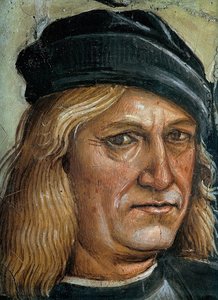
Лука Сињорели
1450 - 1523 , Италија
Osnovne informacije
- Artistic Movement Or Style: Ренесанса
- Artists Or Movements Influenced By This Artist: ['Фра Анђелико']
- Artists Who Influenced This Artist: ['Пијеро дела Франческа']
- Date Of Birth: Око 1450.
- Date Of Death: 16. октобар 1523.
- Full Name: Лука ди Егидио ди Вентура Сињорели
- Nationality: Италијан
- Notable Artworks (List Of Titles):
- Страшни суд
- Школа Пана
- Place Of Birth (City And Country): Кортона, Италија
Povezani članci
Luca Signorelli: Renaissance Innovation & Dramatic Foreshadowing of Modern Artistic Expression
Explore the revolutionary art of Luca Signorelli, a High Renaissance master renowned for his dramatic frescoes & anatomical precision. Discover his lasting impact on art history and techniques like foreshortening.

Porodična freska nasleđe: Očuvanje kulture i identiteta kroz zidno slikarstvo – Istorijski uvid za kolekcionare
Istražite bogatu istoriju zidnog slikarstva i njegov značaj za očuvanje kulture i porodičnog nasleđa. Ekskluzivni uvid za kolekcionare, restauratore i ljubitelje umetnosti. Saznajte više o tehnikama, vrednosti i budućnosti ove drevne veštine.

The Enduring Legacy of Fresco: Technique, History & Artistic Expression Across Cultures
Explore the rich history & enduring legacy of fresco painting! Discover ancient techniques, Giotto's masterpieces, and modern applications. Expert insights for art lovers & professionals.

The Enduring Legacy of Fresco Painting: Techniques, History & Contemporary Relevance
Explore the rich history & enduring artistry of fresco painting – from Giotto to Michelangelo! Discover techniques, conservation efforts, & modern applications. Learn how ArtsDot brings this timeless art form to your home.
The Enduring Legacy of Fresco: Technique, History & Artistic Expression
Explore the rich history & enduring artistry of fresco painting. Discover techniques from Giotto to Michelangelo, conservation efforts, & modern applications. Learn how ArtsDot brings this timeless art form to your home.