 Pregledaj u prostoru
 Pošalji
 Podeli
 Detalji o delu

 Преузми
 Slični predmeti
 Rendgenski snimak
 Slajdovi
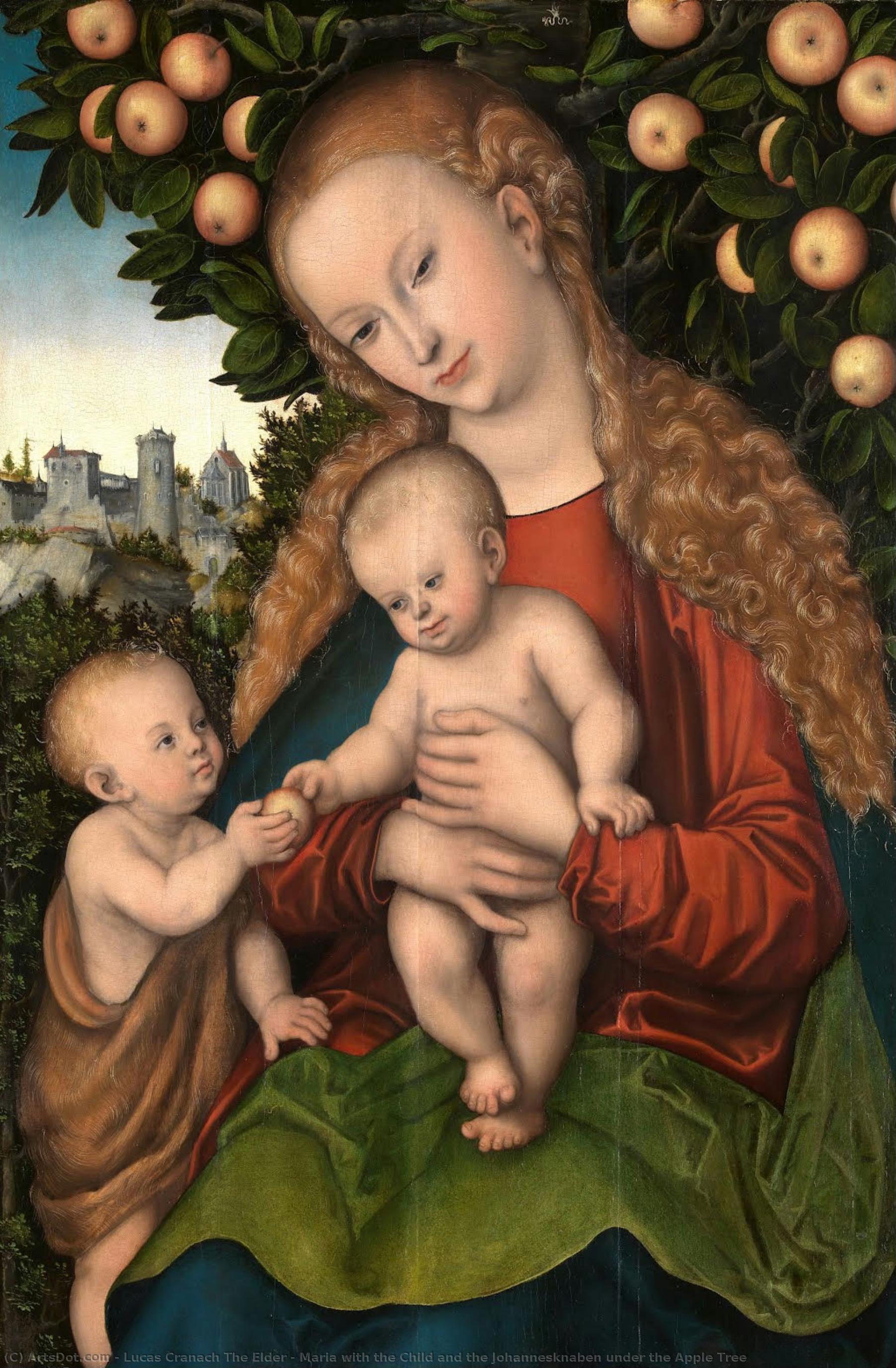
Maria with the Child and the Johannesknaben under the Apple Tree
 Oil On Canvas
- WallArt
- Renaissance Painting
 1535
1535 90.0 x 59.0 cm
 Staatliche Kunsthalle Karlsruhe
 Pročitaj više
Ručno rađena uljana reprodukcija
Ručno oslikano uljanim bojama na platnu u dimenzijama i okviru po vašem izboru, izrađeno po porudžbini od strane naših umetnika. ( Kupi print Kupi digitalnu sliku)




P118B $10

P118H $10

P118W $10

P438Z $10

P508JH $12

P508YH $12

P805H $10

P805Z $10

P919BZ $10

P919G $10

P919XJ $10

P959ZH $10

P968JZ $12

W106C $8

W218G $10

W218JH $8

W218Y $10

W307PJ $10

W316G $10

W316PJ $8

W316Y $10

W398PJ $8

W4111J $10

W500HY $15

W500JH $15

W692G $12

W849H $8

W940BG $15

W953PJ $8




Izaberite jednu od naših unapred definisanih veličina koje odgovaraju originalnim proporcijama umetničkog dela.

Можете унети сопствене димензије како бисте прилагодили дело одређеном оквиру или простору. Ако одабрана величина не одговара пропорцијама оригинала, слика ће бити исечена или проширена додатним елементима који се ручно насликавају. Дигитални prikaz ће вам бити послат на одобрење пре почетка производње.
Имајте на уму да преглед на екрану не одражава стварно исецање или проширење. Само приказ (mockup) ће тачно приказати коначну композицију.
Иако су доступне прилагођене величине, препоручујемо да одаберете димензију из дефинисане листе како бисте сачували оригиналне пропорције.
Nakon narudžbine, tim ArtsDot.com će klijentu putem e-pošte poslati uputstva i dostaviti prikaz predloženog rešenja
Isporuka širom sveta () za 3/4 nedelje umesto uobičajenih 5 nedelja. (28 август). Bez kompromisa po pitanju kvaliteta.

Besplatna ekspresna dostava širom sveta

Visokokvalitetno laneno platno

Kompletno osiguranje transporta

Garancija povraćaja carine i uvoznih dažbina

Garancija vernosti boja

Politika povrata u roku od 60 dana (samo u slučaju nedostataka)

Garancija povrata novca od 100%

Popust pri grupnoj kupovini
 Opcija sa staklom dostupna je samo za dimenzije manje od 110 cm

Maria with the Child and the Johannesknaben under the Apple Tree
Tehnika reprodukcije
Dimenzije reprodukcije
-


Konačna cena
$ 263
The Apple Tree’s Embrace: Lucas Cranach the Elder's "Maria with the Child and the Johannesknaben"
Lucas Cranach the Elder’s “Maria with the Child and the Johannesknaben under the Apple Tree,” painted in 1535, is more than just a portrait; it’s a carefully constructed tableau of faith, family, and the burgeoning spirit of the Reformation. Housed today within the Kunsthalle Karlsruhe, this captivating work offers a glimpse into a pivotal moment in German art history – a time when religious imagery was increasingly infused with personal emotion and humanist ideals. Cranach masterfully blends elements of Northern European realism with the softer, more idealized forms characteristic of his Renaissance training, creating an image that is both grounded and profoundly moving.
The scene unfolds within a meticulously rendered apple orchard, bathed in the diffused light of late afternoon. At its heart stands Mary, depicted not as a distant, ethereal figure but as a woman of substance – her gaze direct and engaging, holding her infant son Jesus close. The two babies nestled in her arms are strikingly similar, suggesting a familial connection that transcends mere likeness; they represent the future of Christendom, mirroring the divine lineage of Christ. The presence of the Johannesknaben—young boys dressed as John the Baptist—adds another layer of symbolism. These figures, often depicted with animal skins and simple garments, were associated with Luther’s early sermons and represented the call to repentance and a return to biblical simplicity – themes central to the Reformation.
A Renaissance Master at Work: Technique and Style
Cranach's skill as a painter is immediately apparent in the remarkably detailed depiction of the orchard. He employs a technique known as *sfumato*, subtly blurring outlines and creating an atmospheric haze that softens the forms and imbues the scene with a sense of tranquility. The use of color is equally deliberate; muted greens, browns, and golds dominate the palette, reflecting the natural world while simultaneously conveying a feeling of solemnity and reverence. The artist’s attention to texture – from the rough bark of the apple trees to the soft folds of Mary's garments – adds considerable depth and realism to the composition.
Notably, Cranach departs slightly from the rigid conventions of earlier religious paintings. While he adheres to traditional iconography—the apple tree itself is a potent symbol of temptation and knowledge, referencing the biblical story of Adam and Eve—he imbues the scene with a palpable sense of warmth and intimacy. The figures are not presented as distant saints but as a family sharing a quiet moment in nature. This shift reflects the humanist values that were gaining prominence during the Renaissance, emphasizing the importance of human experience and emotion.
Historical Context: Reformation and Artistic Propaganda
“Maria with the Child and the Johannesknaben” was created during a period of intense religious upheaval in Germany – the era of Martin Luther and the Protestant Reformation. Cranach, a staunch supporter of the Reformation, used his art as a powerful tool for disseminating its message. He frequently depicted reformers alongside biblical figures, blurring the lines between sacred and secular imagery and appealing to a wider audience. The inclusion of the Johannesknaben, with their association with Luther’s sermons, is particularly significant in this context.
The painting's creation coincided with a shift away from the elaborate, highly stylized religious art of the late Middle Ages towards a more naturalistic and emotionally resonant style. Cranach’s work exemplifies this trend, reflecting the changing attitudes toward religion and the growing emphasis on individual experience. The apple tree itself becomes a symbol of both divine grace and earthly temptation – a potent reminder of humanity's relationship with God.
A Timeless Image: Symbolism and Emotional Resonance
Beyond its historical significance, “Maria with the Child and the Johannesknaben” possesses a profound emotional resonance. The image evokes a sense of peace, serenity, and familial love. Mary’s direct gaze invites viewers to connect with her experience as a mother and a devout believer. The simple beauty of the orchard and the innocence of the children create a timeless tableau that speaks to universal themes of faith, family, and the enduring power of nature.
Reproductions of this masterpiece offer an exceptional opportunity to bring its evocative atmosphere into any setting. The painting’s rich colors, intricate details, and profound symbolism make it a captivating addition to both private collections and public spaces – a testament to Lucas Cranach the Elder's enduring legacy as one of the most important artists of the Renaissance.
Srodna umetnička dela
Biografija umetnika
Renesansni majstor Saksonije: Život i umetnost Lukasa Kranaha Starijeg
Lukas Kranah Stariji, rođen u Kronahu u Nemačkoj oko 1472. godine, predstavlja ključnu figuru nemačkog renesansnog doba. Njegov život se odvijao kroz period ogromnih religioznih i političkih previranja, a njegova umetnost postala je neraskidivo povezana i sa usponom protestantske reformacije i sa raskošnim dvorevima kojima je služio. Početno obučen od strane svog oca, Hansa Malera, Kranahov rani umetnički razvoj ostaje donekle obavijen misterijom, mada su uticaji južnonemačkih majstora očigledni u njegovom evoluirajućem stilu. Brzo se istaknuo ne samo kao vešt zanatlija, već kao umetnik sposoban da uhvati psihološku dubinu uporedo sa tehničkom preciznošću – vrlinama koje će ubrzo privući pažnju moćnih pokrovitelja. Godine 1504. stupio je u službu Fridriha III, elektora Saksonije, što je bio odnos koji će definisati veći deo njegove karijere i obezbediti mu stabilnost, ali i pristup uticajnim krugovima. Ovo imenovanje za dvorskog slikara u Vimbergu nije se odnosilo samo na stvaranje dekorativnih dela; ono je Kranaha postavilo u samo srce jednog od najtransformativnijih pokreta u evropskoj istoriji.Pokroviteljstvo, reformacija i umetnička inovacija
Kranahov položaj na saksonskom dvoru ispostavio se presudnim ne samo za njegov život, već i za njegov umetnički razvoj. On nije samo dokumentovao događaje; on je aktivno oblikovao vizuelne narative u vreme dubokih promena. Njegovo najtrajnije nasleđe je verovatno bliska povezanost sa Martinom লুterom, centralnom figurom protestantske reformacije. Kranah je stvorio čak jedanaest portreta লুtera, od kojih svaki nudi jedinstven uvid u ličnost reformatora i njegovu evoluirajuću ulogu. To nisu bili puki portreti; to su bile pažljivo konstruisane slike dizajnirane da projektuju autoritet, pobožnost i intelektualnu snagu – esencijalne osobine za vođu koji izaziva utvrđeni religiozni poredak. Pored portretistike, Kranah je preveo teologiju reformacije u vizuelni oblik, proizvodeći drvoreze i slike koje su široko širile protestantske ideje. Njegovi prikazi biblijskih scena udaljavali su se od tradicionalne katoličke ikonografije, naglašavajući direktnu interakciju sa Svetim pismom i podstičući intimniji odnos između vernika i vere. Obraćanje Joakimju, na primer, zrači radosnim duhom, odražavajući novi naglasak na individualnoj pobožnosti unutar reformisane crkve. Ovaj inovativni pristup protezao se izvan religioznih tema; Kranahove mitološke slike, poput prikaza Venere i drugih klasičnih figura, često su nosile alegorijske poruke relevantne za tadašnja politička i društvena pitanja.Dinastija radionice: Stil i tehnika
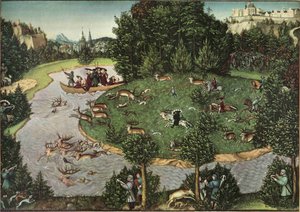
Lukas Kranah Stariji nije bio usamljeni umetnik koji radi u izolaciji. Vodio je izuzetno produktivnu radionicu, zapošljavajući brojne asistente i šegrte koji su značajno doprineli njegovom stvaralaštvu. Ovaj kolaborativni pristup značio je da su mnoga dela pripisana Kranahu zapravo nastala pod njegovim vođstvom ili od strane članova njegovog kruga – uključujući i njegovog sina, Lukasa Kranaha Mlađeg. Kranahova radionica postala je poznata po svom prepoznatljivom stilu: elegantnim figurama sa izduženim proporcijama, živopisnim bojama i pedantnom pažnjom posvećenom detaljima. Njegova tehnika uključivala je kombinaciju slikanja uljanim bojama, drvoreza i gravure, što mu je omogućilo da dopre do široke publike kako kroz originalna umetnička dela, tako i kroz pristupačnije printove. Lov na jelena elektora Fridriha III Mudrog predstavlja primer njegovog majstorstva u stilu severne renesanse, prikazujući detaljan realizam uporedo sa plemenitim simbolizmom. Kompozicija je dinamična, hvata energiju lova dok istovremeno prenosi moć i status elektora. Kranahova upotreba svetlosti i senke stvara osećaj dubine i atmosfere, uvlačeći posmatrača u samu scenu. Njegovi portreti su podjednako upečatljivi, karakterisani psihološkim uvidom i prefinjenom izvedbom.Nasleđe i trajni uticaj
Lukas Kranah Stariji umro je 1553. godine, ostavivši iza sebe izvanredno umetničko nasleđe koje i danas odjekuje. Bio je majstor portretistike, vešt tumač religioznih tema i lukav poslovni čovek koji je razumeo moć vizuelne komunikacije. Njegov rad ne samo da odražava kulturne i intelektualne struje svog vremena, već je pomogao i u njihovom oblikovanju. Kranahova radionica nastavila je da cveta i nakon njegove smrti, osiguravajući da se njegov stil i tehnike prenose generacijama. Njegov uticaj se može videti u delima brojnih umetnika koji su došli posle njega, a njegove slike ostaju izuzetno tražene od strane kolekcionara i muzeja širom sveta. Od kultnih portreta Martina লুtera do očaravajućih mitoloških scena, Kranahova umetnost nudi fascinantan prozor u svet nemačke renesanse – svet obeležen dubokim duhovnim ispitivanjem i umetničkom inovacijom. Njegova sposobnost da spoji religiozni žar, političku mudrost i umetnički talenat učvrstila je njegovo mesto kao jednog od najvažnijih umetnika svoje ere, a njegov doprinos nastavlja da inspiriše i očarava publiku i vekovima kasnije.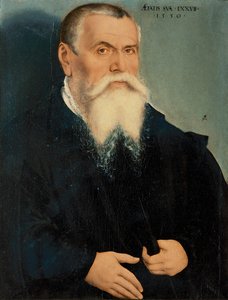
Лукас Кранхен Старшиј
1472 - 1553 , Германија
Osnovne informacije
- Artistic Movement Or Style: Norddeutsche Renaissance
- Artists Or Movements Influenced By This Artist: ['Martin Luther']
- Artists Who Influenced This Artist: ['Hans Maler']
- Date Of Birth: Kronach, Deutschland 1472
- Date Of Death: Weimar, Deutschland 1553
- Full Name: Lucas Cranach der Ältere
- Nationality: Deutsch
- Notable Artworks:
- Jagdszene Friedrichs III.
- Selbstbildnis
- Ankündigung Joachims
- Place Of Birth: Kronach, Bayern
Povezani članci
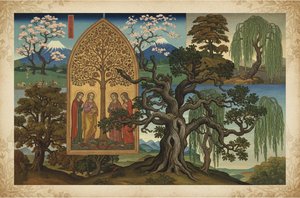
Arboreal Echoes: A Historical & Artistic Exploration of Trees in Painting
Explore the rich history of trees in painting! Discover symbolism, Romantic masterpieces by Caspar David Friedrich & beyond. A curated journey for art enthusiasts.
Arboreal Echoes: A Historical & Artistic Exploration of Trees in Painting
Explore the rich history of trees in painting! Discover symbolism, Romantic masterpieces by Caspar David Friedrich & beyond. A curated journey for art enthusiasts.
Rafaela Sanzio: 25 Remek-dela Renesansnog Majstora za Vaš Dom | ArtsDot
Uronite u svet Rafaela Sanzija! Otkrijte 25 remek-dela renesansnog umetnika, od Madona do fresaka Vatikana. Inspiracija za dekoraciju enterijera i kupovina reprodukcija slika visoke rezolucije na ArtsDot.com.
Lucas van Leyden: Innovation & Intimacy in Early Netherlandish Printmaking
Explore the groundbreaking prints of Lucas van Leyden, a Dutch master bridging Gothic detail & Renaissance innovation. Discover his rare works, investment potential, and legacy for discerning collectors.

Paul Cézanne: 25 Remek-dela Revolucionarnog Umjetnika | ArtsDot
Istražite 25 remek-dela Paula Cézanna, revolucionarnog slikara impresionizma i postimpresionizma. Otkrijte priče iza ikoničnih pejzaža, portreta i mrtve prirode. Kupite luksuzne reprodukcije slika na ArtsDot.com!