

 Pošalji
 Podeli
 Detalji o delu

 Преузми
 Slični predmeti
 Slajdovi
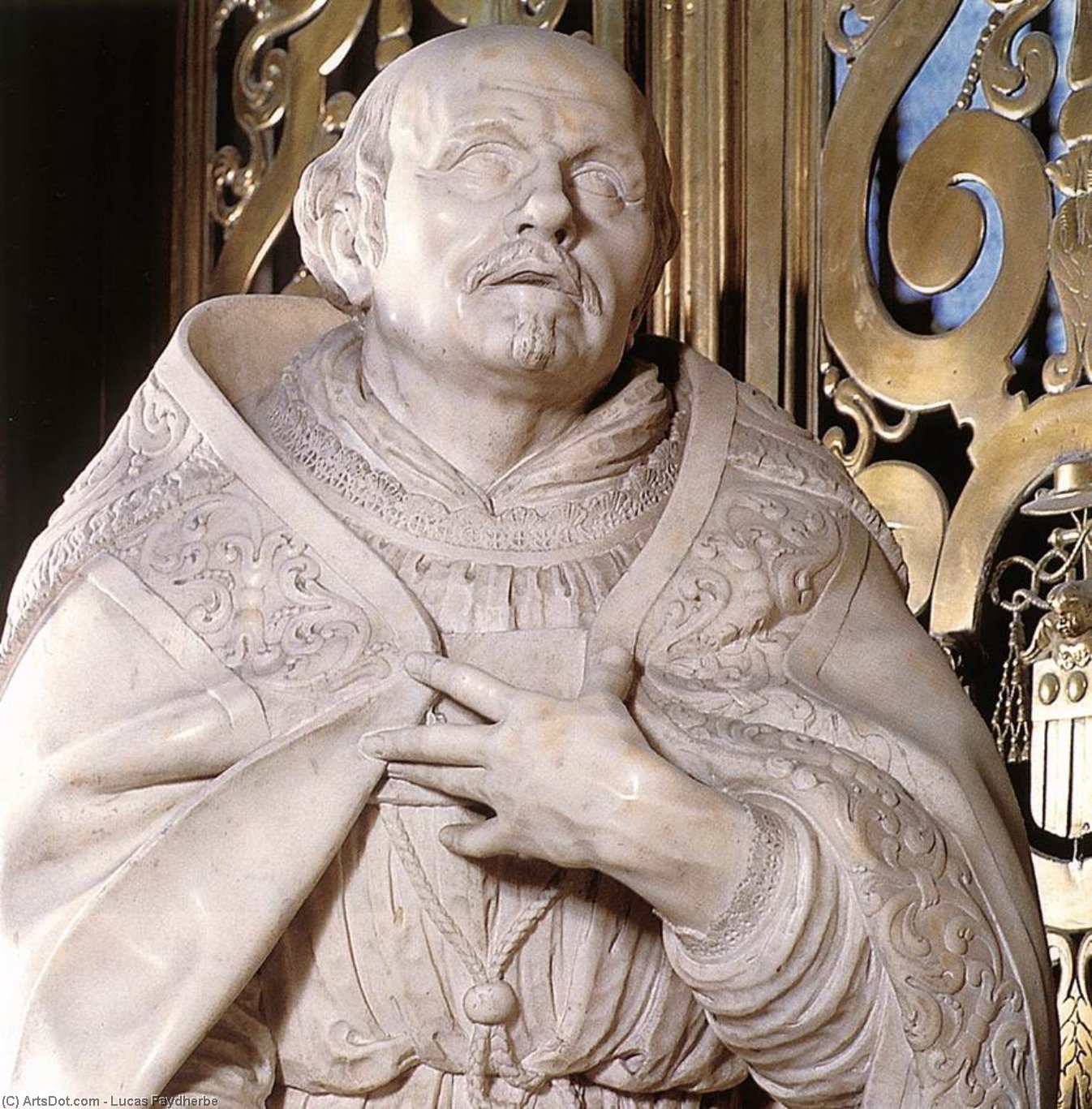
Tomb of Archbishop André Cruesen (detail) (9)


 Pročitaj više
Giclee štampa / Umetnički otisak
Giclée štampa ili print na platnu muzejskog kvaliteta uz brzu proizvodnju i fleksibilne opcije završne obrade. ( Kupi ručno naslikanu sliku Kupi digitalnu sliku)




































Izaberite jednu od naših unapred definisanih veličina koje odgovaraju originalnim proporcijama umetničkog dela.

Možete uneti sopstvene dimenzije kako biste umetničko delo prilagodili specifičnom okviru ili prostoru. Ako odabrani format ne odgovara proporcijama originalne slike, mi ćemo ili iscrtati deo dela ili proširiti sliku pomoću ogledane ivice ili jednobojnog popunjavanja. Digitalni prikaz će vam biti poslat na odobrenje pre početka proizvodnje.
Imajte na umu da pregled na ekranu ne odražava stvarno iscrtavanje ili proširivanje. Samo će prikaz (mockup) precizno pokazati finalnu kompoziciju.
Iako su prilagođene dimenzije dostupne, preporučujemo da odaberete dimenziju sa unapred definisane liste kako biste očuvali originalne proporcije.
Dostava širom sveta () za 2 nedelje umesto uobičajenih 4/5 nedelja. (2 септембар)

Besplatna ekspresna dostava širom sveta

Visokokvalitetno laneno platno

Kompletno osiguranje transporta

Garancija povraćaja carine i uvoznih dažbina

Garancija vernosti boja

Politika povrata u roku od 60 dana (samo u slučaju nedostataka)

Garancija povrata novca od 100%

Popust pri grupnoj kupovini
 Opcija sa staklom dostupna je samo za dimenzije manje od 110 cm

Tomb of Archbishop André Cruesen (detail) (9)
Giclee štampa / Umetnički otisak
Dimenzije reprodukcije
-


Konačna cena
$ 62
The Weight of Faith: Lucas Faydherbe’s “Tomb of Archbishop André Cruesen”
Lucas Faydherbe's "Tomb of Archbishop André Cruesen (detail) (9)" is more than a marble sculpture; it’s a poignant meditation on mortality, faith, and the enduring legacy of a prominent figure in 17th-century Flanders. Completed around 1660, this intimate detail captures a moment of profound solemnity within the Archbishop's funerary monument – a testament to Faydherbe’s mastery of classical form and his ability to imbue stone with palpable emotion. The work resides within Saint Rombout Cathedral in Mechelen, Belgium, serving as a focal point for contemplation amidst the cathedral’s rich interior.
Faydherbe, born in Maliin (Belgium) in 1617 and passing away in 1697, was a key figure in the flourishing Baroque artistic scene of Southern Netherlands. His lineage—a blend of artistic talent inherited from his father, Hendrik Faydherbe, a skilled workshop owner specializing in decorative sculpture, and his mother, Cornelia Franchoys, whose brothers were renowned painters—provided him with an unparalleled foundation for his own career. This familial connection to the arts instilled within him a deep understanding of technique and a commitment to capturing the human form with remarkable realism. His work frequently explored religious themes, reflecting the Counter-Reformation’s emphasis on faith and devotion.
A Study in Marble: Technique and Detail
The sculpture's power lies not just in its subject matter but also in Faydherbe’s meticulous execution. Crafted from pristine white marble, the piece showcases a remarkable level of detail achieved through painstaking carving. The drapery, cascading around the Archbishop’s figure, is rendered with astonishing fluidity – each fold and ripple conveying a sense of movement and texture that seems almost tactile. Notice the subtle gradations in tone within the stone; Faydherbe expertly manipulated light and shadow to create an illusion of depth and volume, bringing the sculpted form vividly to life.
The composition is tightly cropped, focusing primarily on the head and upper torso. This deliberate framing intensifies the viewer’s engagement with the subject's expression – a subtle hint of sorrow or contemplation etched onto his face. The hands, clasped together in a gesture of supplication or grief, are particularly arresting, conveying a profound sense of humility and reverence. The overall effect is one of quiet dignity and spiritual intensity.
Symbolism and Context
Archbishop André Cruesen was a significant figure in the Catholic Church during his lifetime, known for his piety and dedication to his faith. The sculpture, therefore, serves as both a memorial to his life and a visual representation of Christian virtues. The pose itself—a gesture of prayerful reflection—aligns with traditional iconography associated with mourning and remembrance. The setting within Saint Rombout Cathedral further reinforces the work’s religious significance; it's a space dedicated to worship and contemplation, creating an atmosphere of solemnity and reverence.
Furthermore, the choice of marble as the medium is deliberate. Marble has long been associated with purity, nobility, and immortality – qualities that were highly valued within Christian iconography. The cool, luminous quality of the stone also contributes to the sculpture’s ethereal and timeless appearance, suggesting a connection between the earthly realm and the divine.
A Legacy in Stone
"Tomb of Archbishop André Cruesen (detail) (9)" is a remarkable achievement of Baroque sculpture. Lucas Faydherbe's skill in capturing human emotion through stone, combined with the work’s rich historical context and symbolic significance, ensures its enduring appeal. It stands as a powerful reminder of faith, mortality, and the lasting impact of individuals who dedicate their lives to service – a testament to the artist’s vision and the timeless beauty of classical art.
Srodna umetnička dela


Povezani članci
The Enduring Allure of Marble in Art History: From Classical Sculpture to Modern Abstraction
Explore the captivating history of marble sculpture from ancient Greece to modern art. Discover renowned artists like Canova & Michelangelo, carving techniques, and investment insights at ArtsDot.

Bronze Sculptures That Defined Art History | ArtsDot
Journey through art history with our Top 10 bronze sculptures! Explore masterpieces by Rodin, Michelangelo & more. Discover stories behind iconic statues and find museum-quality reproductions for your home decor at ArtsDot.com.

The Enduring Form: Exploring Themes & Techniques in Sculpture Across Historical Periods
Explore the rich history of sculpture from ancient masterpieces to contemporary innovations. Discover key techniques, influential artists & investment potential for discerning art collectors.

The Enduring Form: Sculpture Across History, Technique & Emotional Resonance
Explore the rich history of sculpture with ArtsDot. Discover key techniques, influential artists & investment potential for discerning collectors. Expert insights into valuing and collecting timeless masterpieces.

Bronze Age to Modern Masters: 10 Sculptures That Redefined Art | ArtsDot
Journey through art history with 10 legendary bronze sculptures – from Michelangelo's David to Rodin’s Thinker. Explore the stories, techniques & timeless beauty of these masterpieces. Find museum-quality reproductions & elevate your home decor on ArtsDot.com.

