

 Pregledaj u prostoru
 Pošalji
 Podeli
 Detalji o delu

 Преузми
 Slični predmeti
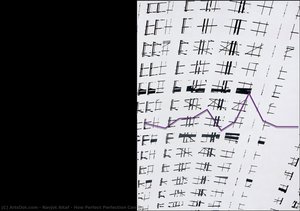
 Rendgenski snimak
 Slajdovi
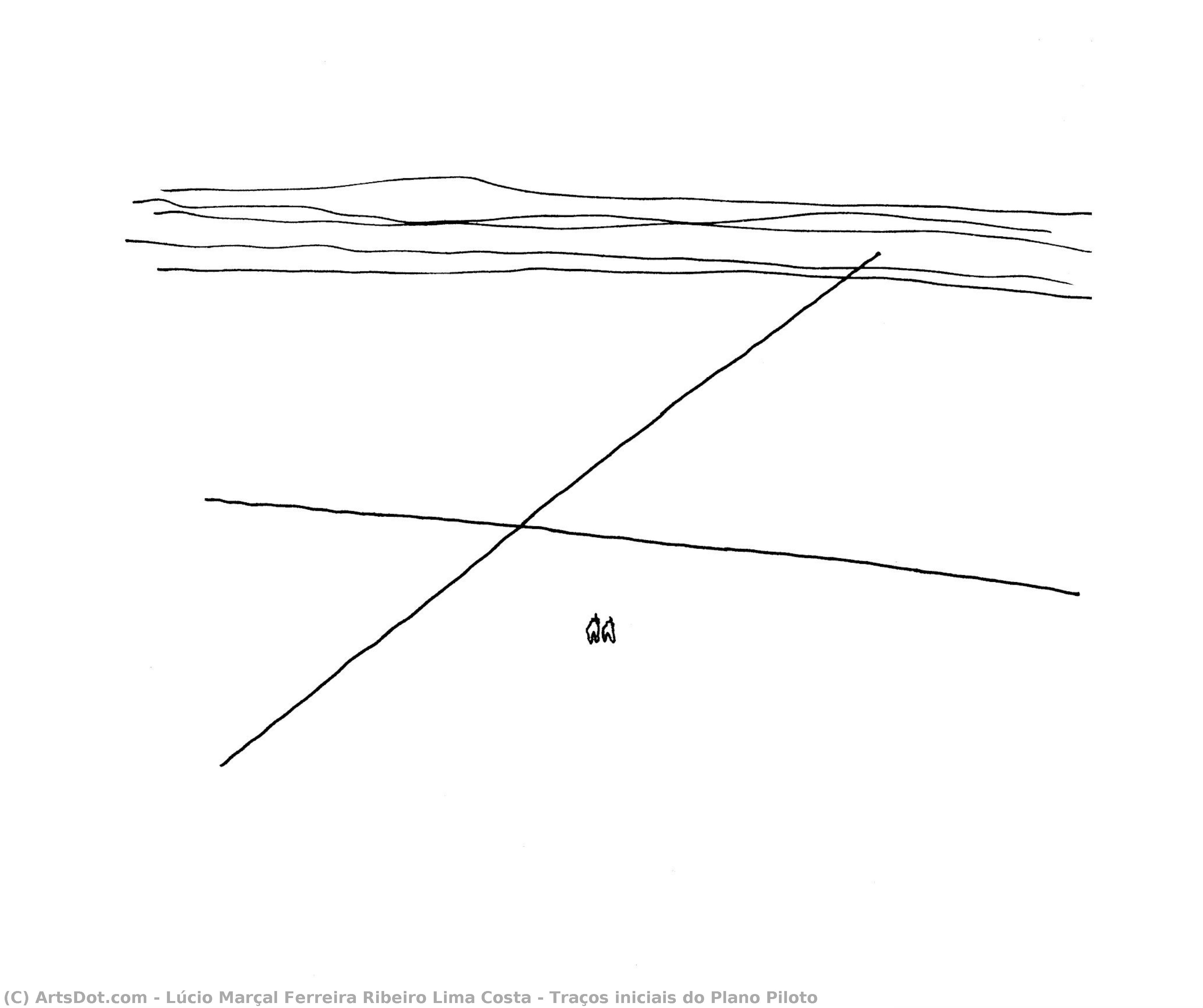
Traços iniciais do Plano Piloto

 Pročitaj više
Giclee štampa / Umetnički otisak
Giclée štampa ili print na platnu muzejskog kvaliteta uz brzu proizvodnju i fleksibilne opcije završne obrade. ( Kupi ručno naslikanu sliku Kupi digitalnu sliku)




































Izaberite jednu od naših unapred definisanih veličina koje odgovaraju originalnim proporcijama umetničkog dela.

Možete uneti sopstvene dimenzije kako biste umetničko delo prilagodili specifičnom okviru ili prostoru. Ako odabrani format ne odgovara proporcijama originalne slike, mi ćemo ili iscrtati deo dela ili proširiti sliku pomoću ogledane ivice ili jednobojnog popunjavanja. Digitalni prikaz će vam biti poslat na odobrenje pre početka proizvodnje.
Imajte na umu da pregled na ekranu ne odražava stvarno iscrtavanje ili proširivanje. Samo će prikaz (mockup) precizno pokazati finalnu kompoziciju.
Iako su prilagođene dimenzije dostupne, preporučujemo da odaberete dimenziju sa unapred definisane liste kako biste očuvali originalne proporcije.
Dostava širom sveta () za 2 nedelje umesto uobičajenih 4/5 nedelja. (7 септембар)

Besplatna ekspresna dostava širom sveta

Visokokvalitetno laneno platno

Kompletno osiguranje transporta

Garancija povraćaja carine i uvoznih dažbina

Garancija vernosti boja

Politika povraćaja u roku od 100 dana (isključivo u slučaju nedostataka)

Garancija povrata novca od 100%

Popust pri grupnoj kupovini
 Opcija sa staklom dostupna je samo za dimenzije manje od 110 cm

Traços iniciais do Plano Piloto
Giclee štampa / Umetnički otisak
Dimenzije reprodukcije
-


Konačna cena
$ 62
Srodna umetnička dela

Biografija umetnika
Lúcio Costa: Architect of Brasília and the Brazilian Modernist Soul
Lúcio Marçal Ferreira Ribeiro Lima Costa (February 27, 1902 – June 13, 1998) stands as a monumental figure in Brazilian architecture and urban planning. Born in Toulon, France, to a Brazilian diplomat family, his life was a fascinating synthesis of European education and deep-rooted Brazilian identity. Costa’s legacy isn't simply defined by the iconic design of Brasília, but rather by his profound contribution to shaping a distinctly modern Brazilian aesthetic – one that embraced both international influences and the rich tapestry of national heritage.
Costa’s early artistic training laid the foundation for his architectural vision. He studied at the Escola Nacional de Belas Artes in Rio de Janeiro, absorbing the principles of European Modernism while simultaneously developing a sensitivity to Brazilian forms and materials. His initial work reflected this duality, showcasing eclectic designs that blended colonial influences with emerging modern trends. However, it was his time working alongside Le Corbusier and Oscar Niemeyer – two titans of 20th-century architecture – that truly propelled him toward his signature style.
The Shaping of Brasília
Costa’s most celebrated achievement is undoubtedly the Pilot Plan for Brasília, a project he spearheaded as chief architect and urban planner. Selected as the winner of a prestigious competition in 1957, Costa meticulously crafted a plan that balanced functionality with an acute awareness of the Brazilian landscape and culture. Unlike many modernist schemes that imposed rigid grids, Brasília’s design incorporated curves and organic forms, mirroring the undulating topography of the Cerrado region. The city's layout—a central axis flanked by residential sectors—was intended to foster social interaction and a sense of community.
The construction of Brasília itself was a remarkable feat of engineering and organization, reflecting Brazil’s ambition under President Juscelino Kubitschek. Costa collaborated closely with Niemeyer on many key buildings within the city, including the National Congress, Palácio da Alvorada (Presidential Palace), and several government ministries. These structures, characterized by their bold curves, innovative use of concrete, and integration with the surrounding landscape, became instantly recognizable symbols of Brazil’s modern identity.
Influences and Artistic Style
Costa's architectural style was a complex blend of influences. He deeply admired Le Corbusier’s emphasis on functionality, rational design, and the use of concrete, but he resisted adopting the Swiss architect’s stark, geometric approach. Instead, Costa sought to infuse his designs with a distinctly Brazilian sensibility – incorporating elements of indigenous art, colonial architecture, and the vibrant colors of the country's cultural heritage.
His work also drew inspiration from Oscar Niemeyer, with whom he shared a close professional relationship. Niemeyer’s sculptural forms and innovative use of space profoundly influenced Costa’s designs, particularly in Brasília. However, Costa maintained his own distinct voice, prioritizing the creation of harmonious spaces that responded to the specific context of each project.
Beyond Brasília: A Legacy of Design
While Brasília remains his most famous work, Lúcio Costa's influence extended far beyond the capital city. He designed numerous public buildings throughout Brazil, including the Ministry of Education and Health in Rio de Janeiro, the Hotel do Park São Clemente, and several residential complexes. His designs were characterized by their elegance, functionality, and integration with the surrounding environment.
Costa’s contributions to Brazilian architecture are profound. He not only shaped the physical landscape of the country but also helped to define a national architectural identity – one that embraced modernity while celebrating Brazil's unique cultural heritage. His work continues to inspire architects and urban planners today, solidifying his place as one of the most important figures in 20th-century Brazilian design.
Costa’s Early Years & Academic Foundations
Born in Toulon, France, in 1902, Lúcio Costa's early life was marked by a peripatetic existence due to his father’s diplomatic career. This exposure to diverse cultures and architectural styles undoubtedly shaped his artistic sensibilities. He began his formal training at the Royal Grammar School in Newcastle upon Tyne and later attended the Collège National in Montreux, Switzerland, before returning to Rio de Janeiro to study architecture at the Escola Nacional de Belas Artes (later Escola de Belas Artes/FAU – Faculty of Architecture and Urbanism at the University of Rio de Janeiro).
His initial professional experience involved working as a draftsman for technical offices, primarily designing eclectic and colonial-style houses for the wealthy Carioca elite. This early work provided him with valuable practical skills while simultaneously exposing him to the diverse architectural traditions of Brazil. Crucially, it also marked a departure from purely academic training, grounding his designs in real-world construction practices.
His appointment as director of the Escola Nacional de Belas Artes in 1930 proved pivotal. This role allowed him to implement significant reforms within the school, introducing modern architectural principles and fostering a new generation of Brazilian architects. His tenure was marked by both innovation and controversy, ultimately leading to his resignation amidst political tensions.
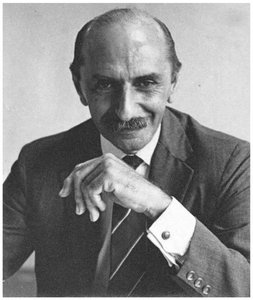
lúcio marçal ferreira ribeiro lima costa
1902 - 1998 , France
Osnovne informacije
- Artistic Movement Or Style: Modernism, Brazilian Modernism
- Artists Or Movements Influenced By This Artist: ['Brazilian Modernism']
- Artists Who Influenced This Artist:
- Le Corbusier
- Oscar Niemeyer
- Date Of Birth: February 27, 1902
- Date Of Death: June 13, 1998
- Full Name: Lúcio Marçal Ferreira Ribeiro Lima Costa
- Nationality: Brazilian
- Notable Artworks:
- Brasília Pilot Plan
- Parque Guinle
- Hotel do Park São Clemente
- Place Of Birth: Toulon, France