

 Pošalji
 Podeli
 Detalji o delu

 Преузми
 Slični predmeti
 Slajdovi
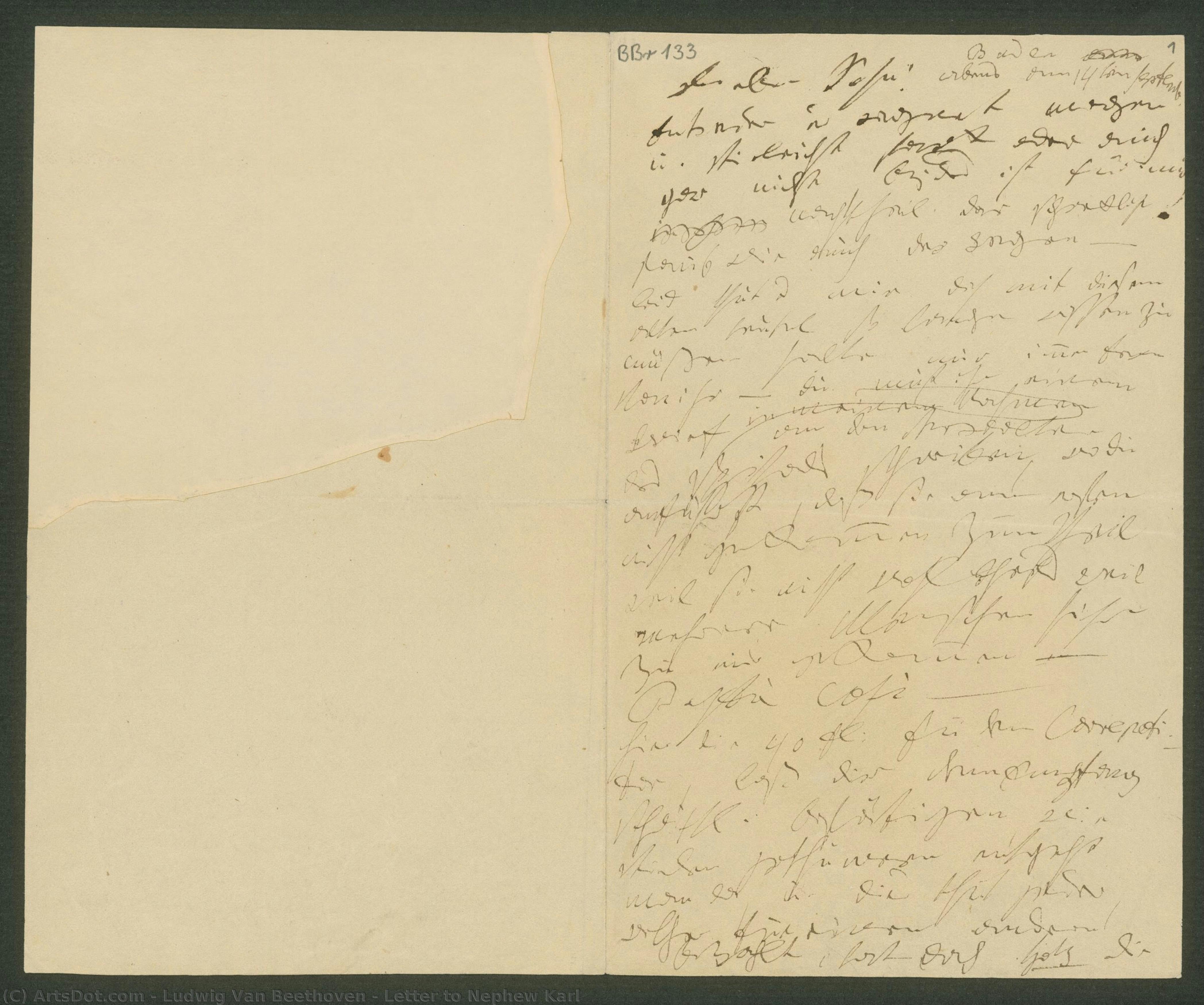
Letter to Nephew Karl
 Giclée Print
- Digital
- Romanticism
 1825
1825- 19th Century
 21.0 x 13.0 cm
 Beethoven-Haus Bonn
 Pročitaj više
Ručno rađena uljana reprodukcija
Ručno oslikano uljanim bojama na platnu u dimenzijama i okviru po vašem izboru, izrađeno po porudžbini od strane naših umetnika. ( Kupi print Kupi digitalnu sliku)




































Izaberite jednu od naših unapred definisanih veličina koje odgovaraju originalnim proporcijama umetničkog dela.

Можете унети сопствене димензије како бисте прилагодили дело одређеном оквиру или простору. Ако одабрана величина не одговара пропорцијама оригинала, слика ће бити исечена или проширена додатним елементима који се ручно насликавају. Дигитални prikaz ће вам бити послат на одобрење пре почетка производње.
Имајте на уму да преглед на екрану не одражава стварно исецање или проширење. Само приказ (mockup) ће тачно приказати коначну композицију.
Иако су доступне прилагођене величине, препоручујемо да одаберете димензију из дефинисане листе како бисте сачували оригиналне пропорције.
Nakon narudžbine, tim ArtsDot.com će klijentu putem e-pošte poslati uputstva i dostaviti prikaz predloženog rešenja
Isporuka širom sveta () za 3/4 nedelje umesto uobičajenih 5 nedelja. (21 август). Bez kompromisa po pitanju kvaliteta.

Besplatna ekspresna dostava širom sveta

Visokokvalitetno laneno platno

Kompletno osiguranje transporta

Garancija povraćaja carine i uvoznih dažbina

Garancija vernosti boja

Politika povrata u roku od 60 dana (samo u slučaju nedostataka)

Garancija povrata novca od 100%

Popust pri grupnoj kupovini
 Opcija sa staklom dostupna je samo za dimenzije manje od 110 cm

Letter to Nephew Karl
Tehnika reprodukcije
Dimenzije reprodukcije
-


Konačna cena
$ 263
Opis umetničkog dela
A Whisper from Bonn: Beethoven's Intimate Letter to Karl
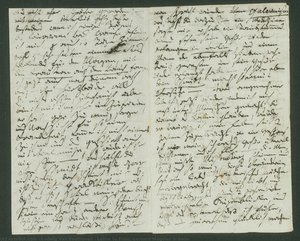
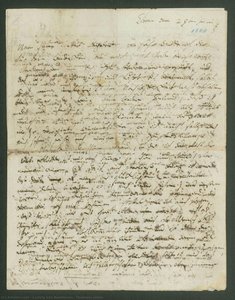
This exquisite hand-painted reproduction captures a poignant moment in the life of Ludwig van Beethoven – a direct correspondence with his nephew, Karl, penned in 1825. More than just a letter, it’s a tangible link to a musical genius grappling with both artistic ambition and personal vulnerability. The photograph itself, a meticulously rendered black-and-white image, reveals the delicate script of the handwritten document, a testament to Beethoven's enduring skill as a writer and his deep affection for his family. The aged paper, subtly textured in the reproduction, evokes the weight of history and the passage of time – a silent witness to the creative ferment that defined Beethoven’s later years.
The Voice of a Deaf Composer
Created during a period marked by increasing deafness, this letter offers a rare glimpse into the mind of a composer confronting profound challenges. The German script speaks directly to the era's intellectual and cultural landscape, reflecting the formal communication prevalent in Vienna at that time. Beethoven’s handwriting, characterized by its deliberate elegance, reveals not just his proficiency but also a certain intensity – a reflection of the passionate drive that fueled his musical innovations. The letter itself is a testament to his unwavering dedication, despite the diminishing capacity of his hearing, a characteristic that ultimately shaped his revolutionary approach to composition.
Technique and Historical Context
Our skilled artisans have painstakingly recreated this artwork using traditional hand-painting techniques, meticulously layering pigments onto canvas to achieve the depth and nuance of the original photograph. The result is a reproduction that faithfully captures the texture of the paper, the flow of the script, and the subtle tonal variations inherent in the black-and-white image. The letter’s creation aligns with the late Romantic period, a time when Beethoven was pushing the boundaries of musical form and expression, influenced by the burgeoning ideals of German nationalism and the rise of the salon culture in Vienna. The size of 21 x 13 cm makes it ideal for display on a desk, within a study, or as a cherished addition to any collection of classical art.
Symbolism and Emotional Resonance
Beyond its biographical significance, the letter embodies themes of familial love, artistic struggle, and the enduring power of human connection. The act of writing itself – a deliberate, considered gesture – speaks volumes about Beethoven’s commitment to his nephew and his desire to share his thoughts and experiences. The reproduction invites contemplation on the nature of genius, the challenges faced by creative individuals, and the profound impact that personal relationships can have on artistic output. It's an evocative piece, capable of stirring a deep emotional response in viewers.
Srodna umetnička dela

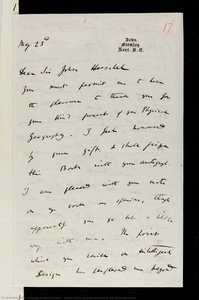
Biografija umetnika
Rano detinjstvo i muzički počeci
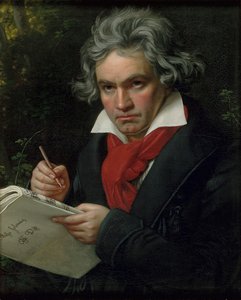
Ludvig van Betoven, čuveni nemački kompozitor i pijanista, rođen je u Bonu, u Nemačkoj, 1770. godine. Projavljujući svoj muzički talenat još u najranijem detinjstvu, počeo je da studira muziku kod različitih učitelja pre nego što se preselio u Beč, gde će provesti najveći deo svog života.- Sonatu za klavir i violončelo (A-dur) op. 69, prvi pokret (dostupno na ArtsDot.com)
- Betovenov manuskript dela Missa Solemnis (može se videti na Wikipedia)
- Tri klavirske sonate iz opusa 1, koje je zastupao knez Karl Alois Lihnovski
Ludvig Van Betoven
1770 - 1827 , Nemačka
Osnovne informacije
- Artistic Movement Or Style: Klasicizam i romantizam
- Artists Or Movements Influenced By This Artist:
- Johannes Brahms
- Robert Schumann
- Artists Who Influenced This Artist:
- Franz Joseph Haydn
- Christian Gottlob Schulze
- Date Of Birth: 1770 Bon, Nemačka
- Date Of Death: 1827 Beč, Austrija
- Full Name: Ludwig van Beethoven
- Nationality: Nemačka
- Notable Artworks:
- Moonlight Sonata
- Simfonija br. 9
- Place Of Birth: Bon, Nemačka
Povezani članci

Echoes of Time: Exploring the Enduring Appeal & Historical Context of Vintage Art Prints
Explore the captivating world of vintage art prints! Discover their history, collecting tips & enduring appeal. Expert insights on chromolithography and building a legacy collection with ArtsDot.

Giclée Prints: Archival Quality & Aesthetic Nuances for the Discerning Collector
Explore the world of giclée prints with ArtsDot. Learn about archival quality, aesthetic nuances & investment potential. Expert guidance for discerning art collectors seeking museum-quality reproductions and lasting value.

Dark Masterpieces: 10 Iconic Paintings Dominated by Black Tones |
Explore 10 iconic paintings dominated by black tones, from Rembrandt’s chiaroscuro to Goya's dark expressions. Discover the stories behind these masterpieces & find museum-quality art reproductions for your home at .

The Enduring Legacy of Fine Art Prints: Technique, History & Aesthetic Impact
Explore the rich history & techniques of fine art prints. Discover investment potential, assess authenticity, and learn how to preserve your collection with expert guidance. Trusted insights for discerning collectors.
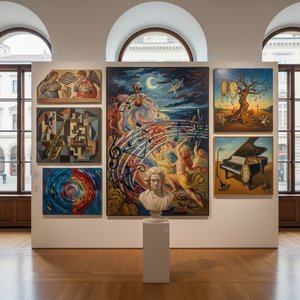
Harmonies on Canvas: Exploring the Visual Representation of Music in Art History
Explore the fascinating history of music's visual representation in art! From ancient symbolism to modern abstraction, discover how artists have captured sound and emotion on canvas. Expert insights & stunning examples.

