

 Pregledaj u prostoru
 Pošalji
 Podeli
 Detalji o delu

 Преузми
 Slični predmeti
 Rendgenski snimak
 Slajdovi
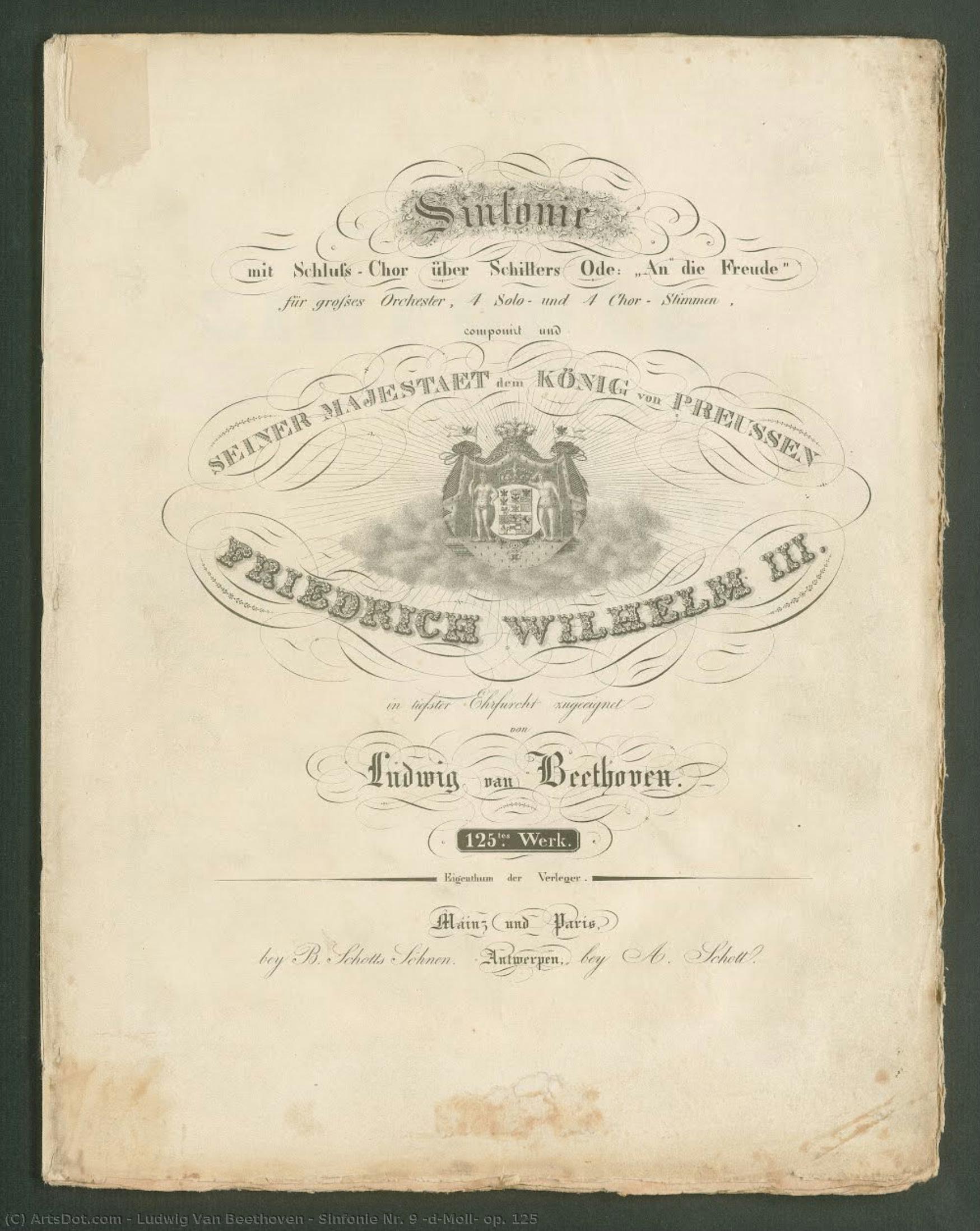
Sinfonie Nr. 9 (d-Moll) op. 125


 Pročitaj više
Ručno rađena uljana reprodukcija
Ručno oslikano uljanim bojama na platnu u dimenzijama i okviru po vašem izboru, izrađeno po porudžbini od strane naših umetnika. ( Kupi print Kupi digitalnu sliku)




P118B $10

P118H $10

P118W $10

P438Z $10

P508JH $12

P508YH $12

P805H $10

P805Z $10

P919BZ $10

P919G $10

P919XJ $10

P959ZH $10

P968JZ $12

W106C $8

W218G $10

W218JH $8

W218Y $10

W307PJ $10

W316G $10

W316PJ $8

W316Y $10

W398PJ $8

W4111J $10

W500HY $15

W500JH $15

W692G $12

W849H $8

W940BG $15

W953PJ $8




Izaberite jednu od naših unapred definisanih veličina koje odgovaraju originalnim proporcijama umetničkog dela.

Можете унети сопствене димензије како бисте прилагодили дело одређеном оквиру или простору. Ако одабрана величина не одговара пропорцијама оригинала, слика ће бити исечена или проширена додатним елементима који се ручно насликавају. Дигитални prikaz ће вам бити послат на одобрење пре почетка производње.
Имајте на уму да преглед на екрану не одражава стварно исецање или проширење. Само приказ (mockup) ће тачно приказати коначну композицију.
Иако су доступне прилагођене величине, препоручујемо да одаберете димензију из дефинисане листе како бисте сачували оригиналне пропорције.
Nakon narudžbine, tim ArtsDot.com će klijentu putem e-pošte poslati uputstva i dostaviti prikaz predloženog rešenja
Isporuka širom sveta () za 3/4 nedelje umesto uobičajenih 5 nedelja. (21 август). Bez kompromisa po pitanju kvaliteta.

Besplatna ekspresna dostava širom sveta

Visokokvalitetno laneno platno

Kompletno osiguranje transporta

Garancija povraćaja carine i uvoznih dažbina

Garancija vernosti boja

Politika povrata u roku od 60 dana (samo u slučaju nedostataka)

Garancija povrata novca od 100%

Popust pri grupnoj kupovini
 Opcija sa staklom dostupna je samo za dimenzije manje od 110 cm

Sinfonie Nr. 9 (d-Moll) op. 125
Tehnika reprodukcije
Dimenzije reprodukcije
-


Konačna cena
$ 263
Opis umetničkog dela
Symphony No. 9 (d-Moll) op. 125: A Titan of Sound and Spirit
Ludwig van Beethoven’s Symphony No. 9 in D minor, Op. 125, stands as a monumental achievement—a cornerstone of the Romantic era and a testament to the enduring power of human aspiration. More than just a collection of musical movements, it's an immersive experience, a journey through darkness and light, struggle and triumph. Commissioned initially for the Philharmonic Society of London in 1817, its premiere in Vienna in 1824 remains etched in history not only for its groundbreaking orchestration but also for the profound emotional resonance it evoked within the audience – a moment that profoundly impacted Beethoven himself.
The symphony’s genesis is inextricably linked to Beethoven's increasing deafness. By the early 1820s, he was virtually unable to hear, yet this challenge fueled an extraordinary creative surge. The Ninth Symphony wasn’t merely a response to his affliction; it was a defiant assertion of artistic will, a declaration that music could transcend the limitations of the physical world and speak directly to the soul. The work draws heavily on earlier sketches, including the “Choral Fantasy” (Op. 80) and fragments from the “Missa Solemnis,” demonstrating Beethoven’s meticulous process of refinement and expansion.
A Revolutionary Structure: The Ode to Joy
Beethoven boldly departed from traditional symphonic form with the Ninth, introducing a choral finale that was utterly unprecedented. The fourth movement, famously known as “Ode to Joy,” is not simply an addition; it’s the heart of the symphony, a soaring anthem inspired by Friedrich Schiller's poem "An die Freude" ("To Joy"). The text, adapted by Beethoven himself, celebrates universal brotherhood and the potential for human unity. The movement’s harmonic language—shifting between D minor and D major—mirrors the emotional arc of the piece: from profound melancholy to radiant optimism.
The orchestration is equally revolutionary. Beethoven employs a massive orchestra – nearly twice the size of a typical symphony orchestra at the time – utilizing expanded string sections, prominent brass, and innovative woodwind combinations. He masterfully utilizes dynamics—from hushed whispers to thunderous climaxes—to create an incredibly rich and dramatic soundscape. The use of voices in the final movement was also groundbreaking, marking a significant shift towards incorporating vocal elements into instrumental music.
Symbolism and Emotional Depth
Beyond its structural innovations, the Ninth Symphony is laden with symbolism. The D minor key, often associated with struggle and introspection, dominates much of the work, reflecting Beethoven’s personal challenges and the broader anxieties of his time. However, the triumphant shift to D major in the final movement represents a profound victory—a celebration of hope, compassion, and the enduring spirit of humanity.
The “Ode to Joy” itself is more than just a celebratory melody; it’s an embodiment of Beethoven's belief in the inherent goodness of mankind. It speaks to the potential for empathy, understanding, and cooperation—themes that resonated deeply with the composer and continue to hold relevance today. The inclusion of four vocal soloists – soprano, mezzo-soprano, tenor, and bass – further amplifies this message, creating a powerful choral tapestry.
Reproductions: Bringing Beethoven’s Vision to Life
ArtsDot offers meticulously crafted hand-painted reproductions of Ludwig van Beethoven's Symphony No. 9, Op. 125, capturing the essence of this iconic masterpiece. Our artists utilize traditional techniques and archival-quality materials to faithfully recreate the symphony’s rich textures, dramatic dynamics, and profound emotional depth. Each reproduction is a labor of love, ensuring that you experience the full power and beauty of Beethoven's vision. Whether adorning your home or office, a ArtsDot reproduction of the Ninth Symphony will serve as a constant reminder of the enduring legacy of one of music’s greatest geniuses.
- Authentic Detail: Hand-painted by skilled artists using period techniques.
- High-Quality Materials: Archival canvas and pigments for lasting vibrancy.
- Dimensional Art: Available in a range of sizes to suit your space.
- A Timeless Masterpiece: A stunning addition to any art collection.
Srodna umetnička dela
Biografija umetnika
Rano detinjstvo i muzički počeci
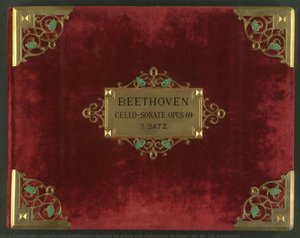
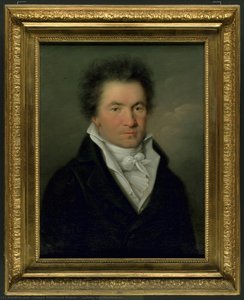
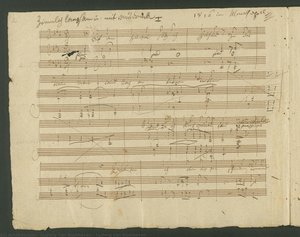
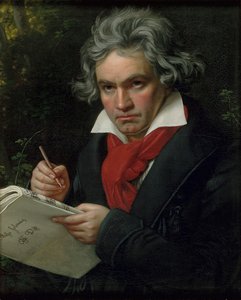
Ludvig van Betoven, čuveni nemački kompozitor i pijanista, rođen je u Bonu, u Nemačkoj, 1770. godine. Projavljujući svoj muzički talenat još u najranijem detinjstvu, počeo je da studira muziku kod različitih učitelja pre nego što se preselio u Beč, gde će provesti najveći deo svog života.- Sonatu za klavir i violončelo (A-dur) op. 69, prvi pokret (dostupno na ArtsDot.com)
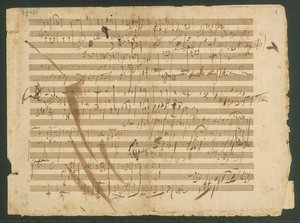
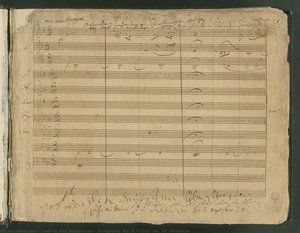
- Betovenov manuskript dela Missa Solemnis (može se videti na Wikipedia)
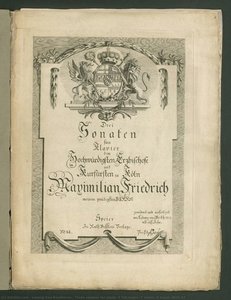
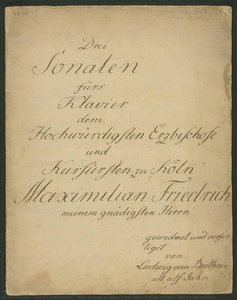
- Tri klavirske sonate iz opusa 1, koje je zastupao knez Karl Alois Lihnovski
Ludvig Van Betoven
1770 - 1827 , Nemačka
Osnovne informacije
- Artistic Movement Or Style: Klasicizam i romantizam
- Artists Or Movements Influenced By This Artist:
- Johannes Brahms
- Robert Schumann
- Artists Who Influenced This Artist:
- Franz Joseph Haydn
- Christian Gottlob Schulze
- Date Of Birth: 1770 Bon, Nemačka
- Date Of Death: 1827 Beč, Austrija
- Full Name: Ludwig van Beethoven
- Nationality: Nemačka
- Notable Artworks:
- Moonlight Sonata
- Simfonija br. 9
- Place Of Birth: Bon, Nemačka
Povezani članci
Harmonies on Canvas: Exploring the Visual Representation of Music in Art History
Explore the fascinating history of music's visual representation in art! From ancient symbolism to modern abstraction, discover how artists have captured sound and emotion on canvas. Expert insights & stunning examples.
Neo-Classicism's Greatest Hits: 10 Masterpieces for Your Home |
Journey through Neo-Classicism's finest! Explore 10 iconic masterpieces by David, Ingres & Canova. Discover art history, techniques & timeless beauty – perfect for inspiring your home decor. Find museum-quality reproductions at
The Enduring Legacy of Classicism: Principles, Evolution & Influence in Western Art
Explore the enduring legacy of Classicism in Western art! Discover its historical context, key principles, iconic masterpieces & lasting influence. Learn about Renaissance and Neoclassical movements with ArtsDot.
Timeless Resonance: Exploring Classic Vibe in Art – A Historical & Aesthetic Analysis
Explore the rich history & enduring aesthetic of Classicism art! Discover key movements, iconic artists like Raphael & David, and its lasting influence on Western art. Deepen your appreciation today.
Timeless Elegance: The Ultimate Buyer's Guide to Choosing Classical Portraits for Sophisticated Interiors
Discover how to select the perfect classical portrait for your home. Our expert guide explores matching art styles to interiors, choosing between hand-painted oils and Giclée prints, and transforming personal photos into timeless masterpieces with professional artistry.

