

 Pregledaj u prostoru
 Pošalji
 Podeli
 Detalji o delu

 Преузми
 Slični predmeti
 Rendgenski snimak
 Slajdovi
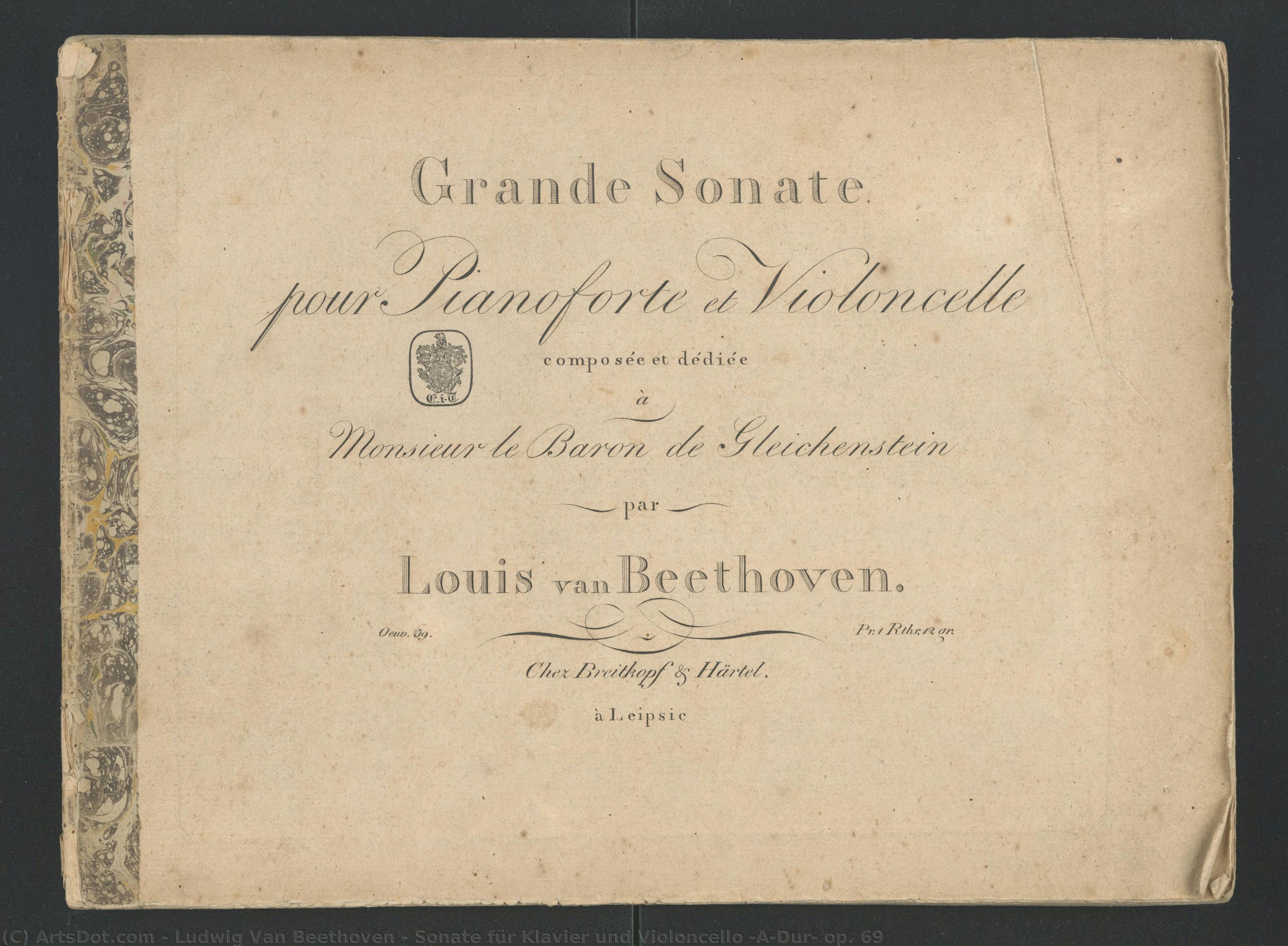
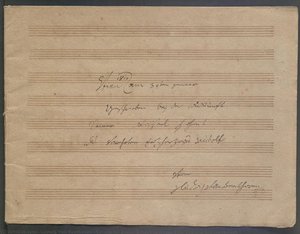
Sonate für Klavier und Violoncello (A-Dur) op. 69


 Pročitaj više
Giclee štampa / Umetnički otisak
Giclée štampa ili print na platnu muzejskog kvaliteta uz brzu proizvodnju i fleksibilne opcije završne obrade. ( Kupi ručno naslikanu sliku Kupi digitalnu sliku)




P118B $10

P118H $10

P118W $10

P438Z $10

P508JH $12

P508YH $12

P805H $10

P805Z $10

P919BZ $10

P919G $10

P919XJ $10

P959ZH $10

P968JZ $12

W106C $8

W218G $10

W218JH $8

W218Y $10

W307PJ $10

W316G $10

W316PJ $8

W316Y $10

W398PJ $8

W4111J $10

W500HY $15

W500JH $15

W692G $12

W849H $8

W940BG $15

W953PJ $8




Izaberite jednu od naših unapred definisanih veličina koje odgovaraju originalnim proporcijama umetničkog dela.

Možete uneti sopstvene dimenzije kako biste umetničko delo prilagodili specifičnom okviru ili prostoru. Ako odabrani format ne odgovara proporcijama originalne slike, mi ćemo ili iscrtati deo dela ili proširiti sliku pomoću ogledane ivice ili jednobojnog popunjavanja. Digitalni prikaz će vam biti poslat na odobrenje pre početka proizvodnje.
Imajte na umu da pregled na ekranu ne odražava stvarno iscrtavanje ili proširivanje. Samo će prikaz (mockup) precizno pokazati finalnu kompoziciju.
Iako su prilagođene dimenzije dostupne, preporučujemo da odaberete dimenziju sa unapred definisane liste kako biste očuvali originalne proporcije.
Dostava širom sveta () za 2 nedelje umesto uobičajenih 4/5 nedelja. (25 август)

Besplatna ekspresna dostava širom sveta

Visokokvalitetno laneno platno

Kompletno osiguranje transporta

Garancija povraćaja carine i uvoznih dažbina

Garancija vernosti boja

Politika povrata u roku od 60 dana (samo u slučaju nedostataka)

Garancija povrata novca od 100%

Popust pri grupnoj kupovini
 Opcija sa staklom dostupna je samo za dimenzije manje od 110 cm

Sonate für Klavier und Violoncello (A-Dur) op. 69
Giclee štampa / Umetnički otisak
Dimenzije reprodukcije
-


Konačna cena
$ 62
Opis predmeta
A Symphony in Paint: Exploring Beethoven's Sonate für Klavier und Violoncello
To gaze upon this depiction of Sonate für Klavier und Violoncello (A-Dur) op. 69 is to step directly into the vibrant, intellectual atmosphere of early nineteenth-century Vienna. This work transcends mere portraiture; it captures a moment suspended in time—a confluence of artistic genius and profound musical dialogue. The scene itself, rendered with an almost luminous quality, places us before two figures deeply engrossed in their craft. One musician, perhaps embodying the spirit of the violin, is captured mid-performance, while another attends to the piano keys. They are framed against a backdrop that suggests a grand window overlooking a bustling city—a visual metaphor for the expansive world of human creativity unfolding just beyond the salon's walls.
The Resonance of Form and Function
Beethoven’s genius was never confined to the concert hall; it permeated his very being, influencing every facet of his life and art. This piece, dating from 1809, is steeped in the Romantic fervor that followed the Enlightenment's rigid structures. The composition itself—a sonata for piano and cello—speaks volumes about the interplay between different artistic voices. Technically, the painting mirrors this musical conversation. Notice how the light seems to emanate not just from the window, but from the interaction between the musicians themselves. The artist has masterfully employed tonal contrasts, allowing the rich, dark tones of the wood instruments and clothing to play against the brighter highlights catching the skin and polished ivory keys. It is a study in complementary forces.
Historical Echoes and Enduring Symbolism
The year 1809 places this work at a pivotal juncture for both Beethoven and European history. As an artist navigating periods of immense upheaval, his music—and by extension, its visual representation—became imbued with themes of struggle, triumph, and enduring human spirit. The presence of the city view subtly suggests that art is not merely an indoor pastime; it is a vital commentary on the world outside. Symbolically, the collaboration between the two instrumentalists represents harmony achieved through disciplined partnership. It speaks to the idea that the greatest achievements in life, much like the most profound musical movements, require multiple talents working in perfect concert.
Bringing the Salon Home: An Aesthetic Touchstone
For the collector or designer seeking an object of deep cultural resonance, this reproduction offers more than just decoration; it offers a conversation piece. Imagine this scene gracing your drawing-room wall. It invites contemplation, suggesting that even in the quietest moments, there is potential for grand performance and intellectual exchange. The blend of historical gravitas with accessible beauty makes it a perfect anchor for an eclectic or classically inspired interior. Owning a reproduction allows one to connect tangibly with the monumental spirit of Beethoven’s era, bringing the electrifying energy of classical music into your personal sanctuary.
Srodna umetnička dela
Biografija umetnika
Rano detinjstvo i muzički počeci
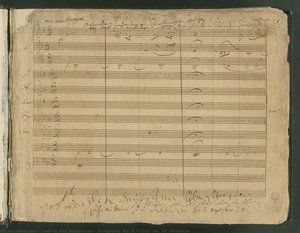
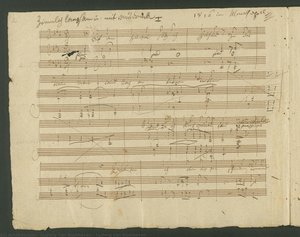
Ludvig van Betoven, čuveni nemački kompozitor i pijanista, rođen je u Bonu, u Nemačkoj, 1770. godine. Projavljujući svoj muzički talenat još u najranijem detinjstvu, počeo je da studira muziku kod različitih učitelja pre nego što se preselio u Beč, gde će provesti najveći deo svog života.- Sonatu za klavir i violončelo (A-dur) op. 69, prvi pokret (dostupno na ArtsDot.com)
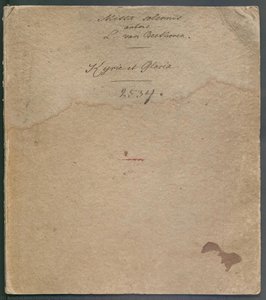
- Betovenov manuskript dela Missa Solemnis (može se videti na Wikipedia)
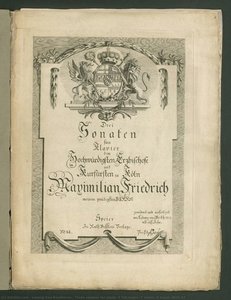
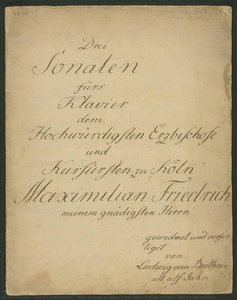
- Tri klavirske sonate iz opusa 1, koje je zastupao knez Karl Alois Lihnovski
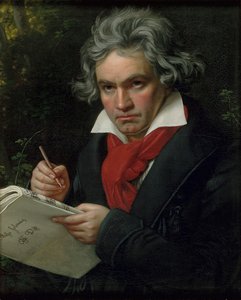
Ludvig Van Betoven
1770 - 1827 , Nemačka
Osnovne informacije
- Artistic Movement Or Style: Klasicizam i romantizam
- Artists Or Movements Influenced By This Artist:
- Johannes Brahms
- Robert Schumann
- Artists Who Influenced This Artist:
- Franz Joseph Haydn
- Christian Gottlob Schulze
- Date Of Birth: 1770 Bon, Nemačka
- Date Of Death: 1827 Beč, Austrija
- Full Name: Ludwig van Beethoven
- Nationality: Nemačka
- Notable Artworks:
- Moonlight Sonata
- Simfonija br. 9
- Place Of Birth: Bon, Nemačka
Povezani članci

Giclée Prints: Archival Quality & Aesthetic Nuances for the Discerning Collector
Explore the world of giclée prints with ArtsDot. Learn about archival quality, aesthetic nuances & investment potential. Expert guidance for discerning art collectors seeking museum-quality reproductions and lasting value.
Neo-Classicism's Greatest Hits: 10 Masterpieces for Your Home |
Journey through Neo-Classicism's finest! Explore 10 iconic masterpieces by David, Ingres & Canova. Discover art history, techniques & timeless beauty – perfect for inspiring your home decor. Find museum-quality reproductions at

Echoes of Time: Exploring the Enduring Appeal & Historical Context of Vintage Art Prints
Explore the captivating world of vintage art prints! Discover their history, collecting tips & enduring appeal. Expert insights on chromolithography and building a legacy collection with ArtsDot.
Harmonies on Canvas: Exploring the Visual Representation of Music in Art History
Explore the fascinating history of music's visual representation in art! From ancient symbolism to modern abstraction, discover how artists have captured sound and emotion on canvas. Expert insights & stunning examples.

The Enduring Legacy of Fine Art Prints: Technique, History & Aesthetic Impact
Explore the rich history & techniques of fine art prints. Discover investment potential, assess authenticity, and learn how to preserve your collection with expert guidance. Trusted insights for discerning collectors.

