

 Pregledaj u prostoru
 Pošalji
 Podeli
 Detalji o delu

 Преузми
 Slični predmeti
 Rendgenski snimak
 Slajdovi
Symphony No. 6 (F major) op. 68 (Pastoral), parts


 Pročitaj više
Giclee štampa / Umetnički otisak
Giclée štampa ili print na platnu muzejskog kvaliteta uz brzu proizvodnju i fleksibilne opcije završne obrade. ( Kupi ručno naslikanu sliku Kupi digitalnu sliku)




P118B $10

P118H $10

P118W $10

P438Z $10

P508JH $12

P508YH $12

P805H $10

P805Z $10

P919BZ $10

P919G $10

P919XJ $10

P959ZH $10

P968JZ $12

W106C $8

W218G $10

W218JH $8

W218Y $10

W307PJ $10

W316G $10

W316PJ $8

W316Y $10

W398PJ $8

W4111J $10

W500HY $15

W500JH $15

W692G $12

W849H $8

W940BG $15

W953PJ $8




Izaberite jednu od naših unapred definisanih veličina koje odgovaraju originalnim proporcijama umetničkog dela.

Možete uneti sopstvene dimenzije kako biste umetničko delo prilagodili specifičnom okviru ili prostoru. Ako odabrani format ne odgovara proporcijama originalne slike, mi ćemo ili iscrtati deo dela ili proširiti sliku pomoću ogledane ivice ili jednobojnog popunjavanja. Digitalni prikaz će vam biti poslat na odobrenje pre početka proizvodnje.
Imajte na umu da pregled na ekranu ne odražava stvarno iscrtavanje ili proširivanje. Samo će prikaz (mockup) precizno pokazati finalnu kompoziciju.
Iako su prilagođene dimenzije dostupne, preporučujemo da odaberete dimenziju sa unapred definisane liste kako biste očuvali originalne proporcije.
Dostava širom sveta () za 2 nedelje umesto uobičajenih 4/5 nedelja. (30 август)

Besplatna ekspresna dostava širom sveta

Visokokvalitetno laneno platno

Kompletno osiguranje transporta

Garancija povraćaja carine i uvoznih dažbina

Garancija vernosti boja

Politika povrata u roku od 60 dana (samo u slučaju nedostataka)

Garancija povrata novca od 100%

Popust pri grupnoj kupovini
 Opcija sa staklom dostupna je samo za dimenzije manje od 110 cm

Symphony No. 6 (F major) op. 68 (Pastoral), parts
Giclee štampa / Umetnički otisak
Dimenzije reprodukcije
-


Konačna cena
$ 62
A Window into the Soul of Nature
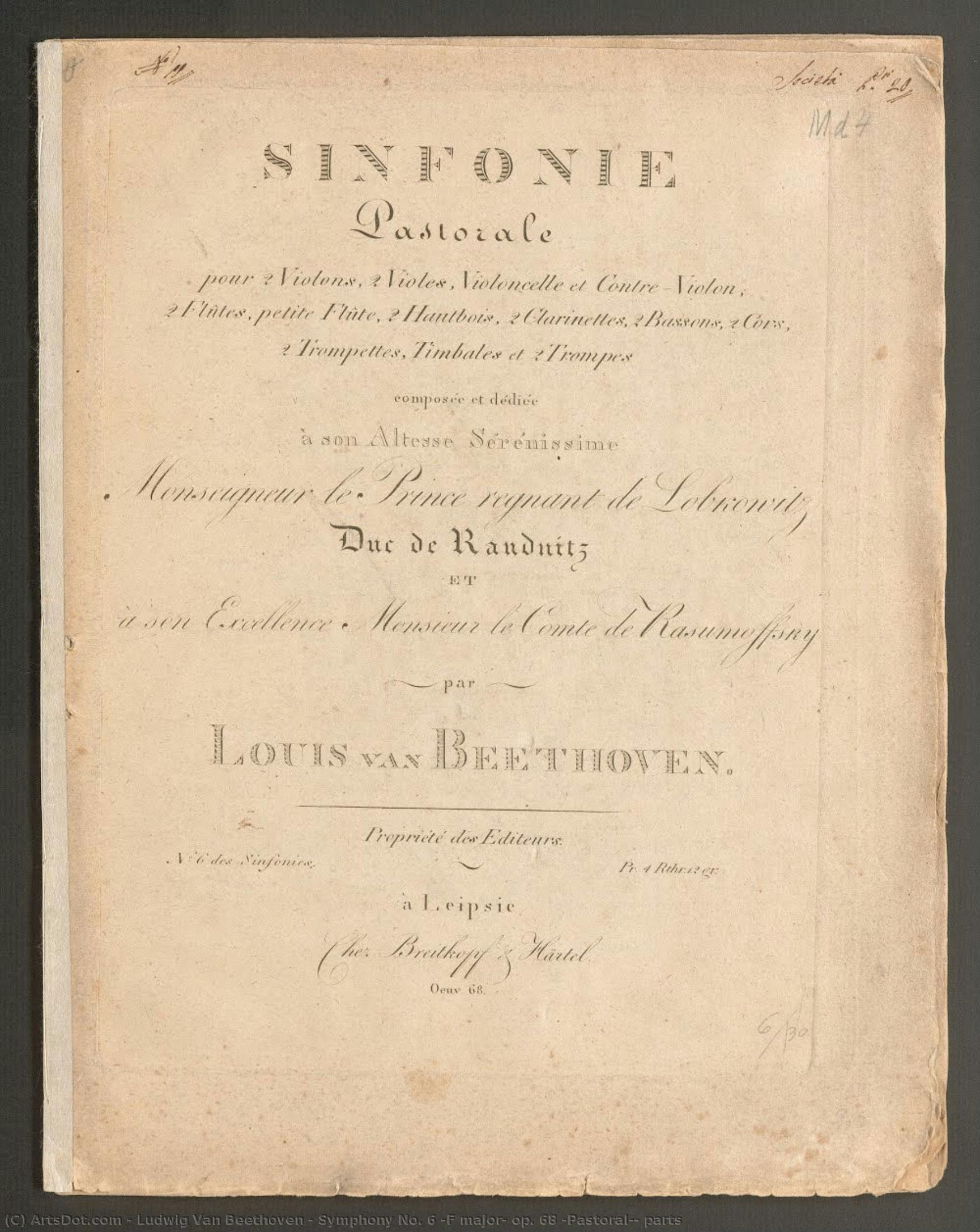
Behold a captivating reproduction of Ludwig van Beethoven’s Symphony No. 6 in F major, affectionately known as the “Pastoral” Symphony – an evocative journey rendered on aged parchment that transcends mere musical notation and becomes a portal to the composer's profound connection with the natural world. This isn’t simply a sheet music page; it’s a tangible artifact whispering tales of rolling hills, babbling brooks, and the quiet majesty of rural life, all meticulously captured within the constraints of 19th-century print design. The deliberate choice of a vintage aesthetic—the subtle yellowing of the paper, the delicate creases hinting at years spent in careful study—immediately establishes an atmosphere of reverence and historical significance, inviting us to step back into a time when music was intimately linked with observation and emotion.
The design itself is a testament to the elegance of classical European printmaking. The typography, a refined serif font, commands attention while maintaining a sense of formality befitting Beethoven’s stature. Handwritten annotations, scattered throughout the score, add a layer of intimacy, suggesting the composer's own meticulous revisions and personal reflections. These details aren’t mere flourishes; they are integral to understanding the work’s genesis – a deliberate attempt by Beethoven to translate his experiences in nature into musical form, moving beyond the rigid structures of earlier classical music.
The Genesis of Pastoralism
Beethoven's Sixth Symphony emerged during a pivotal period in his life—a time marked by increasing deafness and a growing desire for respite from the pressures of Viennese society. Seeking solace and inspiration, he retreated to the countryside, immersing himself in the sights and sounds of nature. This experience profoundly shaped the symphony, which became a deliberate attempt to evoke these sensory impressions through music. The work’s programmatic titles—"Awakening," "Scene by the Brook," "Merry Gathering of Country Folk," and “Thunderstorm”—provide explicit clues to the musical landscape Beethoven sought to portray.
The symphony's structure mirrors this pastoral journey, unfolding in five movements that capture distinct aspects of rural life. The opening movement, “Awakening,” establishes a sense of tranquility and anticipation, while the second, "Scene by the Brook," utilizes delicate string textures and evocative melodic fragments to mimic the sound of flowing water. The third movement, “Merry Gathering of Country Folk,” bursts with lively energy, depicting a boisterous tavern scene filled with dancing and merriment. Finally, the fourth movement, “Thunderstorm,” unleashes a dramatic torrent of orchestral sound, capturing the raw power and awe-inspiring beauty of nature’s fury.
Symbolism and Emotional Resonance
Beyond its programmatic content, Beethoven's Sixth Symphony is rich in symbolism. The pastoral themes resonate with a longing for simplicity, peace, and connection to the natural world—emotions that were particularly poignant during the Romantic era, when artists and writers sought to escape the constraints of industrial society. The symphony’s emotional impact is profound, evoking feelings of joy, serenity, wonder, and even melancholy. It's a testament to Beethoven's ability to tap into universal human experiences through his music.
The aged manuscript itself serves as a powerful symbol—a reminder of the passage of time, the enduring legacy of artistic genius, and the beauty that can be found in both nature and art. This reproduction isn’t just a copy; it's an invitation to connect with Beethoven’s vision, to lose oneself in the music’s evocative landscapes, and to appreciate the profound emotional depth of this timeless masterpiece.
Srodna umetnička dela
Biografija umetnika
Rano detinjstvo i muzički počeci
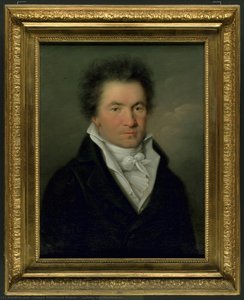
Ludvig van Betoven, čuveni nemački kompozitor i pijanista, rođen je u Bonu, u Nemačkoj, 1770. godine. Projavljujući svoj muzički talenat još u najranijem detinjstvu, počeo je da studira muziku kod različitih učitelja pre nego što se preselio u Beč, gde će provesti najveći deo svog života.- Sonatu za klavir i violončelo (A-dur) op. 69, prvi pokret (dostupno na ArtsDot.com)
- Betovenov manuskript dela Missa Solemnis (može se videti na Wikipedia)
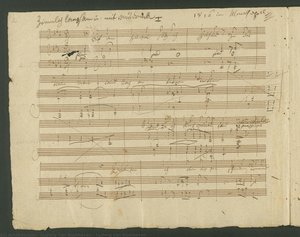
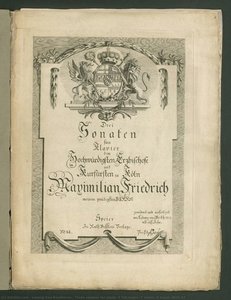
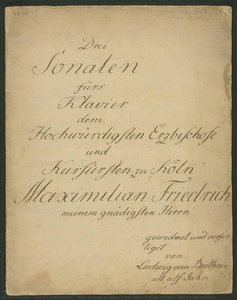
- Tri klavirske sonate iz opusa 1, koje je zastupao knez Karl Alois Lihnovski
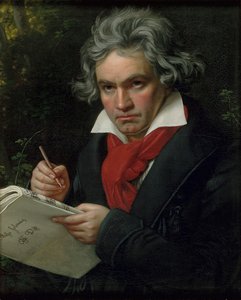
Ludvig Van Betoven
1770 - 1827 , Nemačka
Osnovne informacije
- Artistic Movement Or Style: Klasicizam i romantizam
- Artists Or Movements Influenced By This Artist:
- Johannes Brahms
- Robert Schumann
- Artists Who Influenced This Artist:
- Franz Joseph Haydn
- Christian Gottlob Schulze
- Date Of Birth: 1770 Bon, Nemačka
- Date Of Death: 1827 Beč, Austrija
- Full Name: Ludwig van Beethoven
- Nationality: Nemačka
- Notable Artworks:
- Moonlight Sonata
- Simfonija br. 9
- Place Of Birth: Bon, Nemačka
Povezani članci
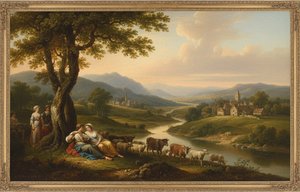
Idyllic Visions: Exploring the Pastoral Tradition in Western Art – Themes, Techniques & Enduring Appeal
Explore the rich history of pastoral art from classical Arcadia to contemporary interpretations. Discover key artists, themes & collecting tips at ArtsDot.
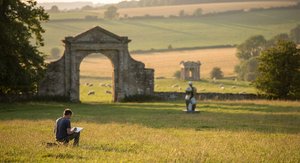
Idyllic Visions: Exploring the Pastoral Scene in Art History – From Arcadia to Modern Interpretations
Explore the captivating history of pastoral art from classical Arcadia to modern masterpieces. Discover key artists like Millet & Cole at ArtsDot. Find serene landscape paintings for your home.

Idyllic Visions: Exploring Pastoral Scenes in Art History – From Arcadia to Modern Interpretations
Explore the captivating history of pastoral art, from classical Arcadia to 19th-century masterpieces. Discover key artists like Millet & Cole and find serene landscape paintings for your home at ArtsDot.
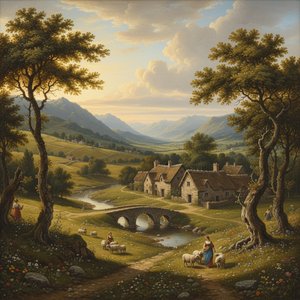
Evoking Arcadia: A Historical & Aesthetic Exploration of Rural Landscape Art
Explore the rich history of pastoral landscape art, from classical Arcadia to Impressionism & beyond. Discover key artists, movements, and how to collect serene rural scenes for your home. Expert insights at ArtsDot.
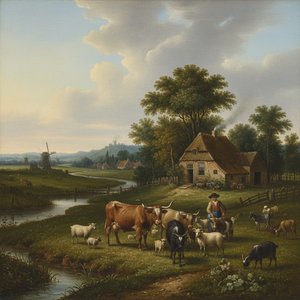
Albertus Verhoesen: Capturing Dutch Pastoral Life with Exquisite Detail
Explore the idyllic rural scenes of Albertus Verhoesen (1806-1881). Discover his charming paintings, renowned for realistic detail and pastoral beauty. Learn about this Dutch Romantic master at ArtsDot.

