

 Pregledaj u prostoru
 Pošalji
 Podeli
 Detalji o delu

 Преузми
 Slični predmeti
 Rendgenski snimak
 Slajdovi
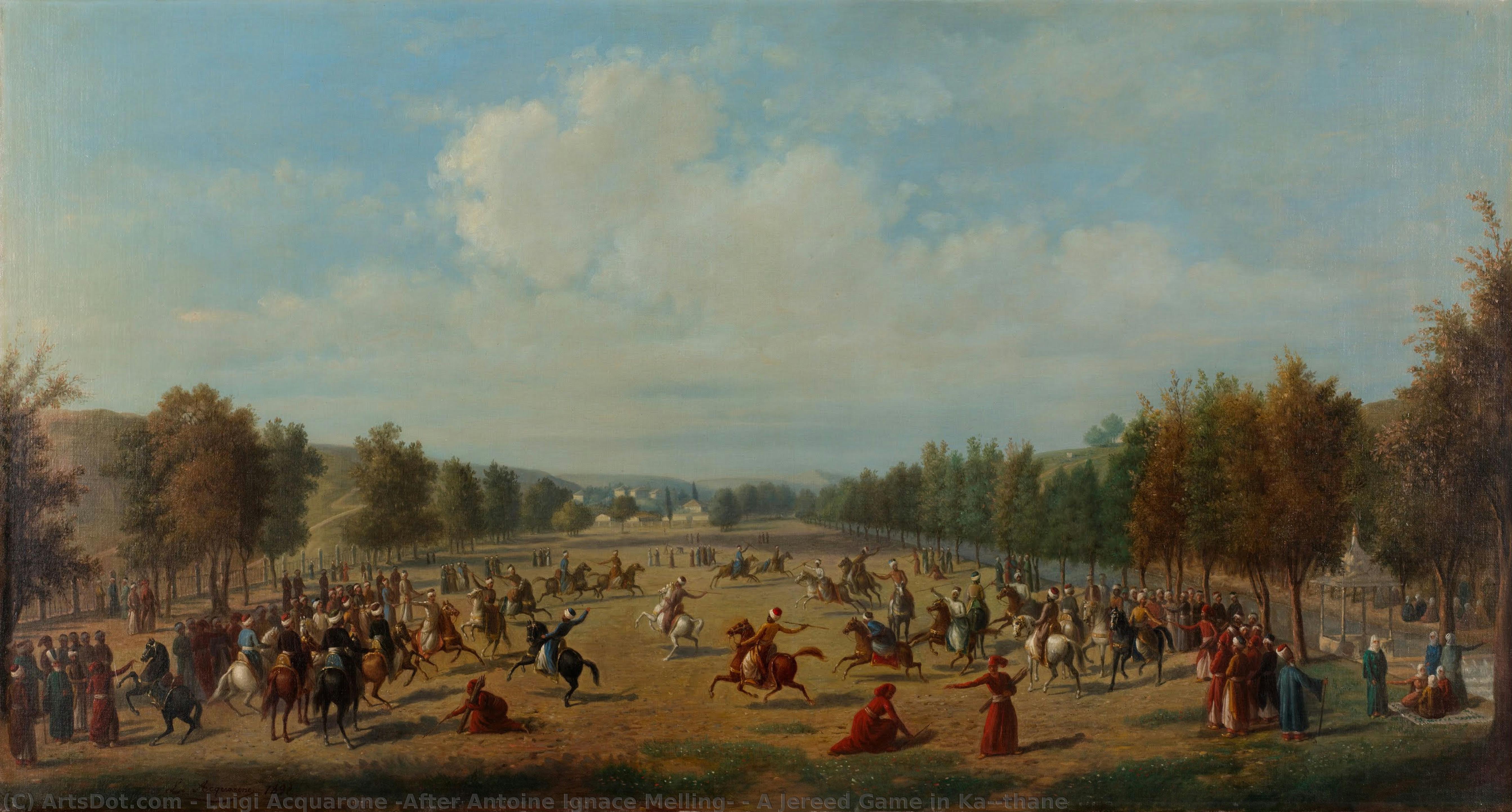
A Jereed Game in Kağıthane
 200.0 x 655.0 cm
 Pera Museum
 Pročitaj više
Ručno rađena uljana reprodukcija
Ručno oslikano uljanim bojama na platnu u dimenzijama i okviru po vašem izboru, izrađeno po porudžbini od strane naših umetnika. ( Kupi print Kupi digitalnu sliku)




































Izaberite jednu od naših unapred definisanih veličina koje odgovaraju originalnim proporcijama umetničkog dela.

Можете унети сопствене димензије како бисте прилагодили дело одређеном оквиру или простору. Ако одабрана величина не одговара пропорцијама оригинала, слика ће бити исечена или проширена додатним елементима који се ручно насликавају. Дигитални prikaz ће вам бити послат на одобрење пре почетка производње.
Имајте на уму да преглед на екрану не одражава стварно исецање или проширење. Само приказ (mockup) ће тачно приказати коначну композицију.
Иако су доступне прилагођене величине, препоручујемо да одаберете димензију из дефинисане листе како бисте сачували оригиналне пропорције.
Nakon narudžbine, tim ArtsDot.com će klijentu putem e-pošte poslati uputstva i dostaviti prikaz predloženog rešenja
Isporuka širom sveta () za 3/4 nedelje umesto uobičajenih 5 nedelja. (5 септембар). Bez kompromisa po pitanju kvaliteta.

Besplatna ekspresna dostava širom sveta

Visokokvalitetno laneno platno

Kompletno osiguranje transporta

Garancija povraćaja carine i uvoznih dažbina

Garancija vernosti boja

Politika povrata u roku od 60 dana (samo u slučaju nedostataka)

Garancija povrata novca od 100%

Popust pri grupnoj kupovini
 Opcija sa staklom dostupna je samo za dimenzije manje od 110 cm

A Jereed Game in Kağıthane
Tehnika reprodukcije
Dimenzije reprodukcije
-


Konačna cena
$ 263
Srodna umetnička dela









Biografija umetnika
Luigi Acquarone (After Antoine Ignace Melling): A Master of Evocative Genre Scenes
Luigi Acquarone, a name perhaps less familiar than his influential predecessor Antoine-Ignace Melling, nevertheless stands as a significant figure in 19th-century Italian art. Born in Geneo, Italy, around 1800, and tragically passing away in Istanbul in 1896, Acquarone’s artistic journey is inextricably linked to the legacy of Melling, a celebrated French painter known for his dramatic genre scenes depicting Venetian life. While often considered an “after” artist – meaning he produced works inspired by or imitating Melling's style – Acquarone developed a distinct voice and technique, imbuing these familiar subjects with a uniquely Italian sensibility.
Acquarone’s early training undoubtedly benefited from the proximity to Melling’s studio in Venice. The French artist had established himself as a leading interpreter of Venetian life, capturing the bustling markets, vibrant festivals, and intimate moments of everyday existence with remarkable realism and theatrical flair. Acquarone absorbed these lessons, mastering Melling's meticulous observation skills and his ability to infuse scenes with narrative tension. However, it wasn’t simply imitation; Acquarone gradually began to introduce subtle shifts in composition, color palette, and psychological depth, establishing a recognizable artistic identity.
The Influence of Melling and the Venetian Tradition
Melling's influence is undeniably pervasive throughout Acquarone’s oeuvre. The artist frequently depicted scenes mirroring those favored by his mentor: lively gatherings in taverns (as evidenced by “A Jereed Game in Kağıthane,” a particularly striking example showcasing a group of men engaged in a traditional Turkish game), bustling marketplaces overflowing with produce and merchants, and portraits of Venetian citizens immersed in their daily routines. Acquarone meticulously rendered the details – the textures of fabrics, the expressions on faces, the glimmering reflections in glassware – reflecting Melling’s commitment to realism. Yet, Acquarone's work possesses a warmer, more Italianate quality than its French counterpart. The lighting is often richer and more golden, and the figures seem imbued with a greater sense of warmth and humanity.
Furthermore, Acquarone was deeply rooted in the rich artistic traditions of Venice itself. He drew inspiration from the works of Venetian masters like Titian and Canaletto, incorporating their use of color, composition, and perspective into his own paintings. The city’s vibrant atmosphere, its complex social dynamics, and its unique cultural heritage provided a constant source of creative stimulation.
Developing a Distinct Style: Narrative Depth and Psychological Insight
While initially adhering closely to Melling's style, Acquarone gradually developed a more sophisticated approach. He began to prioritize narrative depth and psychological insight within his genre scenes. Rather than simply documenting events, he sought to capture the emotions and motivations of his subjects. His figures are not merely static representations; they are imbued with personality, vulnerability, and even a hint of melancholy. This shift is particularly evident in works like “A Jereed Game in Kağıthane,” where the expressions on the faces of the players reveal a complex interplay of camaraderie, competition, and perhaps even underlying tensions.
Acquarone’s use of color also evolved over time. Initially influenced by Melling's preference for muted tones, he gradually embraced brighter hues and bolder contrasts, creating paintings that are both visually arresting and emotionally resonant. He skillfully employed light and shadow to create a sense of drama and atmosphere, drawing the viewer into the heart of each scene.
Major Works and Historical Significance
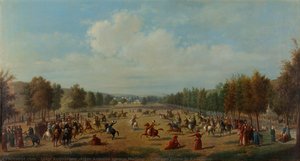
Among Acquarone’s most notable works is “A Jereed Game in Kağıthane,” a captivating depiction of a traditional Turkish game played in Istanbul. This painting exemplifies his mastery of genre scenes, showcasing his meticulous observation skills, narrative depth, and psychological insight. Other significant paintings include portraits of Venetian citizens, lively tavern scenes, and depictions of religious festivals. His work provides valuable insights into the social and cultural life of 19th-century Venice and Istanbul.
Despite being often overshadowed by his mentor, Luigi Acquarone deserves recognition as a talented and accomplished artist in his own right. His paintings offer a unique window into the world of 19th-century Italy, blending the influence of Melling with his own distinctive artistic vision. His legacy continues to be appreciated for his evocative genre scenes, his masterful technique, and his ability to capture the essence of human experience.
luigi acquarone (after antoine ignace melling)
1800 - 1896 , Italy
Osnovne informacije
- Artistic Movement Or Style: Genre scenes, Historical paintings
- Artists Who Influenced This Artist: ['Antoine Igne Melling']
- Date Of Birth: 1800
- Date Of Death: 1896
- Full Name: Luigi Acquarone (after Melling)
- Nationality: Italian
- Notable Artworks: ['A Jereed Game in Kağıthane']
- Place Of Birth: Geneo, Italy

