

 Pregledaj u prostoru
 Pošalji
 Podeli
 Detalji o delu

 Преузми
 Slični predmeti
 Rendgenski snimak
 Slajdovi
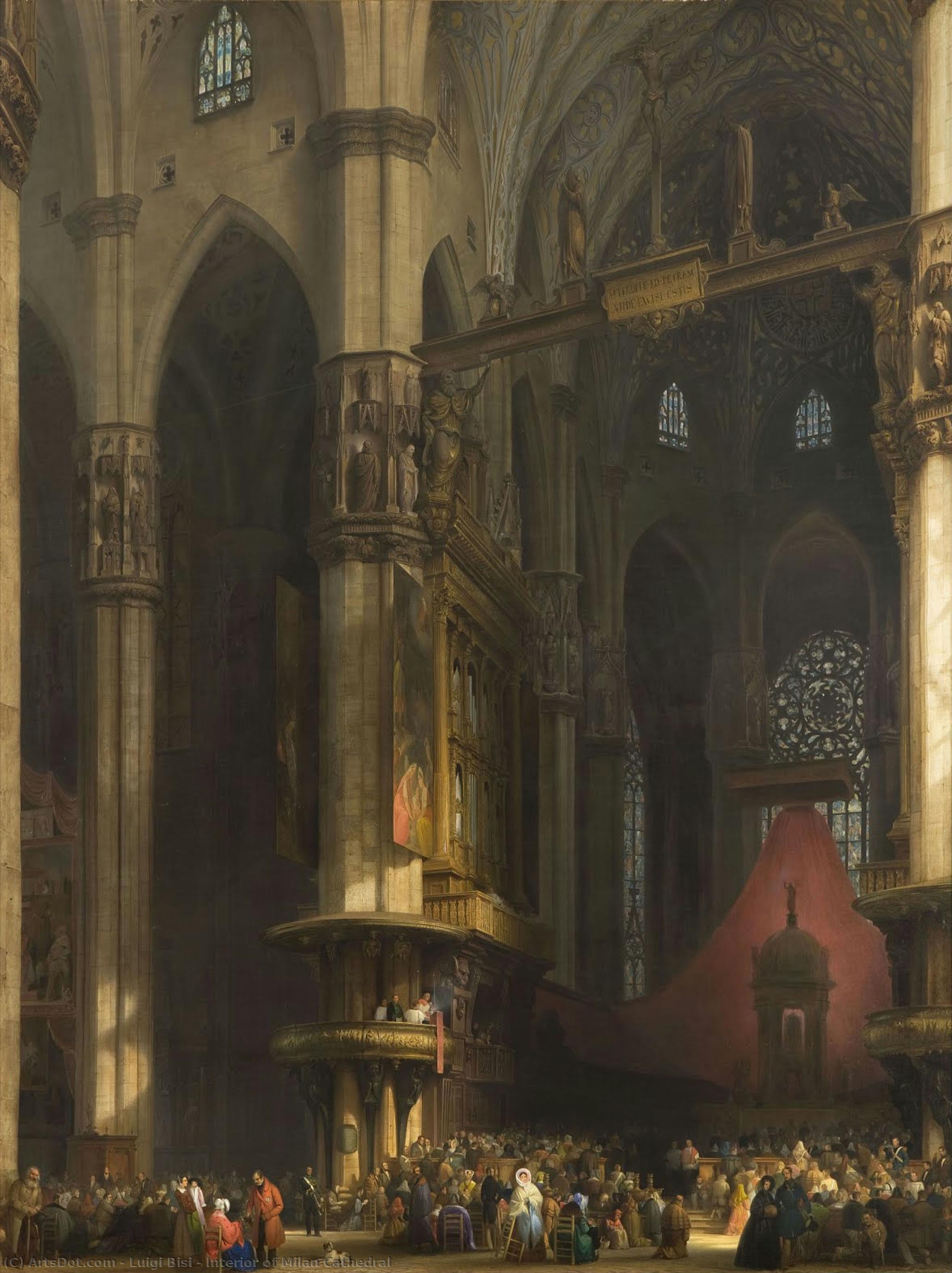
Interior of Milan Cathedral
 Acrylic On Canvas
- WallArt
- Romantic Revival
 139.0 x 181.0 cm
 Fondazione Cariplo
 Pročitaj više
Kupite digitalnu sliku visoke rezolucije i poboljšanog kvaliteta, koja je znatno superiornija od onoga što vidite u online prikazu.
Svaka datoteka je pedantno pripremljena od strane naših stručnjaka koristeći napredne alate i profesionalnu ručnu retušu. Osiguravamo da svaka slika ima izuzetnu oštrinu, preciznu reprodukciju boja i fine detalje.
Konačna datoteka se dostavlja putem e-pošte u roku od 72 sata, optimizovana za neposrednu upotrebu u profesionalnim, izdavačkim i štamparskim okruženjima. To je isti kvalitet kojem veruju vrhunski studiji dizajna, izdavači i galerije.
Digitalna slika
Preuzmite datoteku visoke rezolucije za ličnu upotrebu, štampanje i kreativne projekte. ( Kupi print Kupi ručno naslikanu sliku)
Uključeno uz svaku porudžbinu digitalne slike
Profesionalna digitalna isporuka, zagarantovana
Kada odaberete ArtsDot.com, ne dobijate samo sliku – vi primate profesionalno unapređeno digitalno umetničko delo, izrađeno sa najvećom preciznošću i uz garanciju zadovoljstva. Evo svega što automatski dolazi uz vašu porudžbinu:

Brza dostava putem e-pošte
Vaša digitalna slika visoke rezolucije biće vam poslata putem e-pošte u roku od 72 sata od poručivanja – spremna za trenutnu upotrebu.

Digitalna datoteka unapređena veštačkom inteligencijom
Vaše umetničko delo je profesionalno optimizovano korišćenjem naprednih AI alata i ručne obrade, čime se osiguravaju maksimalni detalji, oštrina i preciznost boja.

Besplatna ponovna isporuka doživotno
Slučajno ste obrisali ili izgubili svoju datoteku? Ne brinite – poslaćemo vam je ponovo u bilo kom trenutku, potpuno besplatno.

Bez troškova uvoza – zauvek
Uživajte u svojim umetničkim delima trenutno, bez carine, dažbina ili troškova dostave – digitalni download je uvek bez poreza.

Garancija vernosti boja
Uz pomoć profesionalnih alata i upravljanja bojama, osiguravamo da vaša digitalna slika što vernije odražava originalne boje.

Garancija zadovoljstva u roku od 60 dana
Ako niste zadovoljni svojom digitalnom slikom, revidirat ćemo je ili vratiti 100% novca u roku od 60 dana – bez ikakvih pitanja.

100% garancija povrata novca
Niste zadovoljni? Obezbedite pun povrat novca u roku od 60 dana od trenutka kada ste primili svoju digitalnu datoteku – bez suvišnih pitanja.

Popusti na velike porudžbine
Kupite 3 slike, uštedite 10% - Kupite 5 slika, uštedite 15% - Kupite 10+ slika, uštedite 20%. Odlično za kreativne projekte, galerije i agencije.
Opis kolekcionarskog dela
Srodna umetnička dela








Biografija umetnika
A Milanese Master of Light and Perspective
Luigi Bisi, born in Milan in 1814, emerged from a family deeply rooted in the artistic traditions of Italy. His father, Michele Bisi, and uncle, Giuseppe Bisi, both established painters, provided young Luigi with an early immersion into the world of art, nurturing his innate talent and guiding his initial steps. This familial influence proved foundational as he formally trained at the Accademia di Belle Arti di Brera, studying under Francesco Durelli – a pivotal figure in Italian painting – and potentially also benefiting from the tutelage of Giovanni Migliara. Bisi’s education wasn't merely technical; it was steeped in the artistic heritage of Milan, fostering a sensibility that would define his life’s work. He didn't simply learn to paint; he absorbed a legacy. This early exposure shaped not only his style but also his future role as an educator, eventually succeeding Durelli as professor of perspective at the very academy where he honed his skills, and later ascending to the presidency in 1879.From Vedute to Sacred Spaces
Bisi’s artistic journey began with *vedute* – airy views of landscapes and cityscapes that captured the essence of the Italian countryside and urban life. These early works demonstrated a keen eye for composition and an ability to convey atmosphere, but it was his subsequent shift towards interior scenes, particularly those of churches, that cemented his reputation. He became renowned for meticulously detailed depictions of sacred spaces, imbued with a sense of reverence and architectural precision. The Duomo di Milano, the magnificent cathedral that dominates the Milanese skyline, held a particular fascination for Bisi. Over approximately eighty-seven paintings, he explored every facet of its grandeur, capturing its intricate details, dramatic lighting, and spiritual aura. These weren’t merely representations; they were acts of devotion, born from an intimate understanding of the building's history and significance. Beyond the Duomo, his depictions of the Basilica di Sant'Ambrogio showcase a similar dedication to architectural detail and atmospheric nuance. Works like “Summer Stroll” and “Family Meal” reveal Bisi’s skill in capturing human form and domestic scenes, balancing composition with emotional depth.Influences and Artistic Development
Bisi’s artistic vision was shaped by a confluence of influences, reflecting the rich artistic heritage of Italy. The Italian Renaissance served as a cornerstone, evident in his attention to detail, classical compositions, and harmonious use of light and shadow. Elements of Late Gothic architecture are visible in his depictions of churches, particularly in the intricate details and soaring grandeur of structures like the Duomo di Milano. While not dominant, aspects of Mannerism can be observed in his stylized figures and dramatic use of chiaroscuro – a technique he likely absorbed from his teacher, Francesco Durelli. Bisi’s interest extended beyond painting to architecture itself; he collaborated on the restoration of the Basilica di Sant'Ambrogio alongside prominent architects like Giovanni Brocca and Friedrich von Schmidt, demonstrating a commitment to preserving Milanese architectural heritage. This practical involvement undoubtedly informed his artistic representations, lending them an authenticity that resonated with viewers.Legacy and Lasting Impact
Luigi Bisi’s legacy extends beyond the canvases he created. His long tenure as a professor at the Accademia di Belle Arti di Brera ensured that his knowledge of perspective, composition, and architectural representation was passed on to generations of aspiring artists. He wasn't merely imparting technical skills; he was instilling a deep appreciation for artistic tradition and a commitment to meticulous observation. His involvement in the restoration of the Basilica di Sant’Ambrogio further underscores his dedication to preserving Milanese cultural heritage. Today, Bisi’s work is held in esteemed collections such as the Pinacoteca di Vicenza and the Hungarian National Gallery, testament to its enduring significance within Italian art history. While pinpointing direct artistic descendants proves challenging, it's reasonable to assume that his emphasis on perspective and detailed observation influenced countless artists who followed him, shaping the landscape of 19th-century Italian painting. His paintings continue to captivate viewers with their masterful technique, atmospheric depth, and profound sense of place, ensuring that his name remains synonymous with the artistic spirit of Milan.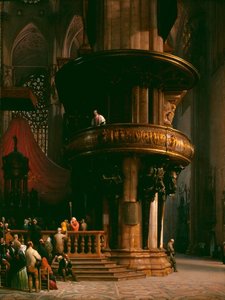
Luigi Bisi
1814 - 1886 , Italy
Kratke činjenice
- Artistic Movement Or Style: Renaissance, Gothic
- Artists Or Movements Influenced By This Artist: Future Milanese artists
- Artists Who Influenced This Artist:
- Francesco Durelli
- Giovanni Migliara
- Date Of Birth: May 10, 1814
- Date Of Death: November 11, 1886
- Full Name: Luigi Bisi
- Nationality: Italian
- Notable Artworks:
- Summer Stroll
- Family Meal
- Duomo di Milano views
- Place Of Birth: Milan, Italy

