

 Pregledaj u prostoru
 Pošalji
 Podeli
 Detalji o delu

 Преузми
 Slični predmeti
 Rendgenski snimak
 Slajdovi
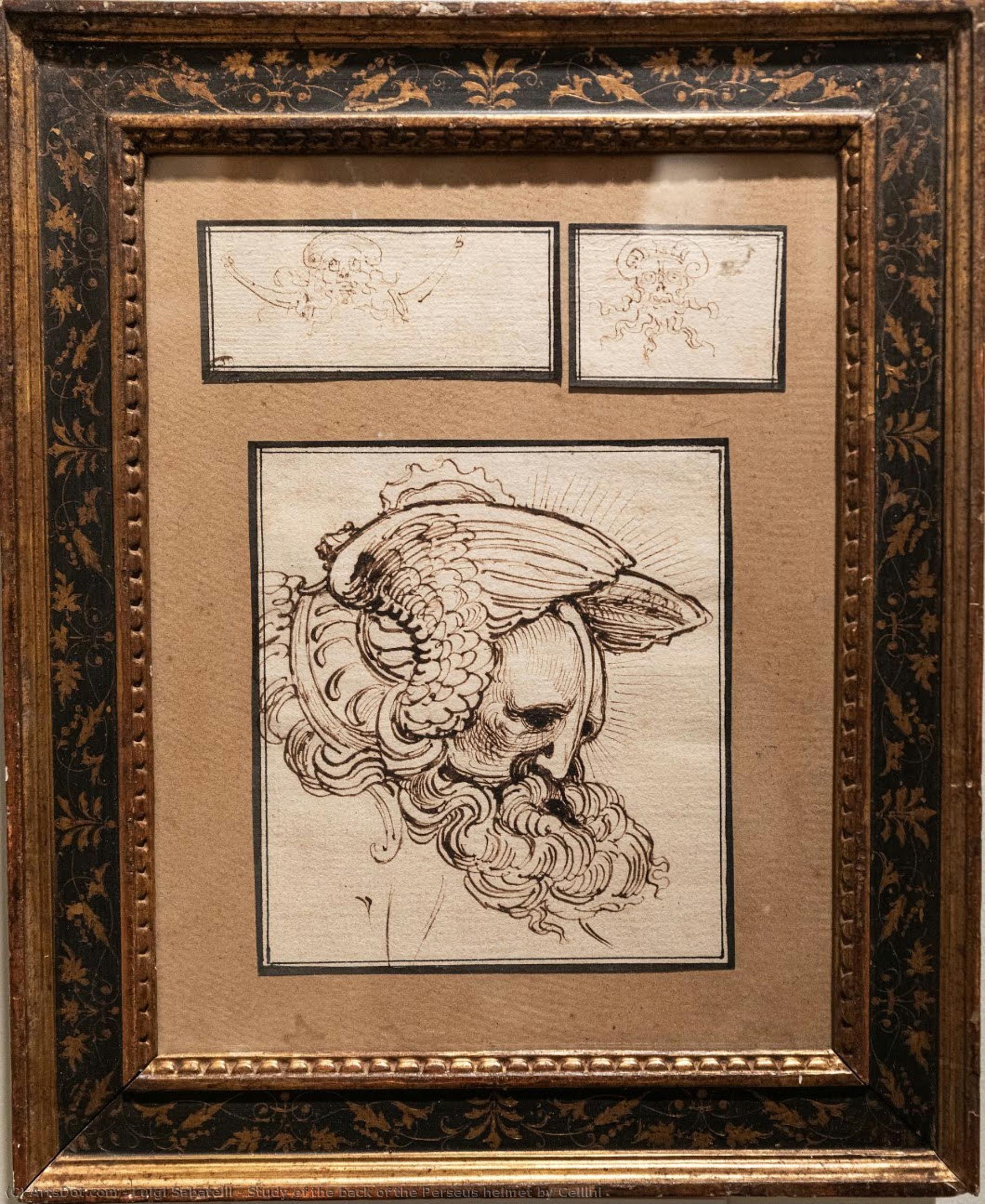
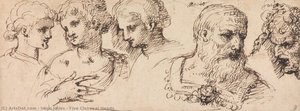
Study of the back of the Perseus helmet by Cellini
 Ink On Paper
- Renaissance
 19th Century
 15.0 x 30.0 cm
 Biennale Internazionale dell'Antiquariato di Firenze
 Pročitaj više
Kupite digitalnu sliku visoke rezolucije i poboljšanog kvaliteta, koja je znatno superiornija od onoga što vidite u online prikazu.
Svaka datoteka je pedantno pripremljena od strane naših stručnjaka koristeći napredne alate i profesionalnu ručnu retušu. Osiguravamo da svaka slika ima izuzetnu oštrinu, preciznu reprodukciju boja i fine detalje.
Konačna datoteka se dostavlja putem e-pošte u roku od 72 sata, optimizovana za neposrednu upotrebu u profesionalnim, izdavačkim i štamparskim okruženjima. To je isti kvalitet kojem veruju vrhunski studiji dizajna, izdavači i galerije.
Digitalna slika
Preuzmite datoteku visoke rezolucije za ličnu upotrebu, štampanje i kreativne projekte. ( Kupi print Kupi ručno naslikanu sliku)
Uključeno uz svaku porudžbinu digitalne slike
Profesionalna digitalna isporuka, zagarantovana
Kada odaberete ArtsDot.com, ne dobijate samo sliku – vi primate profesionalno unapređeno digitalno umetničko delo, izrađeno sa najvećom preciznošću i uz garanciju zadovoljstva. Evo svega što automatski dolazi uz vašu porudžbinu:

Brza dostava putem e-pošte
Vaša digitalna slika visoke rezolucije biće vam poslata putem e-pošte u roku od 72 sata od poručivanja – spremna za trenutnu upotrebu.

Digitalna datoteka unapređena veštačkom inteligencijom
Vaše umetničko delo je profesionalno optimizovano korišćenjem naprednih AI alata i ručne obrade, čime se osiguravaju maksimalni detalji, oštrina i preciznost boja.

Besplatna ponovna isporuka doživotno
Slučajno ste obrisali ili izgubili svoju datoteku? Ne brinite – poslaćemo vam je ponovo u bilo kom trenutku, potpuno besplatno.

Bez troškova uvoza – zauvek
Uživajte u svojim umetničkim delima trenutno, bez carine, dažbina ili troškova dostave – digitalni download je uvek bez poreza.

Garancija vernosti boja
Uz pomoć profesionalnih alata i upravljanja bojama, osiguravamo da vaša digitalna slika što vernije odražava originalne boje.

Garancija zadovoljstva u roku od 60 dana
Ako niste zadovoljni svojom digitalnom slikom, revidirat ćemo je ili vratiti 100% novca u roku od 60 dana – bez ikakvih pitanja.

100% garancija povrata novca
Niste zadovoljni? Obezbedite pun povrat novca u roku od 60 dana od trenutka kada ste primili svoju digitalnu datoteku – bez suvišnih pitanja.

Popusti na velike porudžbine
Kupite 3 slike, uštedite 10% - Kupite 5 slika, uštedite 15% - Kupite 10+ slika, uštedite 20%. Odlično za kreativne projekte, galerije i agencije.
A Renaissance Reverie: The Intimacy of the Sketch
In the quiet contemplation of Luigi Sabatelli’s Study of the back of the Perseus helmet by Cellini, one finds oneself transported to the very heart of the artistic process. This exquisite drawing, a masterful window into the nineteenth-century Neoclassical mind, captures more than just a subject; it captures an intellectual pursuit. The artwork presents a profound study of a classical figure, characterized by the striking presence of ram’s horns that curve with organic grace around a bearded countenance. While the title pays homage to the legendary goldsmith Benvenuto Cellini, the soul of the piece resides in Sabatelli’s ability to breathe life into a preparatory moment, turning a mere sketch into a captivating exploration of form and myth.
The composition is anchored by a central, commanding figure that commands the viewer's attention through its raw, unadorned strength. Above this primary focus, smaller, delicate vignettes dance across the paper, offering glimpses of stylized figures encased in decorative borders. This arrangement suggests a mind at work—an artist navigating the boundaries between anatomical precision and ornamental beauty. The use of monochrome brown ink on aged, laid paper lends the piece an air of timelessness, evoking the dusty, sunlit studios of the Florentine academies where the echoes of Michelangelo and Raphael still lingered in every stroke.
The Mastery of Line and Light
Technically, this study is a triumph of linear hatching and meticulous draftsmanship. Sabatelli employs a sophisticated vocabulary of lines, utilizing varying densities of cross-hatching to sculpt volume out of a two-dimensional plane. There is a rhythmic quality to the ink work; where the lines cluster tightly, deep shadows emerge, defining the rugged texture of the beard and the heavy musculature of the brow. Conversely, where the paper is left more exposed, a soft, ethereal light seems to wash over the figure, creating a sense of three-dimensional presence that feels almost tactile.
The precision of the technique serves a higher purpose than mere imitation. Through the careful application of shadow and light, Sabatelli achieves a sculptural quality, making the subject feel as though it were carved from stone rather than drawn with ink. For the discerning collector or interior designer, this level of detail offers a profound visual depth. The artwork does not merely sit upon a wall; it interacts with the surrounding light of a room, offering new nuances of shadow and texture upon every viewing.
Symbolism and the Neoclassical Spirit
Beyond its technical brilliance, the piece is steeped in the symbolic language of antiquity. The inclusion of the ram’s horns is not merely an aesthetic choice but a profound nod to classical mythology, invoking themes of divinity, primordial power, and the untamed wilderness. This connection to the heroic past was the cornerstone of the Neoclassical movement, which sought to find moral clarity and grandeur in the legends of Greece and Rome. Sabatelli, a master of this revival, uses these symbols to bridge the gap between the ephemeral nature of a sketch and the eternal nature of myth.
For those looking to integrate fine art into a curated space, this reproduction offers an unparalleled emotional resonance. It brings with it an atmosphere of intellectual curiosity and historical weight. Whether placed in a sophisticated study, a minimalist gallery-style living room, or a library filled with classical literature, the Study of the back of the Perseus helmet acts as a focal point of quiet dignity. It is an invitation to pause, to look closer, and to reconnect with the enduring beauty of the classical tradition.
Srodna umetnička dela
Biografija umetnika
Luigi Sabatelli: A Neoclassical Vision of Antiquity
Luigi Sabatelli (1772-1850) stands as a pivotal figure in Italian neoclassicism, an artistic movement that sought to revive the grandeur and moral ideals of ancient Greece and Rome. Born in Florence, he embarked on a prolific artistic journey spanning Milan, Rome, and his homeland, leaving behind a legacy marked by monumental frescoes and influential teaching—a testament to his dedication to preserving classical heritage within the burgeoning Romantic era. His life's work serves as a bridge between the rigorous discipline of the Enlightenment and the emotional depth that would soon define the nineteenth century.
Sabatelli’s formative years were spent honing his skills in Florence and Rome, immersing himself in the intellectual fervor of the time. He studied diligently at the Florentine Academy, absorbing the humanist principles championed by masters who profoundly shaped the artistic landscape of their age. This grounding in classical scholarship became a cornerstone of his distinctive style. His technique was characterized by a meticulous attention to anatomical precision and a profound understanding of linear detail, often achieved through masterful hatching and pen-and-ink work. Whether capturing the intricate details of Roman monuments or preparing religious compositions, Sabatelli’s hand reflected a deep reverence for the Renaissance tradition.
The Majesty of Fresco and Classical Study
Sabatelli’s artistic reputation ascended to unparalleled heights with his monumental frescoes adorning the Hall of the Iliad at Palazzo Pitti in Florence. Commissioned between 1822 and 1825, these eight lunettes depict scenes from Homer's epic poem—a bold undertaking that demanded meticulous planning and execution. His portrayal of Achilles and Hector captivated audiences with its dramatic composition and evocative use of color, embodying the core tenets of neoclassicism: clarity, restraint, and reverence for classical form. This project solidified his position as one of Italy's foremost painters and cemented his enduring contribution to artistic history.
Beyond the grand scale of palace frescoes, Sabatelli’s genius was equally evident in his intimate preparatory studies. His ability to translate the weight of history onto paper allowed him to explore the nuances of antiquity with unparalleled depth. Some of his most significant explorations include:
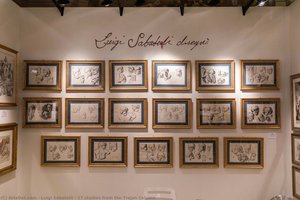
- Studies from the Trajan Column: A captivating collection of Neoclassical sketches capturing intricate details from this Roman masterpiece, offering a rare glimpse into ancient grandeur through his precise line work.
- Classical Figure Studies: Meticulous drawings, such as his study of the back of the Perseus helmet by Cellini, which showcase his mastery of Renaissance-style hatching and anatomical detail.
- Religious Preparations: Detailed pen and ink sketches, such as those intended for the fresco in the Chiesa di Valmadrera, demonstrating his ability to apply classical rigor to sacred subjects.
Legacy and Historical Significance
The significance of Luigi Sabatelli lies not only in the finished masterpieces that adorn Italian walls but also in his role as a custodian of classical memory. As an educator and a scholar of form, he helped sustain the flame of Neoclassicism during a period of rapid cultural transition. His work remains a vital touchstone for anyone seeking to understand the intersection of archaeological discovery and artistic expression in the nineteenth century. Through his disciplined brush and thoughtful ink, Sabatelli ensured that the echoes of the ancient world would continue to resonate through the ages, providing a sense of permanence and dignity in an ever-changing world.
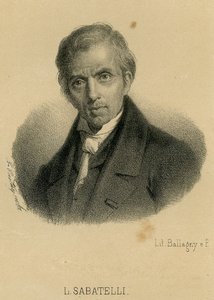
Luigi Sabatelli
1772 - 1850 , Italy
Kratke činjenice
- Artistic Movement Or Style: Neoclassicism
- Artists Or Movements Influenced By This Artist: ['Brera Academy']
- Artists Who Influenced This Artist: ['Classical Art']
- Date Of Birth: Florence, Italy (1772)
- Date Of Death: 1850
- Full Name: Luigi Sabatelli
- Nationality: Italian
- Notable Artworks:
- Meeting of David and Abigail
- Olympus
- Place Of Birth: Florence

