

 Pregledaj u prostoru
 Pošalji
 Podeli
 Detalji o delu

 Преузми
 Slični predmeti
 Rendgenski snimak
 Slajdovi
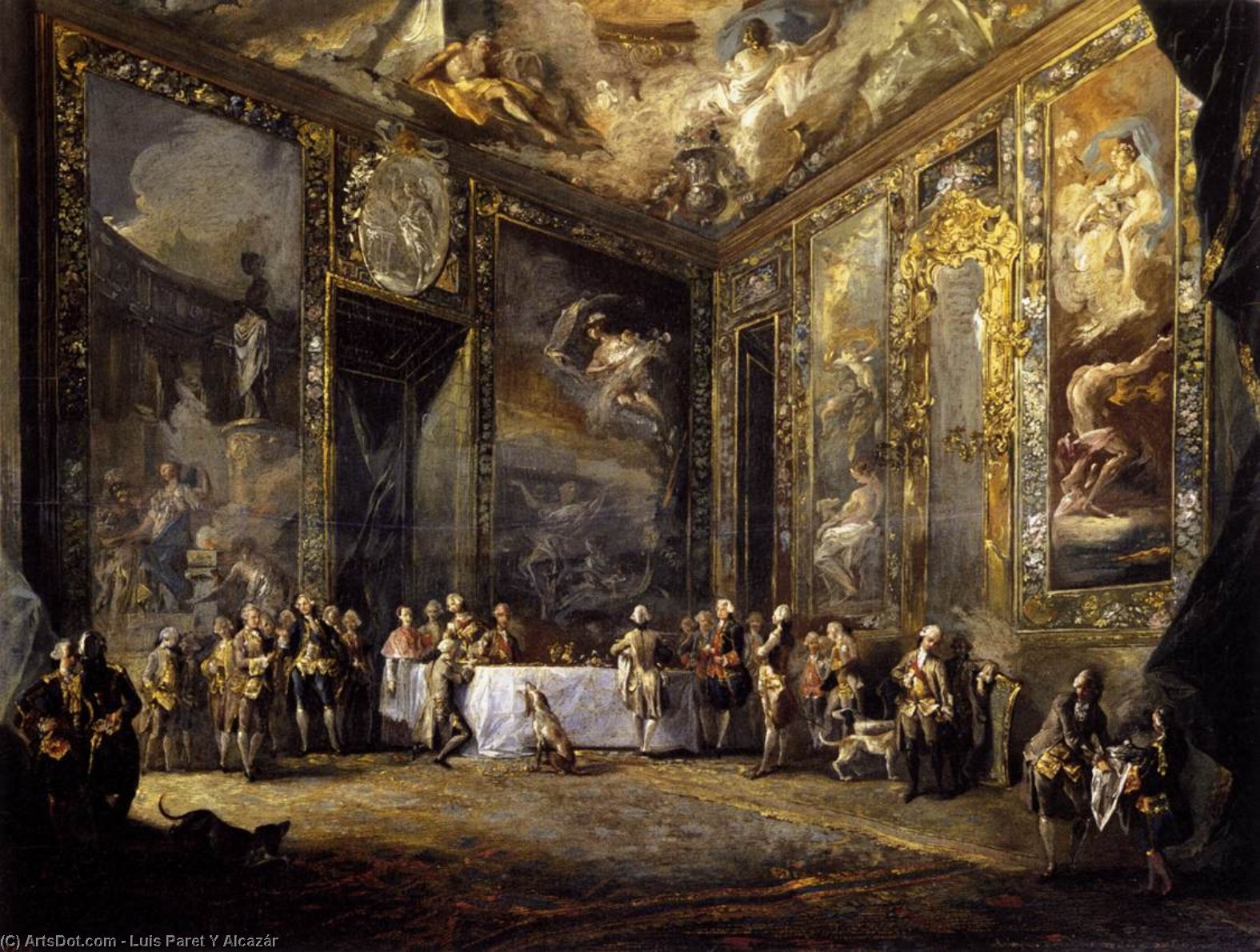
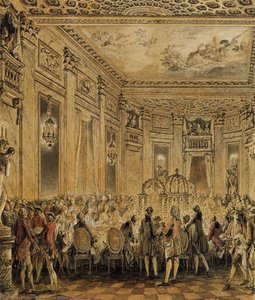
Charles III Dining before the Court
 Acrylic On Canvas
- WallArt
- Baroque Rococo
 1788
1788 50.0 x 64.0 cm
 Museo del Prado
 Pročitaj više
Ručno rađena uljana reprodukcija
Ručno oslikano uljanim bojama na platnu u dimenzijama i okviru po vašem izboru, izrađeno po porudžbini od strane naših umetnika. ( Kupi print Kupi digitalnu sliku)




P118B $10

P118H $10

P118W $10

P438Z $10

P508JH $12

P508YH $12

P805H $10

P805Z $10

P919BZ $10

P919G $10

P919XJ $10

P959ZH $10

P968JZ $12

W106C $8

W218G $10

W218JH $8

W218Y $10

W307PJ $10

W316G $10

W316PJ $8

W316Y $10

W398PJ $8

W4111J $10

W500HY $15

W500JH $15

W692G $12

W849H $8

W940BG $15

W953PJ $8




Izaberite jednu od naših unapred definisanih veličina koje odgovaraju originalnim proporcijama umetničkog dela.

Можете унети сопствене димензије како бисте прилагодили дело одређеном оквиру или простору. Ако одабрана величина не одговара пропорцијама оригинала, слика ће бити исечена или проширена додатним елементима који се ручно насликавају. Дигитални prikaz ће вам бити послат на одобрење пре почетка производње.
Имајте на уму да преглед на екрану не одражава стварно исецање или проширење. Само приказ (mockup) ће тачно приказати коначну композицију.
Иако су доступне прилагођене величине, препоручујемо да одаберете димензију из дефинисане листе како бисте сачували оригиналне пропорције.
Nakon narudžbine, tim ArtsDot.com će klijentu putem e-pošte poslati uputstva i dostaviti prikaz predloženog rešenja
Isporuka širom sveta () za 3/4 nedelje umesto uobičajenih 5 nedelja. (24 август). Bez kompromisa po pitanju kvaliteta.

Besplatna ekspresna dostava širom sveta

Visokokvalitetno laneno platno

Kompletno osiguranje transporta

Garancija povraćaja carine i uvoznih dažbina

Garancija vernosti boja

Politika povrata u roku od 60 dana (samo u slučaju nedostataka)

Garancija povrata novca od 100%

Popust pri grupnoj kupovini
 Opcija sa staklom dostupna je samo za dimenzije manje od 110 cm

Charles III Dining before the Court
Tehnika reprodukcije
Dimenzije reprodukcije
-


Konačna cena
$ 263
Opis umetničkog dela
A Window into Spanish Royalty: Luis Paret y Alcázar’s “Charles III Dining Before the Court”
Luis Paret y Alcázar's "Charles III Dining Before the Court," painted in 1788, transcends mere depiction; it embodies the opulent spirit of Rococo art and offers a poignant glimpse into the social dynamics of Enlightenment Spain. Executed on a generous canvas measuring 50 x 64 cm, this monumental oil painting captures King Charles III presiding over a formal banquet at court – an event meticulously documented by historians and artists alike.
The artwork’s stylistic hallmarks are undeniably Rococo, characterized by delicate ornamentation, asymmetrical compositions, and pastel hues that prioritize beauty and elegance above strict realism. Paret skillfully employs chiaroscuro—the dramatic interplay of light and shadow—to sculpt the figures within the scene, emphasizing their postures and expressions with remarkable precision. Notice how the artist’s brushstrokes convey a sense of movement and fluidity, mirroring the lively conversation unfolding around the table.
Technical Brilliance: Mastering Vedute Painting
Paret's mastery lies particularly in his technique as a veduta painter—a genre dedicated to capturing panoramic views of urban landscapes. He meticulously renders the interior of a grand dining room, incorporating details like a towering chandelier casting shimmering light upon the attendees and a stately clock marking the passage of time. The artist’s attention to architectural precision reflects the influence of Jacques-Henri Bernard Vivant Denizard, whose studio Paret frequented during his formative years.
Historical Context: Reflecting the Age of Reason
Painted during Charles III's reign (1759–1788), “Charles III Dining Before the Court” speaks to the broader intellectual currents of the Enlightenment. The scene portrays a royal gathering intended to project an image of stability and grandeur—a deliberate effort to solidify the monarchy’s prestige amidst growing calls for reform. However, beyond political symbolism, the painting captures everyday life within the aristocratic elite, revealing social rituals and customs that defined the era.
Symbolism & Emotional Resonance: A Portrait of Privilege
The inclusion of two dogs—one positioned near the left side of the image and another closer to the right—adds a subtle layer of symbolism. Dogs were frequently depicted in aristocratic interiors as emblems of loyalty, companionship, and status. Furthermore, the painting’s serene atmosphere evokes a feeling of refined tranquility – inviting viewers to contemplate the beauty and formality of royal life. It remains a testament to Paret's ability to convey complex emotions through visual artistry.
Provenance & Legacy: A Piece of Prado History
Currently housed at Museo del Prado, Madrid, “Charles III Dining Before the Court” exemplifies the artistic achievements of Spanish Baroque and Rococo. Its meticulous detail and masterful execution continue to inspire admiration among art connoisseurs and collectors alike. Reproductions of this iconic artwork offer a captivating glimpse into a bygone era—a celebration of royal patronage and an enduring symbol of artistic excellence.
Srodna umetnička dela
Biografija umetnika
A Rococo Visionary: The Luminous World of Luis Paret y Alcázar
In the vibrant, sun-drenched tapestry of 18th-century Spain, few artists captured the delicate interplay of light and social elegance as masterfully as Luis Paret y Alcázar. A true visionary of the late Baroque and Rococo periods, Paret possessed a rare ability to transform the mundane into the magnificent. His life, spanning from his birth in Madrid in 1746 to his passing in 1799, was a journey through the heart of Spanish cultural evolution. Through his brush, the rigid structures of tradition met the airy, whimsical spirit of the Rococo, creating a body of work that remains a shimmering window into an era of profound transformation.
Paret’s artistic foundation was laid within the prestigious halls of the Academia Real de San Fernando. Under the tutelage of Antonio González Velázquez, he absorbed the rigorous techniques of the Spanish tradition, yet his spirit yearned for something more cosmopolitan. This thirst for innovation led him to the studio of the French painter Charles de la Traverse. This pivotal association introduced Paret to French artistic sensibilities, infusing his work with a certain je ne sais quoi—a lightness and grace that would become his hallmark. His early academic triumphs, including winning first prize in a prestigious painting contest in 1766, signaled the arrival of a prodigious talent capable of bridging the gap between Spanish gravity and European elegance.
The Art of the Vedute and the Spirit of Place
One of Paret’s most enduring legacies lies in his mastery of the vedute—detailed, panoramic landscapes that serve as topographical chronicles of the Spanish empire. He was a painter of ports and horizons, capturing the bustling maritime life of locations such as Cádiz and Puerto Rico with an almost scientific precision tempered by artistic soul. These works were more than mere maps; they were atmospheric evocations of a world in motion. In his depictions of harbors, one can sense the salt spray and the rhythmic pulse of trade, rendered through a meticulous attention to detail that celebrates both the grandeur of the landscape and the intricate machinery of human commerce.
Beyond the sweeping vistas, Paret found profound beauty in the intimate "bambochadas"—genre scenes that offered nuanced portrayals of everyday life. These compositions often featured the upper echelons of society engaged in refined leisure, such as the captivating Elegant Company Preparing for a Masked Ball. In these moments, Paret utilized a palette of soft colors and luminous light to evoke the textures of silk, lace, and powdered skin. His ability to render the opulent spirit of the court, seen in works like Charles III Dining Before the Court, allowed him to document the social dynamics of Enlightenment Spain with unparalleled grace.
Legacy and Artistic Significance
The significance of Luis Paret y Alcázar extends far beyond the borders of Spain. His influence traveled across oceans, notably shaping the trajectory of Puerto Rican art through his pupil, José Campeche. Even when faced with the political upheavals that led to periods of exile, Paret’s commitment to his craft remained unshakable. His technical versatility—ranging from the delicate precision of pen and ink studies to the vibrant, luminous quality of oil on copper—demonstrates an artist who was constantly pushing the boundaries of his medium.
Today, the works of Paret, many of which are preserved in the hallowed halls of the Museo del Prado, serve as essential touchstones for understanding the transition from the dramatic shadows of the Baroque to the light-filled optimism of the Rococo. He remains a celebrated figure whose oeuvre captures the very essence of an age: a period defined by a search for beauty, a fascination with the new, and an enduring reverence for the elegance of the human experience.
luis paret y alcázar
1746 - 1799
Osnovne informacije
- Artistic Movement Or Style: Rococo
- Artists Or Movements Influenced By This Artist: ['Charles de la Traverse']
- Artists Who Influenced This Artist: ['Antonio González Velázquez']
- Date Of Death: 1799
- Full Name: Luis Paret y Alcázar
- Nationality: Spanish
- Notable Artworks:
- Village Scene and View of Fuenterrabia
- Esperando los Reyes
- Place Of Birth: Madrid, Spain
Povezani članci

Francisco Goya: 25 Remek-dela Španskog Majstora za Vaš Dom | ArtsDot
Istražite 25 remek-dela Francisca Goya, španskog slikara romantizma i impresionizma. Portreti, tamne slike & istorija umetnosti na ArtsDot.com! Kupite reprodukcije slika vrhunskog kvaliteta za dekoraciju enterijera. Otkrijte celu kolekciju online.
From Grandeur to Grace: Exploring the Evolution of Baroque & Rococo Art
Explore the captivating evolution from Baroque's drama to Rococo's grace! Discover key artists, characteristics & lasting influence of these art movements with expert insights at ArtsDot.

The Golden Age Reforged: Dramatic Realism & Religious Zeal in Spanish Baroque Art
Explore the dramatic world of Spanish Baroque art! Discover masters like Zurbarán & the powerful influence of religious zeal on painting techniques – a guide for collectors and enthusiasts.

The Dramatic Flourish: Exploring the Baroque Movement's Enduring Legacy in Art History
Explore the dramatic world of Baroque art! Discover iconic artists like Caravaggio & Rubens, defining techniques, and its lasting impact on art history. Expert insights for collectors & enthusiasts at ArtsDot.

Rokoko: 10 Remek Dela Koja Su Definisala Eleganciju i Ukus
Otkrijte 10 remek dela koja su definisala rokoko umetnost! Uronite u svet Boucher-a, Watteau-a i Fragonarda. Istorija, stil i inspiracija za vaš dom. Kvalitetne reprodukcije i kuratorski odabiri na ArtsDot.com!

