

 Pregledaj u prostoru
 Pošalji
 Podeli
 Detalji o delu

 Преузми
 Slični predmeti
 Rendgenski snimak
 Slajdovi
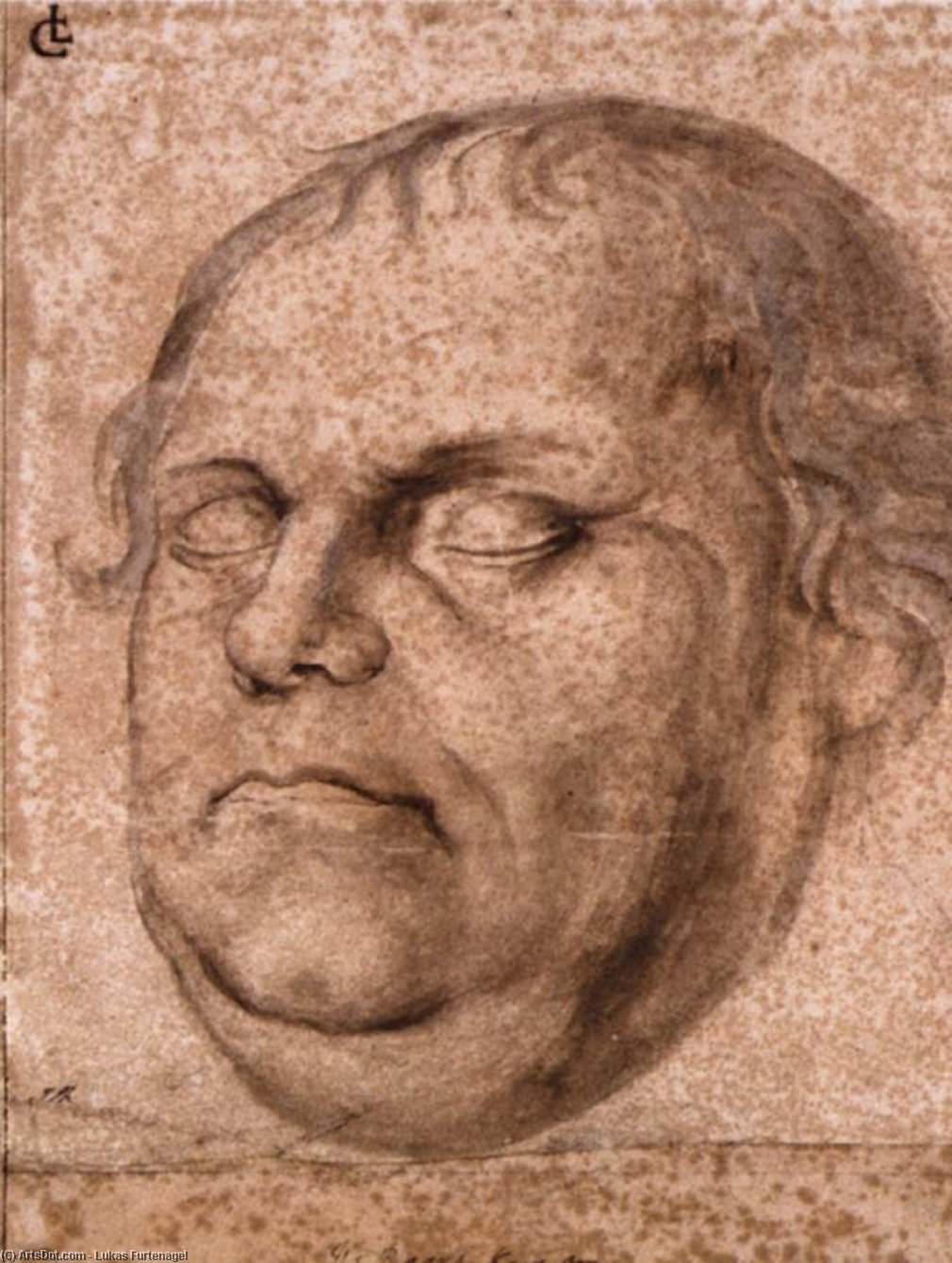
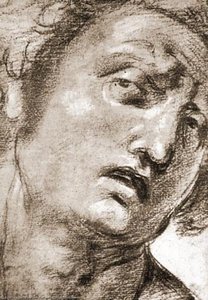
Портрет скица Мартина Лутера мртвог


 Pročitaj više
Kupite digitalnu sliku visoke rezolucije i poboljšanog kvaliteta, koja je znatno superiornija od onoga što vidite u online prikazu.
Svaka datoteka je pedantno pripremljena od strane naših stručnjaka koristeći napredne alate i profesionalnu ručnu retušu. Osiguravamo da svaka slika ima izuzetnu oštrinu, preciznu reprodukciju boja i fine detalje.
Konačna datoteka se dostavlja putem e-pošte u roku od 72 sata, optimizovana za neposrednu upotrebu u profesionalnim, izdavačkim i štamparskim okruženjima. To je isti kvalitet kojem veruju vrhunski studiji dizajna, izdavači i galerije.
Digitalna slika
Preuzmite datoteku visoke rezolucije za ličnu upotrebu, štampanje i kreativne projekte. ( Kupi print Kupi ručno naslikanu sliku)
Uključeno uz svaku porudžbinu digitalne slike
Profesionalna digitalna isporuka, zagarantovana
Kada odaberete ArtsDot.com, ne dobijate samo sliku – vi primate profesionalno unapređeno digitalno umetničko delo, izrađeno sa najvećom preciznošću i uz garanciju zadovoljstva. Evo svega što automatski dolazi uz vašu porudžbinu:

Brza dostava putem e-pošte
Vaša digitalna slika visoke rezolucije biće vam poslata putem e-pošte u roku od 72 sata od poručivanja – spremna za trenutnu upotrebu.

Digitalna datoteka unapređena veštačkom inteligencijom
Vaše umetničko delo je profesionalno optimizovano korišćenjem naprednih AI alata i ručne obrade, čime se osiguravaju maksimalni detalji, oštrina i preciznost boja.

Besplatna ponovna isporuka doživotno
Slučajno ste obrisali ili izgubili svoju datoteku? Ne brinite – poslaćemo vam je ponovo u bilo kom trenutku, potpuno besplatno.

Bez troškova uvoza – zauvek
Uživajte u svojim umetničkim delima trenutno, bez carine, dažbina ili troškova dostave – digitalni download je uvek bez poreza.

Garancija vernosti boja
Uz pomoć profesionalnih alata i upravljanja bojama, osiguravamo da vaša digitalna slika što vernije odražava originalne boje.

Garancija zadovoljstva od 100 dana
Ako niste zadovoljni svojom digitalnom slikom, izvršićemo reviziju ili ćemo vam vratiti 100% novca u roku od 100 dana – bez ikakvih pitanja.

100% garancija povrata novca
Niste zadovoljni? Dobijte puni povraćaj novca u roku od 100 dana od prijema digitalne datoteke – bez suvišnih pitanja.

Popusti na velike porudžbine
Kupite 3 slike, uštedite 10% - Kupite 5 slika, uštedite 15% - Kupite 10+ slika, uštedite 20%. Odlično za kreativne projekte, galerije i agencije.
Portrait Sketch of the Dead Martin Luther – A Meditation on Faith and Mortality
Lukas Furtenagel (1505–1546) stands as a pivotal figure in Augsburg’s artistic panorama during the High Renaissance, embodying both the steadfast traditions of medieval craftsmanship and the burgeoning humanist spirit reshaping European culture. Born into a family steeped in artistic heritage—his father, Thoman Furtenagel, himself a respected painter—Lukas’s formative years were immersed in visual arts, nurturing an enduring fascination with observation and representation. This early exposure would profoundly influence his artistic trajectory, shaping him as a draftsman and painter deeply attuned to capturing the complexities of human experience.Early Training and Artistic Roots
His artistic journey commenced at ten under Hans Burgkmair’s tutelage—Augsburg's foremost artist—a relationship that instilled not merely technical prowess but also Burgkmair’s humanist worldview and stylistic innovations. This blend would characterize Furtenagel’s oeuvre, demonstrating a masterful synthesis of classical ideals and regional artistic sensibilities. Burgkmair’s influence is palpable in Furtenagel’s meticulous attention to detail and his ability to convey emotion through subtle shading—characteristics that elevate his work beyond mere depiction.A Moment Frozen in Time: The Luther Portrait
The execution of Martin Luther's portrait marks a singular achievement in Furtenagel’s oeuvre. Completed shortly after Luther’s demise in February 1546, this drawing transcends the boundaries of simple likeness; it embodies a profound psychological exploration—a testament to Furtenagel’s unparalleled skill in portraying human emotion with breathtaking accuracy. The artist skillfully employed chiaroscuro—the dramatic interplay of light and shadow—creating an image that simultaneously celebrates marital harmony and confronts the inescapable reality of mortality. As evidenced by reproductions undertaken by Lucas Cranach the Younger, this portrait continues to inspire admiration for its masterful draughtsmanship and emotive power.Burgkmair’s Companion: A Portrait of Partnership
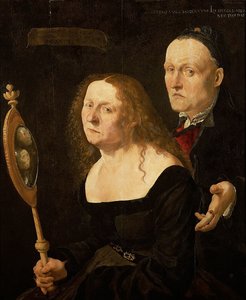
Alongside Luther's depiction, Furtenagel produced his double portrait of Hans Burgkmair and Anna Allerlai—a masterpiece showcasing the artist’s mastery of chiaroscuro. This artwork captures a serene moment of domestic tranquility, illuminated by soft light that highlights the subjects’ faces and expressions. The composition reflects the humanist ideals prevalent during the Renaissance, emphasizing beauty, balance, and intellectual contemplation.Legacy and Influence
Lukas Furtenagel's contribution to Renaissance art is undeniable; he remains an artist whose evocative portraits continue to captivate audiences centuries later. His meticulous draughtsmanship—particularly evident in Luther’s portrait—established a precedent for psychological realism that would resonate throughout the Baroque era, securing his place as one of Augsburg’s most distinguished artistic voices. Furtenagel's legacy serves as inspiration for artists today—a testament to his profound understanding of human psychology and his unwavering dedication to capturing the essence of his subjects.- Artist: Lukas Furtenagel
- Born Year: 1505
- Death Year: 1546
- Birth City: Augsburg
- Birth Country: Germany
Srodna umetnička dela
Biografija umetnika
A Legacy Etched in Shadow and Light
In the vibrant, intellectually churning atmosphere of the German High Renaissance, few names evoke as much poignant mystery as Lukas Furtenagel. Born in 1505 within the storied city of Augsburg, Furtenagel was a child of the brush, raised in a lineage of creators where art was not merely a profession but a way of life. As the son of the painter Thoman Furtenagel, his early years were steeped in the technical rigors and aesthetic ambitions of the Holy Roman Empire. By the tender age of ten, his talent had already garnered the attention of the era's giants, leading to an apprenticeship under the legendary Hans Burgkmair. This formative bond did more than teach him the mechanics of pigment and parchment; it introduced him to a humanist worldview that sought to find profound meaning within the fleeting nature of human existence.
Furtenagel’s journey was one of movement and intellectual encounter, tracing a path through the most significant cultural shifts of the sixteenth century. His brief sojourn in Wittenberg brought him into the orbit of the Reformation, an era where the power of the image was being radically redefined by religious fervor. This period of his life, characterized by the influence of the workshop of Lucas Cranach the Elder, infused his work with a sense of gravity and spiritual weight. As he moved between the artistic hubs of Augsburg and Halle, Furtenagel developed a style that sat at the delicate intersection of traditional craftsmanship and the burgeoning psychological depth of the Renaissance portrait.
The Mirror of Mortality
While the surviving oeuvre of Furtenagel is remarkably sparse, the works that remain possess an arresting, almost haunting intensity. He was a master of the vanitas theme—the artistic meditation on the inevitability of death and the transience of life. One of his most profound achievements, long debated by historians, is the double portrait of Hans Burgkmair and his wife Anna. In this striking composition, the couple is reflected in a hand-mirror not as vibrant living figures, but as skeletal reminders of mortality. Through subtle use of light and a chillingly precise execution, Furtenagel utilized the mirror to force a confrontation with the self, embodying the inscription "Recognize thyself/o death/hope of the world."
This preoccupation with the threshold between life and death reached its most iconic expression in his final, most famous undertaking. In 1546, following the passing of the monumental figure Martin Luther, Furtenagel was summoned to Eisleben. Tasked with capturing the likeness of the reformer, he arrived to find Luther already interred. Yet, through his sketches and drawings, Furtenagel achieved something far more enduring than a mere anatomical record. He captured the profound stillness of a departed icon, creating a visual eulogy that would serve as the foundational blueprint for subsequent masters, including Lucas Cranach the Younger. His ability to translate the heavy silence of death into a compelling visual narrative remains his most significant contribution to the history of European portraiture.
Historical Significance and Artistic Echoes
The importance of Lukas Furtenagel lies not in the sheer volume of his output, but in the emotional resonance and historical weight of his surviving fragments. He stands as a bridge between the medieval preoccupation with religious symbolism and the Renaissance focus on individual human experience. His life and work reflect the turbulent transitions of his age—the rise of Protestantism, the expansion of humanist thought, and the refinement of German printmaking and painting techniques.
To study Furtenagel is to witness the following artistic hallmarks:
- Technical Mastery: A profound ability to use light and shadow to convey psychological depth and spiritual solemnity.
- Humanist Influence: The integration of complex philosophical themes, such as memento mori, into portraiture.
- Historical Impact: Providing the essential visual documentation for some of the most pivotal figures of the Reformation.
- Legacy of Observation: A dedication to capturing the raw, unvarnished truth of the human condition, even in its final moments.
Though his career was cut short by his untimely death in 1546, Furtenagel left an indelible mark on the German Renaissance. He remains a vital figure for any student of art history, representing that rare breed of artist who could capture both the grandeur of the human spirit and the quiet, inevitable approach of its end.
lukas furtenagel
1505 - 1546 , Germany
Kratke činjenice
- Artistic Movement Or Style: Renaissance Art
- Artists Or Movements Influenced By This Artist: ['Lucas Cranach the Elder']
- Artists Who Influenced This Artist: ['Hans Burgkmair']
- Date Of Birth: Augsburg, Germany (1505)
- Date Of Death: ca. 1546
- Full Name: Lukas Furtenagel
- Nationality: German
- Notable Artworks:
- Portrait of Hans Burgkmair and his Wife Anna before a Mirror
- Dead Martin Luther
- Place Of Birth: Augsburg