

 Pošalji
 Podeli
 Detalji o delu

 Преузми
 Slični predmeti
 Slajdovi
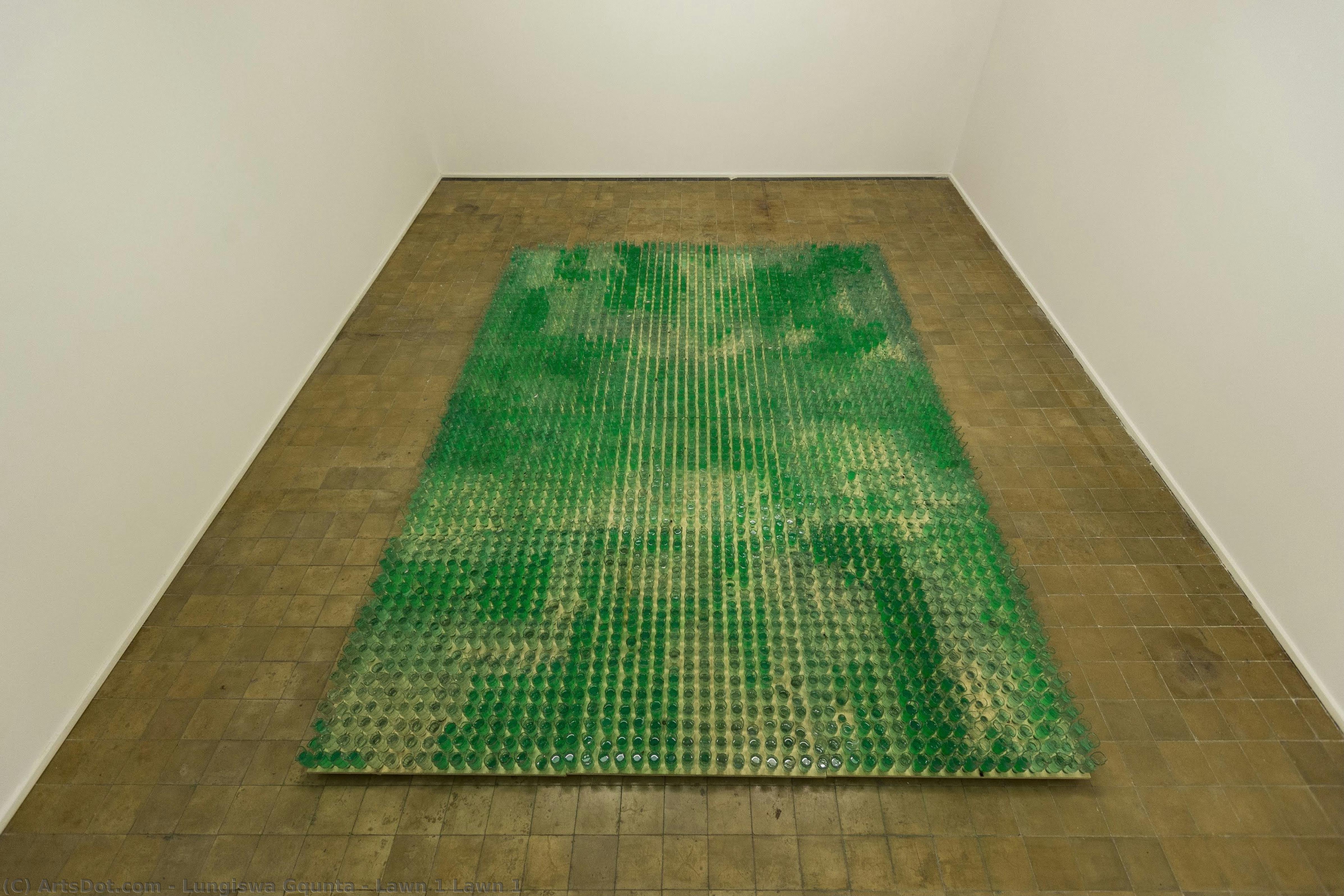
Lawn 1 Lawn 1
 Found Object Art
- Contemporary Art
 2016
2016- Contemporary
 25.0 x 484.0 cm
 15. Istanbul Bienale
 Pročitaj više
Ručno rađena uljana reprodukcija
Ručno oslikano uljanim bojama na platnu u dimenzijama i okviru po vašem izboru, izrađeno po porudžbini od strane naših umetnika. ( Kupi print Kupi digitalnu sliku)




































Izaberite jednu od naših unapred definisanih veličina koje odgovaraju originalnim proporcijama umetničkog dela.

Можете унети сопствене димензије како бисте прилагодили дело одређеном оквиру или простору. Ако одабрана величина не одговара пропорцијама оригинала, слика ће бити исечена или проширена додатним елементима који се ручно насликавају. Дигитални prikaz ће вам бити послат на одобрење пре почетка производње.
Имајте на уму да преглед на екрану не одражава стварно исецање или проширење. Само приказ (mockup) ће тачно приказати коначну композицију.
Иако су доступне прилагођене величине, препоручујемо да одаберете димензију из дефинисане листе како бисте сачували оригиналне пропорције.
Nakon narudžbine, tim ArtsDot.com će klijentu putem e-pošte poslati uputstva i dostaviti prikaz predloženog rešenja
Isporuka širom sveta () za 3/4 nedelje umesto uobičajenih 5 nedelja. (7 септембар). Bez kompromisa po pitanju kvaliteta.

Besplatna ekspresna dostava širom sveta

Visokokvalitetno laneno platno

Kompletno osiguranje transporta

Garancija povraćaja carine i uvoznih dažbina

Garancija vernosti boja

Politika povraćaja u roku od 100 dana (isključivo u slučaju nedostataka)

Garancija povrata novca od 100%

Popust pri grupnoj kupovini
 Opcija sa staklom dostupna je samo za dimenzije manje od 110 cm

Lawn 1 Lawn 1
Tehnika reprodukcije
Dimenzije reprodukcije
-


Konačna cena
$ 263
A Landscape of Broken Memories
In the evocative work Lawn 1 Lawn 1, South African sculptor Lungiswa Gqunta invites viewers into a profound meditation on the fractures of history and the enduring scars of social engineering. At first glance, the piece presents a striking visual rhythm of green and yellow hues, reminiscent of a manicured garden or a lush, verdant expanse. However, as one draws closer to this textured installation, the illusion of a peaceful domesticity dissolves into a poignant confrontation with reality. The "lawn" is not composed of organic blades of grass, but rather an intricate, unsettling mosaic of inverted, broken glass bottles meticulously arranged upon a wooden plate. This masterful use of found objects transforms a familiar domestic symbol into a site of intense psychological and political inquiry.
The technique employed by Gqunta is as much about the archaeology of the everyday as it is about sculptural form. By utilizing discarded commodities—specifically glass bottles—the artist bridges the gap between high art and the visceral debris of urban life. The shimmering, translucent quality of the glass catches the light, creating a deceptive beauty that masks the underlying violence of the medium. This tension between the aesthetic allure of the colors and the sharp, dangerous edges of the broken shards serves as a powerful metaphor for the complexities of post-Apartheid South Africa, where the surface of progress often conceals deep-seated structural wounds.
Symbolism and the Architecture of Inequality
To understand Lawn 1 Lawn 1 is to engage with the heavy weight of South African history. Gqunta utilizes the concept of the "lawn" as a potent symbol of racial privilege and class distinction. In the era of Apartheid, the manicured lawn was a hallmark of affluent white domesticity, representing security, prosperity, and a controlled environment. By reconstructing this symbol out of broken glass, Gqunta subverts the notion of the garden as a sanctuary. The upturned bottles evoke the jagged glass often placed atop garden fences to deter intruders, signaling a landscape defined by borders, policing, and the fear of the "other."
Beyond the architectural implications, the choice of material carries layers of socio-economic meaning. The bottles serve as ghosts of global capitalism and the colonial trade routes that brought alcohol to Africa, a commodity inextricably linked to the history of the slave trade. Furthermore, the shattered glass subtly alludes to the volatility of recent civil unrest, where such objects have been repurposed into petrol bombs during riots. Through these layers, the artwork becomes a vessel for exploring themes of dispossession, the corrosive nature of commodities, and the persistent proximity of violence to the boundaries of private property.
An Essential Piece for the Discerning Collector
For collectors and interior designers, Lawn 1 Lawn 1 offers much more than a visually arresting installation; it provides a profound conversational centerpiece that demands intellectual engagement. The work’s unique texture and vibrant color palette make it an extraordinary choice for spaces that value contemporary narrative art. Whether displayed in a gallery setting or as a focal point in a sophisticated modern interior, the piece commands attention through its ability to balance aesthetic brilliance with deep, socio-political resonance.
Owning a high-quality reproduction of Gqunta’s vision allows for the appreciation of this complex interplay of light, color, and history within one's own collection. It is an invitation to contemplate the resilience of the human spirit amidst the fragments of a broken past, making it an invaluable acquisition for those seeking art that is both visually captivating and intellectually transformative.
Srodna umetnička dela
Povezani članci
Verdant Visions: Exploring the Symbolism & Aesthetic Impact of Green in Art History
Explore the rich history & symbolism of green in art! Discover iconic paintings, techniques, and how to bring verdant harmony into your home with ArtsDot's expert guide.
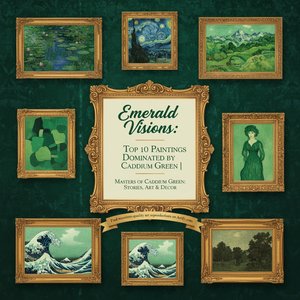
Emerald Visions: Top 10 Paintings Dominated by Cadmium Green |
Explore 10 iconic paintings where cadmium green reigns supreme! From Monet to Van Gogh, discover the stories behind these masterpieces & the power of color. Find museum-quality art reproductions and elevate your home decor on .
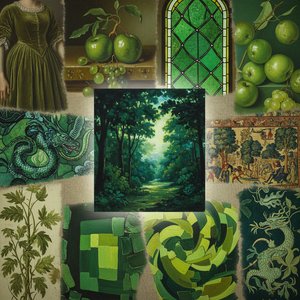
Chrome Green Masterpieces: 10 Famous Paintings & Their Alluring Hues |
Explore 10 famous paintings where 'Chrome Green' reigns supreme! Discover Monet, Manet & Van Gogh’s masterpieces. Learn the stories behind these iconic artworks and find museum-quality art reproductions for your home at .
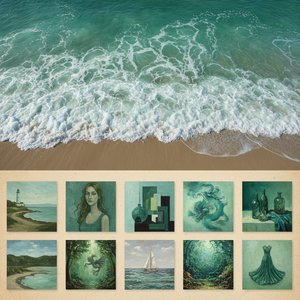
Seafoam & Masterpieces: 10 Paintings Dominated by Medium Sea Green | ArtsDot
Dive into serenity with 10 famous paintings bathed in calming medium sea green. Explore Impressionist masterpieces by Monet, Degas & Renoir. Find museum-quality art reproductions and elevate your home decor at ArtsDot.com.
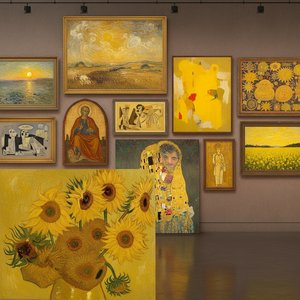
Golden Hues: 10 Masterpieces Dominated by Chrome Yellow | ArtsDot
Immerse yourself in golden light! Explore 10 famous paintings dominated by 'Chrome Yellow', from Van Gogh’s Sunflowers to Monet's Haystacks. Discover the stories behind these iconic Impressionist & Post-Impressionist masterpieces and find museum-quality art reproductions at ArtsDot.com.