

 Pregledaj u prostoru
 Pošalji
 Podeli
 Detalji o delu

 Преузми
 Slični predmeti
 Rendgenski snimak
 Slajdovi
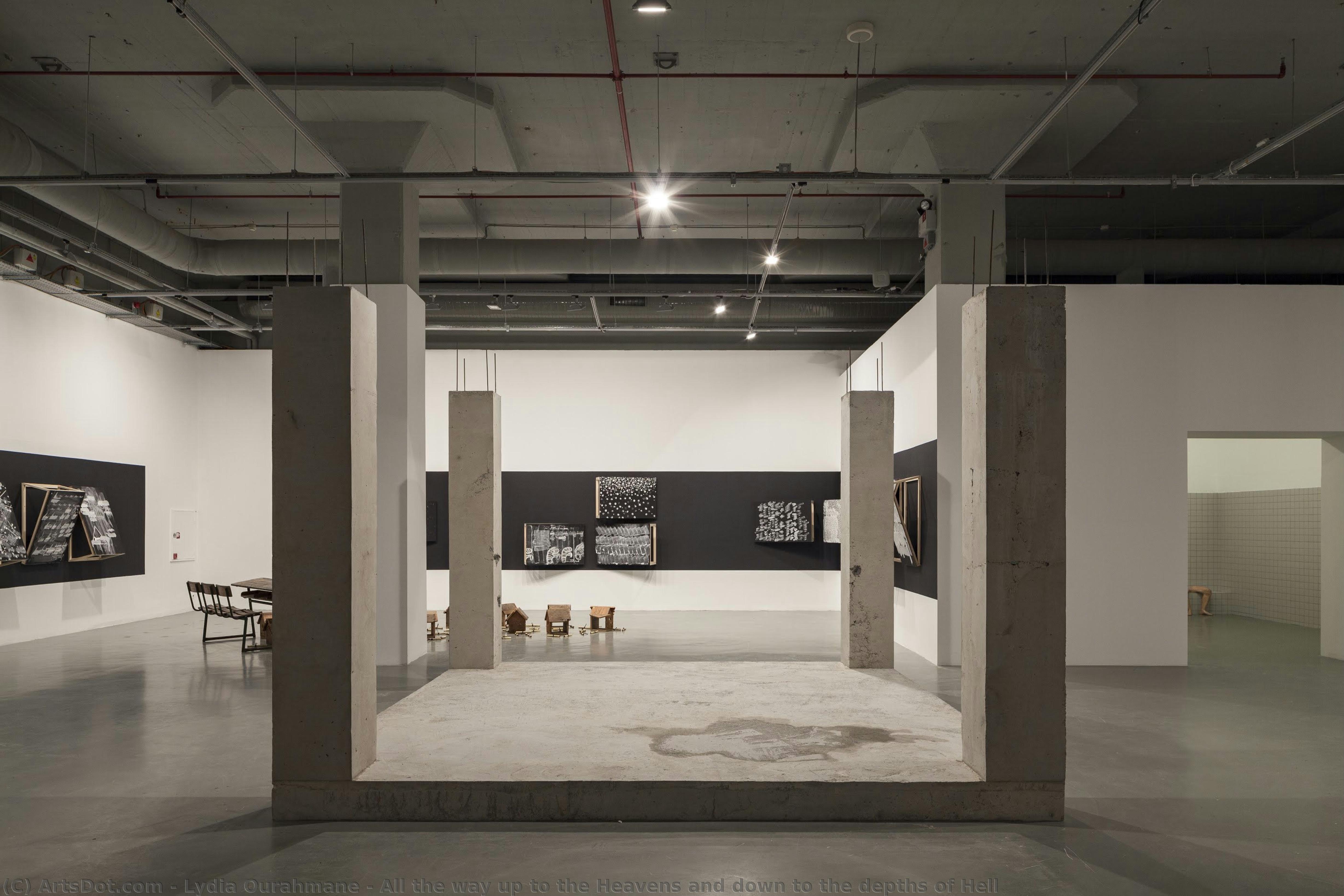
All the way up to the Heavens and down to the depths of Hell
 2017
2017 280.0 x 400.0 cm
 15. Istanbul Bienale
 Pročitaj više
Giclee štampa / Umetnički otisak
Giclée štampa ili print na platnu muzejskog kvaliteta uz brzu proizvodnju i fleksibilne opcije završne obrade. ( Kupi ručno naslikanu sliku Kupi digitalnu sliku)




































Izaberite jednu od naših unapred definisanih veličina koje odgovaraju originalnim proporcijama umetničkog dela.

Možete uneti sopstvene dimenzije kako biste umetničko delo prilagodili specifičnom okviru ili prostoru. Ako odabrani format ne odgovara proporcijama originalne slike, mi ćemo ili iscrtati deo dela ili proširiti sliku pomoću ogledane ivice ili jednobojnog popunjavanja. Digitalni prikaz će vam biti poslat na odobrenje pre početka proizvodnje.
Imajte na umu da pregled na ekranu ne odražava stvarno iscrtavanje ili proširivanje. Samo će prikaz (mockup) precizno pokazati finalnu kompoziciju.
Iako su prilagođene dimenzije dostupne, preporučujemo da odaberete dimenziju sa unapred definisane liste kako biste očuvali originalne proporcije.
Dostava širom sveta () za 2 nedelje umesto uobičajenih 4/5 nedelja. (25 август)

Besplatna ekspresna dostava širom sveta

Visokokvalitetno laneno platno

Kompletno osiguranje transporta

Garancija povraćaja carine i uvoznih dažbina

Garancija vernosti boja

Politika povrata u roku od 60 dana (samo u slučaju nedostataka)

Garancija povrata novca od 100%

Popust pri grupnoj kupovini
 Opcija sa staklom dostupna je samo za dimenzije manje od 110 cm

All the way up to the Heavens and down to the depths of Hell
Giclee štampa / Umetnički otisak
Dimenzije reprodukcije
-


Konačna cena
$ 62
Opis predmeta
Srodna umetnička dela









Biografija umetnika
The Echoes of Displacement and Identity
Lydia Ourahmane’s artistic practice is an intricate tapestry woven from the threads of memory, geopolitics, and the visceral realities of a world in flux. Born in 1992 amidst the turbulent landscape of Saïda, Algeria, her early life was shaped by the profound complexities of the Algerian Civil War. Growing up within a Christian commune in Arzew, Ourahmane developed a unique sensitivity to the social dynamics and political upheavals that define postcolonial existence. This formative period, marked by the shadows of military fundamentalism and the heavy legacies of independence, instilled in her a deep preoccupation with how historical narratives are etched onto both the individual body and the collective consciousness. Her work does not merely observe these tensions; it inhabits them, using sound, sculpture, and installation to explore the profound sense of displacement that characterizes the contemporary human condition.
The Art of Bureaucratic Defiance
It was during her formal education at Goldsmiths University London that Ourahmane’s conceptual prowess truly began to manifest, transforming administrative obstacles into profound artistic statements. She achieved international recognition through her groundbreaking installation, The Third Choir, a work that utilized twenty oil barrels sourced from the Algerian national petroleum company, Naftal. This project was far more than a sculptural feat; it was a deliberate act of defiance against the rigid governmental restrictions on the movement of cultural assets within Algeria. In a remarkable intersection of art and law, Ourahmeane navigated the labyrinthine bureaucratic processes to facilitate the legal departure of this work from Algerian borders, an achievement made possible through a specific amendment to the Finance Act 2014. This mastery of logistics—treating the very machinery of the state as a medium for social critique—has become a hallmark of her oeuvre. The significance of this achievement was cemented when the Tate Gallery acquired The Third Choir, marking a pivotal moment in her career and establishing her as a formidable voice in contemporary art.
Global Landscapes and Monumental Narratives
As her practice has expanded, Ourahmane has moved toward even more monumental scales, addressing the environmental and affective legacies of land ownership and colonialism. Her contribution to the 15th Istanbul Biennial, titled All the way up to the Heavens and down to the depths of Hell, serves as a poignant example of her ability to bridge the local with the global. By recreating a specific, contaminated plot of land from Arzew within the gallery space, she forced a confrontation with the realities of industrial pollution and the corrupt practices of real estate. Her work continues to resonate on the world's most prestigious stages, leaving an indelible mark on the contemporary art canon through her presence in:
- The 60th Venice Biennale, where her explorations of identity reached a global audience;
- The Gwangju Biennale and the Istanbul Biennial, showcasing her command over large-scale installation;
- The New Museum Triennial and Manifesta 12, further cementing her role as an innovator of conceptual boundaries.
Through a meticulous blend of soundscapes, heavy materials, and historical investigation, Lydia Ourahmane continues to challenge institutional structures, inviting us to reconsider the ways in which migration, power, and memory shape our shared reality.
lydia ourahmane
1992 - , Algeria
Osnovne informacije
- Artistic Movement Or Style: Conceptual Art
- Artists Or Movements Influenced By This Artist: ['']
- Artists Who Influenced This Artist: ['']
- Date Of Birth: 1992
- Full Name: Lydia Ourahmane
- Nationality: Algerian
- Notable Artworks:
- All the way up to the Heavens and down to the depths of Hell
- Barzakh
- Place Of Birth: Sidi Bel Abbès, Algeria

