

 Pregledaj u prostoru
 Pošalji
 Podeli
 Detalji o delu

 Преузми
 Slični predmeti
 Rendgenski snimak
 Slajdovi
 Stats
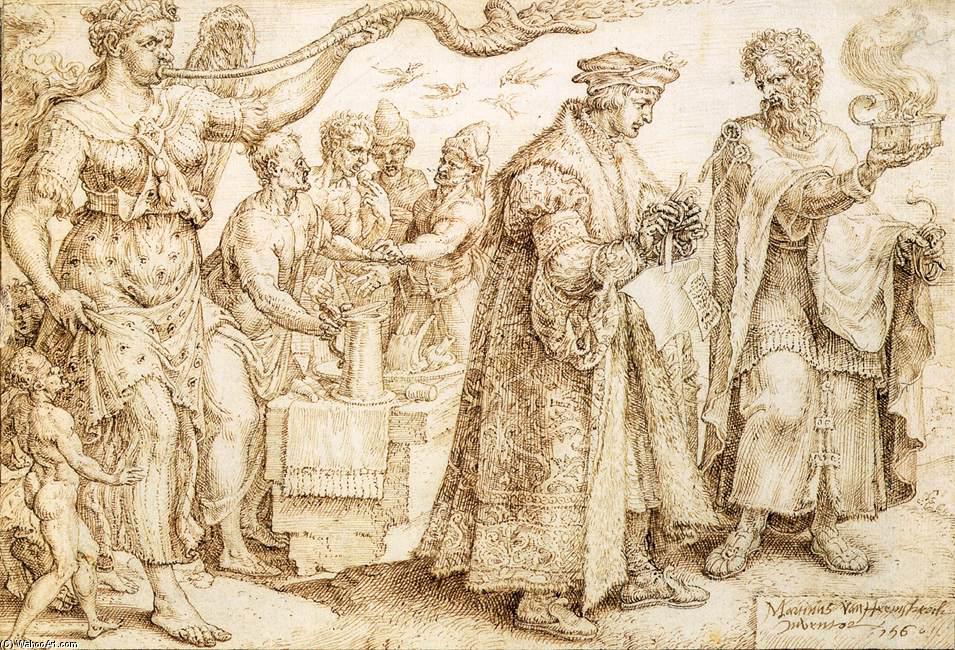
StatsThe Unhappy Lot of the Rich
 Oil On Canvas
- WallArt
- Dutch Renaissance
 1560
1560 161.0 x 232.0 cm
 Rijksmuseum
 Pročitaj više
Ručno rađena uljana reprodukcija
Ručno oslikano uljanim bojama na platnu u dimenzijama i okviru po vašem izboru, izrađeno po porudžbini od strane naših umetnika. ( Switch to Print Switch to Digital Image)




P118B $10

P118H $10

P118W $10

P438Z $10

P508JH $12

P508YH $12

P805H $10

P805Z $10

P919BZ $10

P919G $10

P919XJ $10

P959ZH $10

P968JZ $12

W106C $8

W218G $10

W218JH $8

W218Y $10

W307PJ $10

W316G $10

W316PJ $8

W316Y $10

W398PJ $8

W4111J $10

W500HY $15

W500JH $15

W692G $12

W849H $8

W940BG $15

W953PJ $8




Izaberite jednu od naših unapred definisanih veličina koje odgovaraju originalnim proporcijama umetničkog dela.

Можете унети сопствене димензије како бисте прилагодили дело одређеном оквиру или простору. Ако одабрана величина не одговара пропорцијама оригинала, слика ће бити исечена или проширена додатним елементима који се ручно насликавају. Дигитални prikaz ће вам бити послат на одобрење пре почетка производње.
Имајте на уму да преглед на екрану не одражава стварно исецање или проширење. Само приказ (mockup) ће тачно приказати коначну композицију.
Иако су доступне прилагођене величине, препоручујемо да одаберете димензију из дефинисане листе како бисте сачували оригиналне пропорције.
Nakon narudžbine, tim ArtsDot.com će klijentu putem e-pošte poslati uputstva i dostaviti prikaz predloženog rešenja
Isporuka širom sveta () za 3/4 nedelje umesto uobičajenih 5 nedelja. (8 септембар). Bez kompromisa po pitanju kvaliteta.

Besplatna ekspresna dostava širom sveta

Visokokvalitetno laneno platno

Kompletno osiguranje transporta

Garancija povraćaja carine i uvoznih dažbina

Garancija vernosti boja

Politika povraćaja u roku od 100 dana (isključivo u slučaju nedostataka)

Garancija povrata novca od 100%

Popust pri grupnoj kupovini
 Opcija sa staklom dostupna je samo za dimenzije manje od 110 cm

The Unhappy Lot of the Rich
Tehnika reprodukcije
Dimenzije reprodukcije
-


Konačna cena
$ 263
A Window Into Renaissance Holland: Examining Maerten Van Heemskerck’s “The Unhappy Lot of the Rich”
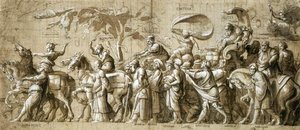
“The Unhappy Lot of the Rich,” executed in 1560 by Maerten van Heemskerck, transcends mere visual representation; it stands as a poignant emblem of the anxieties and aspirations characterizing Renaissance Holland. This meticulously crafted pen drawing, currently residing within the Rijksmuseum’s esteemed collection in Amsterdam, offers an unparalleled glimpse into the socio-political landscape of its time—a period marked by burgeoning wealth alongside simmering tensions between religious factions and royal authority.The Artist's Vision: Style and Technique
Van Heemskerck’s artistic prowess is immediately evident in his masterful command of line and shading. Unlike the opulent brushstrokes favored by many contemporaries, he opted for a deliberate restraint, prioritizing clarity and precision to convey emotion through subtle tonal variations. The drawing’s technique—characterized by delicate hatching and cross-hatching—captures not only the physical contours of the figures but also their psychological states with remarkable sensitivity. This approach aligns seamlessly with the broader stylistic trends emerging from Italy during the Renaissance, where artists like Leonardo da Vinci championed disegno (drawing) as a foundational element of artistic expression. The artist’s meticulous attention to detail – from the folds of clothing to the expressions on each face – underscores his commitment to realism and elevates “The Unhappy Lot of the Rich” beyond a simple depiction; it aspires to communicate an inner truth.Historical Context: Reflections of Reformation Concerns
Painted amidst the turbulent backdrop of the Protestant Reformation, “The Unhappy Lot of the Rich” serves as more than just a portrait—it’s a commentary on societal anxieties. The scene portrays twelve men engaged in conversation, their postures conveying both confidence and apprehension. Their attire – opulent fabrics and elaborate jewelry – symbolizes the conspicuous consumption prevalent among the wealthy elite, highlighting the moral dilemmas inherent in accumulating material possessions during a time of religious upheaval. Scholars interpret the composition as reflecting anxieties about papal influence and questioning the legitimacy of royal power—themes central to the debates unfolding across Europe. The drawing’s placement within the Rijksmuseum underscores its significance as a product of this transformative era, demonstrating how art served as both a reflection and catalyst for intellectual and spiritual discourse.Symbolism: Layers of Meaning Beyond Appearance
Beyond its surface realism lies a rich tapestry of symbolic representation. Each figure embodies specific virtues or vices—a deliberate strategy employed by Renaissance artists to convey moral lessons. The positioning of the men, mirroring classical architectural principles, reinforces notions of hierarchy and order – concepts deeply ingrained in humanist thought. Furthermore, the subtle shading techniques used by Van Heemskerck contribute to an overall atmosphere of melancholy and contemplation, suggesting that true happiness lies not merely in material success but in spiritual fulfillment. The artist’s intention was to provoke introspection and encourage viewers to consider the ethical implications of their own pursuits.Emotional Resonance: Capturing Human Experience
“The Unhappy Lot of the Rich” succeeds in capturing the complexities of human experience—the anxieties, ambitions, and moral dilemmas that define our engagement with the world around us. The artist’s ability to convey emotion through gesture and facial expression is particularly noteworthy, inviting viewers to empathize with the figures depicted. It's a portrait not just of men, but of their inner lives, reflecting the humanist preoccupation with understanding human psychology. This enduring fascination with portraying human emotions—a hallmark of Renaissance art—continues to resonate with audiences today, cementing “The Unhappy Lot of the Rich”’s place as a masterpiece of Dutch artistic heritage.Concluding Thoughts: A Legacy of Artistic Innovation
Maerten van Heemskerck's "The Unhappy Lot of the Rich" remains an extraordinary achievement, demonstrating how art can illuminate historical context and explore profound philosophical ideas. Its meticulous technique, symbolic depth, and emotional resonance solidify its position as a cornerstone of Renaissance Dutch painting—a testament to Van Heemskerck’s enduring legacy and his contribution to the artistic canon.Srodna umetnička dela
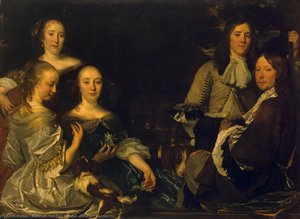
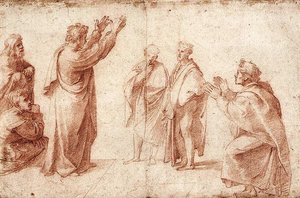
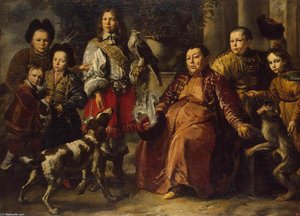
Biografija umetnika
rani razvoj i obuka
Maerten van Heemskerck, istaknuti holandski portretista i religiozni slikar, rođen je 1. juna 1498. godine u selu Heemskerk, u Severnoj Holandiji. Njegovo umetničko putovanje počelo je pod vođstvom Corneliusa Willemsza u Haarlemu, nakon čega je usledio kratak boravak u Delftu kod Jana Lucasa. Na kraju, postao je učenik Jana van Scorela, usvajajući stil svog učitelja koji je bio snažno pod uticajem Italije.ključni momenti u karijeri
- Rad Maertena van Heemskercka odlikuje inovativni spoj holandskih i italijanskih uticaja, što se jasno vidi u njegovom čuvenom porodičnom portretu, koji se smatra prvim u dugoj tradiciji holandskih porodičnih slika.
- Njegova saradnja sa Antoniom da Sangallom Mlađim, Battistom Francom i Francesco de' Rossijem (Il Salviati) na dekoraciji Porta San Sebastiano u Rimu, trijumfalnog luka u čast Karla V, svedoči o njegovoj brzini i veštini kao scenografa.
- Heemskerckovi crteži klasične skulpture i arhitekture, koji se danas čuvaju u dve skicarnice u Kupferstichkabinett Berlin, demonstriraju njegovu sposobnost da uhvati samu suštinu italijanske umetnosti.
značajna dela i nasleđe
- Donator i Sveta Marija Magdalena (pogledajte na ArtsDot)
- Devica i Sveti Jovan Evangelista (pogledajte na ArtsDot)
- Samson ruši stubove hrama, Maarten van Heemskerck (pogledajte na ArtsDot)
zaključak
Maerten van Heemskerck-ov duboki uticaj na svet umetnosti je neosporan. Njegova dela, koja su danas deo raznih muzejskih kolekcija, uključujući Rijksmuseum, nastavljaju da inspirišu umetnike i ljubitelje umetnosti podjednako. Da biste istražili još njegovih remek-delа, posetite stranicu Maertena van Heemskercka na ArtsDot. Za dublje razumevanje njegovog života i dela, pogledajte njegovu biografiju na Wikipediji.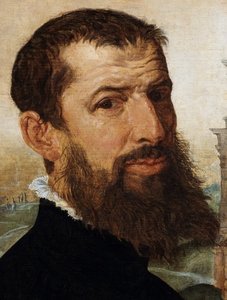
Maerten Van Heemskerck
1498 - 1574 , Holandija
Osnovne informacije
- Artistic Movement Or Style: Manirizam
- Artists Who Influenced This Artist:
- Jan van Scorel
- Antonio da Sangallo mlađi
- Date Of Birth: 1. jun 1498.
- Date Of Death: 1. oktobar 1574.
- Full Name: Maerten Jacobsz van Heemskerck
- Nationality: Holandski
- Notable Artworks:
- Jalovanj nad mrtvim Hristom
- Pieter Jan Foppeszoon i njegova porodica
- Hrist kao čovek patnje
- Place Of Birth: Heemskerk, Holandija
Povezani članci

Barok Majstor dela: Top 10 Umjetničkih Remeka za Vaš Dom
Otkrijte 10 remek dela koja su definisala baroknu umetnost! Karavagio, Bernini i više – istražite priče iza ovih ikoničnih slika. Inspiracija za vaš dom? Pogledajte kolekciju na ArtsDot.com!

Dutch Baroque Masters: 10 Paintings That Shaped an Era | ArtsDot
Journey through the Golden Age with our guide to the Top 10 Dutch Baroque masterpieces! Explore iconic paintings by Rembrandt, Vermeer & Frans Hals. Find museum-quality art reproductions and elevate your home decor at ArtsDot.com.

Golden Age Reflections: Dutch Baroque Painting & Cultural Innovation
Explore the Dutch Golden Age of painting! Discover key artists like Vermeer & ter Borch, their innovative techniques, and the rich cultural context behind these Baroque masterpieces. Learn about collecting & appreciating this iconic art period.

Illuminating Innovation: Exploring the Dutch Golden Age of Painting
Explore the Dutch Golden Age of painting with ArtsDot. Discover Rembrandt, Vermeer & other Masters. Learn about key characteristics, iconic artworks, and lasting influence. Expert insights for collectors & enthusiasts.

Барокна драма: Уношење величине и емоција у савремене ентеријере
Откријте барокну драму и унесите величину у ваш ентеријер! ArtsDot нуди ручно насликане репродукције, персонализоване портрете и стручне консултације за љубитеље класичне уметности. Потражите савршено дело већ данас!