

 Pregledaj u prostoru
 Pošalji
 Podeli
 Detalji o delu

 Преузми
 Slični predmeti
 Rendgenski snimak
 Slajdovi
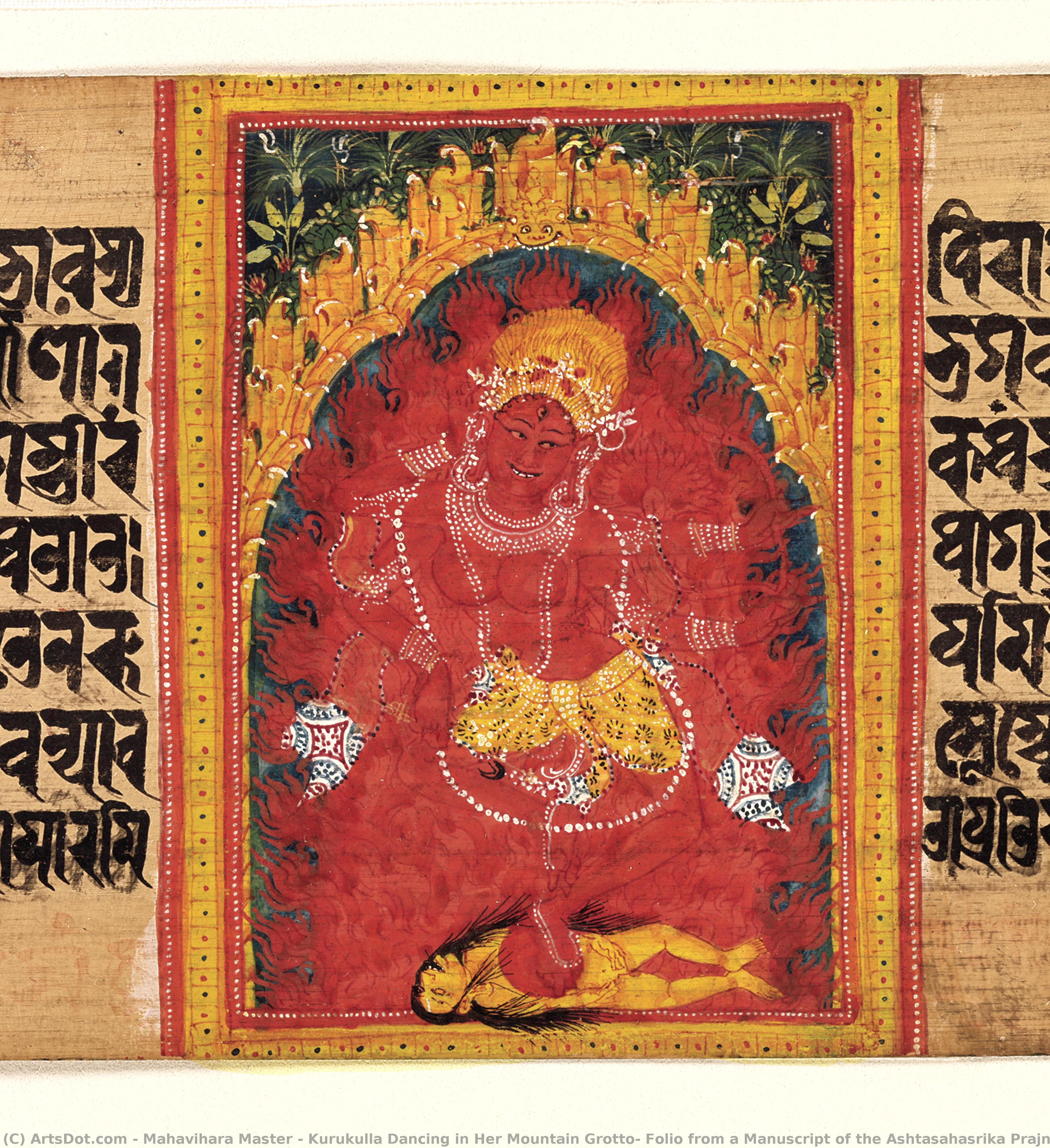
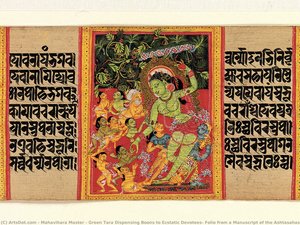
Kurukulla Dancing in Her Mountain Grotto: Folio from a Manuscript of the Ashtasahasrika Prajnaparamita (Perfection of Wisdom)
 Watercolor
- WallArt
- Pala Art
 1101
1101- High Medieval
 7.0 x 42.0 cm
 Pročitaj više
Kupite digitalnu sliku visoke rezolucije i poboljšanog kvaliteta, koja je znatno superiornija od onoga što vidite u online prikazu.
Svaka datoteka je pedantno pripremljena od strane naših stručnjaka koristeći napredne alate i profesionalnu ručnu retušu. Osiguravamo da svaka slika ima izuzetnu oštrinu, preciznu reprodukciju boja i fine detalje.
Konačna datoteka se dostavlja putem e-pošte u roku od 72 sata, optimizovana za neposrednu upotrebu u profesionalnim, izdavačkim i štamparskim okruženjima. To je isti kvalitet kojem veruju vrhunski studiji dizajna, izdavači i galerije.
Digitalna slika
Preuzmite datoteku visoke rezolucije za ličnu upotrebu, štampanje i kreativne projekte. ( Kupi print Kupi ručno naslikanu sliku)
Uključeno uz svaku porudžbinu digitalne slike
Profesionalna digitalna isporuka, zagarantovana
Kada odaberete ArtsDot.com, ne dobijate samo sliku – vi primate profesionalno unapređeno digitalno umetničko delo, izrađeno sa najvećom preciznošću i uz garanciju zadovoljstva. Evo svega što automatski dolazi uz vašu porudžbinu:

Brza dostava putem e-pošte
Vaša digitalna slika visoke rezolucije biće vam poslata putem e-pošte u roku od 72 sata od poručivanja – spremna za trenutnu upotrebu.

Digitalna datoteka unapređena veštačkom inteligencijom
Vaše umetničko delo je profesionalno optimizovano korišćenjem naprednih AI alata i ručne obrade, čime se osiguravaju maksimalni detalji, oštrina i preciznost boja.

Besplatna ponovna isporuka doživotno
Slučajno ste obrisali ili izgubili svoju datoteku? Ne brinite – poslaćemo vam je ponovo u bilo kom trenutku, potpuno besplatno.

Bez troškova uvoza – zauvek
Uživajte u svojim umetničkim delima trenutno, bez carine, dažbina ili troškova dostave – digitalni download je uvek bez poreza.

Garancija vernosti boja
Uz pomoć profesionalnih alata i upravljanja bojama, osiguravamo da vaša digitalna slika što vernije odražava originalne boje.

Garancija zadovoljstva od 100 dana
Ako niste zadovoljni svojom digitalnom slikom, izvršićemo reviziju ili ćemo vam vratiti 100% novca u roku od 100 dana – bez ikakvih pitanja.

100% garancija povrata novca
Niste zadovoljni? Dobijte puni povraćaj novca u roku od 100 dana od prijema digitalne datoteke – bez suvišnih pitanja.

Popusti na velike porudžbine
Kupite 3 slike, uštedite 10% - Kupite 5 slika, uštedite 15% - Kupite 10+ slika, uštedite 20%. Odlično za kreativne projekte, galerije i agencije.
A Divine Dance of Purification: The Mystical Vision of Mahavihara Master
In the quiet corridors of art history, few works possess the visceral, transformative power found in Kurukulla Dancing in Her Mountain Grotto. Created in 1101 by the legendary Mahavihara Master, this exquisite folio from the Ashtasahasrika Prajnaparamita manuscript serves as a breathtaking window into the spiritual fervor of Pala-era India. The painting captures the goddess Kurukulla in a moment of divine, rhythmic movement, her form a vibrant explosion of crimson and gold against a backdrop that feels both intimate and infinite. To behold this work is to witness more than mere pigment on a surface; it is to enter a sacred ritual where every brushstroke serves as a mantra, inviting the viewer into the profound depths of Vajrayanc Buddhist mysticism.
The composition is anchored by the striking presence of Kurukulla, an emanation of the celestial Buddha Amitabha. She is depicted in a dynamic, dancing pose, her body radiating a fierce yet purifying energy. Surrounded by a halo of flames and poised atop a corpse—a potent symbol of the destruction of the ego and the transcendence of worldly corruption—the goddess embodies the complex duality of Buddhist thought. The artist utilizes a masterful palette dominated by intense reds and luminous yellows, colors that do not merely decorate the scene but actively pulse with life. This chromatic intensity, paired with the intricate, fine-lined patterns of her adornments, creates a visual rhythm that mirrors the very dance she performs, drawing the eye through a labyrinth of sacred geometry and divine grace.
Beyond its aesthetic brilliance, this masterpiece is a profound historical document. Emerging from the monastic traditions of Somapura Mahavihara, the work reflects the zenith of Indian manuscript illumination. The technical precision required to execute such detail on a scale as delicate as 7 x 42 cm speaks to a level of devotion and discipline rarely matched in the annals of art. For the discerning collector or interior designer, a high-quality reproduction of this folio offers more than just a focal point for a room; it brings an atmosphere of contemplative strength and ancient wisdom into a modern space. It is a piece that commands attention through its complexity, offering endless layers of symbolic meaning to those who linger before its fiery, transformative gaze.
Srodna umetnička dela
Biografija umetnika
Mahavihara Master: A Legacy of Buddhist Art from Bengal
Mahavihara Master, a name whispered in the halls of art history and revered within the Buddhist community, stands as one of the most significant figures in the artistic landscape of Pala-era India. Born in Bengaluru, India – though his precise birthdate remains shrouded in the mists of time – he emerged from the rich tradition of monastic painting centered around Somapura Mahavihara in modern-day Bangladesh. His work isn’t merely decorative; it's a profound visual meditation on Buddhist philosophy and practice, offering an intimate glimpse into the spiritual world of 12th-century Bengal.
Little is definitively known about his early life. He likely began his artistic training within the walls of Somapura Mahavihara, a renowned center of learning and artistic production during the Pala dynasty (8th to 12th centuries). This era witnessed a remarkable flourishing of Buddhist art in eastern India, fueled by royal patronage and a deep engagement with Mahayana Buddhism. The Master’s style reflects this environment – a harmonious blend of influences, incorporating elements from earlier Pan-Indian Ajanta styles while simultaneously forging a distinct regional identity.
The Ashtasahasrika Prajnaparamita Sutra: A Foundation for His Art
Mahavihara Master is most celebrated for his meticulous and profoundly moving illustrations of the Ashtasahasrika Prajnaparamita Sutra, a cornerstone text in Mahayana Buddhism. This vast treatise on the perfection of wisdom explores the path to enlightenment through profound contemplation and skillful means. The manuscript he illuminated – now shared between the National Museum in New Delhi and the Los Angeles County Museum of Art – is considered one of the finest examples of Pala-era Buddhist art, showcasing a remarkable level of detail and spiritual depth.
The sheer scale of the project demanded immense patience and skill. Each folio, meticulously rendered on palm leaves, depicts key moments within the sutra’s narrative, often featuring vibrant depictions of Bodhisattvas, deities, and enlightened beings. The Master's approach is characterized by a remarkable sense of volume – figures appear to emerge from the page with startling realism – achieved through subtle shading and masterful use of perspective. His color palette is equally restrained yet evocative, employing earthy tones and delicate washes to convey a profound sense of serenity and grace.
Key Works: Embodiments of Buddhist Wisdom
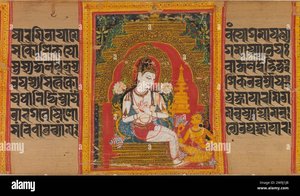
Among his most celebrated works are the depictions of Green Tara dispensing boons to ecstatic devotees and Avalokiteshvara, the Bodhisattva of Compassion. The “Green Tara” folio (circa 1101) is particularly striking for its dynamic composition and the palpable energy radiating from the central figure. She’s not merely a serene goddess; she's an active force of compassion, bestowing blessings upon her devotees with effortless grace. Similarly, the Avalokiteshvara folio captures the essence of his role as a guide to enlightenment, conveying both wisdom and empathy through his compassionate gaze and outstretched hands.
- Green Tara Dispensing Boons: A vibrant depiction showcasing the Bodhisattva’s boundless compassion.
- Bodhisattva Avalokiteshvara Dispensing Boons: An illustration emphasizing the path to enlightenment through wisdom and compassion.
Influence and Legacy
Mahavihara Master's work represents a pivotal moment in Indian Buddhist art, bridging the gap between earlier Pan-Indian styles and the evolving traditions of Bengal. His meticulous attention to detail, his profound understanding of Buddhist iconography, and his masterful use of color and perspective have secured his place as one of the most important artists of the Pala period. His influence can be seen in subsequent generations of Indian Buddhist painters, who continued to draw inspiration from his elegant style and spiritual depth.
Beyond its artistic merit, Mahavihara Master’s work offers a valuable window into the religious and cultural landscape of 12th-century Bengal. It reflects the fervent devotion to Buddhism that characterized the Pala dynasty, as well as the sophisticated intellectual traditions fostered within the monastic centers of the era. His legacy continues to inspire artists and scholars today, reminding us of the enduring power of Buddhist art to illuminate the path to enlightenment.
Further Exploration
The Bodhisattva Avalokiteshvara Dispensing Boons: Folio from an Ashtasahasrika Prajnaparamita Manuscript (Metropolitan Museum of Art)
Los Angeles County Museum of Art
Ravi Varma | Biography, Paintings, Royal Court Artist, & Printmaker (Britannica)
Mahavihara Master
India
Kratke činjenice
- Artistic Movement Or Style: Pala-era Buddhist
- Artists Or Movements Influenced By This Artist: ['Pala Empire']
- Artists Who Influenced This Artist: ['']
- Date Of Death: Living
- Full Name: Mahavihara Master
- Nationality: Indian
- Notable Artworks:
- Green Tara dispensing boons
- Bodhisattva Avalokiteshvara
- Place Of Birth: Bengaluru, India