

 Pregledaj u prostoru
 Pošalji
 Podeli
 Detalji o delu

 Преузми
 Slični predmeti
 Rendgenski snimak
 Slajdovi
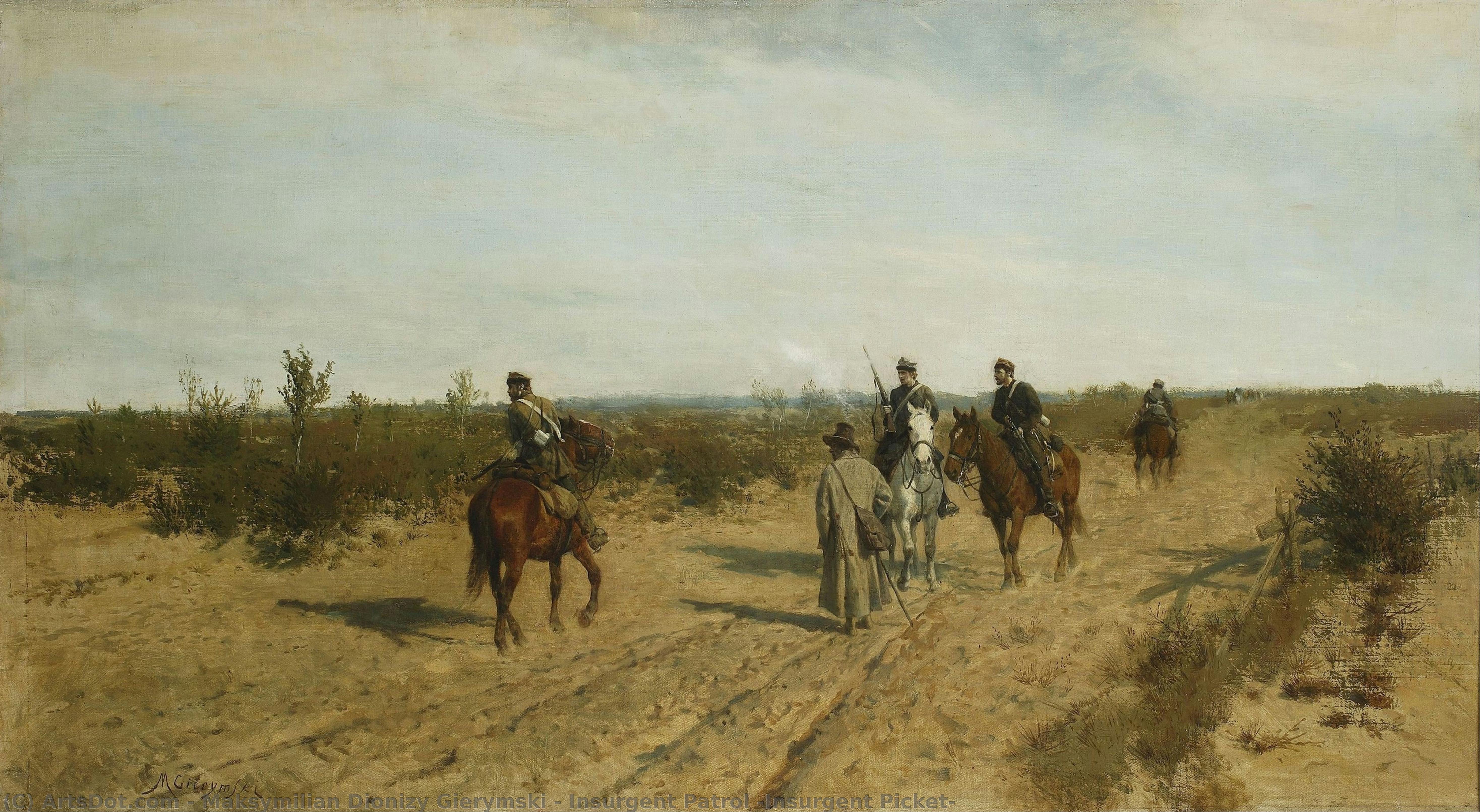
Insurgent Patrol (Insurgent Picket)
 Oil On Canvas
- WallArt
- Munich School Realism
 19th Century
 108.0 x 60.0 cm
 Narodni muzej u Varšavi
 Pročitaj više
Kupite digitalnu sliku visoke rezolucije i poboljšanog kvaliteta, koja je znatno superiornija od onoga što vidite u online prikazu.
Svaka datoteka je pedantno pripremljena od strane naših stručnjaka koristeći napredne alate i profesionalnu ručnu retušu. Osiguravamo da svaka slika ima izuzetnu oštrinu, preciznu reprodukciju boja i fine detalje.
Konačna datoteka se dostavlja putem e-pošte u roku od 72 sata, optimizovana za neposrednu upotrebu u profesionalnim, izdavačkim i štamparskim okruženjima. To je isti kvalitet kojem veruju vrhunski studiji dizajna, izdavači i galerije.
Digitalna slika
Preuzmite datoteku visoke rezolucije za ličnu upotrebu, štampanje i kreativne projekte. ( Kupi print Kupi ručno naslikanu sliku)
Uključeno uz svaku porudžbinu digitalne slike
Profesionalna digitalna isporuka, zagarantovana
Kada odaberete ArtsDot.com, ne dobijate samo sliku – vi primate profesionalno unapređeno digitalno umetničko delo, izrađeno sa najvećom preciznošću i uz garanciju zadovoljstva. Evo svega što automatski dolazi uz vašu porudžbinu:

Brza dostava putem e-pošte
Vaša digitalna slika visoke rezolucije biće vam poslata putem e-pošte u roku od 72 sata od poručivanja – spremna za trenutnu upotrebu.

Digitalna datoteka unapređena veštačkom inteligencijom
Vaše umetničko delo je profesionalno optimizovano korišćenjem naprednih AI alata i ručne obrade, čime se osiguravaju maksimalni detalji, oštrina i preciznost boja.

Besplatna ponovna isporuka doživotno
Slučajno ste obrisali ili izgubili svoju datoteku? Ne brinite – poslaćemo vam je ponovo u bilo kom trenutku, potpuno besplatno.

Bez troškova uvoza – zauvek
Uživajte u svojim umetničkim delima trenutno, bez carine, dažbina ili troškova dostave – digitalni download je uvek bez poreza.

Garancija vernosti boja
Uz pomoć profesionalnih alata i upravljanja bojama, osiguravamo da vaša digitalna slika što vernije odražava originalne boje.

Garancija zadovoljstva u roku od 60 dana
Ako niste zadovoljni svojom digitalnom slikom, revidirat ćemo je ili vratiti 100% novca u roku od 60 dana – bez ikakvih pitanja.

100% garancija povrata novca
Niste zadovoljni? Obezbedite pun povrat novca u roku od 60 dana od trenutka kada ste primili svoju digitalnu datoteku – bez suvišnih pitanja.

Popusti na velike porudžbine
Kupite 3 slike, uštedite 10% - Kupite 5 slika, uštedite 15% - Kupite 10+ slika, uštedite 20%. Odlično za kreativne projekte, galerije i agencije.
A Glimpse into Resistance: The Raw Reality of Gierymski’s Insurgent Patrol
In the quiet, dusty expanse of a deserted sandy road, a moment of profound tension unfolds within Maksymilian Gierymski’s 1873 masterpiece, Insurgent Patrol (Insurgent Picket). This is not the polished, heroic propaganda often found in late-Romantic battle paintings; instead, it is a visceral encounter with the grit and uncertainty of the January 1863 Uprising. As we gaze upon this evocative scene, we find ourselves positioned alongside a reconnaissance team of Polish insurgents, their horses paused in a moment of wary observation. The composition draws the eye toward a pivotal interaction between mounted soldiers and a local villager, a meeting that feels heavy with the weight of shared secrets and imminent danger. Every figure is oriented toward an unseen presence to the left, suggesting that the enemy—the Russian forces—has been detected, turning a routine patrol into a high-stakes mission of survival.
Gierymski, a prominent figure of the Munich School, brings an unparalleled authenticity to this work, born from his own lived experience. Having enlisted in the insurgent army at just seventeen, he did not merely observe history; he breathed its dust and felt its desperation. This personal connection allows him to bypass the sensationalism typical of his contemporaries, opting instead for a rugged, unvarnulated truth. The presence of dogs wandering near the riders and a lone figure departing the group adds layers of everyday realism to the scene, grounding the historical drama in a tangible, lived-in world. For the collector or admirer, this painting offers more than just a historical record; it provides an emotional window into the resilience of the human spirit amidst occupation.
Mastery of Light and the Munich Realist Tradition
Technically, Insurgent Patrol stands as a testament to the prowess of the Munich School’s realistic approach. Gierymski utilizes a palette that mirrors the somber, earthy tones of the Polish landscape—sands, muted browns, and weathered textures that evoke the parched, lonely atmosphere of the setting. The artist’s ability to manipulate light is particularly striking; it does not merely illuminate the scene but serves to heighten the psychological tension. The way the light catches the movement of the horses and the glint of weaponry creates a sense of dynamic stillness, capturing that breathless second before action erupts. His brushwork, while precise enough to define the rugged clothing and gear of the insurgents, retains a painterly fluidity that lends the piece an organic, breathing quality.
For interior designers and connoisseurs of fine art, this reproduction offers a profound sense of narrative depth and historical gravity. The painting’s ability to command attention through its atmospheric weight makes it a magnificent centerpiece for spaces that value intellectual depth and classical storytelling. Whether placed in a study filled with history or a contemporary gallery setting, the work acts as a conversation piece, inviting viewers to contemplate the complexities of patriotism, the cost of freedom, and the quiet bravery found in the shadows of conflict. Owning a high-quality reproduction of this Gierymski classic is an opportunity to preserve a fragment of Polish heritage and the enduring legacy of one of Europe's most poignant realist masters.
Srodna umetnička dela




Biografija umetnika
Maksymilian Dionizy Gierymski: A Polish Realist Caught Between Uprising and Unseen Potential
Born in Warsaw on October 9, 1846, Maksymilian Dionizy Gierymski’s life was tragically short, ending in Reichenhall, Bavaria, in 1874 at the age of twenty-seven. Yet, within those brief years, he carved a distinctive niche for himself as one of the most compelling figures of the Munich Realistic School – a movement that sought to capture the gritty realities of Polish life and history with unflinching honesty. His story is intertwined with Poland’s turbulent 19th century, marked by political upheaval, national longing, and an often-difficult relationship between artists and the established powers.
Gierymski's early years were shaped by the January Uprising of 1863, a pivotal moment in Polish history. At seventeen, he bravely joined the insurrectionary forces, fighting against Russian rule. This experience profoundly impacted his artistic vision, instilling a deep sense of patriotism and a desire to depict the struggles of his people. Following the uprising’s suppression, he narrowly avoided persecution, utilizing a government scholarship to pursue formal training in Munich – a move that would ultimately define his career.
Training and Early Influences in Munich
Arriving in Munich in 1867, Gierymski initially enrolled in the antiquity class at the Academy of Fine Arts, ostensibly to hone his drawing skills. However, he quickly gravitated towards Juliusz Kossak, a prominent landscape painter known for his depictions of horses and hunting scenes. Kossak recognized Gierymski’s potential and introduced him to Franz Adam, a master painter specializing in battle scenes – a genre that would become central to Gierymski's oeuvre. Adam’s workshop provided the young artist with invaluable training in composition, technique, and the dramatic portrayal of historical events.
Gierymski’s artistic development was further influenced by Hermann Anschütz, a historical painter at the Academy, and later by Alexander Strähuber, both respected figures within the Munich art community. He also benefited from the tutelage of Sándor Wagner, a talented assistant who helped to shape Gierymski's understanding of light, shadow, and anatomical accuracy. The atmosphere of the workshop fostered a spirit of experimentation and innovation, allowing Gierymski to develop his own distinctive style – one characterized by its realism, emotional intensity, and often bleak portrayal of human suffering.
A Palette of Polish Realism: Themes and Techniques
Gierymski’s artistic output spanned a diverse range of subjects, but he is most celebrated for his depictions of battle scenes, insurgent life, and landscapes of southern Poland. Unlike the idealized portrayals common in academic art, Gierymski presented a raw and unflinching view of conflict – the chaos of war, the desperation of refugees, and the hardships faced by ordinary people. His paintings are not romanticized celebrations of heroism; instead, they offer poignant glimpses into moments of profound human suffering.
His mastery of watercolour was particularly noteworthy. He skillfully employed delicate washes and subtle gradations of tone to create atmospheric effects and capture the fleeting expressions on his subjects’ faces. Works like “Krajobraz leśny” (1866) showcase his ability to render the textures of nature with remarkable detail, while paintings such as “Wymarsz powstańców ze wsi w 1863 roku” (1867) and “Powrót bez pana” (1868) powerfully convey the emotional weight of historical events. His meticulous attention to detail, combined with his expressive use of color and light, created a uniquely compelling visual language.
Recognition and Legacy
Despite his talent and dedication, Gierymski’s work was largely overlooked in Poland during his lifetime. The conservative art establishment often rejected his unflinching realism, viewing it as too critical of the nation's past. He regularly exhibited his paintings in Warsaw from 1868 onwards, but they received limited acclaim within his homeland. However, in Western Europe, particularly in Germany and France, Gierymski’s work gained recognition for its emotional depth and artistic merit.
His legacy is now being reassessed as a crucial precursor to Polish realism. Works like “Insurgent Patrol” (1867) and "Celebrations of Sabbath on Vistula" (1868) offer powerful insights into the social and political realities of 19th-century Poland. His paintings are featured in prominent museums, including the Warsaw National Museum and the Museum Pomorskie in Danzig, ensuring that his artistic contributions are finally receiving the recognition they deserve. Maksymilian Gierymski’s tragically short life serves as a poignant reminder of an artist whose vision was ahead of its time – a realist who captured the spirit of a nation struggling for independence and self-determination.
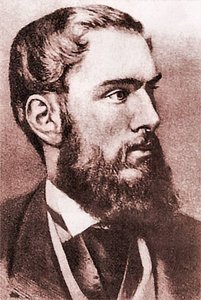
maksymilian dionizy gierymski
1846 - 1874 , Poland
Kratke činjenice
- Artistic Movement Or Style: Munich Realistic School
- Artists Or Movements Influenced By This Artist:
- Realism
- Romanticism
- Artists Who Influenced This Artist:
- Carl von Piloty
- Franz Adam
- Date Of Birth: 1846, Warsaw, Poland
- Date Of Death: 1874, Reichenhall, Bavaria
- Full Name: Maksymilian Dionizy Gierymski
- Nationality: Polish
- Notable Artworks:
- Krajobraz leśny (1866)
- Wymarsz powstańców (1867)
- Powrót bez pana (1868)
- Place Of Birth: Warsaw, Poland

