

 Pregledaj u prostoru
 Pošalji
 Podeli
 Detalji o delu

 Преузми
 Slični predmeti
 Rendgenski snimak
 Slajdovi
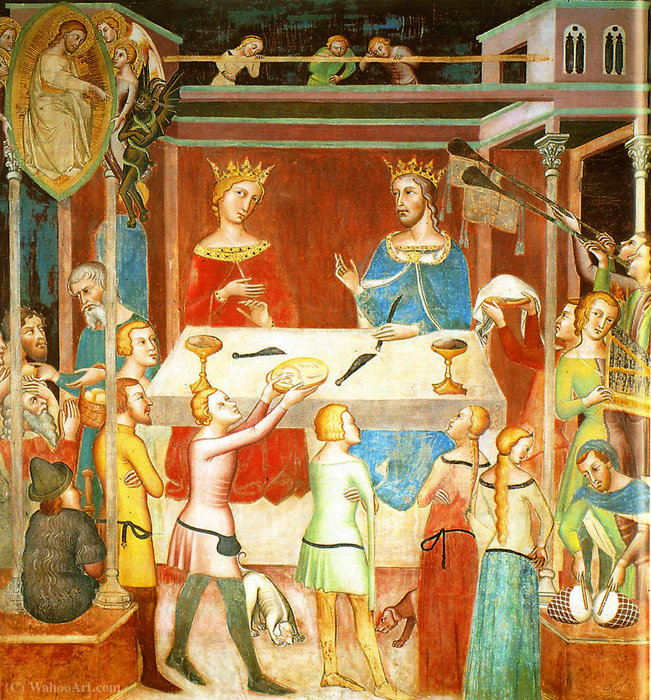
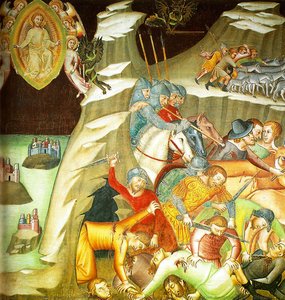
The devil gets groped by God of Job, fresco by Bartolo di Fredi (Duomo di San Gimignano)
 Pročitaj više
Kupite digitalnu sliku visoke rezolucije i poboljšanog kvaliteta, koja je znatno superiornija od onoga što vidite u online prikazu.
Svaka datoteka je pedantno pripremljena od strane naših stručnjaka koristeći napredne alate i profesionalnu ručnu retušu. Osiguravamo da svaka slika ima izuzetnu oštrinu, preciznu reprodukciju boja i fine detalje.
Konačna datoteka se dostavlja putem e-pošte u roku od 72 sata, optimizovana za neposrednu upotrebu u profesionalnim, izdavačkim i štamparskim okruženjima. To je isti kvalitet kojem veruju vrhunski studiji dizajna, izdavači i galerije.
Digitalna slika
Preuzmite datoteku visoke rezolucije za ličnu upotrebu, štampanje i kreativne projekte. ( Kupi print Kupi ručno naslikanu sliku)
Uključeno uz svaku porudžbinu digitalne slike
Profesionalna digitalna isporuka, zagarantovana
Kada odaberete ArtsDot.com, ne dobijate samo sliku – vi primate profesionalno unapređeno digitalno umetničko delo, izrađeno sa najvećom preciznošću i uz garanciju zadovoljstva. Evo svega što automatski dolazi uz vašu porudžbinu:

Brza dostava putem e-pošte
Vaša digitalna slika visoke rezolucije biće vam poslata putem e-pošte u roku od 72 sata od poručivanja – spremna za trenutnu upotrebu.

Digitalna datoteka unapređena veštačkom inteligencijom
Vaše umetničko delo je profesionalno optimizovano korišćenjem naprednih AI alata i ručne obrade, čime se osiguravaju maksimalni detalji, oštrina i preciznost boja.

Besplatna ponovna isporuka doživotno
Slučajno ste obrisali ili izgubili svoju datoteku? Ne brinite – poslaćemo vam je ponovo u bilo kom trenutku, potpuno besplatno.

Bez troškova uvoza – zauvek
Uživajte u svojim umetničkim delima trenutno, bez carine, dažbina ili troškova dostave – digitalni download je uvek bez poreza.

Garancija vernosti boja
Uz pomoć profesionalnih alata i upravljanja bojama, osiguravamo da vaša digitalna slika što vernije odražava originalne boje.

Garancija zadovoljstva u roku od 60 dana
Ako niste zadovoljni svojom digitalnom slikom, revidirat ćemo je ili vratiti 100% novca u roku od 60 dana – bez ikakvih pitanja.

100% garancija povrata novca
Niste zadovoljni? Obezbedite pun povrat novca u roku od 60 dana od trenutka kada ste primili svoju digitalnu datoteku – bez suvišnih pitanja.

Popusti na velike porudžbine
Kupite 3 slike, uštedite 10% - Kupite 5 slika, uštedite 15% - Kupite 10+ slika, uštedite 20%. Odlično za kreativne projekte, galerije i agencije.
Srodna umetnička dela
Biografija umetnika
Manfredi de Battilor Bartolo di Fredi: A Sienese Master of Biblical Narrative
Manfredi de Battilor Bartolo di Fredi (c. 1330 – 26 January 1410), often referred to as Bartolo Battiloro, stands as a pivotal figure within the vibrant artistic landscape of Siena during the Renaissance period. Born in Siena itself—a city renowned for its architectural grandeur and fervent devotion—Bartolo’s legacy resides primarily in his monumental frescoes adorning churches throughout Tuscany, notably the Cathedral of San Gimignano and St. Mary's Basilica in Siena. These paintings are not merely decorative embellishments; they represent a profound engagement with theological themes and masterful execution of artistic principles that cemented Bartolo’s place as one of the foremost Sienese fresco painters of his time.Early Life and Artistic Training
Information regarding Bartolo's formative years remains somewhat elusive, reflecting the typical paucity of biographical detail prevalent in medieval art history. However, scholarly consensus suggests he honed his skills within the influential workshop of Giovanni Pisano—a sculptor and painter who championed a stylistic approach rooted in Gothic traditions yet increasingly receptive to humanist ideals. This exposure undoubtedly instilled in Bartolo a deep understanding of sculptural form and compositional balance, elements that would subsequently permeate his fresco cycles. The influence of Pisano’s emphasis on expressive realism is palpable in Bartolo's depictions of biblical figures—particularly the poignant portrayal of Job—where anatomical accuracy combined with emotive gestures conveys profound spiritual contemplation.Notable Frescoes: Expressions of Faith and Artistic Innovation
Bartolo’s artistic output achieved its zenith during his tenure as cathedral painter in San Gimignano, where he undertook a ambitious project to decorate the nave with scenes from the Old Testament. The “Killing of the Servants of Job” fresco stands as a testament to Bartolo's technical prowess and artistic vision. Utilizing tempera on plaster—a technique favored by Sienese artists—Bartolo achieved remarkable luminosity and textural detail, capturing the agony and despair of Job’s companions with breathtaking sensitivity. His masterful use of chiaroscuro—the dramatic interplay between light and shadow—amplified the emotional impact of the composition, mirroring the stylistic trends emerging from Florence under Brunelleschi and Masaccio. Similarly, his depiction of The Adoration of the Shepherds in Siena's St Mary’s Basilica showcases a harmonious blend of Gothic and Renaissance elements, demonstrating Bartolo’s ability to synthesize disparate influences into a cohesive artistic statement.Stylistic Characteristics and Artistic Legacy
Bartolo’s frescoes are characterized by their meticulous attention to detail, anatomical accuracy, and expressive realism—traits that align seamlessly with the broader stylistic developments of the Quattrocento. However, Bartolo distinguishes himself from his contemporaries through a subtle infusion of Gothic sensibilities—particularly in drapery folds and architectural ornamentation—reflecting Siena's enduring connection to its medieval past. His work embodies the humanist spirit of the era, prioritizing psychological depth and conveying profound spiritual truths through carefully crafted imagery. Bartolo’s frescoes continue to inspire admiration for their artistic beauty and intellectual rigor, serving as invaluable sources of insight into Sienese art history and the broader cultural currents shaping Renaissance Italy. He remains a cornerstone of Siena's artistic heritage—a painter who elevated biblical narratives to levels of unparalleled emotional resonance and technical accomplishment.Historical Significance
Bartolo’s contribution to Sienese art is undeniable, establishing him as one of the most important artists of his generation. His frescoes not only beautified religious spaces but also served as vehicles for disseminating theological ideas and fostering a sense of civic pride within Siena. Furthermore, Bartolo's stylistic innovations—particularly his masterful use of tempera on plaster and his incorporation of Gothic elements—influenced subsequent generations of Sienese painters, shaping the artistic landscape of Tuscany for decades to come. His legacy endures as an exemplar of artistic excellence and spiritual devotion—a testament to the enduring power of art to illuminate human experience and convey timeless truths.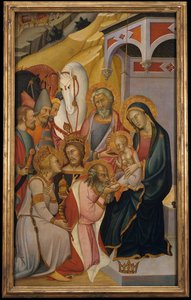
manfredi de battilor bartolo di fredi fredi
1330 - 1410 , Italy
Kratke činjenice
- Artistic Movement Or Style: Sienese School
- Date Of Birth: c. 1330
- Date Of Death: 1410
- Full Name: Manfredi de Battilor Bartolo di Fredi
- Nationality: Italian
- Notable Artworks:
- The Adoration of the Shepherds
- Killing of the servants of Job
- Place Of Birth: Siena, Italy

