

 Pregledaj u prostoru
 Pošalji
 Podeli
 Detalji o delu

 Преузми
 Slični predmeti
 Rendgenski snimak
 Slajdovi
 Stats
StatsVase


 Pročitaj više
Giclee štampa / Umetnički otisak
Giclée štampa ili print na platnu muzejskog kvaliteta uz brzu proizvodnju i fleksibilne opcije završne obrade. ( Kupi ručno naslikanu sliku Switch to Digital Image)




































Izaberite jednu od naših unapred definisanih veličina koje odgovaraju originalnim proporcijama umetničkog dela.

Možete uneti sopstvene dimenzije kako biste umetničko delo prilagodili specifičnom okviru ili prostoru. Ako odabrani format ne odgovara proporcijama originalne slike, mi ćemo ili iscrtati deo dela ili proširiti sliku pomoću ogledane ivice ili jednobojnog popunjavanja. Digitalni prikaz će vam biti poslat na odobrenje pre početka proizvodnje.
Imajte na umu da pregled na ekranu ne odražava stvarno iscrtavanje ili proširivanje. Samo će prikaz (mockup) precizno pokazati finalnu kompoziciju.
Iako su prilagođene dimenzije dostupne, preporučujemo da odaberete dimenziju sa unapred definisane liste kako biste očuvali originalne proporcije.
Dostava širom sveta () za 2 nedelje umesto uobičajenih 4/5 nedelja. (8 септембар)

Besplatna ekspresna dostava širom sveta

Visokokvalitetno laneno platno

Kompletno osiguranje transporta

Garancija povraćaja carine i uvoznih dažbina

Garancija vernosti boja

Politika povraćaja u roku od 100 dana (isključivo u slučaju nedostataka)

Garancija povrata novca od 100%

Popust pri grupnoj kupovini
 Opcija sa staklom dostupna je samo za dimenzije manje od 110 cm

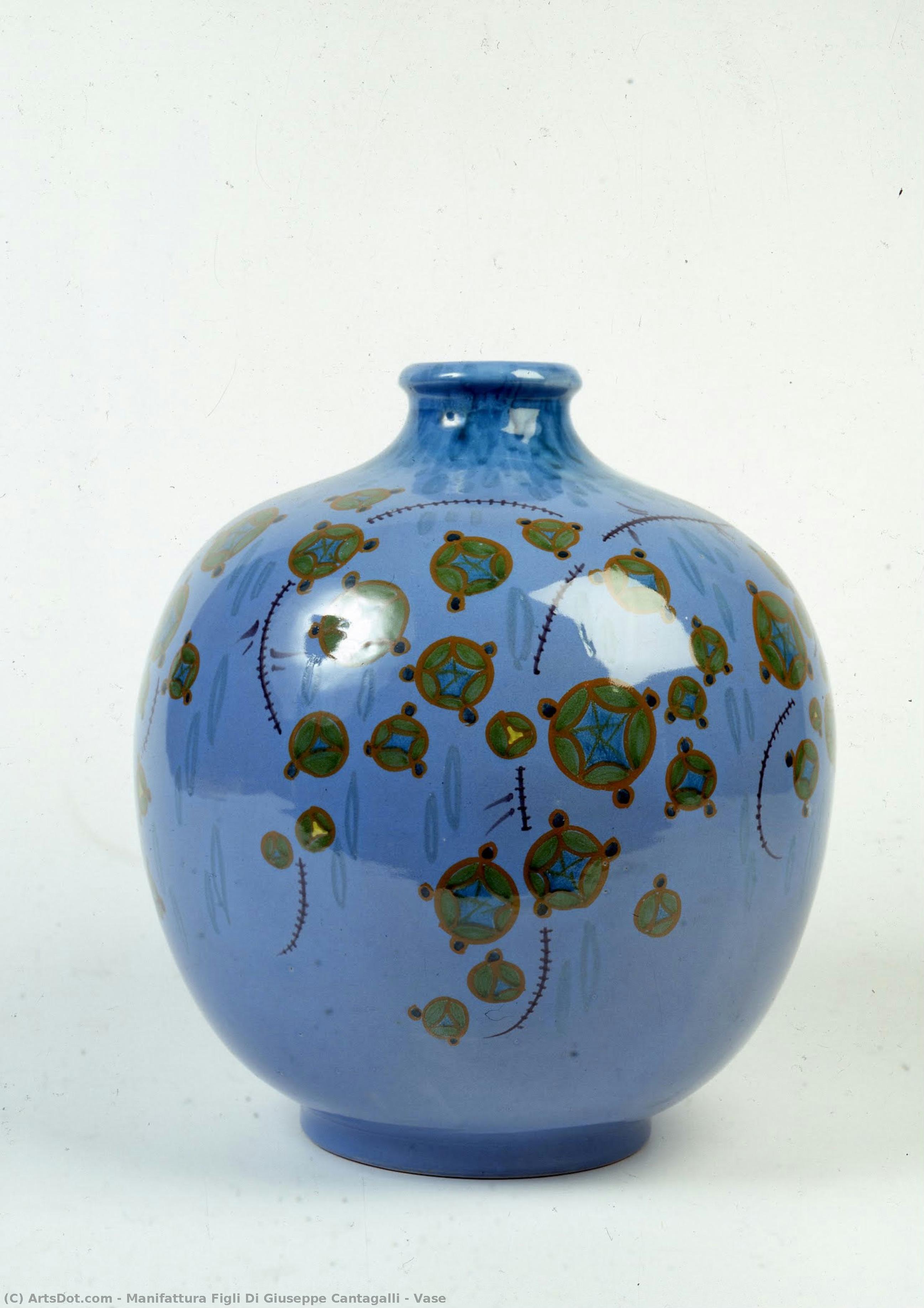
Vase
Giclee štampa / Umetnički otisak
Dimenzije reprodukcije
-


Konačna cena
$ 62
Srodna umetnička dela







Biografija umetnika
The Legacy of Revival: Manifattura Figli di Giuseppe Cantagalli
Nestled within the heart of Florence, Italy, the Manifattura Figli di Giuseppe Cantagalli represents far more than just a pottery factory; it embodies a passionate revival of Renaissance artistry and a testament to one man’s unwavering dedication. Founded in 1878 by Ulisse Cantagalli, this workshop meticulously resurrected techniques and aesthetics lost to time, offering the burgeoning European market exquisite reproductions of Italian maiolica – ceramics that had previously been relegated to provincial workshops and overlooked by collectors. The story of Cantagalli is inextricably linked to the rise of the Grand Tour, a fashionable journey undertaken by wealthy Europeans seeking cultural enrichment in Italy, and the subsequent fascination with the artistic heritage of the Renaissance.
Ulisse’s family had a long history within the Florentine ceramics industry, dating back to the 15th century. However, by the early 20th century, the family business was struggling. Recognizing an opportunity amidst the growing appreciation for classical art and design, Ulisse embarked on a bold mission: to recreate the splendor of Renaissance ceramics with unparalleled precision. He didn’t merely copy existing pieces; he studied them intensely, meticulously documenting their techniques, glazes, and decorative motifs. This deep immersion in the past fueled his ambition to not just replicate, but to truly revive the spirit of the era.
A Family Affair: The Cantagalli Workshop
The Manifattura Figli di Giuseppe Cantagalli was a family affair from its inception. Ulisse’s brother, Romeo, joined him in 1878, and together they oversaw every aspect of the operation – from sourcing raw materials to overseeing the skilled artisans who brought their designs to life. Crucially, Ulisse's wife, Margaret Tod, a Scottish woman he met during his business dealings, played an integral role in managing the workshop’s international sales and cultivating relationships with discerning collectors, particularly in Great Britain. This transatlantic partnership proved vital to the factory’s success, establishing a strong foothold in the English market.
The workshop itself was a hub of activity, employing over 120 artisans by 1895. A dedicated school of design was established, training young painters in the intricate techniques required to achieve the level of detail and artistry that defined Cantagalli’s work. The factory's layout reflected this commitment to craftsmanship; it was organized around a central kiln, allowing for efficient production while maintaining strict quality control. The meticulous attention to detail extended beyond mere replication – Ulisse sought to capture not just the appearance but also the *feeling* of Renaissance ceramics, imbuing his reproductions with a sense of timeless elegance and artistic depth.
Renaissance Inspiration: Techniques and Styles
Cantagalli’s success wasn't simply due to replicating existing designs; it was rooted in a profound understanding of the techniques employed by master ceramicists of the 16th century. Ulisse meticulously studied the works of renowned Florentine potters like Giovanni Battista della Robbia, and sought inspiration from other centers of maiolica production such as Gubbio, Deruta, and Urbino. He wasn’t limited to imitating Italian styles; he also embraced influences from the Islamic world – particularly the intricate lusterware produced in Iznik (modern-day Turkey) – incorporating these techniques into his repertoire.
The workshop's output encompassed a remarkable range of decorative motifs, drawing heavily on Renaissance narratives, mythological scenes, and classical allegories. Ulisse’s sketchbook, filled with detailed drawings and color studies, provides invaluable insight into the creative process. He employed a unique method of transferring designs – sketching directly onto acetate sheets using pastel colors and tempera – ensuring accuracy and capturing the nuances of the original artwork. This meticulous approach resulted in reproductions that were remarkably faithful to their Renaissance counterparts, often surpassing them in terms of clarity and detail.
A Lasting Impact: Legacy and Recognition
The Manifattura Figli di Giuseppe Cantagalli achieved international acclaim throughout the late 19th and early 20th centuries. Their pieces were exhibited at prestigious fairs, including those in Paris and London, and acquired by prominent collectors worldwide, including Frederick Stibbert and Lord Carmichael. Ulisse’s legacy extends beyond the exquisite ceramics produced by his workshop; he played a crucial role in preserving and promoting Italian artistic heritage, demonstrating that it could be both appreciated and enjoyed by a wider audience.
Ulisse Cantagalli died in Egypt in 1901, leaving behind a thriving business and a remarkable body of work. The Manifattura Figli di Giuseppe Cantagalli continued to operate under the guidance of his wife, Margaret, until 1934, solidifying its place as one of Italy’s most celebrated ceramic workshops. Today, their creations are highly sought after by collectors and art enthusiasts alike, serving as a tangible link to the artistic brilliance of the Renaissance and a testament to the enduring power of revival.
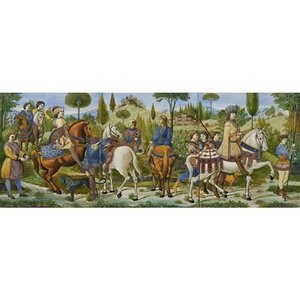
manifattura figli di giuseppe cantagalli
1839 - 1901 , Italy
Osnovne informacije
- Artistic Movement Or Style: Renaissance Revival
- Artists Or Movements Influenced By This Artist: ['William De Morgan']
- Artists Who Influenced This Artist: ['Renaissance artists']
- Date Of Birth: Florence, Italy (1839)
- Date Of Death: 1901
- Full Name: Manifattura figli di Giuseppe Cantagalli
- Nationality: Italian
- Notable Artworks:
- Vase
- Maiolica reproductions
- Place Of Birth: Florence, Italy