

 Pregledaj u prostoru
 Pošalji
 Podeli
 Detalji o delu

 Преузми
 Slični predmeti
 Rendgenski snimak
 Slajdovi
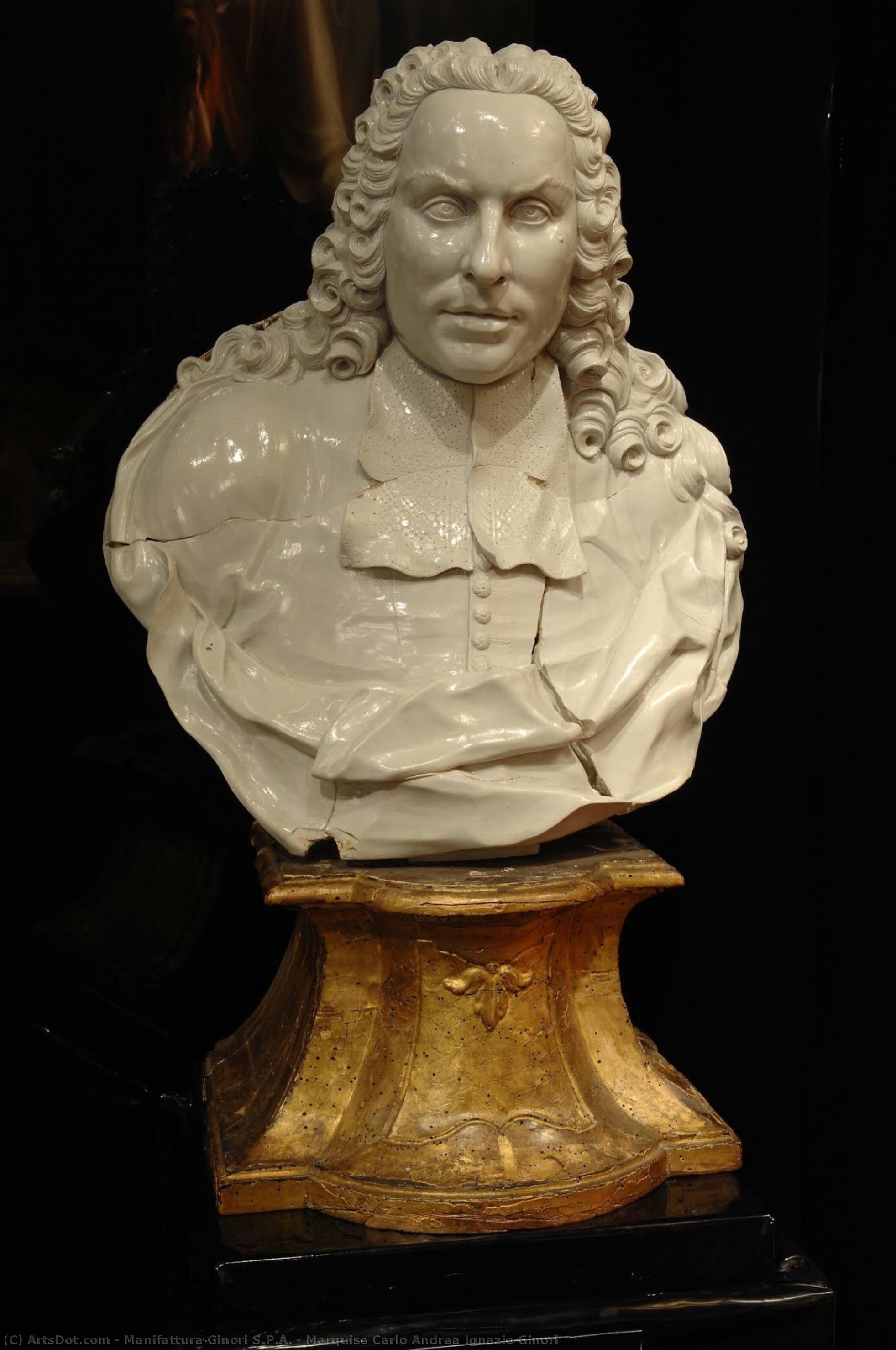
Marquise Carlo Andrea Ignazio Ginori


 Pročitaj više
Ručno rađena uljana reprodukcija
Ručno oslikano uljanim bojama na platnu u dimenzijama i okviru po vašem izboru, izrađeno po porudžbini od strane naših umetnika. ( Kupi print Kupi digitalnu sliku)




P118B $10

P118H $10

P118W $10

P438Z $10

P508JH $12

P508YH $12

P805H $10

P805Z $10

P919BZ $10

P919G $10

P919XJ $10

P959ZH $10

P968JZ $12

W106C $8

W218G $10

W218JH $8

W218Y $10

W307PJ $10

W316G $10

W316PJ $8

W316Y $10

W398PJ $8

W4111J $10

W500HY $15

W500JH $15

W692G $12

W849H $8

W940BG $15

W953PJ $8




Izaberite jednu od naših unapred definisanih veličina koje odgovaraju originalnim proporcijama umetničkog dela.

Можете унети сопствене димензије како бисте прилагодили дело одређеном оквиру или простору. Ако одабрана величина не одговара пропорцијама оригинала, слика ће бити исечена или проширена додатним елементима који се ручно насликавају. Дигитални prikaz ће вам бити послат на одобрење пре почетка производње.
Имајте на уму да преглед на екрану не одражава стварно исецање или проширење. Само приказ (mockup) ће тачно приказати коначну композицију.
Иако су доступне прилагођене величине, препоручујемо да одаберете димензију из дефинисане листе како бисте сачували оригиналне пропорције.
Nakon narudžbine, tim ArtsDot.com će klijentu putem e-pošte poslati uputstva i dostaviti prikaz predloženog rešenja
Isporuka širom sveta () za 3/4 nedelje umesto uobičajenih 5 nedelja. (26 август). Bez kompromisa po pitanju kvaliteta.

Besplatna ekspresna dostava širom sveta

Visokokvalitetno laneno platno

Kompletno osiguranje transporta

Garancija povraćaja carine i uvoznih dažbina

Garancija vernosti boja

Politika povrata u roku od 60 dana (samo u slučaju nedostataka)

Garancija povrata novca od 100%

Popust pri grupnoj kupovini
 Opcija sa staklom dostupna je samo za dimenzije manje od 110 cm

Marquise Carlo Andrea Ignazio Ginori
Tehnika reprodukcije
Dimenzije reprodukcije
-


Konačna cena
$ 263
Opis umetničkog dela
A Legacy Forged in Clay: The Enduring Story of Manifattura Ginori
The tale of Manifattura Ginori S.p.A., a name synonymous with Italian porcelain artistry, is one that unfolds over nearly three centuries—a narrative woven with aristocratic vision, innovative technique, and an unwavering commitment to beauty. Founded in 1735 by Marchese Carlo Andrea Ginori near his villa in Doccia, nestled close to Florence, the manufactory wasn’t merely intended as a business venture; it was conceived as a testament to Italian ingenuity and a challenge to the established dominance of German and French porcelain production. Ginori's ambition extended beyond simply replicating existing styles. He sought to create something uniquely Italian, drawing inspiration from the rich artistic heritage of Florence and its celebrated sculptors. Initially, Manifattura Ginori distinguished itself by producing porcelain versions of statuettes and small sculptures—replicas cast from earlier bronze works created by Gaspare BruschiCarlo Ginori is represented with his wig and a big tie worn on a clothing fastened by a series of buttons; the bust is wrapped by a wide mantel, on which appears the mark of the Order of Saint Stephen (Order of Malta)This porcelain is the oldest example, among (only two known) portraits of the founder (1); In this first example the color of porcelain is white tending to a mild green, a feature of the very first production. This stands for the great care devoted to modelling and for the vivacity of expression.Elements such as wig curls waterfall or the elegant movement of the tie to detect a button of the dress, Even the detailed description of facial imperfections, suggest assigning to Gaspare Bruschi, the active leader in the Doccia manufacture between 1737 and the death in 1780 (2), the modeling of this bust. An attribution that finds comfort in the most recent criticism: Ginori Lisci (4) also recalls the name of the chief modeler as the author of a bust of Carlo Ginori. In the other document about the busts of Carlo Ginori, the one contained in the Inventario dè Modelli of the manufacturing, cites: Un busto di terra cotta ritratto di S.E. Il Sig.re Sen.re Carlo Ginori (6).The two known busts all present the Cross of Knight of St. Stephen, honor that Ginori receives in 1718 (7), and are, except for one, similar in clothing (varying the number of buttons and the treatment of the necktie): but if they mostly use white porcelain bases, certain signature of the later production, similar to those used for the famous Cesari series, in this one the base is made of gilded wood with in the center and in relief the Florentine lily. Ancient and destined from the beginning to the bust, is made of pear wood, the essence that Doccia used to make the bases in ebony wood (8).It remains to be said how the physiognomy used- Subject Matter: A Portrait Bust – Representing Carlo Ginori, Founder of Manifattura Ginori.
- Style: Neoclassical Influenced - Reflecting the artistic ideals of Enlightenment Europe with meticulous realism and elegant ornamentation.
- Technique: Porcelain Casting – Utilizing a sophisticated process involving moldmaking, slip casting, firing, and glazing to achieve exceptional detail and luminosity.
- Historical Context: Established in 1735 amidst fierce competition for porcelain supremacy, Ginori’s manufactory championed Italian artistic excellence against continental rivals.
- Emotional Impact: This artwork evokes admiration for artistic skill, reverence for Florentine history, and a sense of timeless beauty—a testament to Ginori's enduring legacy as a pioneer in porcelain craftsmanship.
Srodna umetnička dela




Biografija umetnika
A Legacy Forged in Clay: The Enduring Story of Manifattura Ginori
The story of Manifattura Ginori S.p.A., a name synonymous with Italian porcelain artistry, is one that unfolds over nearly three centuries—a narrative woven with aristocratic vision, innovative technique, and an unwavering commitment to beauty. Founded in 1735 by Marchese Carlo Andrea Ginori near his villa in Doccia, nestled close to Florence, the manufactory wasn’t merely intended as a business venture; it was conceived as a testament to Italian ingenuity and a challenge to the established dominance of German and French porcelain production. Ginori's ambition extended beyond simply replicating existing styles. He sought to create something uniquely Italian, drawing inspiration from the rich artistic heritage of Florence and its celebrated sculptors.
Initially, Manifattura Ginori distinguished itself by producing porcelain versions of statuettes and small sculptures—replicas cast from earlier bronze works created by Florentine masters like Giovanni Battista Foggini and Massimiliano Soldani. This focus on sculptural forms set it apart from many contemporary factories primarily dedicated to tableware. The early success was fueled by innovative techniques pioneered under Ginori’s direction, establishing a reputation for excellence that quickly spread beyond the Tuscan hills. However, following the Marchese's death in 1757, the factory underwent a shift, gradually adopting more conventional wares and embracing stylistic influences from across Europe—particularly Germany and France—while still maintaining its commitment to quality.
Artistic Collaborations and the Flourishing of Style
Throughout its history, Manifattura Ginori benefited immensely from collaborations with a diverse array of artists. These partnerships infused the manufactory’s output with fresh perspectives and broadened its artistic scope. Names like Thomas Moran, William James Glackens, Gilbert Munger, and Jean-François Raffaelli became associated with Ginori, contributing to designs that ranged from intricate floral patterns to evocative landscapes. The factory's ability to translate complex compositions onto porcelain was particularly evident in pieces such as “Cappella del Succorpo (Cappella Carafa)” by Thomas Malvern (Malvico) and the ambitious reproduction of Caravaggio’s "The Flagellation of Christ," demonstrating a remarkable technical skill and artistic sensitivity. Beyond these specific commissions, works like Andrea Belvedere's delicate "Flowers", Arthur B. Davies’ atmospheric “On the Cliffs”, Jacopo Sansovino’s classical “St James” and Tino di Camaino’s graceful “Charity” showcase the breadth of Ginori’s aesthetic range.
These creations weren’t confined to private collections; they found their way into prestigious museums like the Museo Nazionale di Capodimonte and the Duomo della Vergine Assunta, solidifying Manifattura Ginori's place within the canon of European art. The factory wasn’t simply producing decorative objects; it was crafting pieces that were recognized for their artistic merit and historical significance.
Innovation in Materials and Technique
The technical achievements of Manifattura Ginori are as noteworthy as its artistic contributions. Around 1750, the factory transitioned to hard-paste porcelain production—a significant advancement that required mastering a complex process. The precise composition of the porcelain mixture – kaolin (50%), feldspar (25%), and quartz (25%) – was carefully guarded, reflecting the importance placed on quality control. The firing process itself was equally demanding, involving two distinct stages: bisque firing at 1000°C followed by glaze firing at a much higher temperature of 1400°C.
But it wasn’t just about the materials; it was also about the skill of the artisans who brought those materials to life. Techniques like decal application, gilding, airbrushing, and meticulous hand-painting were employed to enhance the porcelain's beauty, transforming a raw material into objects of exquisite refinement. This dedication to artisanal craftsmanship remained a hallmark of Manifattura Ginori throughout its long history.
From Aristocratic Enterprise to Modern Luxury
Manifattura Ginori’s story isn’t without its complexities. The factory's management, deeply rooted in aristocratic tradition, influenced its long-term strategies and organizational structure. While this approach fostered a commitment to quality and innovation, it also contributed to periods of financial instability. Despite its rich heritage, the company faced bankruptcy in 2013, a poignant moment that underscored the challenges facing traditional manufacturing in a rapidly changing global market.
However, the story didn’t end there. The acquisition by Gucci signaled a new chapter for the brand, recognizing the enduring appeal of its legacy and the potential to reposition it within the luxury goods sector. Today, the name “Ginori 1735” is proudly used, acknowledging the factory's long history while embracing a contemporary vision. Although the Museo Richard Ginori della Manifattura di Doccia remains temporarily closed to visitors as of 2019, its collection stands as a testament to the enduring influence of this remarkable Italian manufactory—a legacy forged in clay and destined to inspire for generations to come.
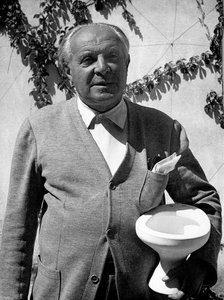
Manifattura Ginori S.p.A.
1735 - 2013 , Italy
Osnovne informacije
- Artistic Movement Or Style: Neoclassical, Ceramics
- Artists Or Movements Influenced By This Artist:
- Thomas Moran
- William Glackens
- Gilbert Munger
- Artists Who Influenced This Artist:
- Giovanni Battista Foggini
- Massimiliano Soldani
- Date Of Birth: 1735
- Date Of Death: 2013
- Full Name: Manifattura Ginori S.p.A.
- Nationality: Italian
- Notable Artworks:
- Cappella del Succorpo
- The Flagellation of Christ
- Flowers
- On the Cliffs
- St James
- Charity
- Place Of Birth: Sesto Fiorentino, Italy
Povezani članci

Bronze Sculptures That Defined Art History | ArtsDot
Journey through art history with our Top 10 bronze sculptures! Explore masterpieces by Rodin, Michelangelo & more. Discover stories behind iconic statues and find museum-quality reproductions for your home decor at ArtsDot.com.

The Enduring Form: Exploring Themes & Techniques in Sculpture Across Historical Periods
Explore the rich history of sculpture from ancient masterpieces to contemporary innovations. Discover key techniques, influential artists & investment potential for discerning art collectors.
The Enduring Form: Sculpture Across History, Technique & Emotional Resonance
Explore the rich history of sculpture with ArtsDot. Discover key techniques, influential artists & investment potential for discerning collectors. Expert insights into valuing and collecting timeless masterpieces.

Bronze Age to Modern Masters: 10 Sculptures That Redefined Art | ArtsDot
Journey through art history with 10 legendary bronze sculptures – from Michelangelo's David to Rodin’s Thinker. Explore the stories, techniques & timeless beauty of these masterpieces. Find museum-quality reproductions & elevate your home decor on ArtsDot.com.

Antonio Canova: Neoclassical Sculpture & the Pursuit of Emotional Perfection
Explore the life & art of Antonio Canova, the greatest Neoclassical sculptor. Discover his masterpieces, innovative techniques, and lasting influence on fine art collecting. Expert insights for discerning investors.

