

 Pregledaj u prostoru
 Pošalji
 Podeli
 Detalji o delu

 Преузми
 Slični predmeti
 Rendgenski snimak
 Slajdovi
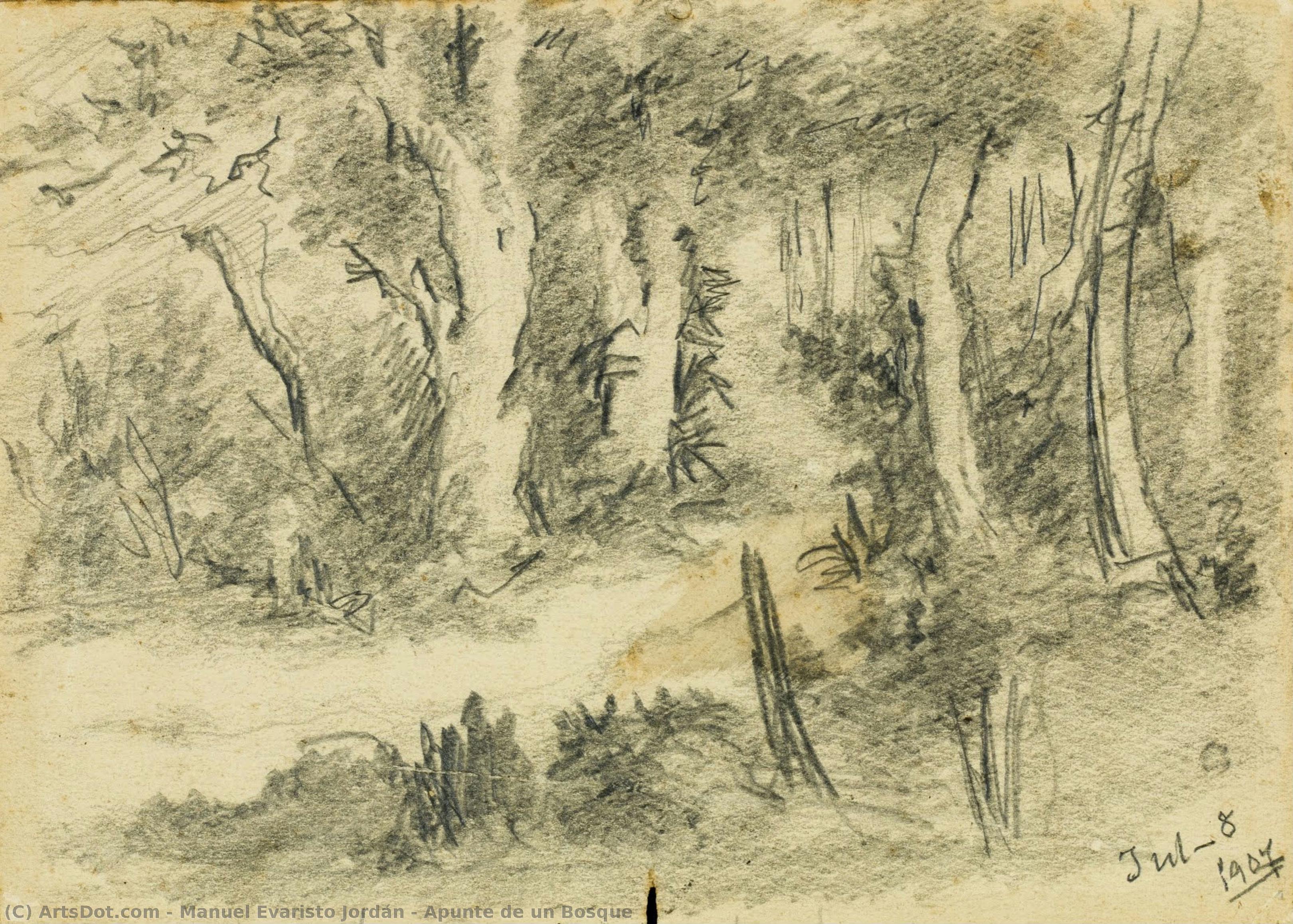
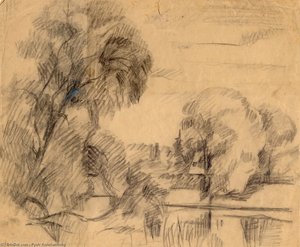
Apunte de un Bosque


 Pročitaj više
Giclee štampa / Umetnički otisak
Giclée štampa ili print na platnu muzejskog kvaliteta uz brzu proizvodnju i fleksibilne opcije završne obrade. ( Kupi ručno naslikanu sliku Kupi digitalnu sliku)




































Izaberite jednu od naših unapred definisanih veličina koje odgovaraju originalnim proporcijama umetničkog dela.

Možete uneti sopstvene dimenzije kako biste umetničko delo prilagodili specifičnom okviru ili prostoru. Ako odabrani format ne odgovara proporcijama originalne slike, mi ćemo ili iscrtati deo dela ili proširiti sliku pomoću ogledane ivice ili jednobojnog popunjavanja. Digitalni prikaz će vam biti poslat na odobrenje pre početka proizvodnje.
Imajte na umu da pregled na ekranu ne odražava stvarno iscrtavanje ili proširivanje. Samo će prikaz (mockup) precizno pokazati finalnu kompoziciju.
Iako su prilagođene dimenzije dostupne, preporučujemo da odaberete dimenziju sa unapred definisane liste kako biste očuvali originalne proporcije.
Dostava širom sveta () za 2 nedelje umesto uobičajenih 4/5 nedelja. (6 септембар)

Besplatna ekspresna dostava širom sveta

Visokokvalitetno laneno platno

Kompletno osiguranje transporta

Garancija povraćaja carine i uvoznih dažbina

Garancija vernosti boja

Politika povrata u roku od 100 dana (samo u slučaju nedostataka)

Garancija povrata novca od 100%

Popust pri grupnoj kupovini
 Opcija sa staklom dostupna je samo za dimenzije manje od 110 cm

Apunte de un Bosque
Giclee štampa / Umetnički otisak
Dimenzije reprodukcije
-


Konačna cena
$ 62
Srodna umetnička dela




Biografija umetnika
Vincent van Gogh: A Life Painted in Light and Shadow
Vincent van Gogh, a name synonymous with passionate intensity and groundbreaking artistic vision, remains one of the most recognizable figures in art history. Born in 1853 in Groot-Zundert, Netherlands, his life was tragically short – just 37 years – yet within that brief span, he produced over two thousand works of art, primarily paintings and drawings, leaving behind a legacy that continues to captivate and inspire generations. His journey from a struggling preacher’s son to an iconoclast painter is a compelling narrative of personal struggle, artistic evolution, and ultimately, profound creative expression.
Van Gogh's early life was marked by a sense of restlessness and a yearning for purpose. He initially pursued a career in the art trade, working as an agent for Goupil & Cie, a prominent firm dealing in art sales. This experience exposed him to the world of European art but also fostered a critical perspective on the commercialization of creativity. He traveled extensively through Europe – Belgium, France, and England – seeking work and grappling with feelings of inadequacy and disillusionment. These early years were characterized by a quiet introspection, punctuated by brief periods of intense artistic activity, often fueled by a desire to escape his own internal turmoil. The influence of the Dutch Masters, particularly Rembrandt’s use of light and shadow, began to shape his nascent style.
A pivotal moment arrived in 1886 when Van Gogh decided to dedicate himself entirely to art. He moved to Paris, immersing himself in the vibrant artistic scene of the city. Here, he encountered Impressionism and Post-Impressionism, encountering artists like Monet, Renoir, and Pissarro. However, his style quickly diverged from these prevailing trends. He was drawn to the works of Gauguin, whose bold colors and expressive brushstrokes resonated with Van Gogh’s own burgeoning desire for emotional honesty in his art. This period saw a shift towards darker palettes and more dynamic compositions, foreshadowing the distinctive style he would later develop.
The Yellow House and the Emergence of Style
In 1888, Van Gogh moved to Arles in Provence, southern France, seeking a haven for his artistic endeavors. He envisioned establishing an artist’s colony alongside Paul Gauguin, hoping to create a community dedicated to shared creativity. This period proved intensely productive, marked by the creation of some of his most iconic works, including the celebrated *Sunflowers* series, *The Yellow House*, and numerous landscapes capturing the light-drenched beauty of the Provençal countryside. However, this idyllic vision was shattered by a tumultuous relationship with Gauguin, culminating in a severe mental breakdown following an argument that resulted in Van Gogh mutilating his own ear.
Despite this personal crisis, Van Gogh continued to paint with remarkable intensity. His style during this time is characterized by thick impasto brushstrokes, vibrant colors applied directly from the tube, and a heightened sense of emotional urgency. He experimented with different subjects – portraits, still lifes, and landscapes – all imbued with his subjective experience. The swirling skies and emotionally charged figures in works like *Starry Night* (painted during his stay at Saint-Paul-de-Mausole asylum) reveal the depth of his psychological struggles and his profound connection to nature.
Technique and Influences
Van Gogh’s artistic technique was revolutionary for its time. He rejected academic conventions, favoring a direct and expressive approach that prioritized feeling over meticulous representation. His use of color was particularly innovative; he employed complementary colors – such as blue and orange – to create intense visual contrasts and heighten the emotional impact of his paintings. His brushstrokes were not intended to blend smoothly but rather to retain their individual character, creating a sense of movement and texture.
While often categorized as an Impressionist or Post-Impressionist painter, Van Gogh’s style was far more complex and idiosyncratic. He drew inspiration from various sources, including Japanese woodblock prints (Ukiyo-e), which influenced his composition and use of bold outlines; the works of Millet, depicting rural life with a sense of social realism; and the expressive brushwork of Rembrandt. His work can be seen as a bridge between these diverse influences, forging a unique artistic language that anticipated the development of Expressionism in the 20th century.
Legacy and Historical Significance
Tragically, Van Gogh died on July 29, 1890, at the age of 37, from a gunshot wound inflicted by himself. During his lifetime, he sold only one painting, *The Red Vineyard*, and received little critical recognition. However, after his death, his work gained increasing acclaim, transforming him into an artistic icon. His paintings are now among the most valuable and beloved in the world, exhibited in major museums worldwide.
Van Gogh’s legacy extends far beyond his aesthetic achievements. He is remembered as a symbol of creative passion, personal struggle, and unwavering dedication to art. His intensely emotional style paved the way for future generations of artists to explore the subjective experience and express their inner worlds through painting. His story continues to resonate with audiences today, reminding us of the transformative power of art and the enduring human need for self-expression.
manuel evaristo jordán
1888 - 1952 , Argentina
Osnovne informacije
- Artistic Movement Or Style: Post-Impressionism
- Artists Or Movements Influenced By This Artist:
- Expressionism
- Modern art
- Artists Who Influenced This Artist:
- Eugène Delacroix
- Edgar Degas
- Paul Gauguin
- Date Of Birth: March 30, 1853
- Date Of Death: July 29, 1890
- Full Name: Vincent Willem van Gogh
- Nationality: Dutch
- Notable Artworks:
- Sunflowers
- Bedroom in Arles
- Starry Night
- Wheatfield with Crows
- Place Of Birth: Ghent, Belgium