Meni
BESPLATNE KONSULTACIJE SA STRUČNJAKOM ZA UMETNOST
Pregledaj u prostoruPregledaj u prostoru AR pregledAR pregled Kupi print Kupi printKupi ručno naslikanu sliku Kupi ručno naslikanu sliku PošaljiPošalji
Detalji o deluDetalji o delu Dodaj u omiljene Dodaj u omiljene ПреузмиПреузми Slični predmetiSlični predmeti Rendgenski snimakRendgenski snimak SlajdoviSlajdovi

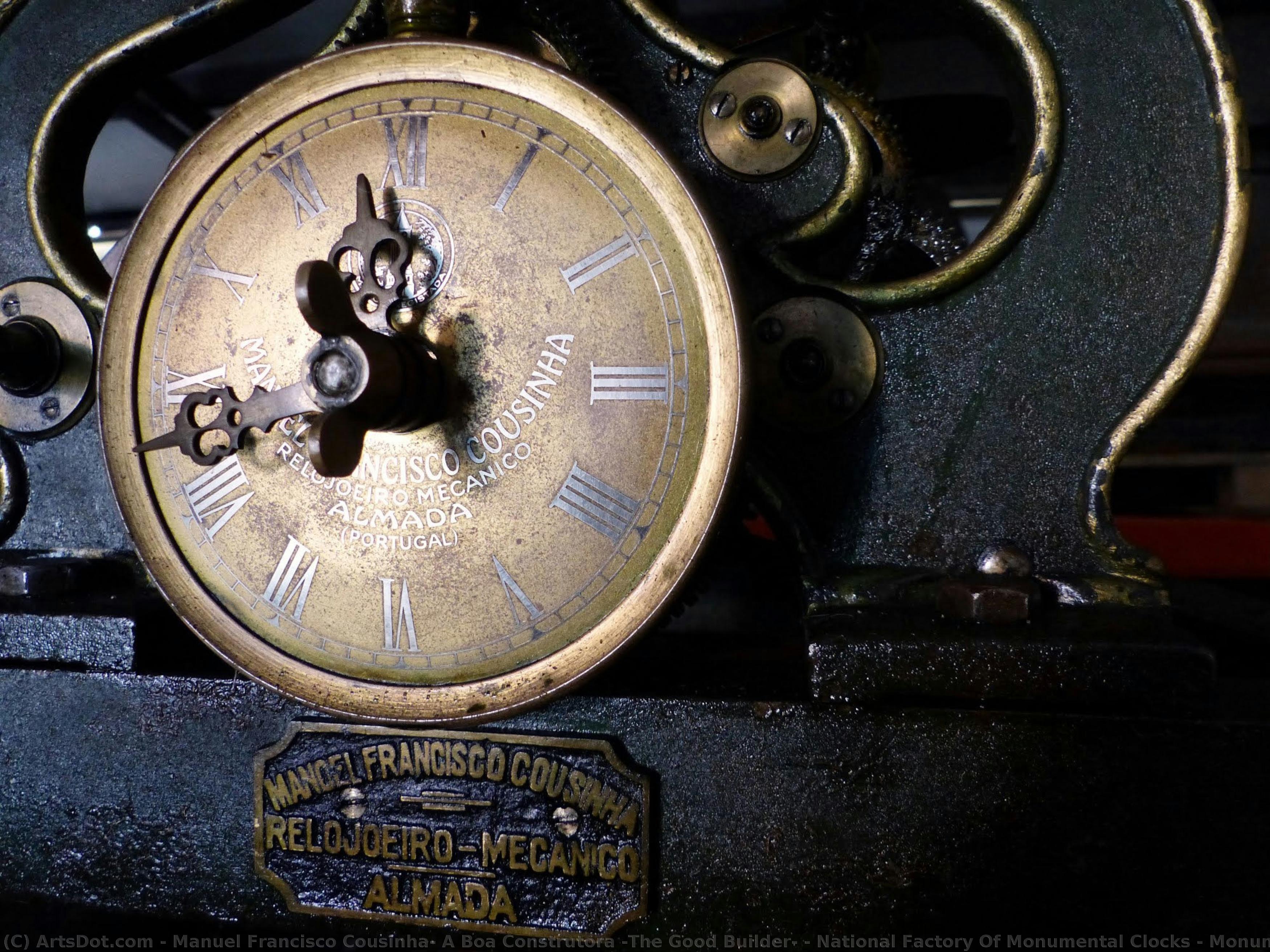
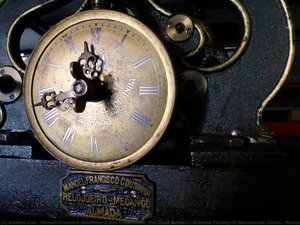
Monumental Station Clock Mechanism

Exquisite photographic detail of a monumental clock mechanism by Cousinha (1928). Admire the intricate brass & iron design – a timeless piece of Portuguese craftsmanship.

Manuel Francisco Cousinha, A Boa Construtora (The Good Builder) was a master of monumental clock mechanisms, renowned for his intricate brass and iron designs like the 1928 Station Clock; discover timeless Portuguese craftsmanship and explore his captivating artistry.

Kupite digitalnu sliku visoke rezolucije i poboljšanog kvaliteta, koja je znatno superiornija od onoga što vidite u online prikazu.

Svaka datoteka je pedantno pripremljena od strane naših stručnjaka koristeći napredne alate i profesionalnu ručnu retušu. Osiguravamo da svaka slika ima izuzetnu oštrinu, preciznu reprodukciju boja i fine detalje.

Konačna datoteka se dostavlja putem e-pošte u roku od 72 sata, optimizovana za neposrednu upotrebu u profesionalnim, izdavačkim i štamparskim okruženjima. To je isti kvalitet kojem veruju vrhunski studiji dizajna, izdavači i galerije.

Digitalna slika

Preuzmite datoteku visoke rezolucije za ličnu upotrebu, štampanje i kreativne projekte. (Kupi print Kupi printKupi ručno naslikanu sliku Kupi ručno naslikanu sliku)

Ukupna cena

$ 24,00

Uključeno uz svaku porudžbinu digitalne slike

Profesionalna digitalna isporuka, zagarantovana

Kada odaberete ArtsDot.com, ne dobijate samo sliku – vi primate profesionalno unapređeno digitalno umetničko delo, izrađeno sa najvećom preciznošću i uz garanciju zadovoljstva. Evo svega što automatski dolazi uz vašu porudžbinu:

shipping_icon
Brza dostava putem e-pošte

Vaša digitalna slika visoke rezolucije biće vam poslata putem e-pošte u roku od 72 sata od poručivanja – spremna za trenutnu upotrebu.

canvas_icon
Digitalna datoteka unapređena veštačkom inteligencijom

Vaše umetničko delo je profesionalno optimizovano korišćenjem naprednih AI alata i ručne obrade, čime se osiguravaju maksimalni detalji, oštrina i preciznost boja.

insurance_icon
Besplatna ponovna isporuka doživotno

Slučajno ste obrisali ili izgubili svoju datoteku? Ne brinite – poslaćemo vam je ponovo u bilo kom trenutku, potpuno besplatno.

tax_icon
Bez troškova uvoza – zauvek

Uživajte u svojim umetničkim delima trenutno, bez carine, dažbina ili troškova dostave – digitalni download je uvek bez poreza.

color_icon
Garancija vernosti boja

Uz pomoć profesionalnih alata i upravljanja bojama, osiguravamo da vaša digitalna slika što vernije odražava originalne boje.

return_icon
Garancija zadovoljstva u roku od 60 dana

Ako niste zadovoljni svojom digitalnom slikom, revidirat ćemo je ili vratiti 100% novca u roku od 60 dana – bez ikakvih pitanja.

guarantee_icon
100% garancija povrata novca

Niste zadovoljni? Obezbedite pun povrat novca u roku od 60 dana od trenutka kada ste primili svoju digitalnu datoteku – bez suvišnih pitanja.

discount_icon
Popusti na velike porudžbine

Kupite 3 slike, uštedite 10% - Kupite 5 slika, uštedite 15% - Kupite 10+ slika, uštedite 20%. Odlično za kreativne projekte, galerije i agencije.
Opis kolekcionarskog dela

It was this complete mechanism, together with its pendulum and weights, that operated the monumental clock at Tomar Railway Station, terminal of the Tomar branch, which opened for operation on September 24th 1928. Adapted to the architectural structure of the station building, it was the pendulum and weights which maintained the monumental clock in motion when mounted on the station facade. Made in Portugal, it was built by the mechanical watchmaker Manoel Francisco Cousinha, founder of

Biografija umetnika

The Timeless Craft of Manuel Francisco Cousinha: A Legacy in Monumental Clocks

Manuel Francisco Cousinha, known as “A Boa Construtora” (The Good Builder), represents a fascinating intersection of artistry and engineering within the landscape of Portuguese clockmaking. While biographical details surrounding Cousinha remain scarce – a testament to the often-unheralded artisans behind grand public works – his enduring legacy is etched in time itself, manifested in the monumental station clocks he meticulously crafted at the National Factory of Monumental Clocks. Founded in 1928, this factory became a crucible for precision mechanics and aesthetic design, and Cousinha quickly emerged as a pivotal figure within its walls. He wasn’t merely constructing timekeeping devices; he was building symbols of national progress and enduring civic pride.

A Master of Mechanics: The Art of the Monumental Clock

Cousinha's work is defined by the sheer scale and complexity of his creations. These were not clocks intended for domestic mantels or private collections, but rather imposing structures designed to dominate public spaces – railway stations, town squares, and other vital hubs of Portuguese life. His mastery lay in translating intricate mechanical principles into robust, reliable systems capable of withstanding the rigors of time and weather. The photographic detail captured in images of his 1928 monumental station clock mechanism reveals a breathtaking level of craftsmanship. Gleaming brass components interlock with precisely wrought ironwork, forming a delicate yet powerful network that governs the movement of large hands across expansive dials. This wasn’t simply about telling time; it was about demonstrating Portuguese ingenuity and technical prowess. The clocks were statements – visible embodiments of a nation embracing modernity while honoring traditional skills.

Influences and Development

Pinpointing specific artistic influences on Cousinha proves challenging given the limited documentation available. However, one can discern echoes of the *Art Deco* movement in his designs—a style characterized by streamlined forms, geometric patterns, and a celebration of industrial materials. The emphasis on functionality combined with elegant detailing aligns closely with Art Deco principles. Furthermore, the precision required for clockmaking undoubtedly drew upon centuries-old traditions of Portuguese metallurgy and instrument making. Cousinha likely benefited from the collective knowledge within the National Factory, collaborating with other skilled artisans and engineers to refine his techniques and push the boundaries of what was mechanically possible. The development of his style seems rooted in a pragmatic approach—a desire to create clocks that were not only beautiful but also exceptionally durable and accurate.

Enduring Symbols of Portuguese Time

Although Cousinha’s personal life remains largely unknown, his professional achievements speak volumes. He dedicated himself to the production of monumental clocks, becoming synonymous with quality and reliability in this specialized field. His work represents a significant contribution to Portugal's industrial heritage, providing tangible evidence of the nation’s commitment to technological advancement during the 20th century. The clocks he built continue to function today—silent witnesses to decades of Portuguese history, faithfully marking the passage of time for generations. They stand as enduring symbols of civic life and a testament to the skill and dedication of “A Boa Construtora,” Manuel Francisco Cousinha.

Historical Significance

Cousinha’s legacy extends beyond the purely mechanical realm. His clocks played a crucial role in standardizing timekeeping across Portugal, facilitating efficient transportation networks and fostering a sense of national unity. In an era before widespread personal timepieces, these monumental structures served as vital reference points for communities, coordinating daily life and shaping social rhythms. The National Factory itself was a product of its time—a response to the growing demands of a modernizing nation. Cousinha’s work, therefore, is inextricably linked to broader historical trends, reflecting Portugal's aspirations for progress and its embrace of industrial innovation. He represents a generation of artisans who quietly but profoundly shaped the fabric of Portuguese society through their dedication to craftsmanship and precision engineering.