

 Pregledaj u prostoru
 Pošalji
 Podeli
 Detalji o delu

 Преузми
 Slični predmeti
 Rendgenski snimak
 Slajdovi
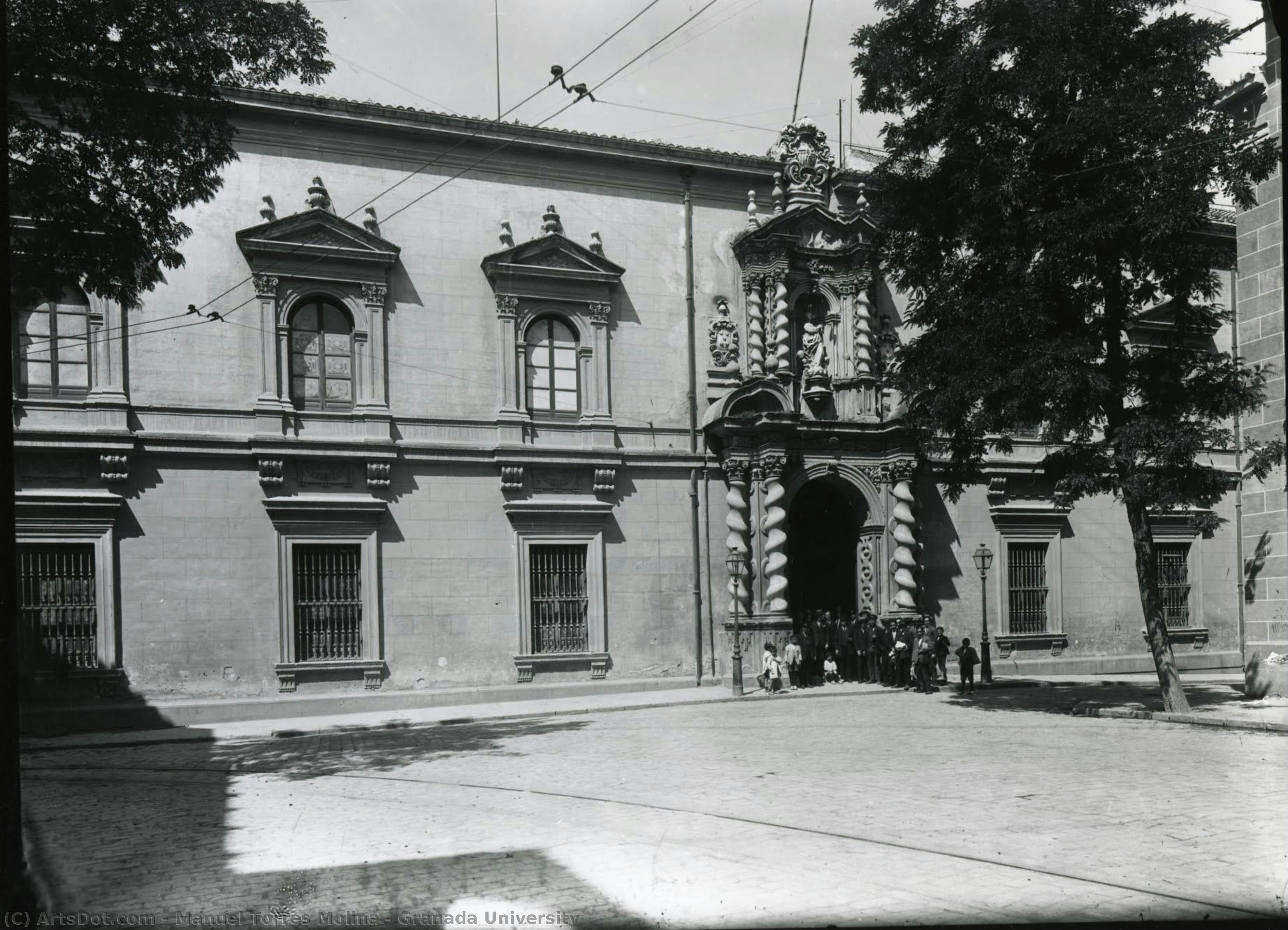
Granada University
 1900
1900 18.0 x 24.0 cm
 Museo Casa de los Tiros de Granada
 Pročitaj više
Giclee štampa / Umetnički otisak
Giclée štampa ili print na platnu muzejskog kvaliteta uz brzu proizvodnju i fleksibilne opcije završne obrade. ( Kupi ručno naslikanu sliku Kupi digitalnu sliku)




































Izaberite jednu od naših unapred definisanih veličina koje odgovaraju originalnim proporcijama umetničkog dela.

Možete uneti sopstvene dimenzije kako biste umetničko delo prilagodili specifičnom okviru ili prostoru. Ako odabrani format ne odgovara proporcijama originalne slike, mi ćemo ili iscrtati deo dela ili proširiti sliku pomoću ogledane ivice ili jednobojnog popunjavanja. Digitalni prikaz će vam biti poslat na odobrenje pre početka proizvodnje.
Imajte na umu da pregled na ekranu ne odražava stvarno iscrtavanje ili proširivanje. Samo će prikaz (mockup) precizno pokazati finalnu kompoziciju.
Iako su prilagođene dimenzije dostupne, preporučujemo da odaberete dimenziju sa unapred definisane liste kako biste očuvali originalne proporcije.
Dostava širom sveta () za 2 nedelje umesto uobičajenih 4/5 nedelja. (31 август)

Besplatna ekspresna dostava širom sveta

Visokokvalitetno laneno platno

Kompletno osiguranje transporta

Garancija povraćaja carine i uvoznih dažbina

Garancija vernosti boja

Politika povrata u roku od 60 dana (samo u slučaju nedostataka)

Garancija povrata novca od 100%

Popust pri grupnoj kupovini
 Opcija sa staklom dostupna je samo za dimenzije manje od 110 cm

Granada University
Giclee štampa / Umetnički otisak
Dimenzije reprodukcije
-


Konačna cena
$ 62
Srodna umetnička dela









Biografija umetnika
Manuel Torres Molina: A Granada Visionary
Manuel Torres Molina, born in Granada, Spain, in 1883, remains a quietly significant figure within the landscape of 20th-century Spanish photography. While he may not command the same immediate recognition as some of his contemporaries, his work possesses a unique and deeply evocative quality – a blend of meticulous documentary observation interwoven with a palpable artistic sensibility. Molina’s legacy is inextricably linked to Granada itself; he dedicated his life to capturing the essence of his city, its people, and its enduring spirit, offering viewers a poignant glimpse into a rapidly changing Spain.
Early influences on Torres Molina's photographic approach are somewhat obscured by the relative scarcity of readily available biographical information. However, it’s understood that he initially trained in traditional portraiture, a skill which undoubtedly informed his later work with an appreciation for composition and light. Crucially, he transitioned to documentary photography during a period of immense social and political transformation in Spain – the early 20th century saw the rise of industrialization, urbanization, and growing social unrest. This context profoundly shaped his artistic choices; he wasn’t simply recording events but actively engaging with them through his lens.
The Granada Lens: Documenting a City's Transformation
Torres Molina’s photographic output is overwhelmingly focused on Granada. He meticulously documented the city’s architectural heritage, from the imposing Torre Abbey – a subject he revisited repeatedly throughout his career – to its bustling markets and everyday life. His images of the Alhambra, a UNESCO World Heritage site, are particularly noteworthy, capturing not just the grandeur of the palace but also the human element within its walls: families enjoying picnics, artisans at work, and visitors marveling at the intricate details of the Moorish architecture.
Beyond the iconic landmarks, Torres Molina’s strength lay in his ability to portray the ordinary. He captured scenes of daily life – children playing in the streets, laborers working in the quarries, women selling produce in the market squares. These seemingly simple images are imbued with a remarkable sensitivity and a keen awareness of the social realities of Granada at the time. His photographs offer a powerful testament to the city’s resilience and its enduring connection to its past.
Technique and Artistic Expression
While rooted in documentary practice, Torres Molina's work transcends mere record-keeping. He possessed a sophisticated understanding of photographic technique, employing careful composition, lighting, and tonal control to create images that are both visually arresting and emotionally resonant. His use of natural light is particularly striking, often casting dramatic shadows and highlighting textures with remarkable effect.
Furthermore, Torres Molina wasn’t afraid to experiment with his medium. He frequently utilized a large-format camera, allowing him to capture incredible detail and depth of field. This technical prowess enabled him to create images that are not only technically proficient but also imbued with a sense of atmosphere and mood. It's evident in works like "The Source of Dreams," where the interplay of light and shadow creates an almost surreal quality.
Legacy and Historical Significance
Manuel Torres Molina’s contribution to Spanish photography is often understated, yet his work holds significant historical value. He stands as a key figure in documenting a pivotal period of Spanish history – a time of profound social change and artistic ferment. His images offer invaluable insights into the evolution of Granada during the 20th century, capturing both its beauty and its struggles.
Though he passed away in 1967, Torres Molina’s photographs continue to resonate with viewers today. They serve as a poignant reminder of a city's rich history and a testament to the power of photography to capture the essence of human experience. His work is now housed within Granada University, ensuring that his vision will be preserved and shared for generations to come.
manuel torres molina
1883 - 1967 , Spain
Osnovne informacije
- Artistic Movement Or Style: Documentary & artistic
- Date Of Birth: 1883
- Date Of Death: 1967
- Full Name: Manuel Torres Molina
- Nationality: Spanish
- Notable Artworks:
- The Source of Dreams
- Torre Abbey Photos
- Place Of Birth: Granada, Spain

